Tracking 380+ ships170+ portsLive AIS positions
New ships
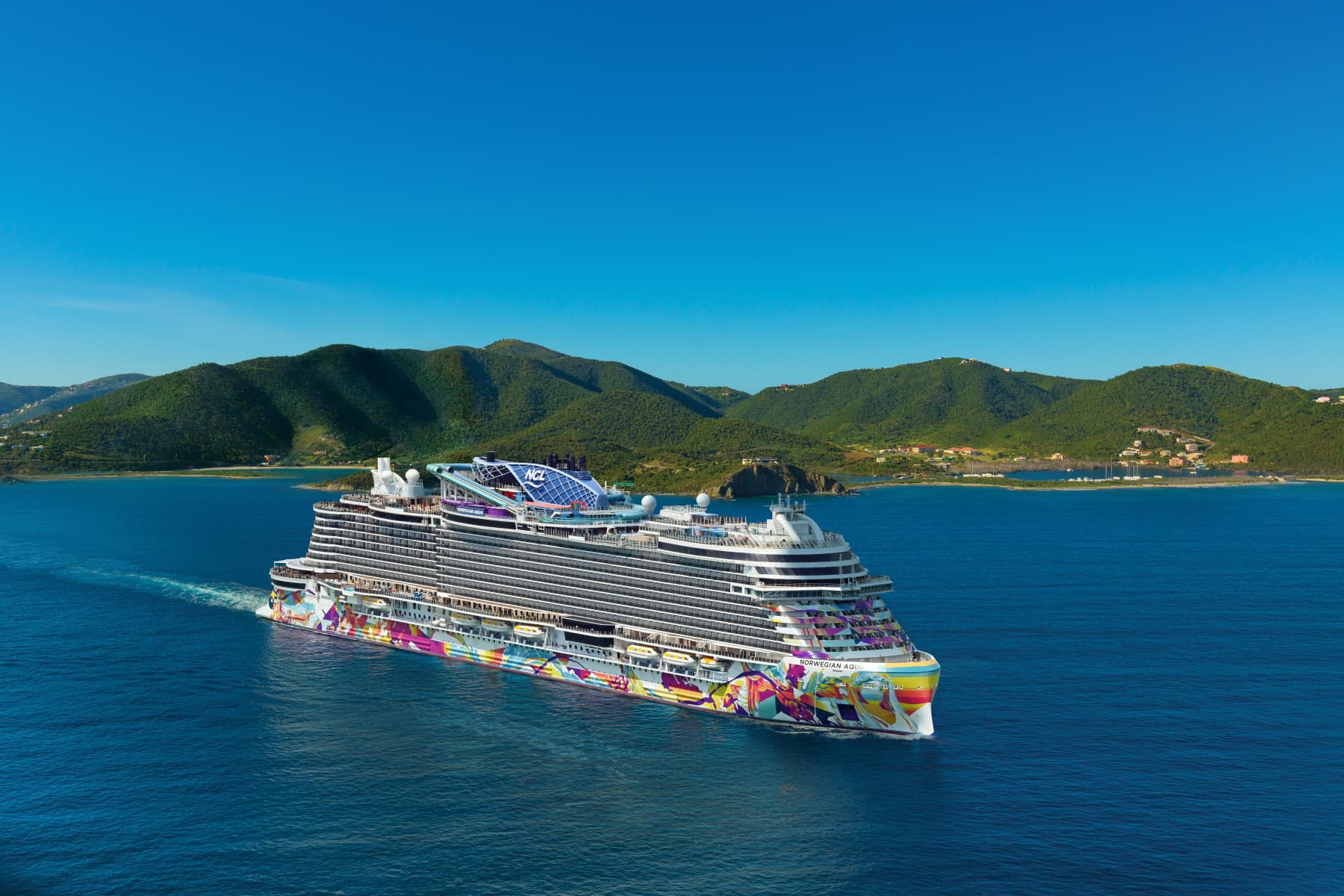
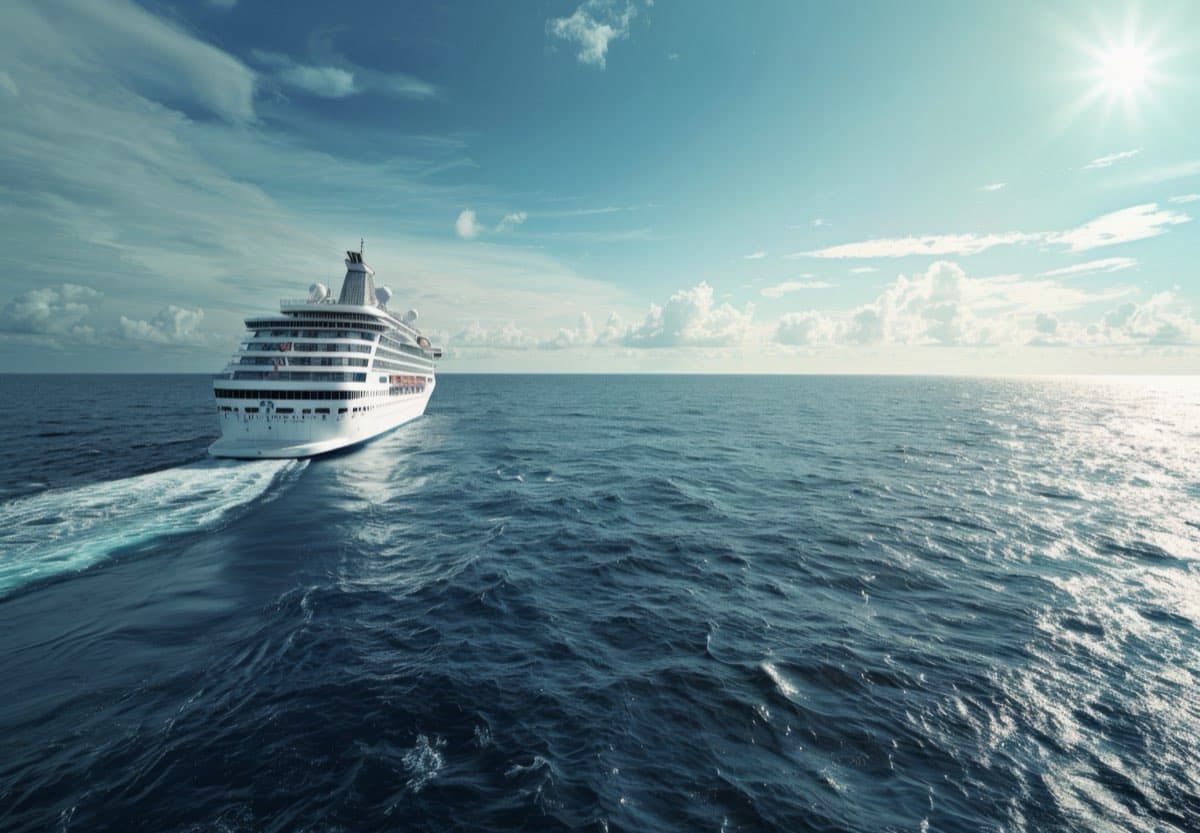
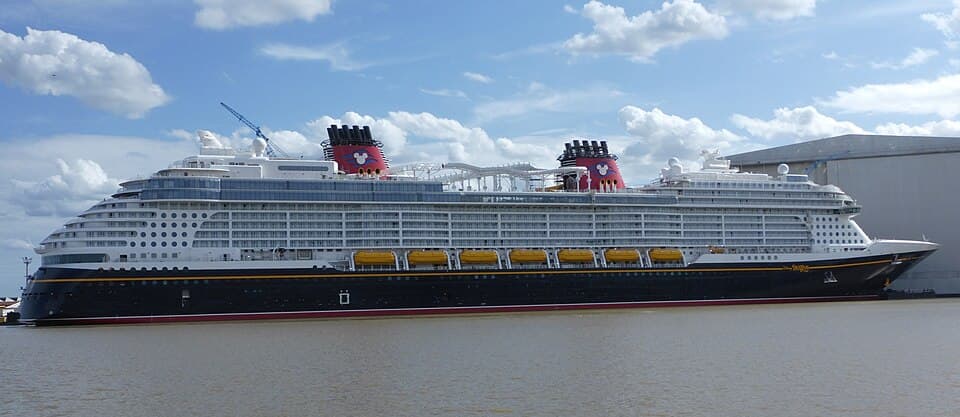
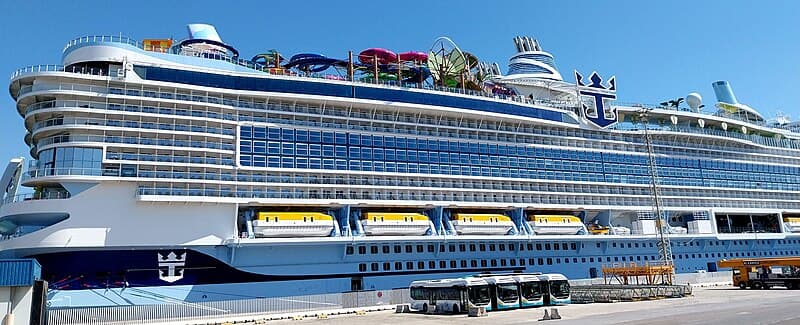
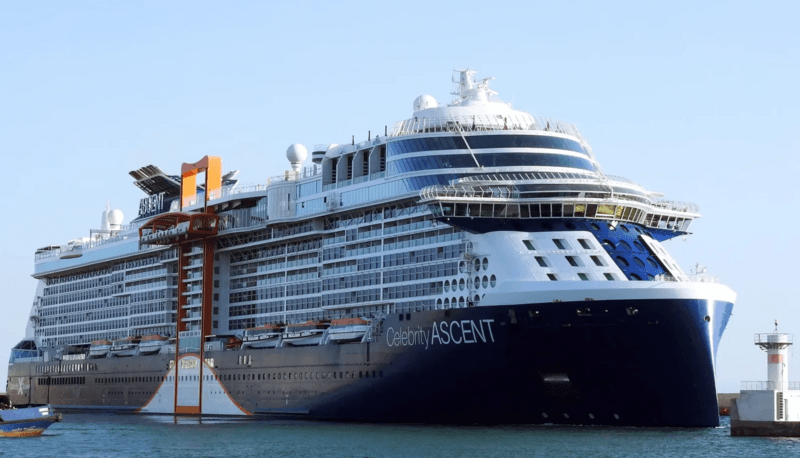
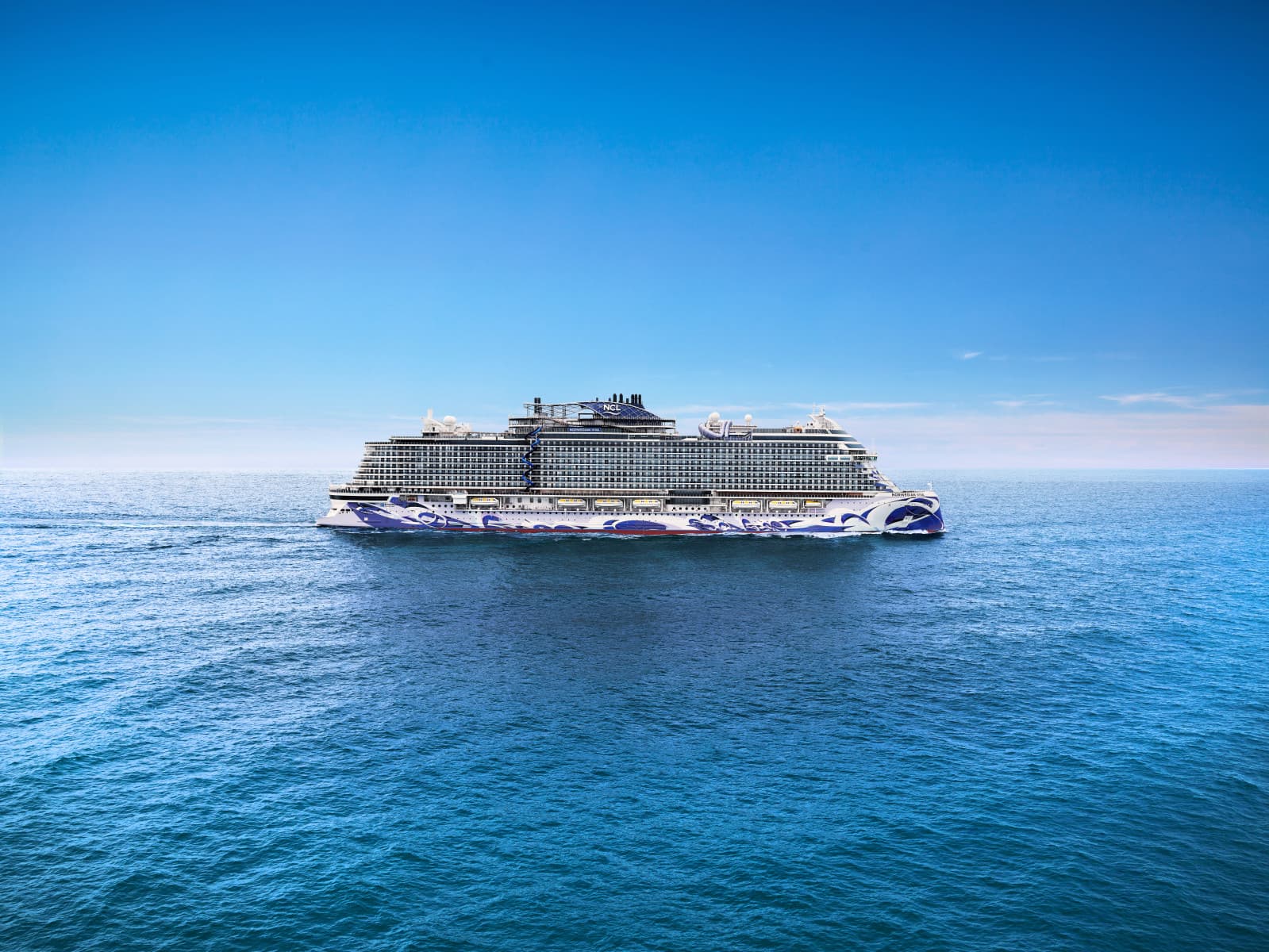
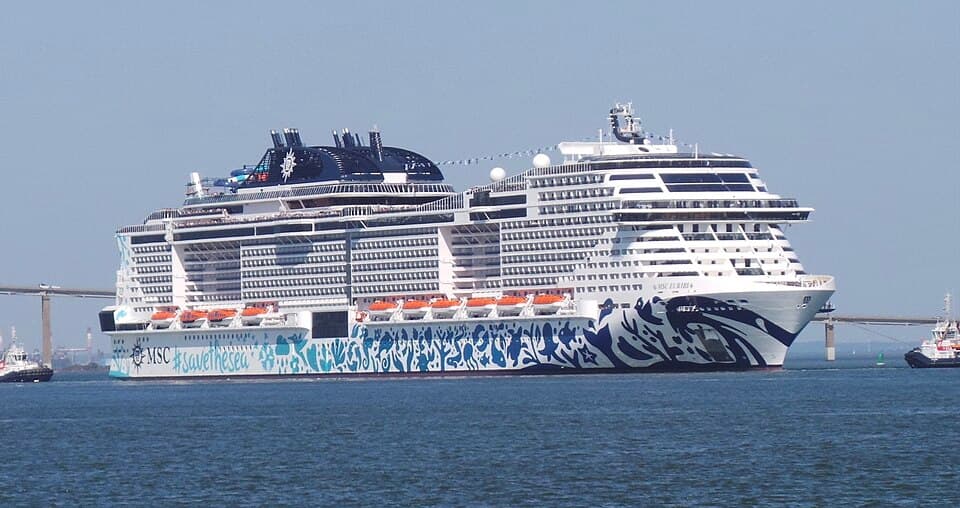
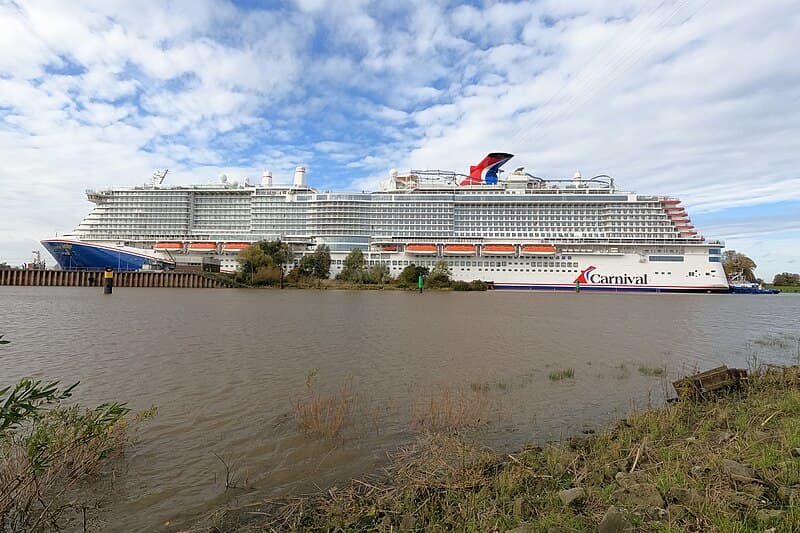
Explore the latest cruise ships to join the world's fleets. From advanced technology to innovative designs, these new vessels represent the future of cruising.
3 ships
15 ships
Background
The cruise industry continues to innovate with each new ship launch. Today's newest vessels feature advanced technology, sustainable propulsion systems, and amenities that push the boundaries of what's possible at sea.
New cruise ships in 2026 showcase environmental advancements like LNG (liquefied natural gas) propulsion, shore power connectivity, and advanced wastewater treatment systems. These innovations help reduce the industry's environmental footprint while delivering exceptional guest experiences.
Beyond environmental features, new cruise ships introduce new entertainment options, dining concepts, and stateroom designs. Many feature smart technology throughout, from wearable devices that serve as room keys and payment methods to apps that help guests navigate the ship and make reservations.
The focus on outdoor spaces has increased significantly, with new ships offering more balcony cabins, expanded pool decks, and venues like rooftop gardens and observation lounges that bring guests closer to the ocean.
FAQ
Legend of the Seas is among the newest cruise ships to debut in 2026.
Modern cruise ships feature LNG-powered engines for sustainability, advanced air filtration systems, smart technology for contactless services, more balcony cabins, specialty dining venues, and immersive entertainment including virtual reality experiences.
Major cruise lines including Royal Caribbean, Carnival, Norwegian, MSC, Disney, and luxury brands like Regent and Silversea are actively expanding their fleets with new vessels.
Building a cruise ship typically takes 2-3 years from keel laying to delivery, with the planning and design process starting several years earlier. Large cruise ships can take up to 4 years to complete.
Yes, newer cruise ships incorporate LNG (liquefied natural gas) propulsion, shore power connectivity, advanced wastewater treatment, and energy-efficient technologies that significantly reduce emissions compared to older vessels.
Explore more