
Alaska ports get rain on a large share of summer days, and Ketchikan in particular is known as one of the wettest towns in the country. A packable, genuinely waterproof (not just water-resistant) rain jacket is the one piece of gear that decides whether you enjoy a wet excursion day or spend it soaked and cold on a bus.
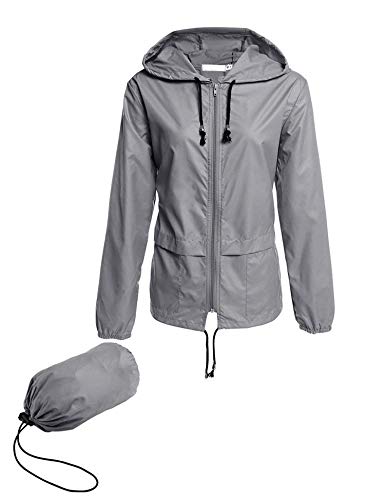
Women's Packable Rain Jacket
- Packs into its own pocket
- Waterproof and windproof for unexpected Caribbean showers and Alaska drizzle
Tropical showers come fast and hard, a packable jacket saves your excursion outfit
View on AmazonWater-resistant is not the same as waterproof
Water-resistant fabric sheds a light drizzle and then soaks through in sustained rain, which is exactly what Ketchikan, Juneau, and Sitka deliver on a normal summer day. Look for a jacket rated waterproof with taped seams, not just a water-resistant coating, if you're spending real time outdoors on excursions rather than ducking between covered gift shops. Our Alaska cruise guide breaks down typical rainfall by port and month.
Packable beats heavy every time
You're not wearing a rain jacket at dinner or in the casino, so it needs to compress down small enough to live in a daypack all week without eating your suitcase space. The Women's Packable Rain Jacket folds into its own pocket and takes up less room than a folded sweater, which matters when you're also packing layers for temperature swings between the ship and the shore.
Layer underneath, don't overheat
Alaska summer temperatures often sit in the 50s and 60s, which means a rain jacket over a fleece or light long-sleeve works better than a heavy insulated coat that overheats you the moment you're walking uphill on an excursion. Save the down jacket for shoulder-season sailings and stick to breathable layers under the rain shell for a normal summer itinerary. See our full Alaska packing list for the complete layering system.
Footwear matters as much as the jacket
A great rain jacket paired with sneakers that soak through in the first puddle still ends with cold, wet feet for the rest of the day. Water Shoes Quick Dry work for wet tender landings and rainforest trails alike, drying fast enough to be usable again the next morning.

Water Shoes Quick Dry
- Quick-dry shoes for beach, snorkeling, and rocky shore walks
- Protective sole guards against coral and sharp rocks
Rocky Caribbean beaches and coral cuts are no joke, water shoes are a must
View on AmazonDon't forget your camera gear stays dry too
Rain on a whale-watching boat or a glacier hike means your phone and binoculars need protection as much as you do. A Compact Waterproof Binoculars (10x25) pair handles the wet without hesitation, and keeping electronics in a zip pouch inside your daypack avoids the "wipe it every ten seconds" problem.

Compact Waterproof Binoculars (10x25)
- 10x magnification with 25mm objective lens for crisp detail
- Compact folding design fits in a jacket pocket
An umbrella is a backup, not a plan
Wind off the water makes umbrellas nearly useless on an open excursion, but a compact one is worth having for shore time in town between the ship and a covered restaurant. A REPEL Windproof Travel Umbrella survives gusts that would turn a cheap umbrella inside out.
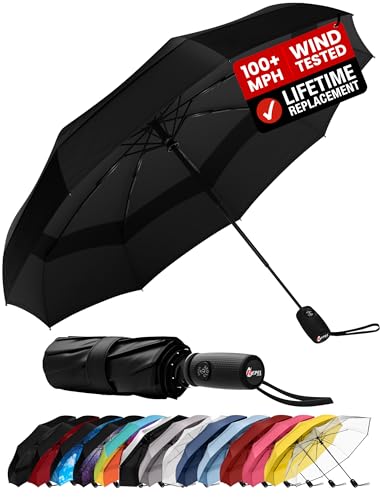
REPEL Windproof Travel Umbrella
- Teflon-coated canopy repels water
- Windproof construction survives gusts up to 60mph
Tropical downpours are sudden and intense, a windproof umbrella keeps you dry on port excursions
View on AmazonFlight day and the jacket's second job
Long travel days to reach Seattle, Vancouver, or Anchorage benefit from a jacket that also works as a layer on the plane. Compression Socks 3-Pack 15-20mmHg on the flight and a light rain jacket as your outer layer means you land ready for whatever the port throws at you on embarkation day.
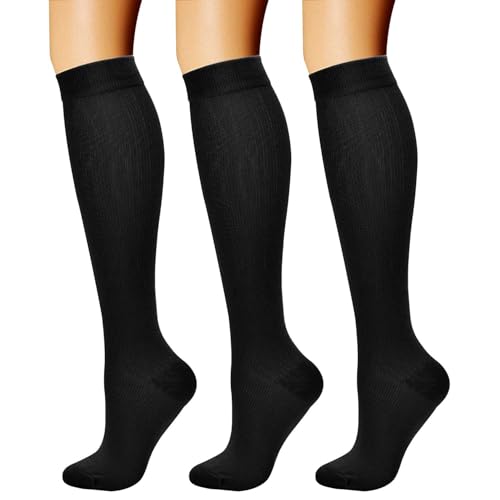
Compression Socks 3-Pack 15-20mmHg
- 15-20mmHg compression reduces leg swelling on flights and long excursion walks
- Three pairs for the cruise week
Long flights to embarkation ports and 20K-step excursion days, compression socks prevent swelling
View on AmazonWhat a rain jacket needs to survive, by excursion type
A rainforest zip-line or canopy walk excursion puts a jacket through branches, harness straps, and constant movement, so a snug, athletic-cut jacket without loose flapping fabric works better than a longer, looser style that can catch on equipment. Check the excursion operator's gear list in advance, since some require a jacket without a hood for harness safety reasons.
A glacier hike or a walk to a viewpoint tests a jacket's breathability more than its waterproofing, since you're generating body heat on an incline while the outside air stays cold and damp. A jacket with underarm vents or a two-way zipper lets you dump heat without removing a layer, which matters on a longer uphill stretch where stopping to peel off a jacket costs time on a scheduled excursion.
A whale-watching or wildlife boat excursion exposes a jacket to sustained wind and spray rather than steady rain, which is a different kind of wet. A hood with a drawstring or stiff brim stays in place better than a loose hood that blows back with every gust, and a jacket with a higher collar keeps spray from running down your neck during a longer boat ride.
A town walking day, moving between the ship and shops or a museum, is the lowest-demand scenario for a jacket, but it's also where people most often leave the jacket behind because "it's just town." Pack it anyway in a compact daypack, since Alaska port weather shifts from dry to a sudden downpour within the span of a short walk more often than any other region on a typical cruise itinerary.
Across every excursion type, a jacket that packs into its own pocket or a small stuff sack travels better than one that has to be folded loosely into a daypack, since a loose fold takes up more room and a corner is more likely to get wet against the outside of the bag on a rainy transfer.
Common mistakes with rain jackets on an Alaska cruise
The most common mistake is buying a fashion-forward rain jacket rated only water-resistant, assuming the word "rain" in the product name means it's fully waterproof. Check the specific hydrostatic rating or look for "waterproof" plus "taped seams" in the product description rather than trusting styling or a rain-themed product photo.
Another common mistake is packing only one heavy jacket meant to handle both cold and rain in a single layer, which overheats on any excursion involving walking or an incline. Splitting the job between a breathable rain shell and a separate fleece or light insulating layer underneath performs better across the range of a typical Alaska excursion day than one heavy all-in-one jacket.
Leaving the jacket in the cabin on a partly cloudy morning is a mistake that catches people out more than any other, since Alaska weather changes faster than a morning forecast suggests. Treat the rain jacket as a standard daypack item for every excursion day regardless of the forecast, the same way you'd treat sunscreen on a Caribbean itinerary.
Not testing the jacket's fit over your actual excursion-day layers before the trip is another frequent issue. A jacket that fits fine over a t-shirt at home can feel restrictive over a fleece and a base layer on an actual cold morning, limiting arm movement exactly when you need it for a hike or a camera shot.
Finally, packing a jacket that's never been worn in real rain and assuming the manufacturer's waterproof claim holds up is a risk on a trip where you can't simply go back to a store if it fails. Test the jacket in an actual rain shower or a shower stall at home before the cruise, checking the shoulder seams and zipper specifically for leaks.
Common questions
Is a rain jacket really necessary for an Alaska cruise?
Yes, more than almost any other piece of gear on the packing list. Several major Alaska ports see rain on a large share of summer days, and excursions run regardless of weather, so a genuinely waterproof jacket determines your comfort level for the day.
What's the difference between waterproof and water-resistant jackets?
Waterproof jackets use sealed or taped seams and fully waterproof membranes that block sustained rain. Water-resistant jackets use a lighter coating that sheds light drizzle but soaks through in heavier or prolonged rain, which is common in Alaska.
Do I need a heavy winter coat for an Alaska cruise?
Usually not for a standard summer sailing. Layering a rain jacket over a fleece or light insulating layer covers most days. A heavier coat makes more sense for shoulder-season cruises in May or September, when mornings run colder.
Can I wear a rain jacket on a zip-line or harness excursion?
Check the specific excursion operator's requirements first. Some harness-based excursions require a snug-fitting jacket without a loose hood or excess fabric that could catch on equipment, so a longer or looser rain jacket style may need to be swapped for a shorter, athletic-cut layer that day.
How do I dry out a rain jacket in a cruise cabin overnight?
Hang it on a hanger in the bathroom with the fan running rather than folding it wet into a drawer or daypack. A jacket packed away still damp can develop a musty smell within a day or two in a sealed suitcase, so give it a full night of airflow before packing it back into its stuff sack.
Pack the rain jacket before the sweaters. Everything else on an Alaska trip can be layered around a good waterproof shell, but nothing compensates for a jacket that soaks through on the one clear glacier-viewing day of the week. Check ports for your specific stops and browse Alaska cruises with your travel dates.