Most packing lists treat Alaska like a slightly cooler Caribbean cruise. They tell you to bring a light jacket, maybe some layers, and comfortable shoes. That advice will get you soaked, cold, and squinting at whales you can barely see from the ship's rail.
Alaska weather changes fast. In May, an open deck near Glacier Bay can sit in the upper 30s °F, and a July port day in Ketchikan can bring hours of heavy rain. This list is built for those conditions, not for the brochure photos.
Alaska packing is a different discipline. You're not adding a few layers to your standard cruise wardrobe. You're building a kit for real wilderness conditions, glaciers, wildlife, rain, and wind, and then bringing a couple of dinner outfits too.
Here are the 15 items generic lists either miss entirely or gloss over without giving you real specifics.
Planning an Alaska cruise? Browse current Alaska cruise deals on Cruisebound. Filter by destination, length, cabin type, and departure port to see today's pricing before you keep reading.
1. Waterproof Rain Jacket (Fully Sealed, Not "Water-Resistant")
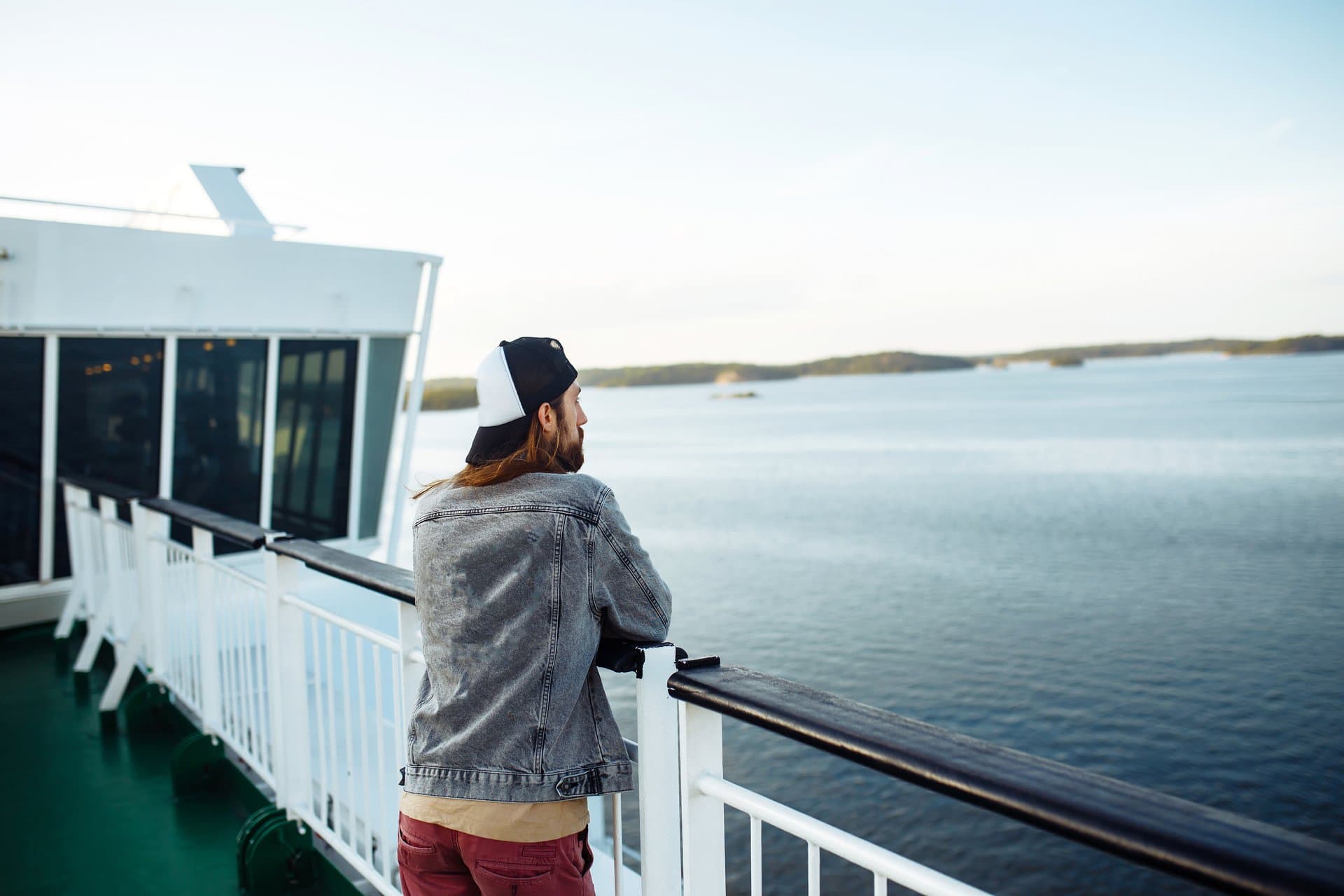
This is the single most important item on the list, and also the one most people get wrong. They buy a "water-resistant" softshell that soaks through in 20 minutes of real Alaska rain.
You need a jacket with fully taped seams and a DWR (durable water repellent) coating. Columbia's Watertight II and Marmot's PreCip pack down to the size of a water bottle and weigh under a pound. They're designed for exactly this kind of sustained rain.
Fully waterproof nylon with sealed seams and Columbia's Omni-Tech breathable membrane. Packs into its own chest pocket. Smaller than a Nalgene. Adjustable hood fits over a warm hat. This is the jacket you'll wear every single day in Alaska, from Ketchikan boardwalks to the open deck in Glacier Bay.
Check Price on Amazon → (affiliate link)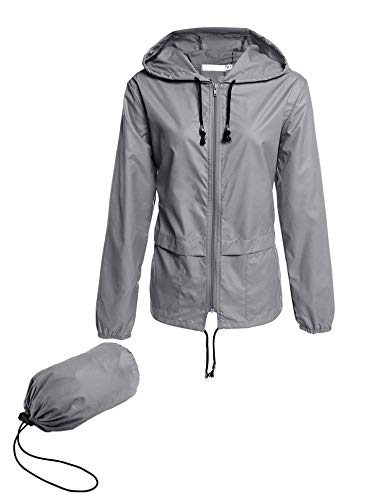
Women's Packable Rain Jacket
- Packs into its own pocket
- Waterproof and windproof for unexpected Caribbean showers and Alaska drizzle
Tropical showers come fast and hard, a packable jacket saves your excursion outfit
View on AmazonPro tip: Buy one size up so it fits comfortably over your fleece mid-layer. A jacket that's tight over a fleece is worse than useless in cold wind.
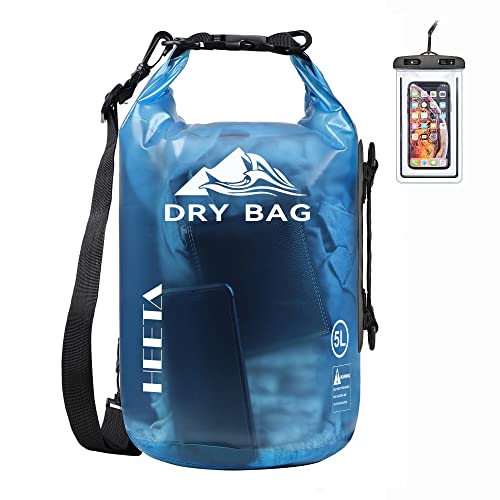
HEETA 20L Waterproof Dry Bag
- Roll-top 20L dry bag keeps everything waterproof for snorkeling, kayaking, and beach excursions
- Shoulder strap for easy carrying
Essential for water excursions, protects electronics and dry clothes on the boat
View on Amazon2. Fleece Mid-Layer
The middle layer does the heavy lifting on cold days. A 200-weight fleece (Patagonia, REI, Columbia) gives you real warmth without bulk, and it dries fast if it gets damp inside your jacket.
200-weight polyester fleece with a full-zip design. Warm enough for 40F conditions when worn under a waterproof shell, comfortable enough to wear alone in Juneau on a mild day. Packs smaller than a sweatshirt. The standup collar adds meaningful wind protection around the neck.
Check Price on Amazon → (affiliate link)Pro tip: Fleece over a thermal base layer handles 95% of Alaska conditions. Save the heavy parka for the glacier deck where you're standing still in cold wind.
3. Waterproof Hiking Boots
Juneau's trail to the Mendenhall Glacier visitor center is paved. The trail to the glacier face is not. Ketchikan's streets are wet by default. The town averages 162 inches of rain annually. Skagway's Chilkoot Pass day hikes involve actual mud and loose rock.
Regular sneakers will be saturated by mid-morning. Waterproof trail runners or low-cut hiking boots keep you comfortable for a full port day.
Waterproof membrane keeps feet dry in sustained rain and muddy trail conditions. Vibram TC5+ rubber outsole grips wet rock and boardwalk planks. Break these in at home before the cruise. A full day in Juneau is not the time to discover a blister spot. Mid-cut version adds ankle support on uneven Skagway terrain.
Check Price on Amazon → (affiliate link)Pro tip: Pack a dry pair of socks in your daypack. Changing into dry socks at lunch is one of those small things that makes a huge difference on a long port day.
4. Compact Binoculars (10x42 or 8x42)
Your phone camera cannot replace binoculars for Alaska wildlife. When the naturalist on the ship announces a humpback whale breach at 400 yards off the starboard bow, you have maybe 8 seconds to find it before it's gone. With binoculars, you see the full breach. Without them, you see a white splash.
The same applies to bald eagles perched in Sitka spruce along the channel, sea otters floating on their backs in Sitka Sound, and bears feeding along salmon streams visible from the ship.
8x magnification with 42mm objective lenses delivers a wide, bright field of view for tracking fast-moving whales. Fully waterproof and nitrogen-purged for fog resistance. Essential when you're using them in rain and sea spray. Phase-coated BAK-4 prisms give you optical clarity well above the price point. Weighs 22 oz.
Check Price on Amazon → (affiliate link)
Compact Waterproof Binoculars (10x25)
- 10x magnification with 25mm objective lens for crisp detail
- Compact folding design fits in a jacket pocket
Pro tip: Keep binoculars around your neck on a padded strap for glacier days. Glacier Bay gives you 6-8 hours of scenic cruising and there's something to see constantly. Whales, harbor seals on ice floes, the glacier face itself calving.
5. Thermal Base Layer Set (Merino Wool)
Merino wool is not optional for Alaska. Synthetic base layers work, but merino does something they don't: it stays odor-neutral even after multiple days of wear, and it regulates temperature across a wider range. You'll wear this under your fleece on cold days and by itself in the ship's interior.
Midweight merino wool (250 g/m2) handles temperatures in the 30s and 40s without making you sweat in warmer conditions. Natural temperature regulation means you're not stripping layers constantly. Odor-resistant over multiple days of wear. Critical when cabin laundry isn't an option every day.
Check Price on Amazon → (affiliate link)Pro tip: One set is fine for a 7-day cruise. Merino genuinely doesn't smell after two or three days of wear, and a quick hand-wash and hang-dry in the cabin handles the rest.
6. Waterproof Rain Pants
Most people pack the jacket and forget the pants. Standing on the forward observation deck in Glacier Bay for three hours in 45F weather while light rain comes in sideways will change your mind about this.
Waterproof pants don't need to be heavy. A lightweight shell pant (REI, Marmot, Columbia) folds into a shirt pocket and adds almost no weight to your daypack.
Fully waterproof nylon with a DWR coating and a packable design that compresses into a hand-sized stuff sack. Full-zip ankle openings mean you can pull them on over boots without removing them. Elastic waistband fits over base layers comfortably. You will thank yourself on day two of glacier viewing.
Check Price on Amazon → (affiliate link)Pro tip: A second pair of regular pants (jeans or hiking pants) handles drier port days. Save the waterproof shell pants for dedicated wet conditions so the DWR coating lasts longer.
7. Hand Warmers
Standing on the open deck in Glacier Bay when temperatures are in the low 40s and there's a 15-knot wind off the ice is legitimately cold. Disposable hand warmers are a $10 investment that makes a significant difference during the 4-6 hours of glacier viewing.
Air-activated warmers reach up to 135F and last 10+ hours. Thin enough to fit inside gloves. Tuck a pair in your jacket pockets before heading to the observation deck. Once your hands get cold on a 40-degree deck it takes 30 minutes to recover. 40-pair packs cost less than two cups of coffee.
Check Price on Amazon → (affiliate link)Pro tip: Activate a pair and put them in your gloves 10 minutes before you head to the deck, not after you're already cold. They need a few minutes to reach full temperature.
8. Insulated Water Bottle (Wide Mouth)
Hot drinks on the glacier deck are one of Alaska cruising's small luxuries. Fill a wide-mouth insulated bottle with hot coffee or tea in the buffet before heading outside, and it'll stay hot for 4-5 hours in cold conditions.
The wide mouth also handles ice and smoothies on warmer days in port.
Double-wall vacuum insulation keeps hot drinks hot for 7+ hours and cold drinks cold for 24 hours. Wide mouth accommodates ice and fills easily at buffet stations. Built-in handle and rubberized base prevent slipping on wet decks. The 40oz size means fewer refill trips during long glacier viewing sessions.
Check Price on Amazon → (affiliate link)Pro tip: The ship's buffet has a hot water station. Pack a few tea bags or instant coffee packets for deck days so you're not making multiple trips inside.
9. Dry Bag (10L or 20L)
Juneau has multiple kayaking excursions that put you in a kayak for 2-3 hours in Southeast Alaska waters. A 10L dry bag keeps your phone, wallet, spare layers, and snacks bone-dry even if your kayak takes on water. It doubles as a waterproof daypack liner for rainy port days in Ketchikan.
100% waterproof roll-top closure keeps contents dry even when fully submerged. Ultra-Sil fabric packs down to the size of a golf ball. 10L fits a phone, wallet, snacks, gloves, and a thin fleece. Essential for kayaking in Juneau where getting splashed is guaranteed, not just possible.
Check Price on Amazon → (affiliate link)Pro tip: Use it as your main daypack liner on rainy port days in Ketchikan. A dry bag inside a regular backpack means your camera, passport copy, and electronics stay dry even when your bag gets soaked.
10. Buff / Neck Gaiter
Wind off the glaciers cuts through exposed skin. A Buff or similar neck gaiter covers the gap between your jacket collar and your chin. The spot that gets cold first on the open deck. It weighs nothing and packs into a jacket pocket.
Merino wool version adds real warmth without bulk. Can be worn as a neck gaiter, pulled up over the chin, or folded into a thin hat. Machine washable. Odor-resistant properties let you wear it multiple days without washing. Weighs 1.2 oz and takes up no measurable space in your bag.
Check Price on Amazon → (affiliate link)Pro tip: A buff also works as a thin hat liner under a beanie, doubling the warmth of a single knit hat on very cold deck days at Glacier Bay or Hubbard Glacier.
11. Touchscreen-Compatible Gloves
You'll want to take photos and use your phone while standing on the glacier deck. Removing your gloves in 40F wind to unlock your phone is a pain. Touchscreen-compatible gloves let you operate your screen without exposing your hands.
Merino wool construction with conductive fingertips on thumb and index finger for full touchscreen operation. Thin enough to layer under a heavier waterproof mitten for extreme cold. Warm enough on their own for temperatures in the mid-40s. Machine washable. Work with all modern touchscreens.
Check Price on Amazon → (affiliate link)Pro tip: Get gloves with conductive tips on at least three fingers, not just thumb and index. Operating a camera touchscreen is much easier with three-finger control.
12. Wool Socks (Moisture-Wicking)
Cotton socks in Alaska are a mistake. Cotton absorbs moisture and stays wet. Merino wool socks wick moisture away, stay warm even when damp, and resist odor over multiple days of wear.
Pack 4-5 pairs for a 7-day cruise. Your feet will be doing serious work during port days.
Knit from Vermont merino wool with a cushioned footbed for all-day comfort in hiking boots. Smooth construction eliminates hot spots that cause blisters. Stays warm even when wet. Lifetime guarantee. If they wear out, Darn Tough replaces them free. These are the socks Alaska veterans pack without thinking twice.
Check Price on Amazon → (affiliate link)Pro tip: Pack a spare pair of socks in your daypack for every port day. Changing into dry wool socks at midday makes the second half of a long day in Juneau dramatically more comfortable.
13. Packable Down Vest
A vest gives you core warmth without restricting arm movement. It layers easily under or over a fleece, and on milder port days in Juneau (55-60F, light overcast) you can wear it as the outer layer without the full rain jacket.
Omni-Heat thermal reflective lining with synthetic insulation that stays warm even when damp. Unlike down, which loses insulation when wet. Packs into an internal stuff sack to shirt-size. Worn under your waterproof shell on cold days or over a fleece on mild days, this vest is the most versatile piece in your Alaska kit.
Check Price on Amazon → (affiliate link)Pro tip: Synthetic insulation is smarter than down for Alaska. Real down compresses its loft (and loses warmth) when it gets wet, and Alaska is wet. Synthetic keeps its insulation value even damp.
14. Waterproof Camera / GoPro
Your phone camera is not enough for Alaska. Phone lenses struggle in low-contrast conditions (overcast skies, grey glaciers, dark water), have limited zoom for distant wildlife, and most phones are not truly waterproof in sustained rain or kayak splash.
A GoPro attached to your jacket or daypack captures glacier calving, whale breaches, and kayaking without you lifting a hand.
Waterproof to 33 feet without a housing. 5.3K video and 24.7MP photos capture glacier calving detail your phone can't match. HyperSmooth 6.0 stabilization eliminates the shake from a moving ship or bouncing kayak. Time-lapse mode for the full Glacier Bay sail-through. Mounts to your chest, daypack strap, or kayak.
Check Price on Amazon → (affiliate link)
AKASO EK7000 4K Action Camera
- 4K video and 12MP photos at a fraction of GoPro price
- Waterproof case included
GoPro quality at a price you do not cry about if it falls in the ocean
View on AmazonPro tip: Bring two fully charged batteries and a portable charger. Cold temperatures drain batteries faster than normal. A GoPro in 45F conditions runs about 40% shorter than the rated battery life.

OHOVIV 50,000mAh Portable Power Bank
- 50,000mAh capacity charges phones 8-10 times over
- Not flight-legal, ~185Wh exceeds the 160Wh airline limit, so it is barred from carry-on and checked bags
15. Bear Bell (Skagway and Juneau Backcountry Trails)
Most cruise passengers will never need this. But Skagway's Gold Rush-era hiking trails near the Chilkoot Pass access real bear country, and some independent Juneau excursions push into backcountry terrain. A bear bell clipped to your daypack makes enough noise to alert bears to your presence before you surprise one at close range.
It's a $6 precaution. Pack it and probably never use it. Or don't pack it and hike in silence past a salmon stream.
Solid brass bell produces a clear tone audible to bears at 50+ yards on a quiet trail. Silent mode magnet holds the clapper when you're on the ship or don't need it ringing. Clips to a daypack strap or belt loop. Weighs 0.6 oz. Your tour guide will appreciate that you thought to bring one.
Check Price on Amazon → (affiliate link)Pro tip: Talk, clap, or sing on the trail if you're in genuine bear country. The bell helps but human voices carry further and sound less like a prey animal than a small jingling sound.
Alaska Excursions Worth Booking
Two excursions stand above everything else:
Whale Watching in Juneau. Juneau has the highest whale-watching success rate in Alaska. The feeding grounds in Stephen's Passage host hundreds of humpbacks from May through September. Book early; tours run at capacity.
Book Whale Watching Juneau on Klook →
White Pass & Yukon Route Railway in Skagway. A narrow-gauge railway that climbs 2,865 feet in 20 miles, following the exact route Gold Rush prospectors used in 1898. The summit views are extraordinary and the engineering is genuinely impressive. This excursion sells out months in advance on popular sailings.
Book White Pass Railway Skagway on Klook →
Seattle Pre-Cruise Hotels
If you're departing from Seattle (the most common embarkation for Alaska cruises), arriving a day early is worth it. Seattle traffic to the cruise terminal can be unpredictable, and the city has enough to justify a night on either end.
The Edgewater Hotel. Seattle's only over-water hotel, with rooms directly on Elliott Bay. Views of the Olympic Mountains and 10 minutes from the cruise terminal by car. Check rates at The Edgewater →
Hotel Ballard, Autograph Collection. A boutique Marriott property in the Ballard neighborhood, 15 minutes from downtown and close to Pike Place Market. Better value than the waterfront hotels. Check rates at Hotel Ballard →
The Westin Seattle. Dependable, central location two blocks from Pike Place Market and easy access to the waterfront. Good points redemption option for Marriott/SPG members. Check rates at The Westin Seattle →
The Layer System That Actually Works
The mistake most people make is packing too much bulk and not enough versatility. You don't need an arctic parka. You need a system:
Morning whale watch (45-50F, wind): Thermal base layer + fleece + waterproof jacket + vest + gloves + buff
Port day in Ketchikan (55F, rain): Hiking pants + waterproof jacket + light fleece
Glacier Bay deck time (40-45F, sustained cold): Full layer system + waterproof pants + hand warmers
Warm afternoon in Juneau (65F, sunny): Fleece vest or light fleece only
Evening dinner on the ship: Swap into your regular cruise evening wear, smart casual or whatever your line requires
This is six to eight pieces of clothing total for all conditions. You're not stuffing an expedition bag.
The Packing Gear That Makes It Easier
These three items make packing and organizing your Alaska gear significantly smoother:
Ultra-lightweight compression cubes with a two-way zipper that lets you compress contents by 20-30%. Color-coded sizes make finding your thermal layers vs. your dinner clothes instant. Alaska cruising means frequently changing layers, cubes let you pull exactly what you need without unpacking the whole bag.
Check Price on Amazon → (affiliate link)Hardside spinner with a TSA-approved lock and scratch-resistant texture. Alaska trips involve more bulky clothing than typical cruises: a 28-inch hardside gives you room for waterproof layers, hiking boots (wrap them separately), and your cabin clothes without playing Tetris. Multi-directional spinner wheels handle airport and cruise terminal floors.
Check Price on Amazon → (affiliate link)Metal luggage tags don't tear off in the cruise terminal baggage handling process the way paper ones do. Personalized with your name and contact info. The Seattle Pier 91 terminal processes hundreds of bags per sailing, a distinctive metal tag helps porters and makes your bags easy to spot on the belt.
Check Price on Amazon → (affiliate link)
Personalized Luggage Tags Embroidered
- Personalized embroidered tags make your bags instantly identifiable
- Durable material survives rough baggage handling
Thousands of black suitcases on embarkation day, personalized tags make yours stand out
View on AmazonBefore You Pack, Read These
If you haven't locked down your Alaska cruise itinerary yet, the Alaska cruise season guide covers the month-by-month breakdown for weather, wildlife activity, and pricing. July and August are peak for wildlife and crowds; May and September offer lower prices with trade-offs.
For the complete general cruise packing checklist (documents, power strips, cabin accessories, formal wear), see what to pack for a cruise. The Alaska-specific gear on this list supplements that foundation: you still need your passport, medications, and magnetic hooks regardless of destination.
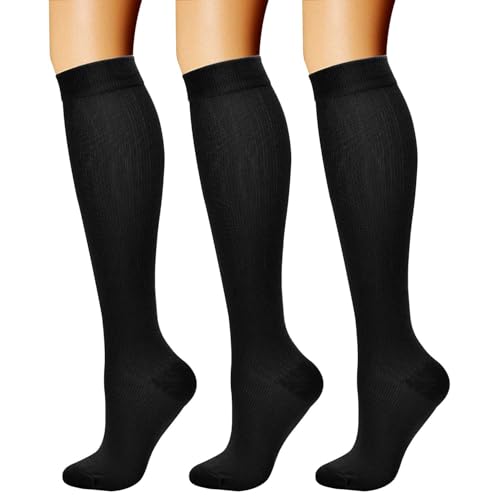
Compression Socks 3-Pack 15-20mmHg
- 15-20mmHg compression reduces leg swelling on flights and long excursion walks
- Three pairs for the cruise week
Long flights to embarkation ports and 20K-step excursion days, compression socks prevent swelling
View on AmazonFor a broader look at Alaska sailing routes, ports, and ship options, explore the Alaska region section of the site.
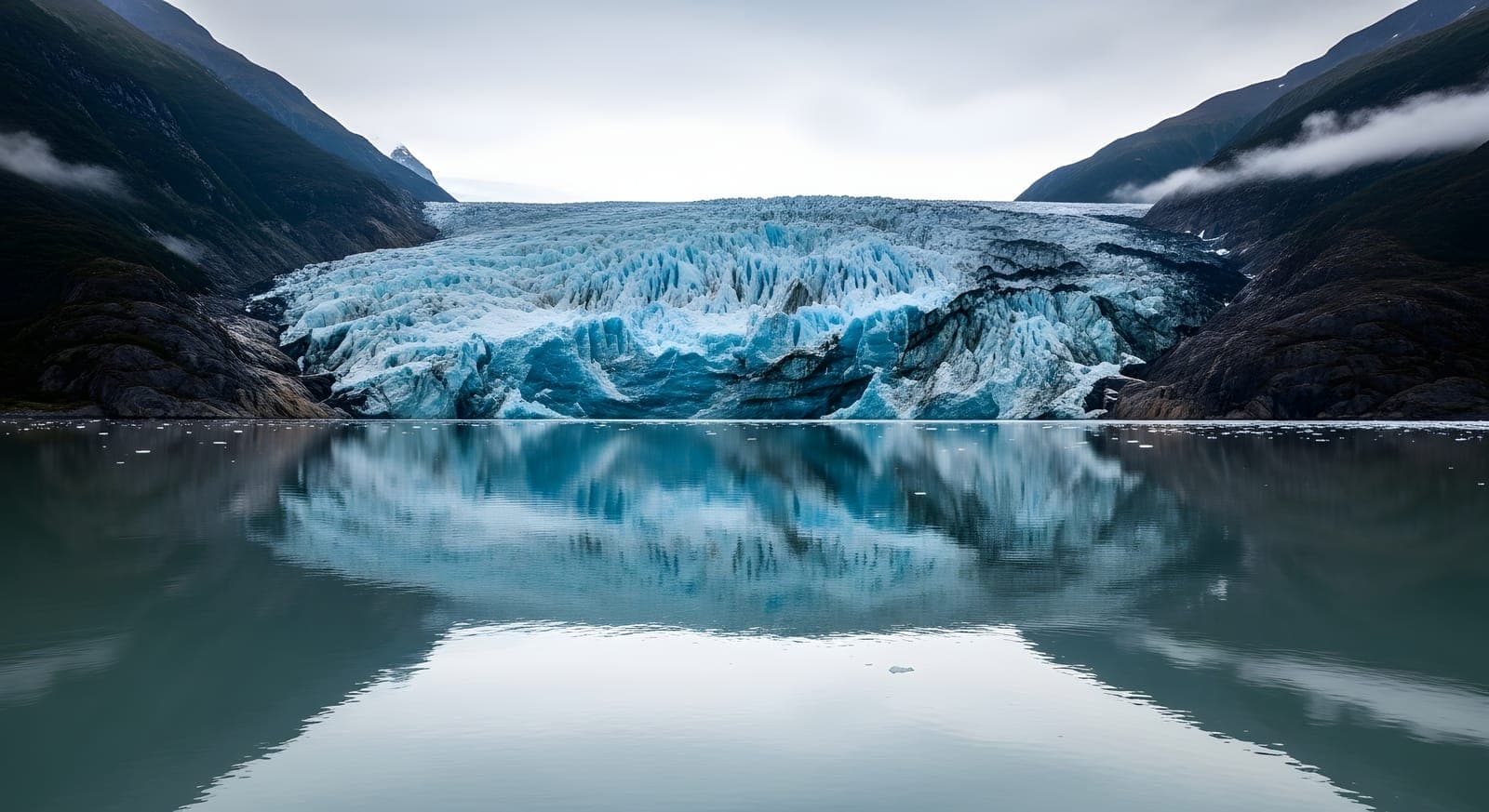
Alaska rewards the people who show up prepared. Pack right, and you'll be on the bow rail in Glacier Bay with binoculars around your neck and hot coffee in your hand when Margerie Glacier calves a building-sized chunk of ice into the sea in front of you. That's an experience worth dressing properly for.