Alaska draws a different kind of cruiser. You're not here for the pool deck or the waterslides. You're here because few places on earth put wilderness this close to your breakfast. You can watch a humpback surface between spoonfuls of oatmeal, then spend your afternoon on a glacier the size of Manhattan. The infrastructure of a cruise ship, comfortable cabin, reliable meals, everything handled, combined with scenery this raw is a pairing that genuinely doesn't exist anywhere else.
This guide covers the two main routes, the ports worth your time, when to go, and how to actually see the wildlife and glaciers rather than just drift past them.

Unigear Waterproof Dry Bag with Whistle
- Waterproof dry bag with included emergency whistle
- Multiple size options
The included whistle adds a safety element for open-water excursions
View on Amazon
G4Free Lightweight Packable Daypack
- Folds into its own pocket for zero suitcase space
- 20L capacity fits water, snacks, camera, and sunscreen
Packs flat in your suitcase, expands into a full daypack for excursions
View on Amazon
Ultra Lightweight Packable Backpack
- Ultra-lightweight design weighs just a few ounces
- Folds into a compact pouch
At just a few ounces, there is zero excuse not to bring a daypack
View on Amazon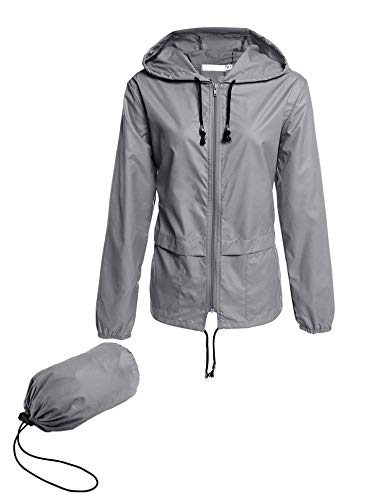
Women's Packable Rain Jacket
- Packs into its own pocket
- Waterproof and windproof for unexpected Caribbean showers and Alaska drizzle
Tropical showers come fast and hard, a packable jacket saves your excursion outfit
View on AmazonReady to book Alaska? Browse current Alaska cruise deals on Cruisebound. Compare Inside Passage and Gulf of Alaska itineraries with live pricing.
The Two Main Routes: What You're Actually Choosing Between
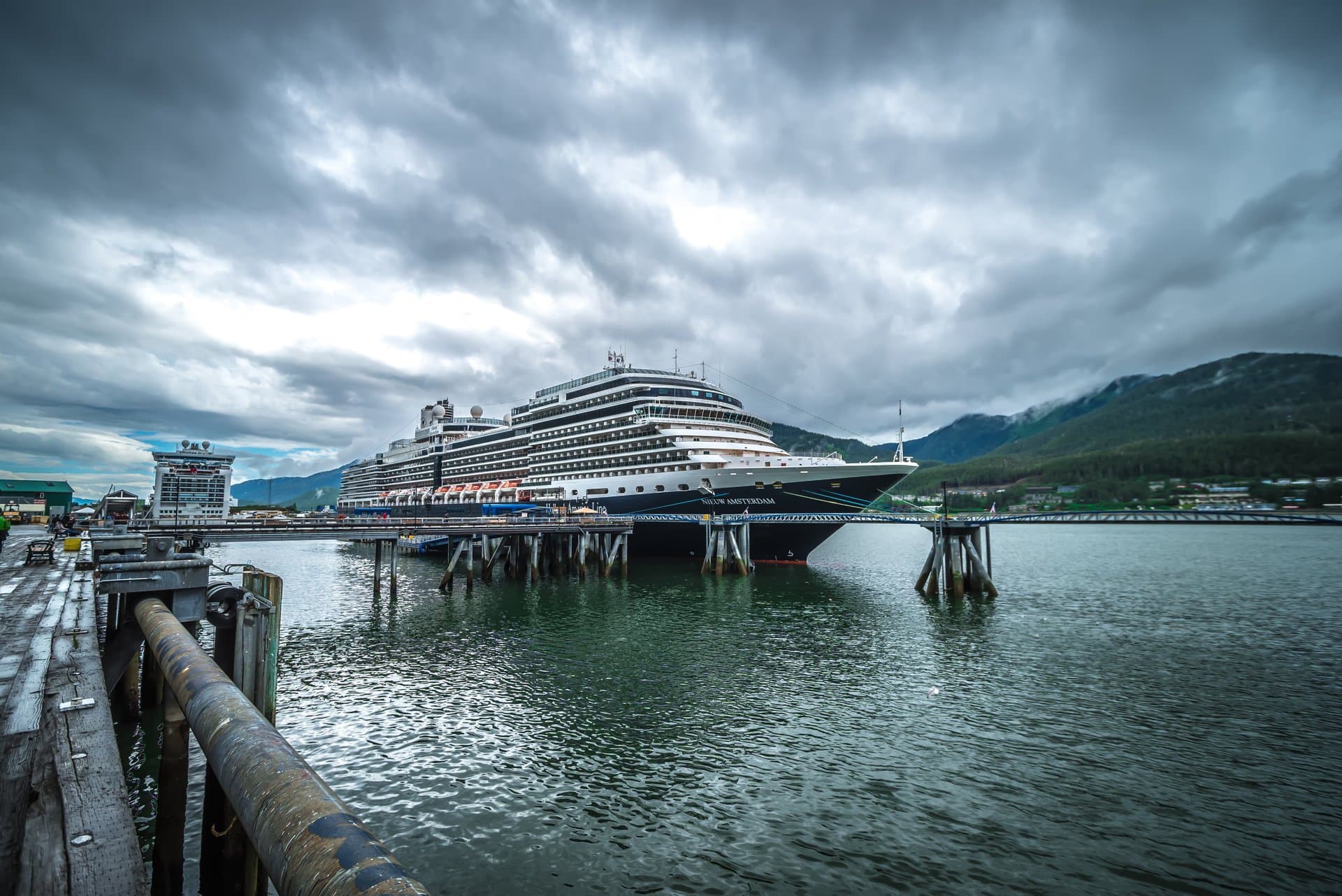
The most important Alaska cruise decision comes before you pick a ship. The route shapes everything: what you see, how long you're at sea, what flights you need.
Inside Passage: The Classic Alaska Route
The Inside Passage route sails north through a chain of islands, fjords, and narrow channels that form a natural corridor between Vancouver Island and the Alaskan mainland. Ships typically depart from Seattle or Vancouver, sail north through the Inside Passage calling at Ketchikan, Juneau, and Skagway, then cruise into Glacier Bay or Tracy Arm Fjord before returning south on the same corridor. You can track cruise ships sailing the Inside Passage live on our map.
What it means for you:
Round-trip: fly in and out of the same city, which simplifies logistics and cost
Calmer seas. The sheltered waterways mean Inside Passage sailings are gentler than open-ocean routes
Seven-night voyages fit a standard travel week without forcing extra vacation days
Strong lineup of ports (Ketchikan, Juneau, Skagway) on every standard itinerary
The tradeoff is that you cover the same geography coming and going, and you miss the Gulf of Alaska glacier systems on the eastern side of the state.
Pro tip: Inside Passage cruises from Seattle add a full day of scenic Puget Sound and Canadian coastal sailing that Vancouver departures skip. If you enjoy the sailing itself, the extra day is worth it.
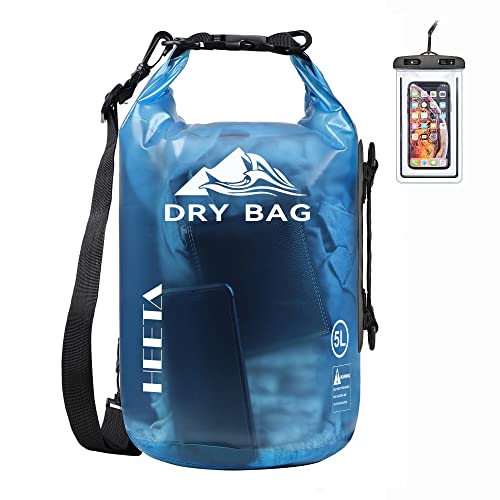
HEETA 20L Waterproof Dry Bag
- Roll-top 20L dry bag keeps everything waterproof for snorkeling, kayaking, and beach excursions
- Shoulder strap for easy carrying
Essential for water excursions, protects electronics and dry clothes on the boat
View on AmazonGulf of Alaska: One-Way and Open Ocean
Gulf of Alaska sailings run one-way between Vancouver (or Seattle) and Seward, the port for Anchorage. They cross open Pacific waters, visit the Gulf-side glacier systems, Hubbard Glacier, Columbia Glacier, or College Fjord, and end or begin in Interior Alaska, which lets you add Denali or Kenai Fjords to your itinerary.
What it means for you:
One-way sailing requires two flights (or a flight and ferry), which adds cost and planning
Open-ocean crossing means rougher seas between Yakutat Bay and Seward. Not miserable, but noticeably more motion than the Inside Passage
You can combine with a land tour of Interior Alaska through cruise-tour packages, which are genuinely spectacular
Different glacier experience: Hubbard Glacier is a single massive tidewater glacier that produces dramatic calving events; College Fjord shows a dozen named glaciers in one bay
Best for: Anyone who wants to combine a cruise with Denali or the Kenai Peninsula, or anyone specifically drawn to Hubbard Glacier.
Alaska Cruise Season: Month by Month
Alaska's cruise season runs from early May through late September. The differences between months matter more here than on Caribbean or Mediterranean sailings.
Month | Temperature | Crowds | Wildlife | Value |
|---|---|---|---|---|
May | 45–58°F | Low | Good (whales return) | Best fares |
June | 52–62°F | Building | Excellent | Mid-range |
July | 55–65°F | Peak | Peak | Highest fares |
August | 55–63°F | High | Very good | High |
September | 48–58°F | Falling | Good | Good value |
May is underrated. The landscape is still green from snowmelt, whale sightings are common as humpbacks return to feeding grounds, and you'll share ports with a fraction of July's crowds. Temperatures are genuinely chilly, pack accordingly, but inside cruise ships are warm, and you'll spend a lot of time outdoors regardless.
July is peak for a reason: the longest daylight (18+ hours in Juneau), warmest temperatures, and clearest skies. It's also the most expensive month and the most crowded. Major ports like Juneau can see three ships simultaneously, which compresses the downtown area significantly.
September is the local favorite. Summer crowds have thinned, fares drop, and the landscape shifts into fall color. Glacier viewing is still excellent. Whale feeding activity remains strong as animals fatten up before migration.
Glacier Viewing: How to Actually Make the Most of It
Glaciers are the centerpiece of any Alaska cruise, but how you experience them makes an enormous difference.
Glacier Bay National Park
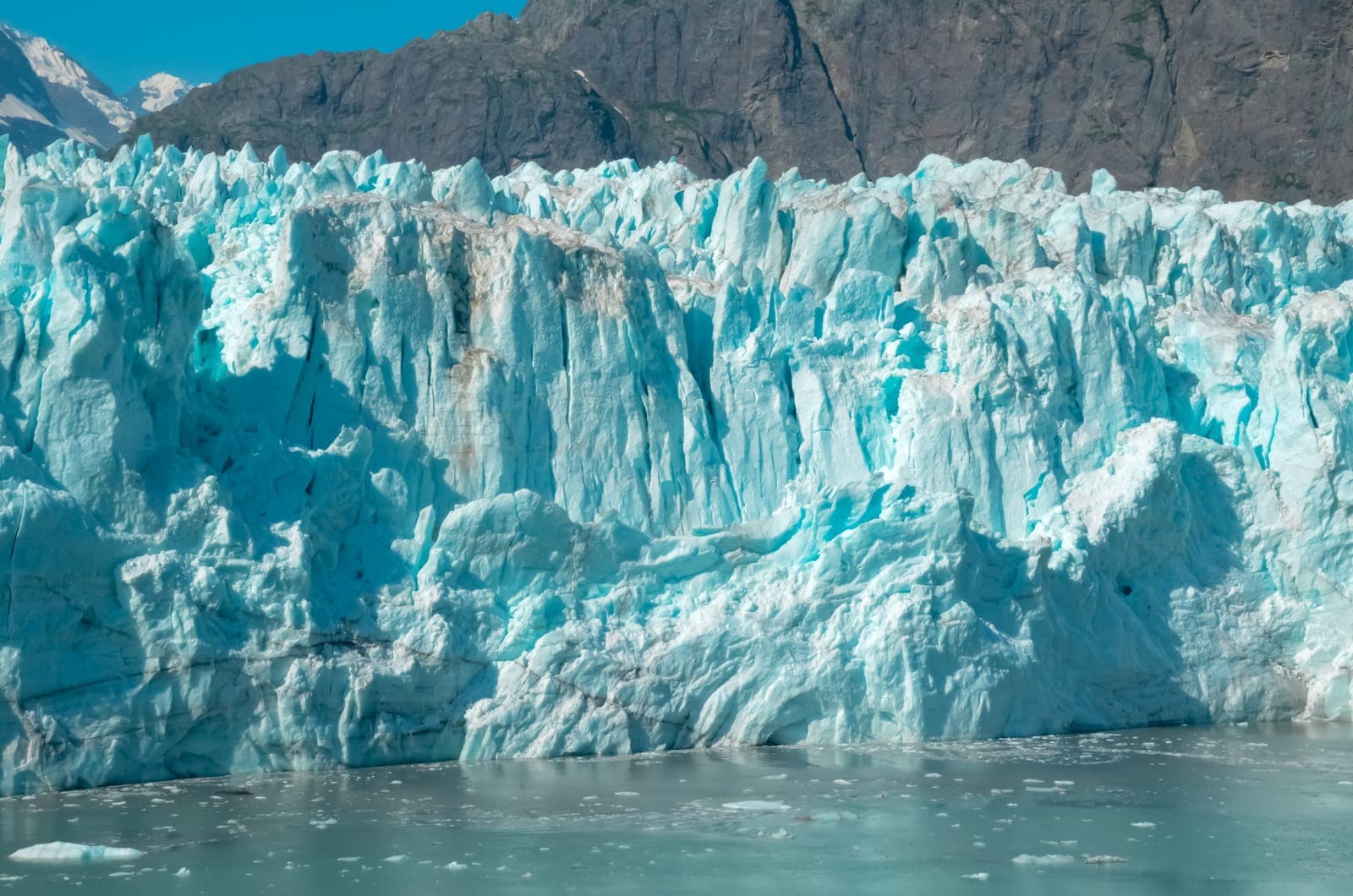
Glacier Bay is the flagship experience of the Inside Passage. Ships enter the park in the early morning and spend six to eight hours slowly sailing through the bay, narrated by a National Park Service ranger who boards at the park entrance. You'll pass Johns Hopkins Glacier, Margerie Glacier (which calves regularly), and the vast sculpted walls of the fjord.
Position yourself on the ship: The ship circles in Glacier Bay, so both sides get views. Margerie Glacier is typically on the port (left) side northbound. Upper decks give broader panoramas; lower decks get you closer to the calving sound when ice crashes into the water. Check the daily program for which side the ship will favor during peak glacier time.
Dress for it: Even on a 65°F day, the temperature near the glaciers drops sharply with the wind off the ice. Full waterproofs, a warm mid-layer, and gloves. Most passengers who go up underdressed come back below within twenty minutes.
Pro tip: Set an alarm for 6 AM on Glacier Bay day. The early morning light hits the glaciers at an angle that photographers specifically target, and the main deck is empty. By 8 AM, the best vantage points are crowded.
Tracy Arm Fjord (Inside Passage alternative)
Some Inside Passage itineraries substitute Tracy Arm Fjord for Glacier Bay. Tracy Arm is narrower and more dramatic in terms of sheer cliff scenery, the walls close in on either side and ice chunks (bergy bits) fill the water, but ships can't always reach Sawyer Glacier at the head due to ice conditions. If your ship offers a choice, Glacier Bay is the more reliably excellent experience.
Hubbard Glacier (Gulf of Alaska)
Hubbard is the largest tidewater glacier in North America. It spans nearly seven miles across at its face and advances into the sea rather than retreating. Unusual for a glacier in the current era. Ships position close to the face and drift while passengers watch. Calving events, chunks of ice the size of buildings crashing into the water, are common and genuinely astonishing.
Wildlife Spotting: Where and When
Alaska wildlife viewing isn't passive. Ships announce whale sightings over the intercom, which signals a stampede to the rail. A few strategies help.
On the ship:
Humpback whales are most frequently seen in Frederick Sound (northbound between Ketchikan and Petersburg) and Chatham Strait. Both are regular sighting zones in June through September.
Orca pods are spotted less frequently but do appear, particularly near the Islands in Chatham Strait.
Bald eagles are visible on every sailing. Perched in trees along the shore, riding thermals above ports, and fishing along the waterline.
On shore excursions:
Whale watching by small boat (Juneau): Small-vessel whale watching puts you at water level, close to the whales in a way that's impossible from a cruise ship deck. Juneau whale watching has among the highest success rates of any whale watching destination in North America.
Brown bear viewing (Haines or Ketchikan): Floatplane or small boat excursions to bear-viewing areas during salmon run season (July–August) provide encounters that are difficult to replicate. Bears fishing for salmon in a river, ten feet away, is a thing you remember.
Sea kayaking: Paddling through calm coves near Sitka or Juneau puts you at water level with sea otters, harbor seals, and Steller sea lions in a way no motorized excursion does.
Port Highlights
Juneau. The Capital Without Roads
Juneau is Alaska's state capital and, uniquely, is inaccessible by road. You get there by air or sea. That isolation has kept it from sprawling, and what you get is a compact, walkable city backed by the Tongass National Forest and the Mendenhall Glacier.
What's worth doing:
Mendenhall Glacier: The glacier is a 12-mile drive from downtown and easily reached by shuttle. The visitor center has excellent glacier geology exhibits; the trail to Nugget Falls gives you a close view of the ice face. It's free with the shuttle fare.
Mt. Roberts Tramway: The tram rides up 1,800 feet in four minutes for a view over Gastineau Channel. There's a restaurant and hiking trails at the top. Worth it in clear weather; skip it in thick cloud.
Whale watching: See the wildlife section above. Juneau whale watching is the best value shore excursion in Alaska for first-time visitors.
Tracy's King Crab Shack: Unpretentious shed on the waterfront, consistently excellent king crab. Worth the line.
Pro tip: Walk the cruise ship pier area briefly and then get away from it. Franklin Street is pleasant; the alley shops behind it are tourist traps. Head uphill toward the residential neighborhoods for a more authentic feel and great views back toward the water.
Skagway. The Gold Rush Town
Skagway's entire identity is built around the Klondike Gold Rush of 1898, when it served as the jumping-off point for miners heading over the White Pass into the Yukon. The downtown is a National Historic District, and the buildings are largely original or faithful reconstructions.
What's worth doing:
White Pass & Yukon Route Railway: This is the excursion in Skagway and one of the best in Alaska. The narrow-gauge railroad climbs nearly 3,000 feet in 20 miles, threading switchbacks blasted through granite in 1898. The views are extraordinary. Book early. This sells out weeks in advance.
Chilkoot Trail day hike: The first two miles of the historic Chilkoot Trail follow the path miners used. You don't need to commit to the full multi-day trek; the lower section gives you gold rush history and excellent mountain scenery.
Downtown walking: Skagway's Broadway Street is genuinely historic and compact. Allow an hour to walk it without rushing into shops.
Reality check on Skagway: It's a small town of around 1,000 people that receives up to four cruise ships simultaneously in peak season. The main street can feel more like a theme park than a town on busy days. The White Pass railway solves this. It gets you out of town and into the landscape immediately.
Ketchikan. The Rain Capital
Ketchikan receives more rainfall than almost any city in the US. Around 150 inches annually. Pack accordingly and don't let rain ruin your expectations. Ketchikan is compact, colorful, and has the largest collection of standing totem poles in the world.
What's worth doing:
Totem Bight State Historical Park: Fifteen original and restored totem poles set among Sitka spruce and hemlock, with a traditional Tlingit community house. A legitimate cultural site, not a manufactured tourist attraction.
Misty Fjords National Monument: A floatplane excursion into Misty Fjords is one of Alaska's great hidden experiences. The 2.3-million-acre monument is accessible almost exclusively by air or small boat. Sheer granite walls rising 3,000 feet from the water, unmarked by development. On a clear day, it's unforgettable.
Creek Street: Historic boardwalk built over Ketchikan Creek, once the town's red-light district, now lined with galleries and shops. The salmon viewing platforms over the creek (July–September) are genuinely excellent.
Salmon fishing: Ketchikan is one of the world's top salmon fishing destinations. Half-day fishing charters are a worthwhile excursion if fishing interests you at all.
Glacier Bay National Park (Scenic Cruising)
Ships don't dock in Glacier Bay. It's a scenic cruising day spent inside the national park. See the glacier viewing section above for how to make the most of the day.
What to Pack: Alaska-Specific Essentials
Alaska packing is different from any other cruise destination. The gaps people regret are usually in cold-weather and waterproof gear.
Non-negotiable:
Waterproof outer shell (jacket and pants)
Waterproof walking shoes or light hiking boots. Deck shoes will be soaked within a morning
Warm mid-layer (fleece or down). Glacier days are cold regardless of air temperature
Gloves and a hat. Even in July
Binoculars. Wildlife viewing from the deck without them is frustrating
Nice to have:
Layers of merino wool (odor-resistant, warm when damp)
Dry bags for electronics on small-boat excursions
Sea-sickness medication, Gulf of Alaska open-water crossings can be rough
Skip:
Formal cruise wear, Alaska cruises are universally casual, and most ships relax dress codes accordingly
Planning Your Alaska Cruise: Practical Notes
Booking timing: Alaska cruises sell out faster than Caribbean sailings, particularly for peak July sailings and popular excursions like the White Pass railway. Book 6–9 months in advance for summer trips. Shoulder season (May, September) has more availability.
Shore excursion strategy: Book the White Pass railway, Juneau whale watching, and any flightseeing well in advance. Walk-up availability for these is rare. For other ports, third-party operators in Juneau (Allen Marine, Harv & Marv's) and Ketchikan run excellent tours at 20–40% below ship prices.
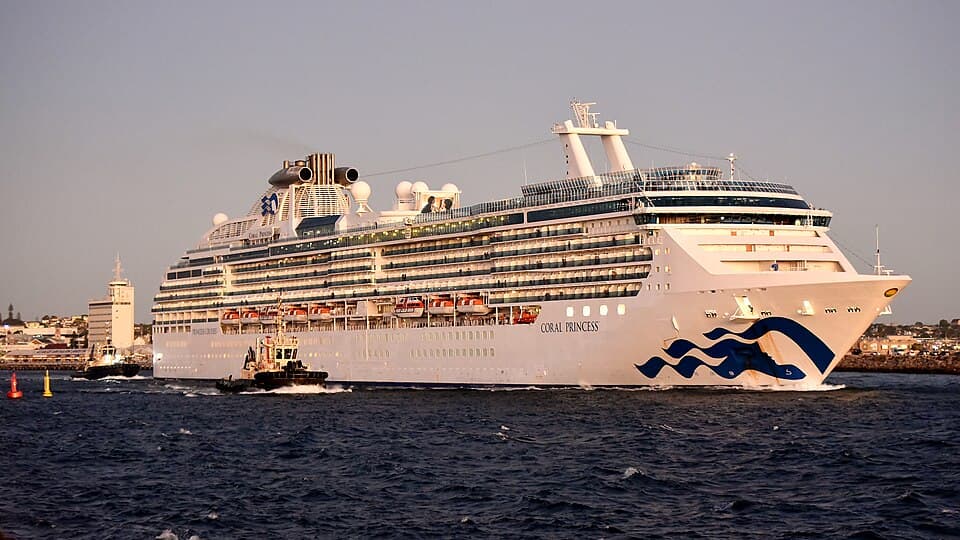
Cruise lines for Alaska: Princess Cruises and Holland America Line have the deepest Alaska expertise, they've sailed these routes for decades and their naturalist programming reflects it. Celebrity Cruises runs excellent Edge-class ships on Inside Passage routes. Norwegian Cruise Line offers strong value with flexible dining.
Compare ships: Use our ship comparison tool to evaluate Alaska-deployed vessels by size, cabin types, and passenger ratios, smaller ships provide meaningfully better wildlife viewing from deck.
Explore all Alaska ports in our ports database and Alaska cruise ships to see what's sailing the season you're planning.