
Accessible cruising has more infrastructure than most first-time cruisers with mobility or medical needs expect, but the packing list still needs to cover gaps the ship doesn't: medication organization for a multi-day trip, backup mobility supplies, and documentation for anything requiring proof or a doctor's note.
Medication management for a multi-day trip
Cruises with irregular schedules, time zone changes, and long excursion days make it easy to lose track of whether you took a morning dose. A LANDNEOO 14-Grid Pill Organizer covers a full two-week sailing at a glance, while a Holii Travel Pill Organizer works better for a shorter trip or as a smaller daily carry option alongside the main organizer.

LANDNEOO 14-Grid Pill Organizer
- 14 compartments cover a full two-week cruise
- AM/PM sections in each day
14 days with AM/PM slots covers even the longest cruise itineraries
View on AmazonPack medication in more than one place
Splitting medication between a carry-on and a checked bag protects against the scenario where checked luggage is delayed getting to your cabin on embarkation day. Keep at least a day or two of essential medication in whatever bag stays with you at all times through embarkation.
First aid beyond what the ship's medical center covers
Ship medical centers charge for visits and are meant for genuine emergencies, not routine first aid. A Large First Aid Kit Travel covers minor cuts, blisters from a day of walking excursions, and other small issues without a trip to the infirmary, especially useful for longer cruises further from a home pharmacy.

Large First Aid Kit Travel
- Full-size travel kit with advanced supplies including splints and emergency blanket
- Organized compartments for quick access
For families or adventure excursion cruisers who want full coverage
View on AmazonCompression for circulation on long travel days
Reduced mobility and long periods of sitting, on flights, during embarkation waits, or on longer excursions, increase the value of compression garments for circulation. Compression Socks 3-Pack 15-20mmHg are worth packing regardless of whether you have a diagnosed condition, since travel days are longer and less mobile than a normal day at home.
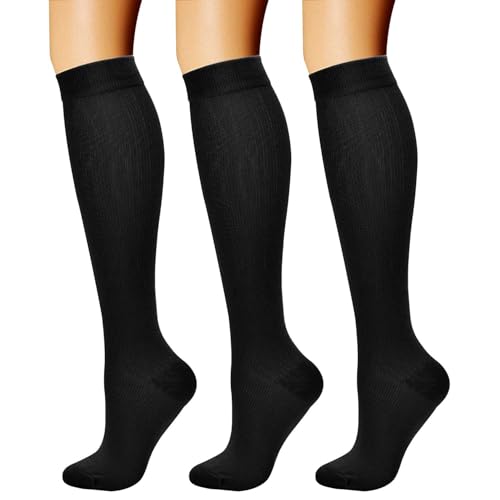
Compression Socks 3-Pack 15-20mmHg
- 15-20mmHg compression reduces leg swelling on flights and long excursion walks
- Three pairs for the cruise week
Long flights to embarkation ports and 20K-step excursion days, compression socks prevent swelling
View on AmazonDocumentation matters more for accessible travel
Cruise lines and excursion operators often require advance notice or documentation for specific accommodations, from mobility equipment storage to dietary needs. A Family Passport Holder Waterproof keeps medical documentation, doctor's notes, and prescription details together with your travel documents, so nothing gets left behind at check-in or a shore excursion desk.

Family Passport Holder Waterproof
- Holds multiple passports and travel documents in one waterproof case
- RFID blocking for all slots
Embarkation day with 4 passports, cruise docs, and boarding passes, one case keeps it sane
View on AmazonMotion sensitivity needs its own plan
Motion sensitivity can compound with existing medical conditions or medications in ways worth discussing with a doctor before sailing. Sea-Band Acupressure Wristbands offer a drug-free option that doesn't interact with other medications, which matters if you're already managing a complex prescription list.

Sea-Band Acupressure Wristbands
- Clinically tested acupressure wristbands work without medication
- No drowsiness side effects
The go-to drug-free seasickness solution recommended by cruisers worldwide
View on AmazonCall the cruise line's accessibility desk before you pack
Every major cruise line has an accessibility or special services department that can confirm cabin accommodations, equipment rental options on board, and any documentation needed in advance. This step matters more than any single item on a packing list, since it determines what the ship can provide versus what you need to bring yourself. Browse cruises and check the accessibility details listed before booking a specific sailing.
How to choose gear that works with mobility equipment
Prioritize gear that fits on or alongside a wheelchair or scooter without adding significant bulk, since storage space in an accessible cabin is often allocated around the equipment itself, leaving less room than a standard cabin for extra bags or organizers. A slim, low-profile bag that straps to equipment handles is more practical than a bulky standalone tote.
Ignore product claims about being "universally compatible" with mobility devices without checking the specific mounting or clip mechanism against your own equipment. A bag or organizer that clips onto a standard wheelchair frame may not fit a scooter's tiller or a different chair model's grip width, so check dimensions and mounting style rather than trusting general compatibility language.
For tender-boat excursions specifically, check in advance whether the port and excursion actually accommodate mobility equipment, since not every tender or small port landing is equipped for a wheelchair or scooter transfer. This is a case where the cruise line's accessibility desk matters more than any single piece of gear you could pack, since some port stops simply aren't accessible regardless of preparation.
Battery-powered mobility equipment needs its own charging plan, since standard cabin outlets and even accessible cabins may have limited charging points shared with medical devices, phones, and cameras. Confirm with the accessibility desk whether your equipment's charger is compatible with the ship's standard voltage and outlet type before you sail, rather than assuming it will simply work.
Choose organizational gear, pill cases, document holders, that doesn't require fine motor precision to open and close if dexterity is a factor, since a fiddly latch or a small zipper pull that's easy to use at home can become a genuine daily frustration on a moving ship. Look for larger pull tabs, magnetic closures, or wide zipper pulls where dexterity is a consideration.
Common mistakes with accessible cruise packing
The most common mistake is not confirming mobility equipment charging compatibility before the trip, assuming any standard outlet works the same as at home, and then discovering a voltage or plug mismatch once aboard. Contact the accessibility desk well in advance to confirm both cabin outlet specifications and any backup charging options available on the ship.
Packing all medical documentation in a single bag without a backup copy is a frequent oversight, since a lost or misplaced bag on embarkation day can leave you without proof of a needed accommodation at exactly the moment it matters most. Keep a photographed or scanned backup of key documents on a phone in addition to the physical copies.
Assuming every port and shore excursion is equally accessible is a common misstep that leads to disappointment on excursion day. Accessibility varies significantly by port infrastructure and by individual excursion operator, so confirm accessibility specifics for each planned stop rather than assuming the whole itinerary matches the ship's own accessible accommodations.
Not testing a portable mobility aid, a folding cane, a lightweight walker, in the actual cabin bathroom layout before the trip can lead to a poor fit discovery once aboard, since cabin bathrooms are noticeably smaller than a typical hotel bathroom. Requesting specific cabin dimensions or a virtual tour from the cruise line in advance helps set expectations before you're already on board.
Underestimating how much a rocking ship affects balance and medication timing, particularly for conditions sensitive to motion, is a mistake worth discussing with a doctor before sailing rather than adjusting on the fly mid-cruise. Build in a buffer for how motion and altered mealtimes might interact with a regular medication schedule before you depart.
Common questions
Do cruise ships provide mobility equipment rentals?
Many ships and third-party services offer wheelchair, scooter, and other mobility equipment rentals for the cruise, but availability, cost, and advance notice requirements vary significantly by line. Contact the cruise line's accessibility desk well before your sailing to confirm options.
How should I pack medication for a cruise?
Split medication between your carry-on and checked luggage in case one is delayed, keep a copy of prescriptions with your travel documents, and use a labeled pill organizer sized to your trip length to reduce the chance of a missed or doubled dose.
Do cruise lines require documentation for accessibility accommodations?
Many do for specific accommodations like accessible cabins, mobility equipment, or certain dietary or medical needs, though requirements vary by line. Contact the cruise line's special services or accessibility department directly before booking or well before sailing to confirm current requirements.
Are all shore excursions wheelchair or scooter accessible?
No, accessibility varies significantly by port and by individual excursion operator, since some ports use tender landings or have limited paved access away from the main pier. Confirm accessibility for each specific planned excursion with the cruise line or the operator directly rather than assuming the whole itinerary is uniformly accessible.
What should I pack as backup for mobility equipment on a cruise?
A basic repair kit for minor equipment issues, spare fuses or a portable pump for certain wheelchair types, and confirmed contact information for the ship's medical center and the equipment rental provider if applicable. Check with your equipment's manufacturer for a cruise-specific travel checklist before you sail.
Call the accessibility desk first, then pack around what the ship can and can't provide. Medication organization, a basic first aid kit, and keeping documentation together with your travel papers cover most of what a standard packing list misses. See our wheelchair accessibility guide for cabin and ship-specific details, and check ships for accessible cabin availability before booking.