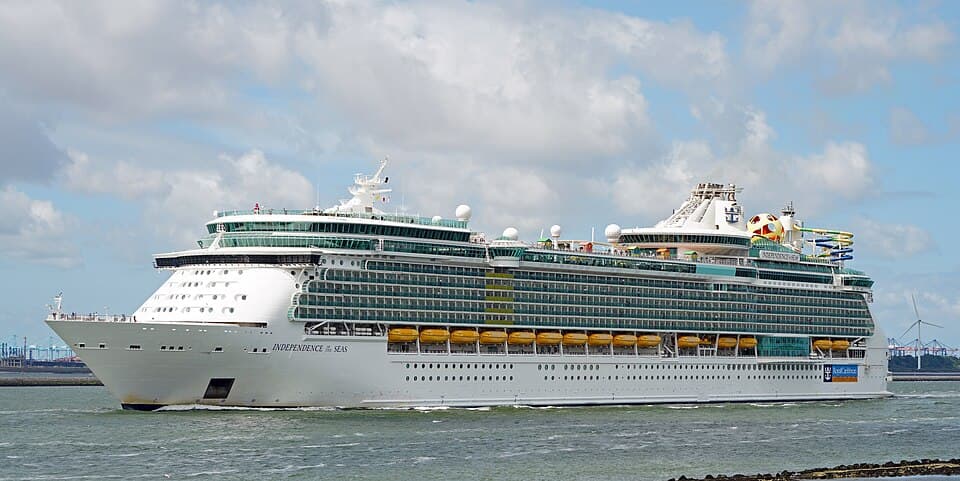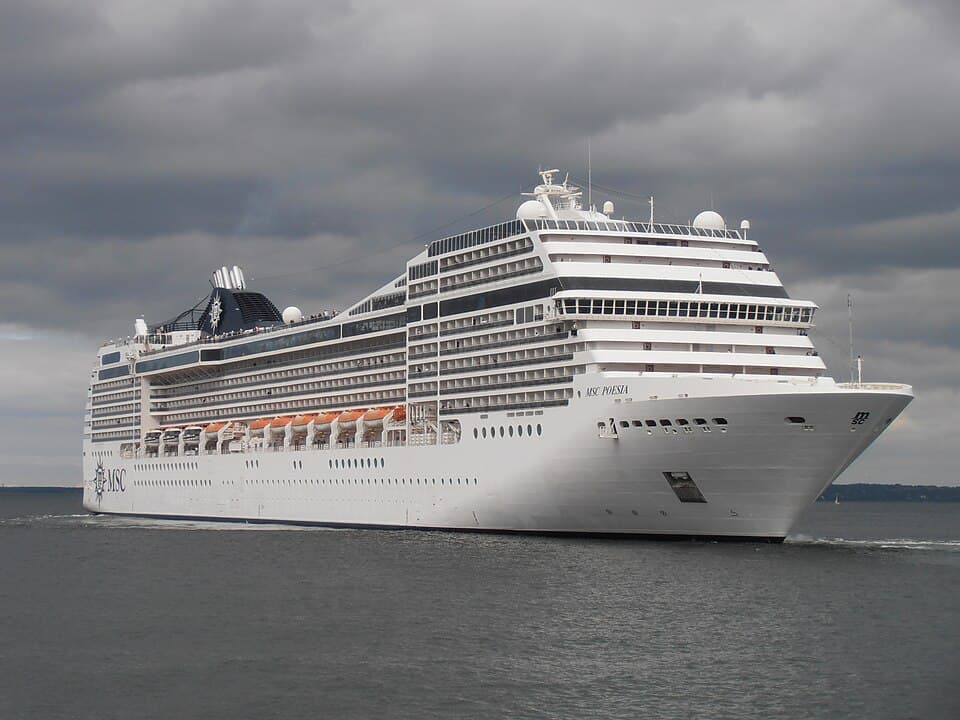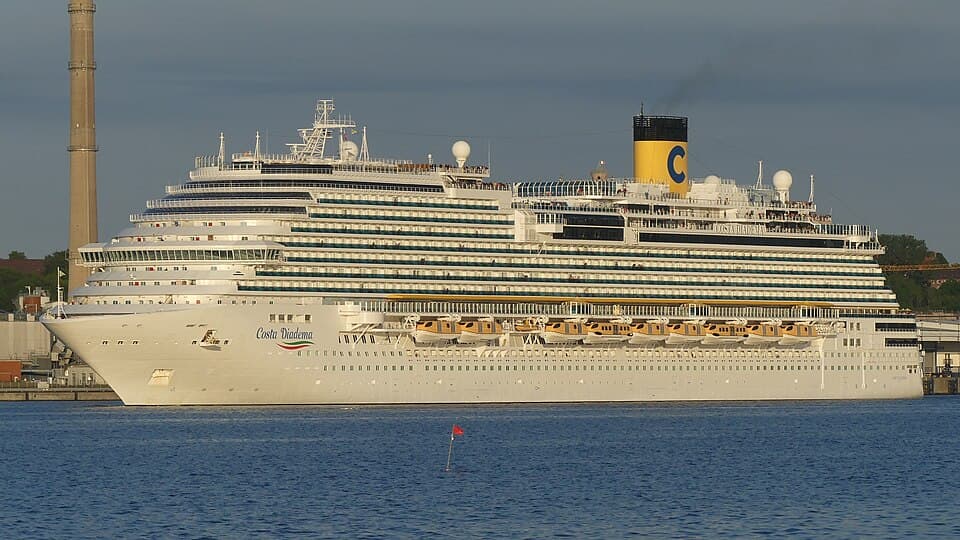
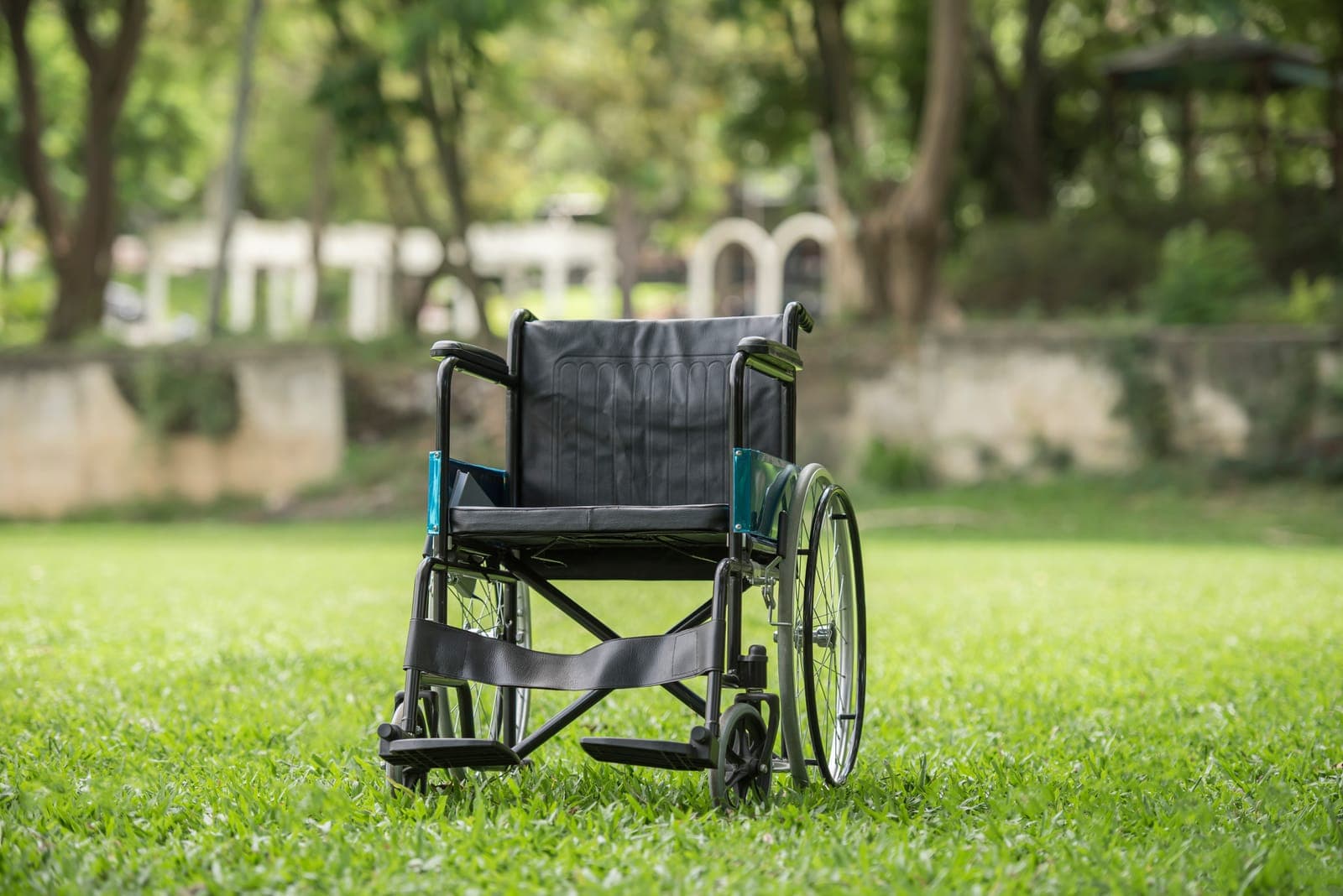
Cruising is one of the most accessible vacation formats available. Your hotel room, restaurants, entertainment, and transportation are all in one place, and modern cruise ships are designed with mobility in mind. But "accessible" doesn't mean "effortless." There are real challenges, real planning requirements, and real differences between cruise lines.
This guide is written for wheelchair users, scooter users, and anyone with mobility limitations who wants honest, practical information about what cruising looks like when you can't take the stairs.
Ready to book a cruise? Browse 12,000+ live cruise deals on Cruisebound. Filter by destination, length, cabin type, and departure port to see today's pricing before you keep reading.
Most Accessible Cruise Lines Ranked
1. Royal Caribbean: Best Overall Accessibility
Royal Caribbean has made accessibility a genuine priority, particularly on their newer ships. What sets them apart:
Accessible cabin count: 20-30+ accessible staterooms per ship on Oasis-class and Icon-class vessels
Doorway width: 32-36 inches on accessible cabins (standard cabin doorways are 22-24 inches)
Pool lifts: Available at multiple pool locations on most ships
Show lounges: Designated wheelchair areas with clear sightlines in all major entertainment venues
Elevators: Multiple banks of elevators throughout the ship, including glass elevators with Braille controls
Accessible tenders: Crew-assisted transfers available at most tender ports (weather permitting)
Guest accessibility department: Dedicated team reachable at 866-592-7225 or accessiblity@rccl.com
Best Royal Caribbean ships for accessibility: Icon of the Seas, Wonder of the Seas, Odyssey of the Seas (all built within the last 5 years with the latest ADA-compliant design standards).
2. Celebrity Cruises: Best Premium Accessible Experience
Celebrity (same parent company as Royal Caribbean) shares many accessibility standards with their sister brand, with a more upscale atmosphere:
Accessible cabins: 16-24 per ship on Edge-class vessels
The Retreat (suite area): Fully accessible, including the private pool area
Magic Carpet (cantilevered platform): Wheelchair accessible with ramp access
Dining: All restaurants accessible; menus available in large print and Braille on request
Infinity Pool on Edge-class: Pool lift available
3. Norwegian Cruise Line: Good Accessibility, Improving
Norwegian's newer ships (Prima-class, Breakaway-Plus-class) have strong accessibility features. Older ships (pre-2013) are more limited.
The Haven: Accessible Haven suites available on most ships
Freestyle dining: No fixed dining times means flexible scheduling around energy levels and mobility needs. A genuine advantage for passengers who need rest periods
Accessible cabins: 14-20 per ship on newer vessels
Public areas: Ramp access throughout, though some older ships have occasional step-up thresholds in bars and lounges
4. Disney Cruise Line: Family Accessibility Focus
Disney's accessibility is strong, with particular attention to families with disabled children:
Accessible cabins: 12-16 per ship
Kids' clubs: All Oceaneer Club and Lab areas are wheelchair accessible
Character meet-and-greets: Priority access lines for guests with disabilities
Pools: Pool lifts available; AquaDuck/AquaMouse water attractions are not wheelchair accessible
5. Holland America Line: Older Ships, Reasonable Access
Holland America's fleet includes some older ships where accessibility is more limited. Newer Pinnacle-class ships (Nieuw Statendam, Rotterdam) are significantly better.
Accessible cabins: 10-20 per ship
Specialty dining: Most restaurants accessible, though some have steps at entrances (staff will assist)
Promenade deck: Full wrap-around promenade is smooth and wide. Excellent for wheelchair users who want outdoor air
Accessible Cabin Features
Accessible cabins (sometimes called "handicap accessible" or "ADA-compliant" cabins) are specifically designed for wheelchair and scooter users. Standard features include:
Bathroom
Roll-in shower with no threshold (flat entry)
Fold-down shower bench and handheld showerhead
Grab bars around the toilet and shower
Raised toilet (ADA-compliant height, 17-19 inches)
Lowered sink with knee clearance underneath
Emergency pull cord that alerts the cabin steward
Cabin Space
Wider doorway (32-36 inches vs. 22-24 inches standard)
Wider bathroom doorway (32+ inches)
Turning radius of 60 inches (5 feet). Enough for a standard wheelchair to turn
Lowered closet rods and accessible shelving
Lowered safe, thermostat, and light switches
Accessible balcony with a ramped threshold (on balcony-category accessible cabins)
What's NOT Different
Bed height is the same as standard cabins (adjustable on request on some lines)
TV and entertainment systems are the same
Square footage is typically 20-40% larger than a standard cabin in the same category to accommodate the turning radius
Pro Tip: Accessible cabins are located on specific decks and in specific locations (usually midship, near elevators). They book out months in advance. Especially on popular sailings. Book 6-12 months ahead for the best selection.

Mifaso Cruise-Approved Power Strip
- Cruise-approved (no surge protector) with multiple USB ports
- Compact design fits perfectly on the narrow cabin nightstand
Cruise cabins have limited outlets, this solves the charging problem without tripping ship safety rules
View on AmazonGetting On and Off the Ship
Embarkation (Boarding Day)

Cruise Door Organizer 24 Pockets Magnetic
- 24 clear pockets attach magnetically to the metal cabin door
- Holds sunscreen, lanyards, snacks, and small items
The single most recommended cruise hack, turns your cabin door into instant storage
View on Amazon
DIYMAG Magnetic Hooks 6-Pack
- Super-strong neodymium magnets stick to cabin walls and ceilings
- Hang hats, bags, towels, and lanyards anywhere
Cruise cabin walls are steel, magnetic hooks turn every surface into storage
View on Amazon
5-Pack Cruise Lanyards Waterproof
- Waterproof holders protect your cruise card at the pool and on excursions
- Five lanyards for the whole family
Your cruise card is your key, wallet, and ID, a waterproof lanyard keeps it safe and accessible
View on AmazonWheelchair users receive priority boarding on most cruise lines. The process:
Drop off luggage at the port terminal curbside (porters will handle checked bags)
Enter the terminal through the accessible entrance. All major cruise terminals are ADA-compliant
Check-in at the priority/accessible check-in desk (shorter line, seated waiting area)
Board the ship via the gangway. Gangways on modern ships are ramped and wide enough for wheelchairs. At some ports, the gangway angle can be steep depending on the tide. Crew members will assist.
Go to your cabin via elevator. Your accessible cabin will be ready, and your wheelchair/scooter can be stored inside.
Disembarkation (Final Day)
Priority disembarkation is standard for guests with mobility needs. You'll be among the first groups called, typically before the general passenger flow begins.
At Ports of Call (Dock Ports)
At dock ports, disembarkation is straightforward. The gangway connects directly to the pier. The same tide-dependent gangway angle applies, and crew will assist.
Wheelchairs and scooters can go ashore at dock ports. However, port infrastructure varies widely:
Well-paved ports (Barcelona, San Juan, Juneau): Smooth surfaces, accessible sidewalks
Rough ports (some Caribbean islands, smaller Mediterranean ports): Cobblestones, uneven surfaces, steep hills
Research your ports before the cruise. Google Maps Street View is invaluable for checking surface conditions near the cruise terminal.
Tender Port Challenges
Tender ports are the single biggest accessibility barrier in cruising. The transfer process requires:
Moving from the ship's tender platform to a small boat (tender)
Crossing a gap between two moving vessels
Stepping down into the tender
Repeating the process at the shore dock
For ambulatory passengers with limited mobility: Crew members provide arm support, and the transfer is usually manageable in calm seas. In rough seas, it becomes difficult.
For wheelchair users who cannot stand or transfer: Some cruise lines have specialized crew-assisted transfers using sling-style lifts or manual carries. This is highly dependent on:
Weather conditions (wind and wave height)
The specific tender boat configuration
Crew availability and training
The accessibility of the shore-side dock
The honest reality: At tender ports, wheelchair users are sometimes unable to go ashore. This happens when seas are rough, winds are high, or the shore dock is inaccessible. Cruise lines will tell you at the port meeting the evening before whether the tender transfer is feasible.
How to Minimize Tender Port Issues
Choose itineraries with mostly dock ports. Caribbean itineraries departing from Miami or Fort Lauderdale with stops in Cozumel, San Juan, and St. Thomas are all dock ports. Avoid itineraries with Grand Cayman, Belize, and Santorini if tender access is a concern.
Ask the cruise line's accessibility department about each port on your itinerary before booking. They can tell you which ports have accessible tender docks.
Book ship-sold excursions at tender ports. This gives you priority tendering and crew assistance.
Accessible Shore Excursions
Most cruise lines now offer designated accessible shore excursions at popular ports. These are clearly marked in the excursion catalog and typically feature:
Wheelchair-accessible vehicles (ramp-equipped vans or buses with lifts)
Routes that avoid stairs, steep hills, and rough terrain
Guides trained in assisting passengers with mobility needs
Modified pace and timing
Accessible excursion availability varies by port. Major ports (Barcelona, Rome, San Juan, Juneau, Nassau) have multiple accessible options. Smaller ports may have limited or no accessible excursions.
Independent Accessible Excursions
If ship-sold accessible excursions don't appeal to you, independent accessible tour operators exist at many popular ports. Search for "wheelchair accessible tours [port name]" or check:
Accessible Travel Solutions: Specializes in cruise port excursions for wheelchair users
Wheelchair Travel: Global directory of accessible tour operators
Local tourism boards: Many destinations have accessibility guides with recommended operators
Cost comparison: Ship-sold accessible excursions cost $80-200/person. Independent accessible tours typically run $50-150/person but require more research and self-organization.
Pool Lifts and Accessible Amenities
Swimming Pools
Most modern cruise ships (built after 2010) have pool lifts. Hydraulic chairs that lower you from the pool deck into the water. Availability:
Royal Caribbean: Pool lifts at 1-3 pool locations per ship
Celebrity: Pool lift at the main pool; accessible on Edge-class ships
Norwegian: Pool lift at the main pool on most newer ships
Carnival: Pool lifts on Excel-class and newer Vista-class ships
Disney: Pool lifts available; character pools and water features may not be accessible
Hot tubs are generally not accessible. Their raised edges, small openings, and elevated positions make lift installation impractical.
Fitness Centers
Gym equipment is accessible on most modern ships, with adequate spacing between machines for wheelchair passage. Some ships have accessible weight machines with adjustable seating.
Theaters and Show Lounges
Designated wheelchair areas are available in all main theaters and show lounges. These are typically located on the lowest level of the theater with unobstructed views. Arrive 15-20 minutes early for popular shows to ensure your accessible spot is available.
Spas
Spa treatment rooms are generally accessible, though some specific treatment types (hydrotherapy circuits, steam rooms with step-over thresholds) may not be. Book spa treatments in advance and inform the spa of your needs. They can arrange ground-floor treatment rooms and ensure accessible routing.
Mobility Scooter Policies
Mobility scooters are permitted on all major cruise lines with the following conditions:
You must book an accessible cabin. Scooters cannot be stored in standard cabins. They don't fit through the doorway and there's no floor space.
Scooter dimensions matter. Maximum width is typically 21-24 inches for hallway navigation. Confirm your scooter's width with the cruise line before booking.
Charging: Accessible cabins have standard electrical outlets for charging. Bring your charger and charge overnight.
Embarkation: You can drive your scooter aboard through the gangway. At some ports, you may need to transfer to a wheelchair for the gangway and have your scooter delivered to your cabin by crew.
Public areas: Scooters are allowed everywhere wheelchairs are allowed. Some tight spaces (narrow bar areas, crowded buffet sections) may be difficult to navigate during peak times.
Renting a Scooter for Your Cruise
If you don't own a scooter, several companies rent and deliver directly to the cruise port or ship:
Scootaround: The largest cruise scooter rental company. Delivers to most US cruise ports. Typical cost: $150-350/week for a standard scooter.
Special Needs at Sea: Rents scooters, wheelchairs, and other medical equipment for cruise passengers.
Gold Mobility: Delivers to Florida cruise ports (Miami, Fort Lauderdale, Port Canaveral, Tampa).
Pro Tip: Book your scooter rental at least 30 days before sailing. Peak-season availability (summer, holidays) is limited.
Practical Tips from Experienced Accessible Cruisers
These tips come from the accessible cruising community. Passengers who have navigated the challenges and found what works.
Before You Book
Call the accessibility department, don't just book online. Speak with a specialist who can confirm specific cabin features, accessible excursion availability, and port accessibility for your exact itinerary.
Request a specific accessible cabin by number if possible. Not all accessible cabins are identical. Some have larger bathrooms, better balcony access, or more convenient elevator proximity.
File an accessibility needs form at least 60 days before sailing. This covers mobility equipment, dietary needs, service animals, and any other accommodations.
Packing
Bring a portable ramp (lightweight folding ramp, 2-3 feet) for unexpected small thresholds at ports.
Pack a doorstop. Cabin doors on ships are heavy fire doors that don't stay open, making wheelchair entry difficult. A simple doorstop solves this.
Bring a long extension cord for scooter charging. Accessible cabin outlets may not be near the most convenient charging spot.
Carry a basic tool kit for wheelchair/scooter adjustments. A multi-tool with Allen wrenches covers most needs.
Onboard

Aerotrunk Compression Packing Cubes 4-Pack
- Double-zipper compression cuts volume by up to 60%
- Four sizes cover every clothing type
Compression cubes are the single best way to fit a week of cruise outfits into a carry-on
View on AmazonIntroduce yourself to your cabin steward on day one. Explain your needs clearly. Stewards can adjust furniture placement, add grab bars, and ensure your cabin is configured for your mobility needs.
Eat at off-peak times. The buffet at noon is crowded and difficult to navigate in a wheelchair. Go at 11:00 AM or 1:30 PM. The main dining room is always more accessible than the buffet.
Use the cruise line's app for elevator wait times (available on some lines). Elevators on sea days can have 5-10 minute waits during peak times.
At Ports
Stay near the port at tender ports. Don't venture far. The return tender process takes longer, and unexpected weather changes can complicate re-boarding.
Ask the port lecturer (onboard destination expert) about surface conditions and distances at each port. They can tell you whether the town center is flat, hilly, cobblestoned, or paved.
Hire a private accessible taxi for port days. Pre-arrange with a local operator who has a ramp-equipped vehicle. This costs more than a standard taxi but eliminates the uncertainty of finding accessible transport at the pier.
The Bottom Line
Cruising with a wheelchair or mobility scooter requires more planning than able-bodied travel, but the planning pays off. Modern cruise ships are, square foot for square foot, more accessible than most hotels, airports, and tourist destinations on land.
The key decisions that make or break an accessible cruise:
Choose the right cruise line. Royal Caribbean and Celebrity lead on accessibility
Book an accessible cabin early, they sell out fast
Choose dock-port itineraries, minimize tender challenges
Notify the cruise line of your needs at least 60 days ahead
Research port accessibility before you go: surface conditions, distances, and accessible transport
Don't let mobility challenges stop you from cruising. With the right preparation, the experience is not just possible, it's genuinely excellent.
Explore cruise ships to compare ship features and find the most accessible vessels, or browse ports to research accessibility at your planned destinations.