Port days are the highlight of most cruise itineraries. They're also the part most first-timers plan poorly. Rushing off the ship without a plan, overpaying for transport, underestimating distances, and spending the entire day stressed about getting back in time.
A well-planned port day gives you 6-10 hours to explore a destination at your own pace. A poorly planned one gives you 3 hours of frustration and a $200 taxi receipt. Here's how to get it right.
Ready to book a cruise? Browse 12,000+ live cruise deals on Cruisebound. Filter by destination, length, cabin type, and departure port to see today's pricing before you keep reading.
When to Get Off the Ship
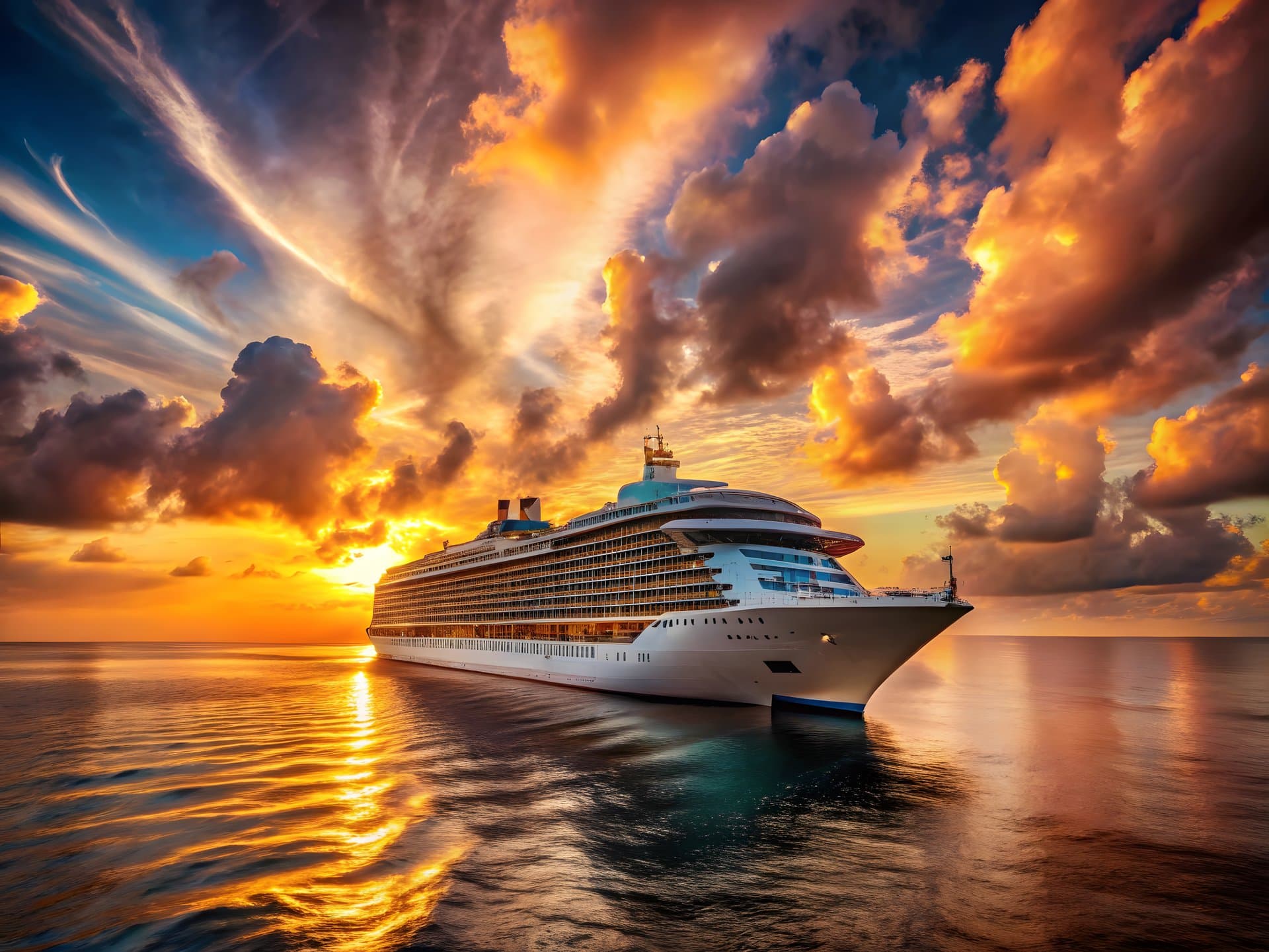
The ship typically arrives at port between 7:00 and 8:00 AM. Passengers can begin disembarking as soon as the ship is cleared by local authorities, usually 30-60 minutes after docking.
The early bird advantage is real. Getting off the ship by 8:00-8:30 AM gives you a 1-2 hour head start on the 60-70% of passengers who don't leave until 9:30-10:30 AM. This matters because:
Taxis and shuttle lines are short (or nonexistent) early
Popular attractions are uncrowded
Beach chairs at popular beaches are still available
You get the full day instead of half of it
Pro Tip: Set your alarm, eat breakfast in the buffet at 7:00 AM (it opens earliest), and head to the gangway by 7:45 AM. You'll be among the first off the ship.
The One Exception
If you're at a tender port, the first tenders are reserved for passengers with ship-sold excursions and passengers with mobility needs. Independent passengers typically start tendering 30-60 minutes after the first groups. Getting up early still helps. The tender queue can be 30-60 minutes by mid-morning.
Tender Ports vs. Dock Ports
Dock Ports
The ship ties up directly at a pier. You walk off the ship, through a terminal, and you're in the port city. Easy, fast, and weather-independent.
Common dock ports: Cozumel, Nassau, San Juan, St. Thomas, Juneau, Barcelona, Venice, Dubrovnik, Civitavecchia (Rome)
Tender Ports
The ship anchors offshore and you ride a small boat (tender) to shore. Each tender holds 100-200 passengers and the round trip takes 15-30 minutes.
Common tender ports: Grand Cayman, Belize City, Cabo San Lucas, Santorini, Mykonos, Cannes, Avalon (Catalina Island)
Tender port realities:
Tendering can be suspended due to rough seas or high winds. Occasionally you won't make it ashore at all
Wheelchair users and passengers with limited mobility may find tendering difficult (step-on/step-off transfers between moving vessels)
If you book a ship-sold excursion at a tender port, you get priority tendering. A genuine advantage
Plan to return to the ship 45-60 minutes earlier than at dock ports, as return tender queues can be long
Transport Options at Port
Walking
Best for: Ports where the town center is within 10-15 minutes of the pier.
Many cruise ports are walkable: Nassau's downtown, Old San Juan, Dubrovnik's old city, Juneau's waterfront, Cozumel's San Miguel town center, and Willemstad (Curacao) are all accessible on foot from the pier.
Cost: Free.
Taxis
Best for: Getting to beaches, attractions, or restaurants that are 5-30 minutes from the pier.
Taxi fares in cruise ports are often fixed (posted at the port exit) and priced per person, not per vehicle. This is different from how taxis work at home. A "taxi" to the beach might be a shared van at $8/person.
Cost: $5-25 per person each way for most destinations. Always confirm the fare before getting in.
Watch out for: Drivers who quote per-vehicle rates to solo travelers or couples when the posted rate is per-person in a shared van. Ask "Is this per person or for the whole car?"
Shuttle Buses
Best for: Popular beaches and tourist districts served by regular shuttle routes.
Some ports (Cozumel, St. Maarten, Grand Cayman) have designated shuttle buses running between the cruise terminal and popular destinations. These are cheap ($3-8/person) and frequent.
Rental Cars
Best for: Ports where you want to explore independently and the driving is straightforward (St. Thomas, Barbados, Alaska ports, Mediterranean coastal towns).
Not recommended for: Islands where you drive on the left side of the road (unless you're comfortable with it), congested cities (Barcelona, Rome), or ports where parking is a nightmare.
Cost: $40-80/day for a basic car. Book in advance. Rental agencies at cruise ports sell out, especially during peak season.
Pre-Booked Tours (Independent)
Best for: Destinations where you want a guide, where the logistics are complex, or where independent transport doesn't make sense.
Independent tour operators charge 30-50% less than ship-sold excursions for equivalent experiences. Book through reputable platforms and read recent reviews. Look for operators with a "cruise ship guarantee". They'll get you back to the ship on time.
Cost: $30-100/person for half-day tours, $75-200/person for full-day tours.
How Much Time You Actually Have
The published port schedule in your cruise line's app or daily newsletter will show three times:
Arrival time: When the ship docks or anchors
All-aboard time: When you must be back on the ship (typically 30 minutes before departure)
Departure time: When the ship actually sails
Plan around the all-aboard time, not the departure time. If all-aboard is 4:30 PM, you need to be walking through the ship's gangway by 4:30 PM at the latest. Build in a 30-minute buffer. That means wrapping up your activities by 3:30-4:00 PM.
Typical Port Time by Destination Type
Port Type | Typical Hours in Port | Effective Exploration Time |
|---|---|---|
Standard Caribbean port | 8-10 hours | 6-8 hours |
Tender port | 7-9 hours | 5-7 hours (tender time reduces it) |
European port | 8-12 hours | 6-10 hours |
Alaska port | 8-10 hours | 6-8 hours |
Overnight port (rare) | 18-24 hours | 14-20 hours |
Plan Your Day Backward
Start with your all-aboard time and work backward:
All-aboard: 4:30 PM
Arrive back at port terminal: 4:00 PM (30-min buffer)
Leave last activity: 3:00-3:30 PM (allow transport time)
Lunch: 12:00-1:00 PM
Morning activities: 8:30 AM-12:00 PM
This backward planning prevents the most common port day disaster: losing track of time and having to sprint back to the ship.
What to Bring Ashore
Always Bring
Cruise card (your re-boarding pass)
Government-issued photo ID (driver's license or passport)
Cash. Small bills in local currency for taxis, tips, and small vendors. ATMs at ports work but charge $3-5 fees.
Credit card. For restaurants and larger purchases
Sunscreen and hat. Port days involve more sun exposure than you expect
Phone. For maps, photos, and communication (download offline maps before your trip)
Water bottle. Filled from the ship before disembarking
Leave on the Ship
Valuables you don't need. Jewelry, extra electronics, passport (unless required at that port)
Large bags. A small daypack is enough for most port days
Ship drink cups. They can't leave the ship
Port-Specific Additions
Reef-safe sunscreen for snorkeling ports (required by law in some Caribbean destinations)
Waterproof phone case for water activities
Comfortable walking shoes for European ports with cobblestones
Modest clothing if visiting churches, mosques, or temples (shoulders and knees covered)
Getting Back to the Ship on Time
The number one rule of port days: do not miss the ship. The ship will not wait for you unless you are on a ship-sold excursion that has run late.
Time Management Strategies
Set two alarms on your phone: One for "start heading back" (90 minutes before all-aboard) and one for "must be at the port now" (45 minutes before all-aboard)
Know your transport time: If the beach is 30 minutes from the port by taxi, you need to leave the beach 60 minutes before all-aboard (30 min transport + 30 min buffer)
Don't start new activities after lunch if they're far from the port
Watch the clock at restaurants. A leisurely lunch 45 minutes from the port can turn into a panic
At Tender Ports
Return tender lines are longest between 2:00-4:00 PM. If your all-aboard is 4:30 PM, get in the tender line by 3:00 PM. This sounds overly cautious until you're standing in a 45-minute queue watching the clock.
What Happens If You Miss the Ship
If you're not on board at departure time, the ship sails without you. Here's what happens next:
The ship's passenger manifest shows you haven't reboarded. The ship will make an announcement and wait a short time (usually 15-30 minutes) in case you're stuck in the terminal. But they won't wait indefinitely.
You are responsible for getting to the next port. This means booking flights, hotels, and ground transport on your own. The cruise line's port agent may help coordinate logistics but won't cover costs.
Cost: Getting from one Caribbean port to the next on short notice can cost $500-2,000+ per person in flights and hotels. European port-hopping is easier (trains, budget airlines) but still expensive on zero notice.
Travel insurance helps. A policy that covers "missed connection" or "trip interruption" will reimburse transportation costs to rejoin the ship. Without insurance, this is entirely out of pocket.
Your cabin and belongings are safe. The ship doesn't throw your luggage overboard. Your things stay in your cabin until you rejoin or until the cruise ends.
The simplest prevention: If you're doing an independent excursion, set a hard turnaround time and stick to it. Never gamble on "we'll probably make it."
Free and Low-Cost Things to Do in Popular Ports
You don't need a $100 excursion at every port. Many cruise destinations have excellent free or nearly free activities within walking or short taxi distance of the pier.
Caribbean Ports
Cozumel: Walk the San Miguel town square, explore the waterfront malecon, visit the free Cozumel Museum (small donation appreciated)
Nassau: Queen's Staircase (free), Fort Charlotte (free), Junkanoo Beach (free, 15-min walk from port)
San Juan: Walk Old San Juan: Castillo San Felipe del Morro ($10 entry), Cathedral of San Juan Bautista (free), colorful streets of La Fortaleza
St. Thomas: Charlotte Amalie shopping district (walk from port), Blackbeard's Castle ($15 entry)
Grand Cayman: Georgetown waterfront walk, public beach at Seven Mile Beach (free, $5-8 taxi)
Mediterranean Ports

Hiearcool Waterproof Phone Pouch 2-Pack
- IPX8-rated waterproof phone pouches that float
- Full touchscreen access through clear window
Pool deck, snorkeling, rain on excursions, your phone needs waterproofing
View on Amazon
Beach Towel Clips 8-Pack
- Eight clips keep your towel on the lounge chair in the sea breeze
- Also works for securing towels on cruise ship railings
Wind on the pool deck constantly blows towels off chairs, clips end the frustration
View on Amazon
Water Shoes Quick Dry
- Quick-dry shoes for beach, snorkeling, and rocky shore walks
- Protective sole guards against coral and sharp rocks
Rocky Caribbean beaches and coral cuts are no joke, water shoes are a must
View on Amazon
Unigear Waterproof Dry Bag with Whistle
- Waterproof dry bag with included emergency whistle
- Multiple size options
The included whistle adds a safety element for open-water excursions
View on AmazonDubrovnik: Walk the old city walls ($25 entry, worth it), wander the Stradun (free), Banje Beach (free access, chair rental $10)
Barcelona: Las Ramblas and Gothic Quarter (free), La Boqueria market (free to browse), Barceloneta Beach (free, 15-min walk)
Civitavecchia (Rome): The port town itself has a fortress, fresh seafood restaurants, and a local beach, if you skip the Rome trip, Civitavecchia is a pleasant low-key day
Kotor, Montenegro: Walk the old town (free), hike the fortress trail (free, strenuous), swim at a nearby beach
Santorini: Walk from Fira to Oia along the caldera path (free, 2-3 hours, extraordinary views)
Alaska Ports
Juneau: Walk the waterfront, visit the Alaska State Capitol (free), hike the Rainforest Trail (free, 1.5 miles)
Ketchikan: Creek Street boardwalk (free), Totem Heritage Center ($6), watch salmon spawning at Ketchikan Creek (seasonal, free)
Skagway: Walk the historic boardwalk district (free), hike the lower Dewey Lake trail (free, 0.7 miles)
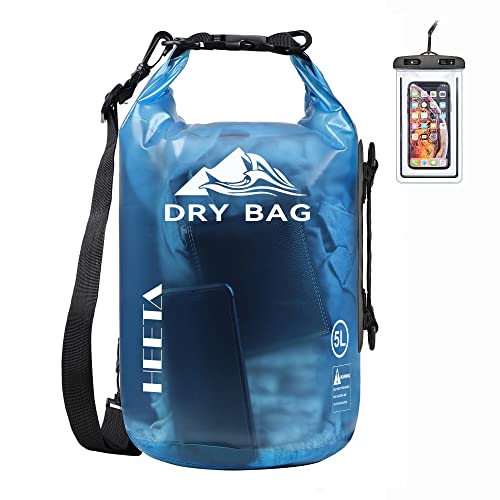
HEETA 20L Waterproof Dry Bag
- Roll-top 20L dry bag keeps everything waterproof for snorkeling, kayaking, and beach excursions
- Shoulder strap for easy carrying
Essential for water excursions, protects electronics and dry clothes on the boat
View on AmazonPro Tips from Experienced Port Day Planners
Eat breakfast on the ship before going ashore. It's free and saves you $15-25 on a port breakfast. Pack a banana or pastry from the buffet for a mid-morning snack.
Download offline maps (Google Maps or Maps.me) for every port before your cruise. Ship WiFi is expensive and cellular data may not work in every port.
Exchange currency at an ATM, not a port-side exchange booth. Exchange booths at cruise terminals charge 8-15% markups. ATMs give you the interbank rate minus a $3-5 fee.
Check the weather the night before. If rain is forecast, swap your beach day for a museum or food tour. Flexibility makes port days better.
Don't shop at the port terminal. Prices at shops inside the cruise terminal are 20-40% higher than shops a few blocks away. Walk 5-10 minutes into town for local prices.
Join a CruiseCritic roll call for your specific sailing. Other passengers share port day plans, split taxi costs, and organize group tours. This is especially valuable for first-time visitors to a port.
The Bottom Line
A great port day requires 15 minutes of planning the night before: know your all-aboard time, decide on one or two activities, confirm your transport, and set a turnaround alarm. That's it.
The biggest mistake first-timers make is trying to do too much. Pick one main activity per port (a beach, a food tour, a historical walk, a snorkeling trip) and build the rest of the day around it. Leave room for wandering, an unplanned lunch at a local restaurant, and a stress-free return to the ship.
Explore cruise ports to research your upcoming port calls, or use our port day planner to organize your time ashore.