
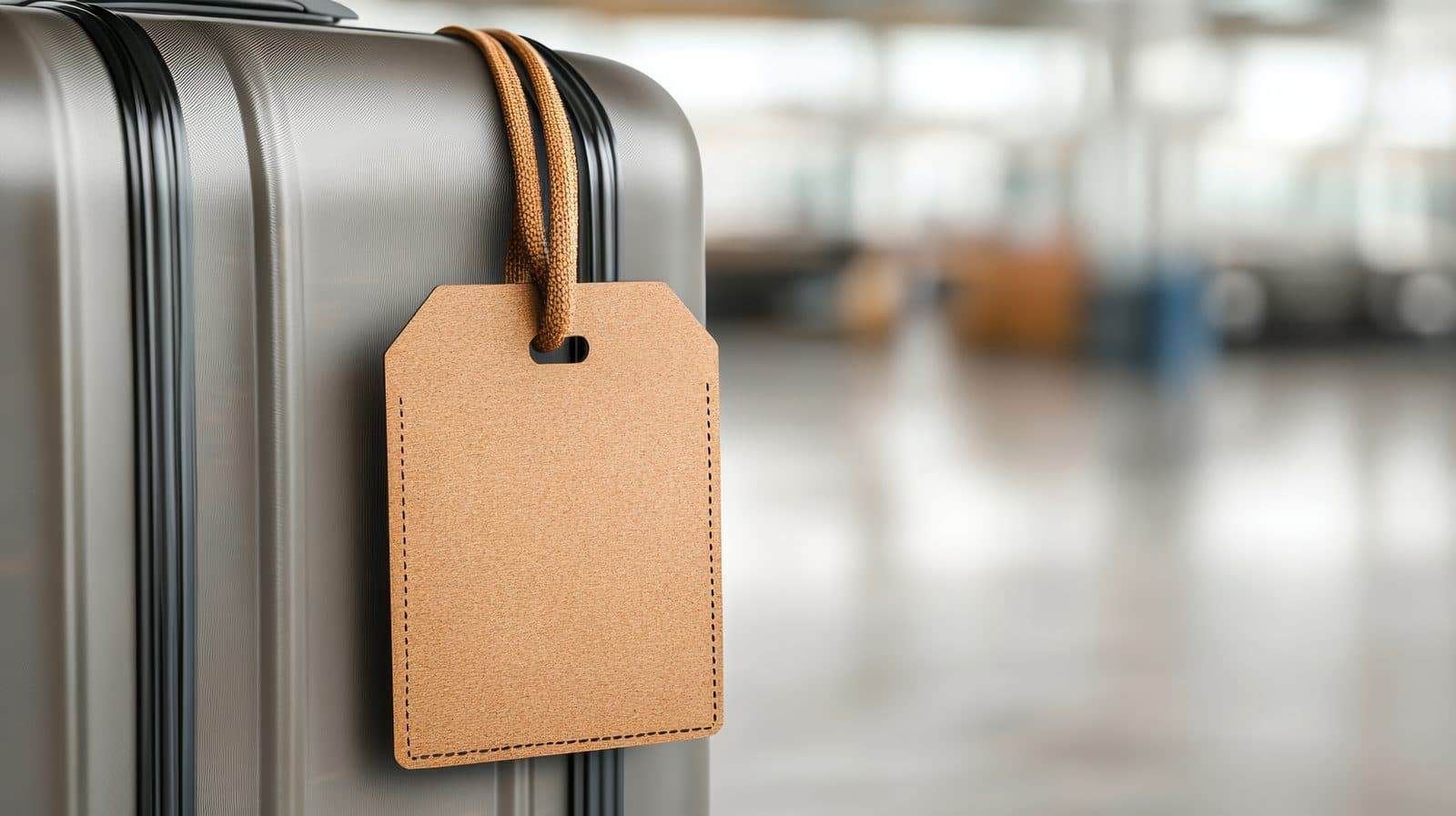
Cruise lines require a specific luggage tag on checked bags at embarkation, color-coded and numbered to route bags to the correct deck and cabin. A durable, clearly labeled tag holder is the difference between your suitcase showing up outside your cabin door within a few hours and it getting lost in a cart of a thousand identical black bags.

Personalized Luggage Tags Embroidered
- Personalized embroidered tags make your bags instantly identifiable
- Durable material survives rough baggage handling
Thousands of black suitcases on embarkation day, personalized tags make yours stand out
View on AmazonWhy the ship's paper tag isn't enough on its own
Cruise terminals process thousands of bags in a short window, and porters sort by the printed tag, not by looking at your suitcase. A flimsy paper tag that tears off in transit, rain, or a luggage cart pile means your bag loses its routing information and ends up in a lost-and-found line while you're already unpacking in your cabin. Our embarkation day checklist covers the tag-printing and drop-off process step by step.
A tag holder protects the paper tag itself
The actual cruise line tag is usually a printed slip you attach yourself, and it's the part that needs protecting, not replacing. A clear plastic holder or a purpose-built cruise luggage tag holder keeps that paper flat, readable, and attached through the entire loading and unloading process, which is rougher on bags than a normal flight.
Personalized tags help you spot your bag fast
Once bags are delivered near your cabin, hallway piles of similar suitcases make it easy to grab the wrong one, especially with kids' bags that look alike. Personalized Luggage Tags Embroidered with a name or initials make it obvious which bag is yours at a glance, both in the terminal and outside your cabin door.
Add a tracker for real peace of mind
Even with a good tag, a bag occasionally gets misrouted at a busy embarkation port. An Apple AirTag (2nd Generation) tucked into a suitcase pocket lets you confirm your bag actually made it onto the ship, or track down where it ended up if it didn't show up at your cabin within the expected window.
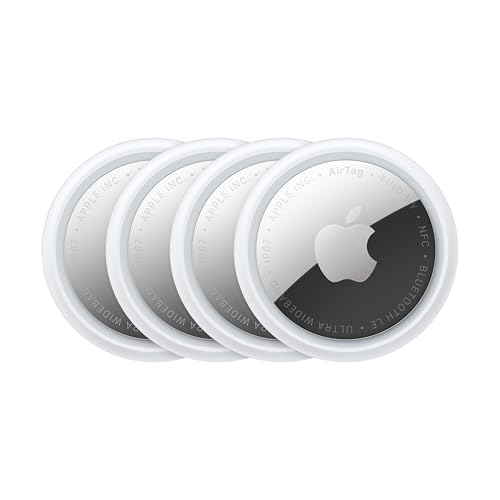
Apple AirTag (2nd Generation)
- Precision Finding with Ultra Wideband
- Improved range and built-in speaker for locating bags in a pile
Combination locks matter at port stops too
Luggage security isn't just an embarkation-day concern. Puroma TSA Luggage Locks 2-Pack keep checked bags secure during the cruise and work through TSA screening if you're flying to or from the embarkation port, so you're not swapping locks mid-trip.

Puroma TSA Luggage Locks 2-Pack
- TSA-accepted locks let security open your bag without cutting the lock
- Set your own 3-digit combination
Required for checked bags on fly-and-cruise trips, TSA can open without destroying them
View on AmazonFor frequent cruisers, a smart lock does more
If you cruise often enough that losing time to a jammed combination lock is a real annoyance, a KeySmart SmartLock TSA GPS combines locking and location tracking in one unit, which is useful for road-warrior cruisers who fly into multiple ports across a year.

KeySmart SmartLock TSA GPS
- TSA-approved lock with built-in GPS tracker
- Track your luggage location via smartphone app
Lost luggage on embarkation day can ruin a cruise, GPS tracking gives peace of mind
View on AmazonDon't forget your carry-on documents
Your suitcase isn't the only thing that needs to be identifiable and secure. A Family Passport Holder Waterproof keeps boarding documents, passports, and the physical embarkation paperwork together and dry, which matters more than people expect walking through an outdoor terminal queue in the rain. See our embarkation day essentials guide for the rest of what belongs in that bag.

Family Passport Holder Waterproof
- Holds multiple passports and travel documents in one waterproof case
- RFID blocking for all slots
Embarkation day with 4 passports, cruise docs, and boarding passes, one case keeps it sane
View on AmazonHow to choose a luggage tag holder that survives embarkation
Look for a holder with a reinforced strap loop, ideally a metal buckle or a doubled fabric loop, rather than a single thin plastic ring. Cruise terminal handling drops and stacks bags on carts repeatedly, and a thin ring is the first point of failure that separates a tag from the bag entirely before it's even loaded onto the ship.
Ignore decorative or novelty tag holders as your primary tag protector, and treat them as a secondary identifier instead. A cute silicone shape or a printed pattern makes a bag easy to spot, but it's rarely built with the same reinforced loop as a purpose-made travel tag holder, so pair a novelty tag with a sturdier holder for the actual cruise line slip rather than relying on the novelty tag alone.
Clear windows matter more than color for the actual cruise line tag holder, since porters need to read the printed information quickly in a crowded terminal. A tinted or patterned holder that obscures part of the printed tag slows down the sorting process and increases the odds of your bag being set aside for a manual check.
Weather resistance is worth checking for embarkation ports with a history of rain, since a paper tag that gets wet before it's even loaded can smear or tear apart in the holder. A holder with a sealed or overlapping closure keeps the paper dry through an outdoor curbside drop-off better than an open-top slot design.
Skip paying extra for tag holders bundled with unrelated accessories like keychains or bottle openers unless you'd buy those separately anyway. The core job is protecting one printed slip of paper through a chaotic few hours of handling, and a simple, sturdy holder does that job as well as a bundled multi-tool version at a lower price.
Common mistakes people make with cruise luggage tags
The most common mistake is attaching the cruise line tag loosely or with tape instead of the tag's actual strap or a proper holder, which comes apart during the rough handling bags go through at a terminal. Always use the tag's designed attachment method, and reinforce it with a holder rather than improvising with tape or a rubber band.
Printing the cruise line tag the night before departure and leaving it loose in a folder instead of attaching it before arriving at the terminal is another frequent issue. Attach and secure the tag at home, the day before travel, so you're not fumbling with tape or a hole punch in a crowded curbside drop-off line with porters waiting.
Relying on a single point of identification, just the required cruise tag, without any personalization or backup marking, makes a bag harder to distinguish in a hallway pile of similar black suitcases. Add a bright luggage strap, a ribbon, or a personalized tag alongside the required one so your bag stands out visually beyond just its printed information.
Forgetting to remove old cruise tags from a previous sailing before attaching a new one causes confusion for porters sorting bags by tag color and number. Strip every old tag completely before your next embarkation day, since a leftover tag from a past cruise can occasionally get scanned or read in place of the current one.
Not tracking a bag at all and assuming it will simply arrive is a mistake many first-time cruisers make, only to spend an anxious afternoon wondering where a suitcase is. A small tracker tucked into an inside pocket removes that uncertainty and gives you a concrete answer rather than a guess if a bag is running late to your cabin.
Common questions
Do I need a special luggage tag for a cruise?
Yes, cruise lines require their own printed or e-tag attached to checked bags for embarkation-day sorting. A separate tag holder protects that cruise line tag rather than replacing it, and a personalized tag helps you identify your bag once it's delivered.
Can I use an AirTag on a cruise ship?
Yes, AirTags and similar Bluetooth trackers work fine for locating a bag in the terminal or confirming it made it aboard. Once the ship is at sea and away from cell networks, tracking accuracy depends on Bluetooth range to nearby devices rather than live location.
What kind of luggage lock works for both flights and cruises?
A TSA-approved combination lock or TSA-approved smart lock works for both, since airport security can open TSA locks without cutting them. Non-TSA locks risk being cut off during airport screening if you're flying to your embarkation port.
How early should I attach my cruise luggage tags?
Attach and secure the printed cruise line tag the day before you travel, not the morning of, so a rushed curbside drop-off doesn't lead to a poorly secured tag. This also gives you time to reinforce the tag with a proper holder rather than improvising at the terminal.
What happens if my luggage tag falls off during embarkation?
A bag with a lost or unreadable tag typically gets set aside for manual sorting, which can delay it reaching your cabin by several hours or longer. A tracker in an inside pocket lets you confirm the bag's location and flag the issue at guest services faster than waiting and hoping it turns up.
Attach the cruise line's required tag first, protect it with a clear holder, and add a personalized tag or tracker if losing track of your bag would actually ruin your day. It's a small amount of prep for one less thing to worry about on embarkation morning. Check your cruise's embarkation instructions for exact tag requirements before you pack.