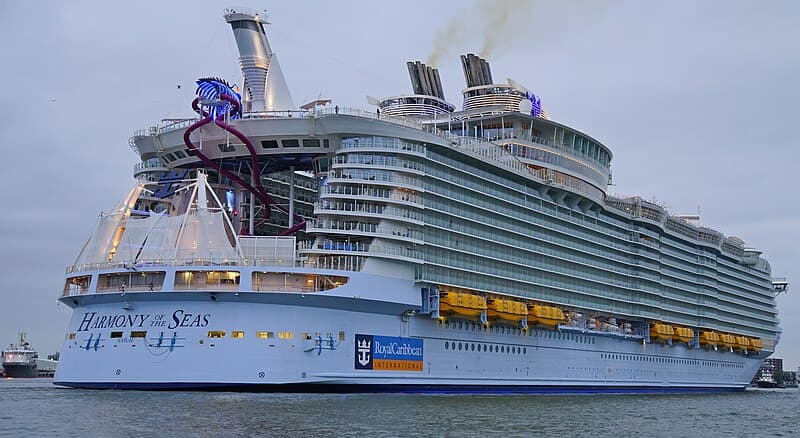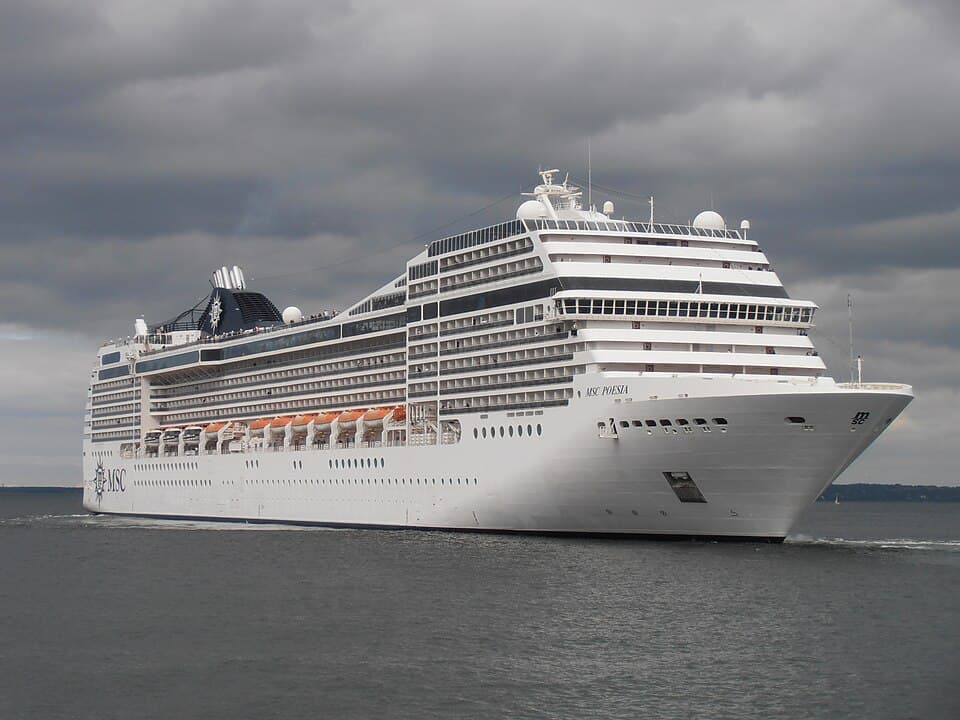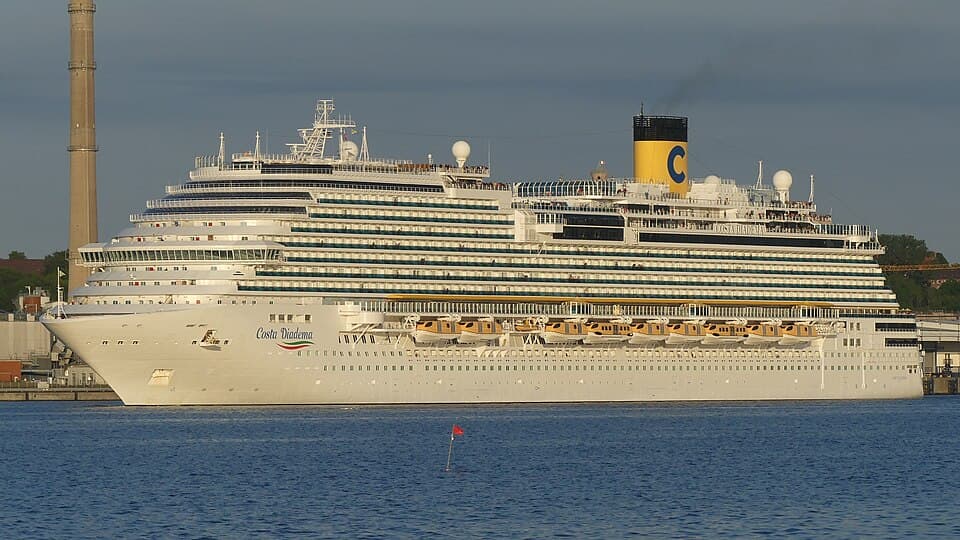

Embarkation day is the most exciting and most chaotic day of any cruise. Thousands of passengers converging on a single terminal, luggage mountains at the curb, security lines, check-in counters, and the electric anticipation of walking up the gangway.
The passengers who have a smooth, stress-free embarkation day are the ones who prepared. The ones who scramble are the ones who didn't. Here are the 20 things you absolutely cannot forget, in the order you'll need them.
Ready to book a cruise? Browse 12,000+ live cruise deals on Cruisebound. Filter by destination, length, cabin type, and departure port to see today's pricing before you keep reading.
The Documents: Items 1-5

1. Passport (or Government-Issued ID for Closed-Loop Cruises)
This is the most important item you carry. For international cruises, you need a valid passport with at least 6 months of validity beyond your cruise end date. Some countries enforce this strictly. Showing up with a passport expiring in 4 months can result in denied boarding.
For closed-loop cruises (round-trip from a U.S. port, returning to the same port): A U.S. birth certificate and government-issued photo ID are technically sufficient. However, we always recommend bringing a passport anyway. If you need to be evacuated from the ship or miss the ship at a foreign port, you'll need a passport to fly home.
2. Boarding Pass / Cruise Documents
Your boarding pass (also called a SetSail Pass, eDocs, or Boarding Summary depending on the line) should be downloaded to your cruise line app. Print a paper backup. This document contains your boarding group, arrival window, and booking confirmation number.
3. Credit Card for Onboard Account
The cruise line will ask you to register a credit card (or debit card) for your onboard spending account during check-in. This is the card charged for drinks, shore excursions, spa treatments, and anything else purchased on the ship. Bring the physical card. Most terminal check-in systems need to swipe or tap it.
4. Health Documentation
Requirements change by itinerary and destination. As of 2026, most cruise lines no longer require COVID-19 vaccination proof for standard itineraries, but some destinations still require specific health forms. Check your cruise line's requirements 2 weeks before sailing. Print any required health forms.
5. Travel Insurance Confirmation
If you purchased travel insurance (and you should. See our cruise medical care guide), carry a printed copy of your policy number and the insurance company's emergency contact number. If something goes wrong, you don't want to be searching your email for your policy details.
The Carry-On Bag: Items 6-14
Your checked luggage, the big suitcases you hand off at the port curb, won't arrive at your cabin until mid-to-late afternoon. Everything you need for the first 4-5 hours must be in a bag you carry personally.
6. Prescription Medications
All medications in original pharmacy bottles. Do not pack these in checked luggage. Period. If your luggage is delayed or lost, being without critical medication is a genuine health risk.
7. Swimsuit and Cover-Up
The pool deck opens immediately when you board, and it's the best place to spend the first couple of hours while cabins are being prepared. If your swimsuit is in your checked luggage, you'll miss the least crowded pool time of the entire cruise.
8. Change of Clothes
If your cabin isn't ready when you board (and it probably won't be until 1:30-2 PM), you may want to change out of your travel clothes. A fresh shirt, comfortable shorts, and sandals take up minimal space.
9. Phone Charger and Power Bank
Your phone will drain fast on embarkation day. You'll use it for check-in, the cruise line app, photos of the ship, and navigation. Bring a portable power bank and a charging cable. Most cabins have USB outlets, but you'll want backup power before you get to the cabin.

OHOVIV 50,000mAh Portable Power Bank
- 50,000mAh capacity charges phones 8-10 times over
- Not flight-legal, ~185Wh exceeds the 160Wh airline limit, so it is barred from carry-on and checked bags

Mifaso Cruise-Approved Power Strip
- Cruise-approved (no surge protector) with multiple USB ports
- Compact design fits perfectly on the narrow cabin nightstand
Cruise cabins have limited outlets, this solves the charging problem without tripping ship safety rules
View on Amazon10. Sunscreen
If you're cruising to a warm destination, apply sunscreen before you board. The pool deck, outdoor walking areas, and sail-away party are all full-sun exposure. Don't wait until you unpack your suitcase. Sunburn on Day 1 ruins the whole cruise.
11. A Reusable Water Bottle
Most cruise ships have water stations near the buffet and pool areas. Staying hydrated during the excitement of embarkation day (and the inevitable port-day walking) is important. Some cruise lines (Royal Caribbean, Norwegian) allow reusable bottles; others restrict them. Check your line's policy.
12. Cash (Small Bills)
Bring $50-100 in small bills ($1, $5, $10). You'll need cash for tipping porters at the port ($2-3 per bag), buying items at ports where vendors don't take cards, and tipping shore excursion guides. Most onboard purchases go to your cruise card, but cash is useful in ports.
13. Motion Sickness Medication
If you're prone to seasickness, take your first dose before the ship sails. Dramamine, Bonine, or a scopolamine patch should be in your carry-on, not your checked luggage. The ship starts moving at sail-away. By the time your luggage arrives, you may already feel the motion. For a complete guide to managing seasickness, check our cruise medical care guide.
14. A Book or Entertainment
You'll have downtime. Waiting for your boarding window, waiting for cabins to open, waiting for luggage. Having something to read or a downloaded podcast keeps the waiting pleasant.
Arrival and Transport: Items 15-17
15. Parking Reservation (If Driving)
Most cruise ports offer on-site parking ($15-25 per day for covered, $10-18 for open-air). Some ports require reservations, especially during peak season. Book parking in advance through the port authority's website. For a 7-night cruise, expect $70-175 for parking.
Alternative: Off-site parking lots near major cruise ports are often 30-50% cheaper than port parking and include shuttle service. Companies like Park 'N Go, The Parking Spot, and local operators serve most major embarkation ports.
16. Port Address and Directions
GPS your specific cruise terminal, not just the port city. Major cruise cities (Miami, Fort Lauderdale, Galveston, Seattle) have multiple terminals that can be miles apart. Your boarding documents specify which terminal. Entering the wrong terminal address adds stress and time.
17. Luggage Tags
Most cruise lines provide luggage tags as part of the online check-in process. Print them at home and attach them to your checked bags before arriving at the port. Porters at the curbside luggage drop-off sort bags by these tags. Without them, your luggage may be delayed.

Personalized Luggage Tags Embroidered
- Personalized embroidered tags make your bags instantly identifiable
- Durable material survives rough baggage handling
Thousands of black suitcases on embarkation day, personalized tags make yours stand out
View on AmazonPro tip: Put a luggage tag inside each bag as well, with your name, ship name, and cabin number. If the external tag falls off during handling, the inside tag helps the crew locate you.
The Check-In Process: Items 18-19
18. Completed Online Check-In
If you haven't completed online check-in through the cruise line's app (uploaded passport photos, selfie for facial recognition, health forms, emergency contacts, payment method), do it before you leave for the port. Terminal check-in for passengers who haven't completed online registration takes 30-60 minutes. Fully checked-in passengers walk through in 5-15 minutes.
19. Know Your Boarding Window
Cruise lines assign arrival windows during check-in (e.g., "12:00 PM - 12:30 PM"). Arrive within your window. Showing up an hour early means waiting in a holding area. Showing up late means the terminal is nearly empty and you board immediately. But you've lost hours on the ship.
The sweet spot: Arriving 15 minutes before the start of your boarding window gets you through quickly without a long wait.
What to Do in the First 2 Hours Onboard: Item 20
20. Your First-Two-Hours Game Plan
The first two hours after boarding are the least crowded the ship will be all cruise. Use them wisely.
Immediately after boarding:
Head to the buffet for lunch. The main dining room isn't open yet, but the buffet serves lunch from noon until 2-3 PM. Eat now, you'll be busy later, and the buffet gets crowded once more passengers board.
Explore the ship. Walk every deck, find the main dining room, locate the theater, find the pool deck, and identify the nearest stairwells and elevators to your cabin. This orientation saves you from wandering lost for the next seven days.
Book spa appointments. If you want a massage, facial, or any spa treatment, book it now. The spa runs an "embarkation day special" with discounted services, and popular time slots (sea day mornings, port day afternoons) sell out fast. Visit the spa desk on Deck 5 or wherever it's located on your ship.
Make specialty dining reservations. The most popular specialty restaurants (steakhouses, teppanyaki, chef's table experiences) fill up fast. Even if you booked some through the app pre-cruise, check availability for additional nights. The maitre d' desk or the app can handle this.
Complete the muster drill early. Watch the safety video on the app and visit your muster station. Doing this in the first hour means you don't have to interrupt your afternoon for it.
Check out the pool deck. This is the quietest the pool will be during the entire cruise. The pool deck on Day 1 at 12:30 PM has a fraction of the people it will have on the first sea day.
Visit Guest Services for any special requests. Table-for-two at dinner, celebration notification (birthday, anniversary), bed configuration changes, or questions about your account, handle these now while the line is short. By Day 2, Guest Services has a 30-minute wait.
The Pro Tips: Skip the Crowds
Experienced cruisers know the patterns that first-timers don't. Here's how to stay ahead.
Choose a midday boarding window. The 11 AM rush and the 2 PM wave are the busiest. Noon to 1 PM is often the sweet spot, early enough to enjoy the ship, smooth enough to avoid the longest lines.
Don't hover near your cabin waiting for luggage. It arrives when it arrives (3-6 PM). Go enjoy the ship. When luggage is delivered, you'll see it outside your cabin door.
Download entertainment content to your phone before boarding. Ship Wi-Fi is expensive and slow for streaming. Downloaded podcasts, audiobooks, or shows keep you entertained during quiet moments without burning through a Wi-Fi package.
Bring a magnetic hook or two. Cruise cabin walls are metal. Magnetic hooks from a dollar store let you hang hats, bags, lanyards, and jackets without taking up the limited closet space. Stick them on any wall surface.
Pack a small day bag for port days. A lightweight backpack or crossbody bag that holds sunscreen, a water bottle, your cruise card, cash, and your phone is all you need. Leave the big purse in the cabin safe.
Bring a lanyard for your cruise card. The physical cruise card is your cabin key, your ID onboard, and your charge card. Wearing it on a lanyard means you never pat your pockets wondering where it is. Many cruise supply shops sell card lanyards, or repurpose one from a work conference.
Set a phone alarm for sail-away time. The sail-away party on the top deck is one of the best moments of the entire cruise: the music, the energy, the shoreline receding. Don't miss it because you were unpacking in your cabin. Every cruise line announces it, but a personal alarm ensures you're there.

Aerotrunk Compression Packing Cubes 4-Pack
- Double-zipper compression cuts volume by up to 60%
- Four sizes cover every clothing type
Compression cubes are the single best way to fit a week of cruise outfits into a carry-on
View on AmazonThe Complete Embarkation Day Checklist
Here's everything in one scannable list:
Documents:
[ ] Passport (valid 6+ months past cruise end date)
[ ] Boarding pass (digital + printed backup)
[ ] Credit card for onboard account
[ ] Health documentation (if required)
[ ] Travel insurance confirmation
Carry-On Bag:
[ ] Prescription medications (original bottles)
[ ] Swimsuit and cover-up
[ ] Change of clothes
[ ] Phone charger and power bank
[ ] Sunscreen
[ ] Reusable water bottle
[ ] Cash ($50-100 in small bills)
[ ] Motion sickness medication
[ ] Book or entertainment
Logistics:
[ ] Parking reservation confirmed
[ ] Port terminal address in GPS
[ ] Luggage tags printed and attached
Check-In:
[ ] Online check-in 100% completed
[ ] Boarding window noted
First 2 Hours Onboard:
[ ] Eat lunch at the buffet
[ ] Explore the ship
[ ] Book spa appointments
[ ] Make specialty dining reservations
[ ] Complete muster drill
[ ] Visit Guest Services for special requests
Print this list, check off every item the night before, and you'll walk onto that ship calm, prepared, and ready to start the best week of your year.
For a complete packing guide beyond embarkation day, see our what to pack for a cruise guide. And for your first look at the ship, check its live position on our cruise ship tracking map.