Nobody books a cruise expecting to visit the ship's doctor. But on a floating city carrying 3,000-7,000 passengers and 1,000-2,500 crew, medical situations happen daily. Norovirus outbreaks, broken bones from wet pool decks, heart emergencies in passengers over 70, allergic reactions at the buffet. The ship's medical center handles it all.
Understanding what's available, what it costs, and when you're on your own is essential planning that most cruisers skip. Here's what you need to know before you sail.
Ready to book a cruise? Browse 12,000+ live cruise deals on Cruisebound. Filter by destination, length, cabin type, and departure port to see today's pricing before you keep reading.
What the Ship's Medical Center Looks Like

Every major cruise ship operating today maintains a medical facility that would surprise most passengers. These aren't closets with a first-aid kit. Modern cruise ship medical centers are compact but well-equipped clinics, typically located on a lower deck near the center of the ship where motion is minimized.
Standard equipment includes:
Examination rooms (2-4 depending on ship size)
X-ray and basic imaging equipment
Cardiac monitoring and defibrillators
Ventilators and oxygen supply
Laboratory for blood work and urinalysis
Pharmacy with common medications
Observation beds (2-6 beds for patients needing monitoring)
Telemedicine capability connecting to shoreside specialists
Staffing on a typical large cruise ship:
1-3 licensed physicians (usually with emergency medicine or general practice backgrounds)
2-4 registered nurses
Available 24/7 for emergencies, with scheduled clinic hours for non-urgent visits
The American College of Emergency Physicians (ACEP) sets guidelines for cruise ship medical facilities, and most major cruise lines meet or exceed these standards. However, ship medical centers are designed for stabilization and treatment of common conditions. Not for major surgery, advanced cardiac intervention, or intensive care.
Think of the ship's medical center as an urgent care clinic, not a hospital. It can handle a wide range of situations, but when something exceeds its capability, the plan is always to get you to a real hospital on land.
Common Illnesses and Injuries on Cruises
Norovirus and Gastrointestinal Illness
The condition most associated with cruise ships is norovirus. The highly contagious stomach bug that causes vomiting and diarrhea. The reality is that norovirus is far more common on land (it causes 19-21 million illnesses per year in the U.S. alone), but outbreaks on ships get media attention because they happen in a contained environment.
Prevention: Wash your hands with soap and water frequently. Hand sanitizer is widely available on ships but is less effective against norovirus than actual handwashing. Avoid touching your face, especially in the buffet and common areas. If you feel symptoms, report to the medical center immediately. Early isolation prevents spread.

PURELL Hand Sanitizer Spray 6-Pack
- Six travel-size spray bottles for the whole family
- 99.99% germ-killing formula
Norovirus outbreaks on ships are real, sanitize before every buffet line
View on AmazonTreatment: Usually supportive care. Fluids, rest, anti-nausea medication. The ship's medical center may administer IV fluids if you're dehydrated. Most cases resolve within 24-48 hours.
Seasickness
Motion sickness affects an estimated 25-30% of passengers to some degree, though severe cases requiring medical attention are less common on modern stabilizer-equipped ships.
Prevention: Start taking your preferred motion sickness medication (Dramamine, Bonine, or prescription scopolamine patches) before you feel symptoms. Behind-the-ear scopolamine patches are the gold standard for prevention. Ask your doctor for a prescription before your cruise. Choose a midship cabin on a lower deck for the least motion.

Mifaso Cruise-Approved Power Strip
- Cruise-approved (no surge protector) with multiple USB ports
- Compact design fits perfectly on the narrow cabin nightstand
Cruise cabins have limited outlets, this solves the charging problem without tripping ship safety rules
View on AmazonTreatment: The medical center can administer injections of promethazine (Phenergan) or other anti-nausea medications for severe cases. This is far more effective than oral medication when you're already vomiting.
Sunburn and Heat-Related Illness
Caribbean and Mediterranean cruises put passengers in intense sun for hours during port days and pool time. Severe sunburn, heat exhaustion, and occasional heat stroke are regular medical center visitors.
Prevention: Apply SPF 30+ sunscreen every two hours, wear a hat, and stay hydrated. The ship provides free water. Use it liberally during port excursions.

Coral Isles Reef-Safe Sunscreen SPF 30
- Reef-safe formula required by many Caribbean and Hawaiian ports
- SPF 30 mineral protection without oxybenzone or octinoxate
Many cruise ports now require reef-safe sunscreen, non-compliant bottles get confiscated
View on AmazonInjuries
Slip-and-fall injuries are the most common trauma cases. Wet pool decks, rough seas causing falls, and shore excursion accidents (zip-lining, snorkeling, ATV tours) generate a steady stream of sprains, fractures, and lacerations.
Pre-existing Conditions
Heart attacks, strokes, and complications from diabetes or other chronic conditions account for the most serious medical center cases. Passengers over 65 make up a disproportionate share of medical emergencies at sea.
The Cost of Medical Care Onboard
This is where many cruisers get an unpleasant surprise. Medical care on cruise ships is not free, and it's not cheap.

Cruise Door Organizer 24 Pockets Magnetic
- 24 clear pockets attach magnetically to the metal cabin door
- Holds sunscreen, lanyards, snacks, and small items
The single most recommended cruise hack, turns your cabin door into instant storage
View on AmazonTypical Costs (2026 Estimates)
Service | Approximate Cost |
|---|---|
Basic doctor consultation | $150-300 |
After-hours / emergency consultation | $250-450 |
Blood work (per test) | $50-200 |
Urinalysis | $50-100 |
X-ray | $150-400 |
IV fluids (per bag) | $100-250 |
Medications dispensed | $20-200+ per prescription |
Seasickness injection | $100-200 |
Stitches / wound care | $200-500 |
Fracture treatment / splinting | $500-1,500 |
Cardiac monitoring (per hour) | $200-500 |
Observation bed (per day) | $500-2,000 |
A realistic scenario: You slip on a wet deck and break your wrist. The medical center takes X-rays ($300), sets and splints the fracture ($800), dispenses pain medication ($50), and schedules a follow-up check ($150). Total bill: approximately $1,300. Charged directly to your onboard account.
Why Your Regular Insurance Probably Won't Help
Medicare does not cover medical care outside the United States. Most HMO plans have no international coverage. Some PPO plans offer limited out-of-network coverage internationally, but you'll pay upfront on the ship and file for reimbursement later with no guarantee.
Even if your domestic insurance offers some international coverage, the ship's medical center is not going to bill your insurance company. You pay at the time of service, and sorting out reimbursement is your problem when you get home.
When the Ship Will Medevac You
Medical evacuation, removing a patient from the ship for transfer to a shoreside hospital, happens when the medical team determines the situation exceeds the ship's capabilities. This includes:
Heart attacks or strokes requiring catheterization or advanced intervention
Severe trauma requiring surgery
Conditions requiring ICU-level care that the ship cannot sustain
Complicated pregnancies (cruise lines generally won't board passengers past 24 weeks)
Psychiatric emergencies requiring secure facility care
How Evacuation Works
Near port: The ship diverts to the nearest port with adequate medical facilities. You're transferred by ambulance. This is the most common scenario and the least expensive.
Open ocean, within helicopter range: The U.S. Coast Guard (in U.S. waters) or equivalent maritime authority dispatches a helicopter. The ship slows and maintains a steady course while the helicopter hoists the patient. This is dramatic, dangerous, and extremely expensive.
Remote ocean, beyond helicopter range: In rare cases, another vessel may rendezvous to transport a patient, or the ship accelerates toward the nearest port. Satellite telemedicine keeps shoreside specialists connected to guide treatment during transit.
Medevac Costs
Evacuation Method | Approximate Cost |
|---|---|
Port diversion (ambulance transfer) | $5,000-15,000 |
Coast Guard helicopter | $25,000-50,000 |
Private helicopter / air ambulance | $25,000-100,000+ |
International air ambulance (repatriation) | $50,000-250,000 |
These costs are billed to the patient. Without travel insurance that includes emergency evacuation coverage, you are personally responsible.
Travel Insurance for Cruise Medical Emergencies
Travel insurance is the single most important purchase for any cruise, and the medical coverage is why.
What to Look For
Minimum recommended coverage:
Emergency medical treatment: $50,000-$100,000 (higher for cruises to remote destinations like Antarctica or transoceanic crossings)
Emergency medical evacuation: $100,000-$250,000
Trip interruption: Coverage for returning home if you're removed from the ship mid-cruise
Pre-existing condition waiver: If you have any chronic health conditions, ensure the policy covers them (usually requires purchasing within 14-21 days of your initial trip deposit)
Approximate Costs (2026)
Travel insurance for a cruise typically runs 5-10% of your total trip cost. For a $3,000 cruise for two, expect to pay $150-300 for complete coverage including medical evacuation.
Policies worth comparing:
Allianz Global Assistance. Strong medical coverage, widely used by cruisers
Travel Guard (AIG). Good evacuation limits, pre-existing condition waivers available
Generali Global Assistance. Competitive pricing, solid cruise-specific options
InsureMyTrip.com. Comparison site that lets you evaluate multiple policies side by side
What Travel Insurance Does NOT Cover
Routine medical care (checkups, non-emergency prescriptions)
Conditions you knew about and didn't disclose
Injuries from activities excluded by the policy (some exclude scuba diving, zip-lining)
Medical care needed due to alcohol intoxication
Expenses incurred after you refused recommended evacuation
Prescription Medication Tips for Cruisers
Medication management is a common source of anxiety for cruisers, especially those on multiple prescriptions.
Before You Sail
Get a letter from your doctor listing all medications, dosages, and medical conditions. Carry this separately from your medications.
Pack medications in original pharmacy bottles with your name on the label. Loose pills in baggies can trigger customs questions, especially in international ports.
Bring enough for the entire trip plus 5 extra days. Ships get delayed. Ports close. Flights cancel. You don't want to run out of blood pressure medication because your flight home was canceled.
Pack medications in your carry-on bag. Checked luggage occasionally gets lost or delayed. Your medications should be on your person at all times during travel.
Research destination restrictions. Some countries restrict medications that are legal in the U.S. Codeine-containing medications, ADHD medications (amphetamines), and certain anxiety medications may be prohibited in some port countries.
Onboard
The ship's medical center stocks common medications but at significant markup. $30-50 for over-the-counter drugs you'd pay $8 for at a pharmacy.
Refrigerated medications (certain insulins, some biologics) can be stored in the cabin mini-fridge or the medical center's refrigerator upon request.
If you use a CPAP machine, bring it as a carry-on. Ships have the appropriate electrical outlets, but bring adapters for international itineraries.
Best Cruise Lines for Medical Facilities
Not all cruise lines invest equally in their medical capabilities. Here's how the major lines compare.
Top Tier: Best Medical Facilities
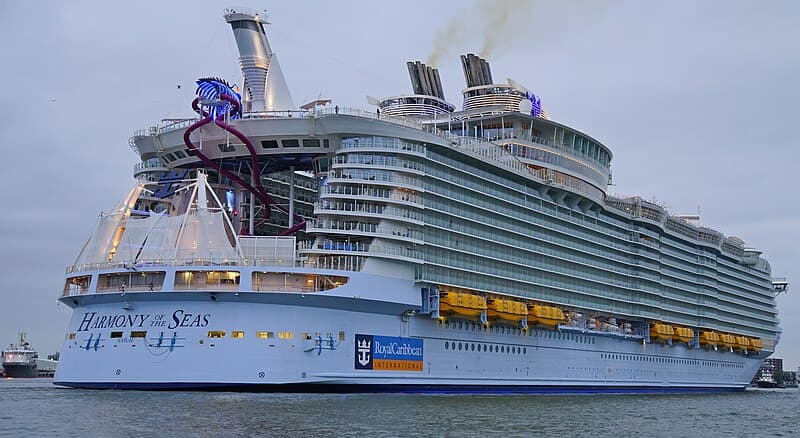
Royal Caribbean International Royal Caribbean's Oasis and Icon-class ships have some of the largest medical centers afloat, with dedicated ICU-style observation rooms, advanced cardiac monitoring, and telemedicine connections to the Cleveland Clinic. The line's newer ships carry additional medical staff proportional to their larger passenger counts.
Celebrity Cruises Celebrity maintains the same high standards as its parent company Royal Caribbean Group, with well-equipped facilities and strong shore-side medical partnerships. The Revolution-class ships feature updated medical centers with modern imaging equipment.
Disney Cruise Line Disney's medical facilities are proportionally well-staffed given their smaller ship sizes, and the line maintains strict health and sanitation protocols. Given the family-heavy passenger demographics, pediatric care capabilities are stronger than average.
Mid Tier: Solid Medical Care

Aerotrunk Compression Packing Cubes 4-Pack
- Double-zipper compression cuts volume by up to 60%
- Four sizes cover every clothing type
Compression cubes are the single best way to fit a week of cruise outfits into a carry-on
View on AmazonNorwegian Cruise Line Norwegian's facilities meet ACEP guidelines across the fleet. The line's newer Prima-class ships have upgraded medical centers with improved telemedicine capability.
Carnival Cruise Line Carnival operates the largest fleet in the world, and medical center quality is consistent across ships. Facilities handle the high volume of the line's passenger base competently.
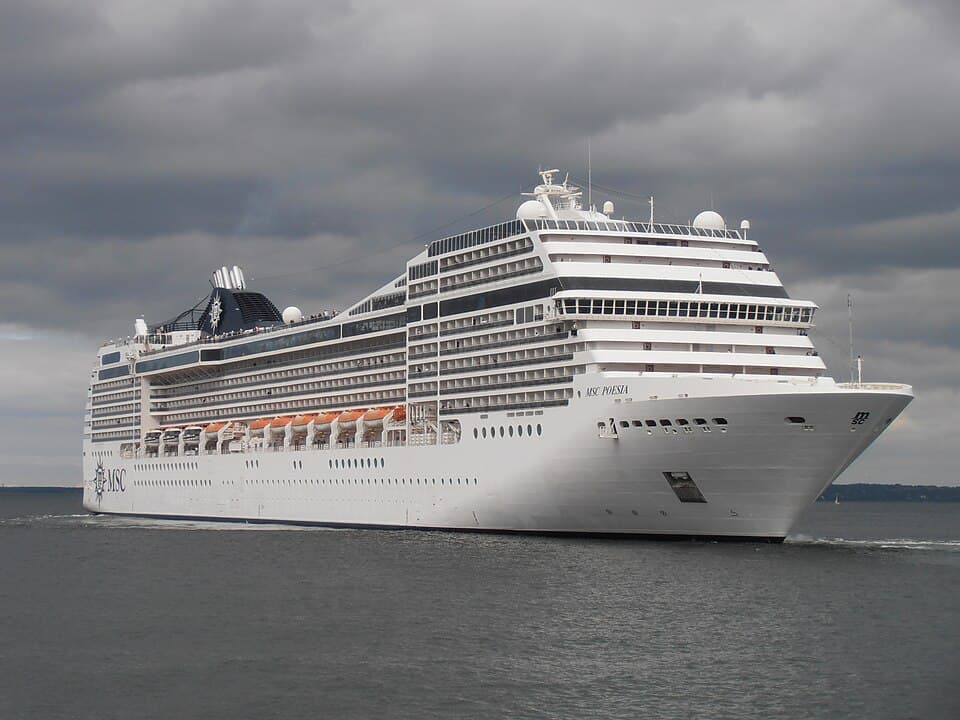
MSC Cruises MSC's newer ships (Meraviglia and World-class) have modern medical facilities. Older ships in the fleet may have more basic setups but still meet international standards.
Premium Tier: Luxury Lines
Viking Ocean Viking's smaller ships (930 passengers) mean lower patient volume and more personalized medical attention. Facilities are modern and well-equipped relative to ship size.
Silversea / Seabourn / Regent Seven Seas Luxury lines typically have excellent medical facilities relative to their smaller passenger counts. The staff-to-passenger ratio means faster response times and more attentive care.
Staying Healthy: Prevention Is the Best Medicine
The best way to deal with cruise ship medical care is to avoid needing it.
Before your cruise:
Get a dental checkup, a toothache at sea is miserable, and dental care onboard is limited
Update vaccinations appropriate for your destinations
See your doctor if you have chronic conditions and get medical clearance for travel
Fill all prescriptions with extra supply
During your cruise:
Wash your hands obsessively, especially before eating and after touching public surfaces
Stay hydrated, aim for 8-10 glasses of water daily, more in tropical destinations
Use sunscreen religiously and limit alcohol in the sun
Wear appropriate footwear around the pool deck (no flip-flops on wet tile)
Know your limits on shore excursions, that ATV tour sounds fun until you realize you haven't exercised in six months
One final note: if you're over 65, on multiple medications, or have a chronic condition that could flare up, don't let any of this scare you away from cruising. Millions of passengers in this category cruise every year without incident. Just be prepared: carry your medical information, buy travel insurance with strong medical coverage, and know where the medical center is on Day One. Preparation isn't pessimism, it's what lets you relax and enjoy the voyage.
For more on budgeting for a cruise including unexpected costs, see our cruise costs explained guide. And make sure to pack smartly with our what to pack for a cruise guide.