First-Time Cruiser Guide: Everything You Need to Know
Your complete guide to booking, packing, boarding, and enjoying your first cruise vacation. Written by cruisers who have sailed 50+ voyages.
Updated Feb 2026/10 min read
Why Take a Cruise?
A cruise vacation is one of the best values in travel. Your fare includes accommodation, all meals (breakfast, lunch, dinner, and snacks), live entertainment, pools, fitness centers, kids clubs, and transportation between multiple destinations. You unpack once and wake up in a new place every morning.
Modern cruise ships are floating cities with rock climbing walls, surf simulators, Broadway-style shows, water parks, multiple restaurants, and more activities than you could do in a month. Whether you want relaxation, adventure, or non-stop entertainment, a cruise delivers all three.
The cruise industry has also become remarkably accessible. Ships sail from dozens of US ports (no flight needed for many itineraries), cabin prices start under $100 per night (as of 2026), and cruise lines cater to every type of traveler: families, couples, solo travelers, and groups.
Booking Your First Cruise
Choose the Right Cruise Line
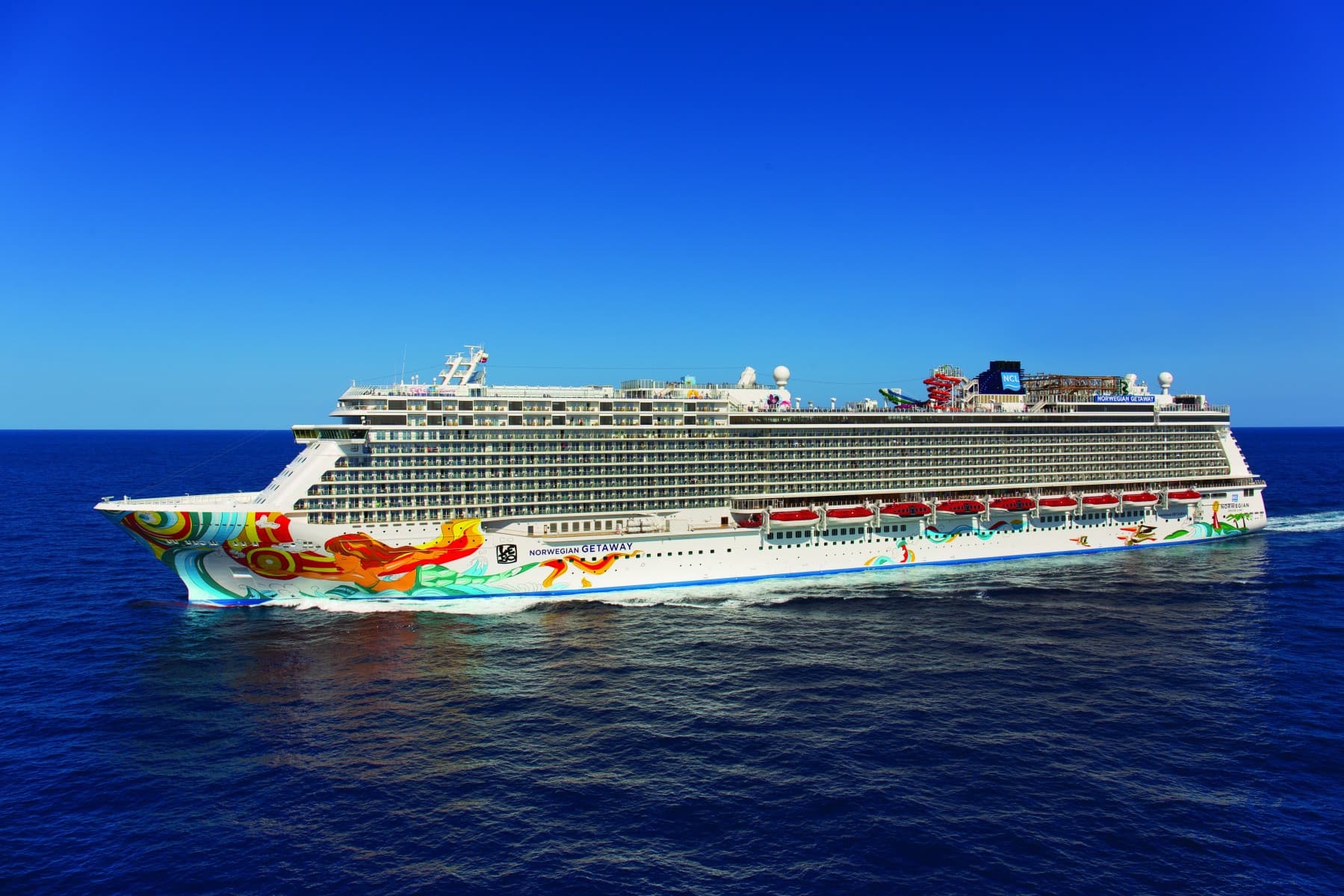
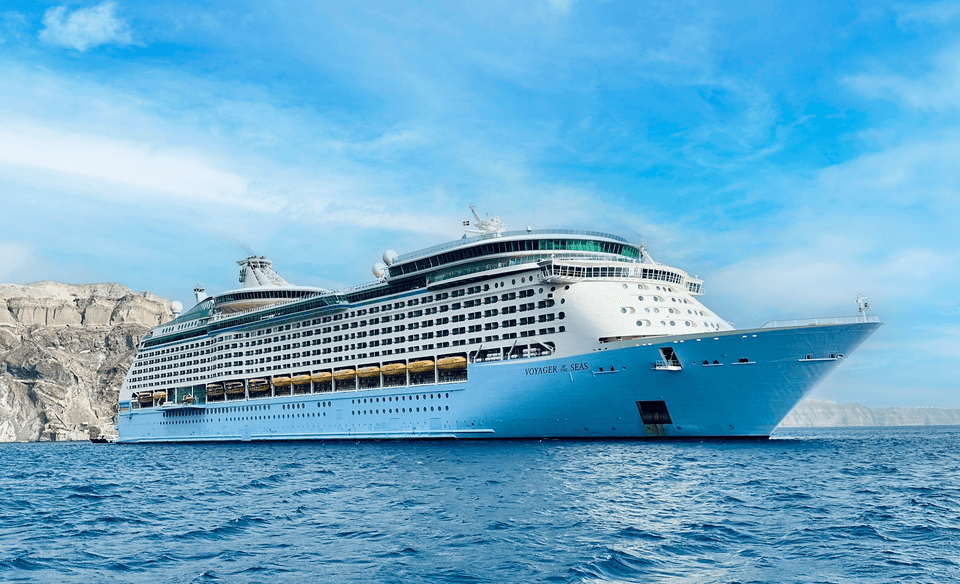
Different cruise lines cater to different travelers. Carnival and Royal Caribbean are excellent for families and first-timers with tons of activities. Norwegian offers maximum flexibility with no fixed dining times. Celebrity and Holland America suit travelers who want a more refined, adult-focused experience. Disney is the gold standard for families with young children.
Pick the Right Itinerary Length
For your first cruise, a 4-7 night sailing is ideal. Short enough to test whether you love cruising, long enough to fully experience the ship and visit 3-5 ports. Caribbean and Bahamas itineraries are the most popular for first-timers because of warm weather, calm seas, and easy embarkation ports like Miami, Fort Lauderdale, and Galveston.
Book Early for Best Selection
Book 12-18 months in advance for the best cabin selection and early-booking promotions. Cruise lines reward early bookers with onboard credit, free drink packages, and reduced deposits. You will also have first pick of the most desirable cabin locations, since mid-ship balconies sell out fastest.
Consider a Travel Agent
Cruise-specialist travel agents are free to use (the cruise line pays their commission) and often have access to group rates, cabin upgrades, and exclusive perks not available when booking direct. They can also handle all the details and advocate for you if issues arise.
First-Timer Recommendation
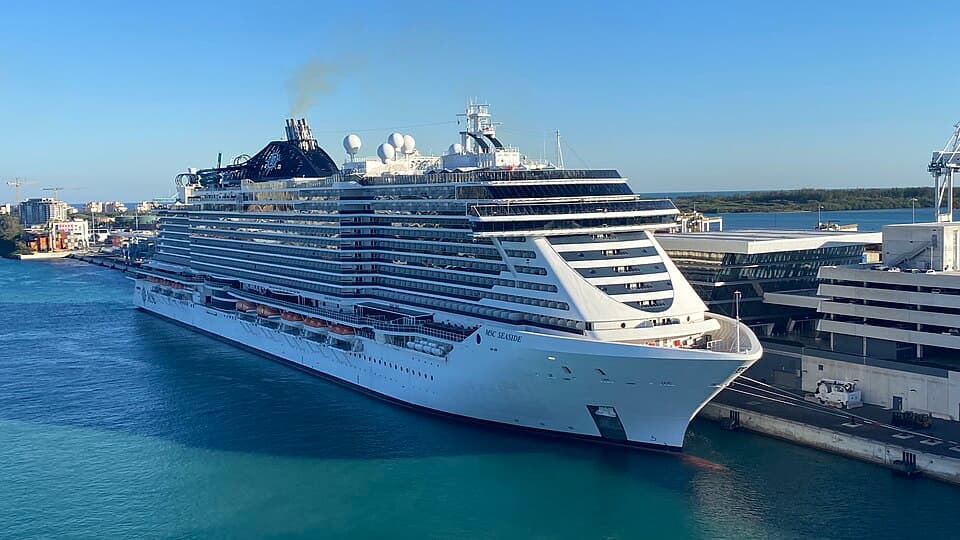
For your first cruise, we recommend a 7-night Caribbean itinerary on one of the two lines below. Both offer massive ships with endless activities, easy embarkation from Florida, and excellent value. A balcony cabin on a newer ship is the sweet spot for a first cruise.
Your cabin is the single biggest factor in your cruise price. For first-time cruisers, we recommend either an inside cabin (best budget) or a balcony cabin (best experience).
Inside Cabin
$50-$100/night per person
No window, but the most affordable option. Perfect if you plan to spend most of your time exploring the ship and ports. Modern inside cabins are comfortable and well designed, since you are only in your cabin to sleep and get ready.
Best for Budget travelers, active cruisers who are rarely in the cabin
Balcony Cabin
$100-$250/night per person
The most popular cabin type for good reason. Your own private outdoor space with ocean views. Wake up to sunrise over the water, enjoy morning coffee on your veranda, and watch port arrivals from your balcony. Many first-time cruisers say the balcony made their trip.
Best for First-time cruisers who want the full experience
Complete online check-in 2-4 days before your cruise. Upload your passport photo, complete health screenings, set up your onboard account, and select an arrival time at the port. This dramatically speeds up the boarding process.
No. 2
Arrive at the Cruise Terminal
Arrive at your assigned check-in time (usually between 11:00 AM and 2:00 PM). Drop your luggage with the porters outside the terminal. They will deliver it to your cabin. Tip $2-3 per bag. Keep your carry-on with essentials (medications, swimsuit, documents, valuables) since luggage may not arrive for several hours.
No. 3
Security and Check-In
Go through security (similar to airport screening), then check in at the desk. You will receive your cruise card. This is your room key, onboard charge card, and ID for getting on and off the ship. Keep it with you at all times.
No. 4
Board and Explore
Once onboard, head to the buffet for lunch (your cabin may not be ready until 1:30-2:00 PM). Then explore the ship: find the pool deck, main theater, guest services, and your muster station. Download the cruise line app for deck plans, daily schedules, and onboard chat.
No. 5
Muster Drill (Safety Briefing)
Every cruise requires a mandatory safety drill before departure. Most lines now offer an e-muster you can complete on your phone by watching a video and visiting your muster station. This takes 10-15 minutes and must be done before the ship sails.
No. 6
Sail Away!
Head to the top deck for the sail-away party. Watch the port recede as the ship heads to open water. This is one of the most memorable moments of any cruise. Many ships have a DJ, live music, and drinks during sail-away.
Life Onboard
A typical day on a cruise ship offers more activities than you can fit into 24 hours. Here is what to expect.
Entertainment
Broadway-style shows, live music, comedy clubs, game shows, trivia, karaoke, outdoor movies, and more. Most ships have a packed daily schedule with 50-100 activities to choose from. All main entertainment is included in your fare.
Pools and Relaxation
Multiple pools, hot tubs, water slides, and adults-only solarium areas. Many newer ships have surf simulators, lazy rivers, and water parks. Pool deck chairs are free, though they fill up quickly on sea days. Grab yours early.
Fitness and Sports
Full gyms, jogging tracks, basketball courts, rock climbing walls, mini golf, and more. Group fitness classes like yoga, Pilates, and spinning are available (some free, some paid). The gym is open early morning through late evening.
Kids and Teens
All major cruise lines offer supervised kids clubs broken into age groups (typically 3-5, 6-8, 9-11, 12-14, 15-17). Programs run all day and evening with activities like arts and crafts, video games, pool parties, and themed events. These are included in your cruise fare.
Dining on a Cruise
One of the best parts of cruising is the food. You will never go hungry with multiple dining options available from early morning until late at night.
Main Dining Room
Included
A sit-down restaurant with a multi-course menu that changes nightly. This is included in your fare and is one of the best dining experiences at sea. Choose "traditional" dining for a fixed time and table each night, or "flexible/anytime" dining to eat when you want. The food quality is excellent: think upscale restaurant with a 5-course meal every night.
Buffet
Included
Open for breakfast, lunch, and dinner with a wide variety of cuisines. The buffet is casual, no reservations needed, and great for families or anyone who wants quick, varied options. Quality varies by cruise line, but it is always filling and convenient.
Room Service
Included
Available 24/7 on most ships. A limited menu of sandwiches, pizza, salads, and breakfast items is typically free. Some premium items or late-night orders may have a small delivery charge ($3-$10).
Specialty Dining
Extra cost
Steakhouses, Italian restaurants, sushi bars, teppanyaki, and chef's table experiences with cover charges of $25-$75 per person. These offer elevated cuisine and a more intimate atmosphere. Worth trying at least once during your cruise.
Port Days and Shore Excursions
On port days, the ship docks at a destination and you are free to explore. You can book a shore excursion through the cruise line ($50-200+ per person), book an independent tour through sites like Viator or GetYourGuide, or simply walk off the ship and explore on your own.
Most ports have a tourist area within walking distance of the ship. You can find shops, restaurants, beaches, and local attractions without booking any excursion. Just make sure to return to the ship at least 30 minutes before the published departure time.
What Will It Cost?
Sample Budget: 7-Night Caribbean Cruise for Two Adults
Cruise fare (balcony cabin, 2 adults): $2,000-3,500
Gratuities ($18/person/day x 2 x 7): $250
Drink package (2 x $70/day x 7): $980
Shore excursions (4 ports x 2 adults): $400-800
WiFi package: $100-150
Specialty dining (1-2 meals each): $50-$300
Port parking or flights: $100-600
Total (all-in estimate) $4,000-6,500. Prices as of 2026.
Set a daily budget for extras before you board. Drinks, excursions, and spa treatments add up quickly.
Download the cruise line app immediately. It has your daily schedule, deck plans, restaurant menus, and onboard chat to text your travel companions for free.
Bring a lanyard for your cruise card. You will use it hundreds of times during the voyage.
Pack a carry-on with your swimsuit, medications, and essentials. Your luggage may not arrive at your cabin for several hours after boarding.
Try the main dining room at least twice. The food is included, the service is excellent, and the multi-course meals are a highlight of the cruise experience.
Book shore excursions in advance. Popular ones sell out. Start with cruise line excursions your first time for the guarantee that the ship will wait for you.
Explore the ship on the first day. Find the quiet spots, the adults-only areas, and the best views. Most passengers cluster around the main pool, but there are hidden gems everywhere.
Attend the sail-away on the top deck. It sets the tone for the entire cruise and is a genuinely special moment.
Do not overplan your sea days. Sleep in, try a new restaurant, sit by the pool, catch a show. The beauty of a cruise is that relaxation is built into the schedule.
Take the stairs instead of waiting for elevators. The elevator wait on a ship with 5,000+ passengers can be 5-10 minutes during peak times.
As an Amazon Associate I earn from qualifying purchases. Product prices and availability are accurate as of the date/time indicated and are subject to change.