Your first cruise is going to surprise you. Not in a bad way. In the "wait, I've been missing this?" way. The ship is bigger than you imagined, the food is better than it has any right to be, and by day two you'll wonder why you didn't do this sooner. But a little prep goes a long way. Here's what actually matters.
Ready to book a cruise? Browse 12,000+ live cruise deals on Cruisebound. Filter by destination, length, cabin type, and departure port to see today's pricing before you keep reading.
Before You Book
1. Choose the Right Cruise Line
Not all cruise lines are created equal. Match your vacation style:
Cruise Line | Best For | Vibe |
|---|---|---|
Families, first-timers | Mega-ship excitement | |
Budget-conscious, party atmosphere | Fun, casual | |
Flexibility seekers | Freestyle dining | |
Families with young kids | Magical, premium price | |
Adults seeking sophistication | Modern luxury | |
Holland America | Mature travelers | Classic cruising |
Princess | Multi-generational groups | Balanced experience |
2. Understand Ship Sizes
Ship size dramatically affects your experience:
Small ships (under 2,000 passengers):
Intimate atmosphere
Fewer amenities
Access to smaller ports
More destination-focused
Mid-size ships (2,000-4,000 passengers):
Balance of space and amenities
Good variety of activities
Often newer ships
Mega ships (4,000+ passengers):
Maximum entertainment options
Water parks, shows, multiple restaurants
Can feel crowded at peak times
May not access all ports
Compare ships at our ship comparison tool.
3. Pick the Right Itinerary Length
For your first cruise:
3-4 nights: Test the waters without major commitment. Good for seeing if you like cruising.
7 nights: The classic cruise length. Best value, full experience.
10+ nights: Only if you're confident you'll love it.
4. Understand Cabin Categories
Cabin Type | Pros | Cons | First-Timer Recommendation |
|---|---|---|---|
Inside | Cheapest, dark for sleeping | No natural light, small | Good for testing cruising |
Oceanview | Window with natural light | Often same size as inside | Slight upgrade worth considering |
Balcony | Private outdoor space, fresh air | More expensive | Great if budget allows |
Suite | Space, perks, priority boarding | Significantly more expensive | Save for second cruise |
Location tip: Mid-ship cabins experience less motion. Avoid cabins below the pool deck (noise) or near the nightclub.
5. Book at the Right Time
When to book:
12-18 months ahead: Best selection, new itineraries, promotional pricing
6-9 months ahead: Good selection, "wave season" deals (January-March)
2-3 months ahead: Limited selection but possible last-minute deals
Last minute: Risky, may not get preferred cabin or itinerary
Planning and Packing
6. What to Pack
Clothing essentials:
Casual daywear (shorts, t-shirts, sundresses)
Resort casual for dinner (slacks, blouses, nice dresses)
One formal outfit if your ship has formal nights
Swimwear (bring 2-3 for drying rotation)
Light jacket or sweater (ship AC is cold)
Comfortable walking shoes
Flip-flops for pool areas
Often forgotten items:
Power strip (non-surge protector, cruise ships prohibit surge protectors)
Lanyard for cruise card
Magnetic hooks (cabin walls are metal)
Small bag for port days
Medications in original bottles
Sunscreen and after-sun lotion
Multiple outlets plus USB-A and USB-C ports. Flat plug fits behind nightstands. Explicitly non-surge protected so it passes ship security every time. Lightweight, packs flat, works on every major cruise line.
Check Price on Amazon → (affiliate link)
Cruise Essentials Non-Surge Power Strip
- Multiple outlets plus USB-A and USB-C ports
- Flat plug fits behind nightstands
Clear waterproof pouch fits all major cruise line cards. Retractable reel lets you tap your card at bars and restaurants without removing it. Detachable clip for easy pocket switching.
Check Price on Amazon → (affiliate link)
Retractable Waterproof Lanyard with ID Pouch
- Clear waterproof pouch fits all major cruise line cards
- Retractable reel lets you tap your card at bars and restaurants without removing it
Super strong neodymium magnets hold up to 30 lbs each. Attach instantly to metal cabin walls, ceilings, and bathroom doors. Won't scratch surfaces. Hang robes, swimwear, hats, camera straps, and more.
Check Price on Amazon → (affiliate link)
Neosmuk Magnetic Hooks 80lb
- 80-pound pull force holds heavy jackets, camera bags, and backpacks
- Rubber coating prevents scratches on cabin surfaces
When you need to hang a heavy winter coat or camera bag on an Alaska cruise
View on Amazon7. Don't Overpack
Cruise cabins have limited storage. Most cruises are casual, you'll spend days in swimwear and evenings in resort casual. One formal outfit is plenty.
Rule of thumb: Pack half of what you think you need, then remove a few more items.
8. Prepare Documents
Required:
Passport (for international cruises)
Birth certificate + government ID (acceptable for some U.S. closed-loop cruises)
Boarding pass (printed or mobile)
Credit card for onboard account
Recommended:
Travel insurance documents
Shore excursion confirmations
Hotel reservation confirmations (if staying pre/post cruise)
Emergency contact information
9. Download the Cruise Line App
Every major cruise line has an app. Download it before you leave:
App features:
Daily schedule of activities
Restaurant menus and reservations
Deck plans and navigation
Chat with travel companions
Account balance tracking
Shore excursion booking
Embarkation Day
10. Arrive Early
Check-in opens around noon, but boarding often starts earlier.
Benefits of early arrival:
First access to the ship
Explore while crowds are light
Lunch is served immediately (included!)
Pool and amenities available
Avoid afternoon rush
11. Carry Essentials On Your Person
Your checked luggage may not arrive until evening. Carry:
Medications
Swimsuit (head straight to the pool!)
Change of clothes
Phone charger
Cruise documents
Valuables
12. Know the Embarkation Day Routine
Timeline:
Arrive at terminal (1-2 hours before boarding)
Security screening (like airport)
Check-in (get cruise card/medallion)
Board ship (scan cruise card)
Cabins available (usually 1:30-2:00 PM)
Mandatory muster drill (safety briefing)
Sail away (usually 4:00-5:00 PM)
Onboard Tips
13. Explore the Ship First Day
Spend your first afternoon learning the ship:
Walk all public decks
Find the main dining room, buffet, specialty restaurants
Locate pools, gym, spa, theater
Note stairway locations (faster than elevators)
Find your muster station (life jacket location)
14. Skip the Buffet on Embarkation Day
The buffet is chaos on day one, everyone heads there. Instead:
Main dining room. Often open for lunch, much calmer
Specialty restaurant. May offer free embarkation day lunch
Room service. Often free, delivered to your cabin
Poolside grill. Burgers and hot dogs, shorter lines
15. Set Your Daily Budget
It's easy to overspend on a cruise. Everything is cashless, charges go to your cabin card.
Plan for extras:
Drinks ($8-15 each, or consider a drink package)
Specialty dining ($25-75 per person per meal)
WiFi ($10-25 per day)
Shore excursions ($50-300+ per person)
Spa treatments ($100-300+)
Casino (set a limit!)
Gratuities ($15-20 per person per day, often auto-added)
16. Understand What's Included
Typically included:
Main dining room meals (breakfast, lunch, dinner)
Buffet
Room service (except late-night on some lines)
Entertainment (shows, movies, live music)
Pools, hot tubs, fitness center
Kids' clubs and activities
Typically extra:
Specialty restaurants
Alcoholic beverages
Soft drinks (on most lines)
WiFi
Shore excursions
Spa treatments
Photos
Casino
17. Know the Dress Codes
Daytime: Casual, shorts, swimwear, t-shirts acceptable everywhere except main dining room
Evening:
Casual/smart casual: Jeans OK (no shorts or flip-flops in dining room)
Formal nights: 1-2 per 7-night cruise, suits/dresses, but main dining room only
Tip: You can always eat at the buffet on formal nights in casual clothes.
At Port
18. Plan Shore Excursions Wisely
Ship excursions:
More expensive
Guaranteed return to ship
Group tours, less flexible
Easy, just show up
Independent tours:
Often cheaper
More authentic experiences
YOU are responsible for returning on time
Research required
Going it alone:
Cheapest option
Maximum flexibility
Works best in walkable ports
Download offline maps
19. Never Be Late Returning to Ship
This is the most important rule for first-time cruisers.
Ships leave on time, with or without you
If you miss the ship, you're responsible for getting to the next port
Flights, hotels, and transport are on you
Safe practices:
Set an alarm 90 minutes before "all aboard" time
Book ship excursions for guaranteed return
Stay close to port if exploring independently
Have the ship's emergency contact number
20. Bring Cash for Ports
While the ship is cashless, ports often require cash:
Taxi fares
Local market vendors
Tips for tour guides
Beach vendors
Bathrooms (some charge)
Currency tip: U.S. dollars are accepted in most Caribbean ports. Exchange at home before cruising Europe or Asia.
Sea Days
21. Don't Over-Schedule
The best part of cruising is relaxation. Sea days are for:
Sleeping in
Pool time
Spa treatments
Reading on your balcony
Exploring the ship
Attending shows
You don't need to do everything. The ship's activities will be there tomorrow.
22. Eat Strategically
You won't be hungry 24/7, despite the endless food.
Tips:
Share dishes at specialty restaurants
Light lunch if you have dinner reservations
Try the main dining room, quality is excellent
Room service breakfast is a treat
The buffet isn't your only option
Common First-Time Mistakes
23. Mistakes to Avoid
Booking:
Booking a "guaranteed" cabin (you can't choose location)
Ignoring cancellation policies
Not reading reviews
Packing:
Overpacking
Forgetting medications
Not bringing a power strip
Onboard:
Skipping the muster drill (mandatory, you'll be tracked down)
Over-scheduling port days
Not setting a spending limit
Missing the ship at port
Money:
Not understanding gratuities (usually auto-added)
Forgetting cash for ports
Not tracking onboard spending
24. Motion Sickness Preparation
Pack these even if you never get car-sick. Rough seas catch everyone off guard:
Pack Dramamine or Bonine
Ginger candies work for mild cases
Sea-Bands (acupressure wristbands)
Choose mid-ship, lower deck cabins
Focus on the horizon if feeling queasy
Avoid heavy, greasy foods on rough days
Drug-free acupressure on the Nei-Kuan point. Zero drowsiness or side effects. Reusable for years. Safe for kids, pregnant travelers, and adults. FDA-cleared. Put them on before you feel sick for best results.
Check Price on Amazon → (affiliate link)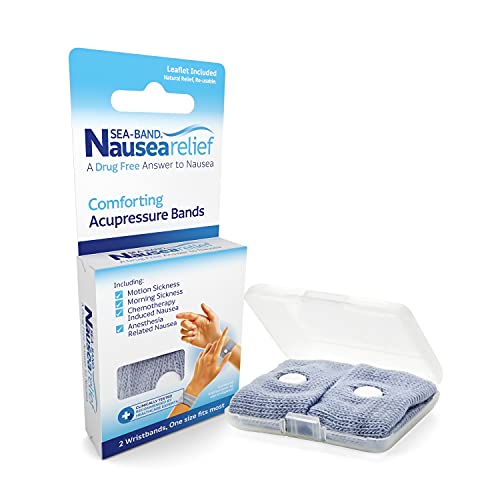
Sea-Band Anti-Nausea Acupressure Wristbands
- Drug-free acupressure on the Nei-Kuan point
- Zero drowsiness or side effects
Note: Modern cruise ships are remarkably stable. Most cruisers never feel seasick.
25. Relax and Enjoy
The crew wants you happy. That's literally their job. A few ways to let them:
Ask questions, no question is too basic
Request help with dining reservations
Report any issues immediately (they want to fix them)
Don't stress about "doing everything right"
This is your vacation, do what makes you happy
Track Your Ship
During your cruise, family can follow your journey on our live map. Share your ship's tracking page with loved ones so they can see exactly where you're sailing.
Ready to Book Your First Cruise?
Browse ships that are good for first-timers:
Royal Caribbean ships, Impressive mega ships, great for families
Norwegian ships, Freestyle dining, maximum flexibility
Carnival ships, Affordable fun with excellent value