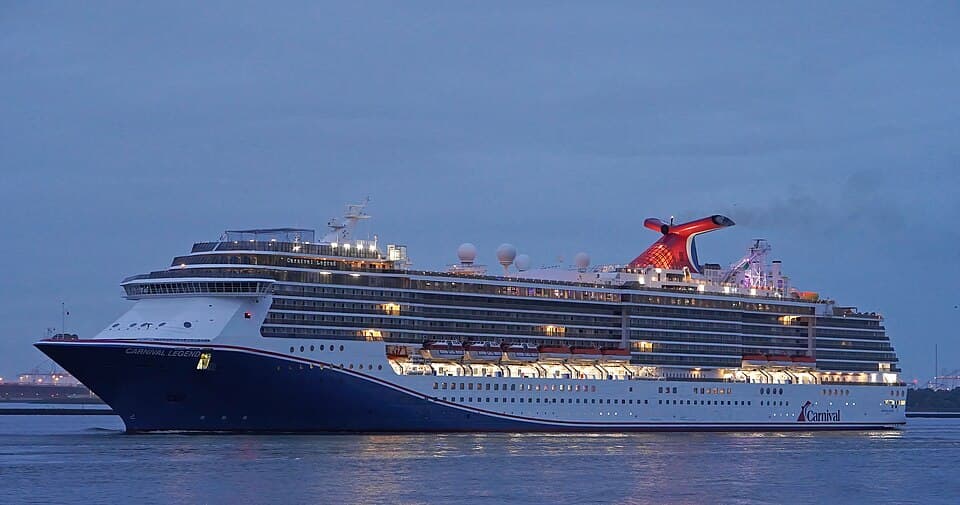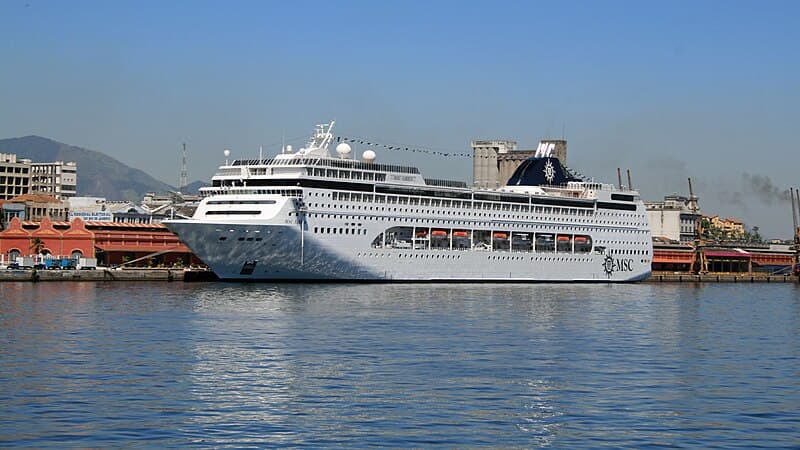
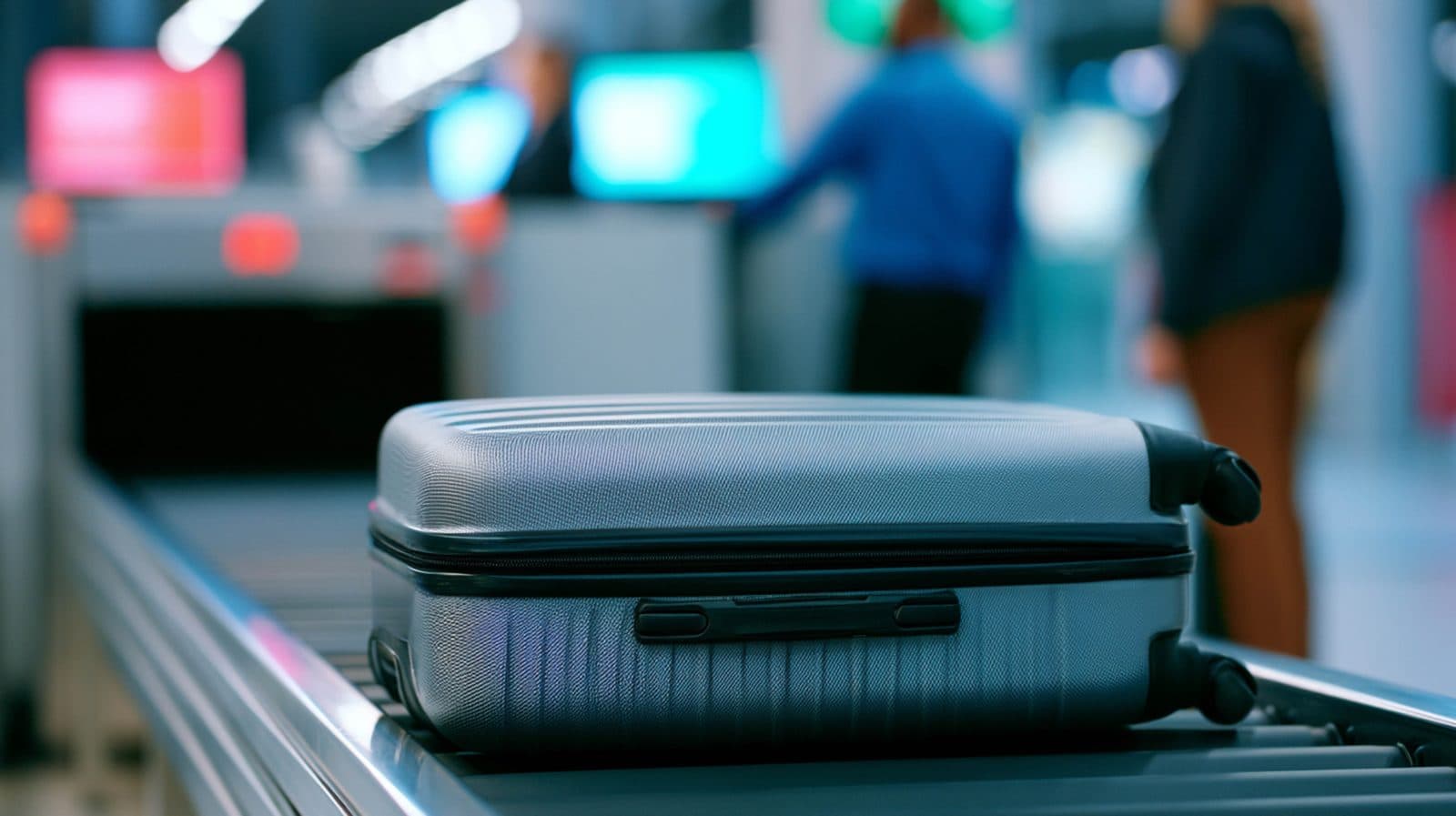
Your checked luggage can take hours to reach your cabin door on embarkation day, sometimes not arriving until dinner. Your carry-on is what gets you through the first several hours aboard, the muster drill, lunch, and your first look at the pool deck, so it needs to work as a self-contained kit, not just a small suitcase.
Documents that must stay on your person
Passports, boarding documents, and vaccination records belong in your carry-on, never in checked luggage. A Family Passport Holder Waterproof keeps everyone's documents in one place at the check-in counter, where fumbling through a bag for five different passports is the most common embarkation delay first-timers cause for themselves and everyone behind them in line.

Family Passport Holder Waterproof
- Holds multiple passports and travel documents in one waterproof case
- RFID blocking for all slots
Embarkation day with 4 passports, cruise docs, and boarding passes, one case keeps it sane
View on AmazonHour-by-hour: what your carry-on needs to survive embarkation day
The terminal check-in line runs anywhere from thirty minutes to two hours depending on the port and time of arrival. Your carry-on needs to be light enough to carry through this stretch comfortably, since you'll be holding it, not rolling it, through security screening and photo check-in stations.
Boarding through the muster drill takes another hour or so once you're aboard, and cabins usually aren't ready yet during this window. This is when the swimsuit and change of clothes packed in the carry-on matter most, since the pool deck and buffet are open well before your actual room is.
The first afternoon, cabin still inaccessible for many arrivals, is when the power bank in your carry-on earns its space; your phone has been running boarding passes, photos, and the ship's app for hours by this point with no outlet in reach.
By early evening, most cabins are ready and checked bags start arriving, sometimes not until closer to dinner. Once your cabin door opens, the carry-on's job is largely done, though it's worth keeping documents and medication in it rather than unpacking everything immediately, in case a first-night document check comes up.
Swimwear and a change of clothes
Pack one swimsuit and a change of clothes in the carry-on specifically. Ships allow you onboard hours before cabins are ready, and the pool deck is open the moment you board; travelers without a suit packed accessibly spend their first hours in day-of-travel clothes instead of at the pool.
Medication, in full
Any daily medication goes in the carry-on in its original, labeled container, enough for the full cruise plus a few extra days. Checked luggage occasionally gets delayed or misrouted between the terminal and your cabin on a busy embarkation day, and a missed dose of a necessary medication isn't a risk worth taking over a few extra ounces of carry-on weight.
Power for the first day
The OHOVIV 50,000mAh Portable Power Bank matters most on embarkation day specifically, since your cabin likely isn't accessible yet when your phone needs to be for boarding passes, the ship's app, and photos of your first hours aboard. Charging isn't optional when your cabin key, dining reservations, and daily schedule all live on your phone.

OHOVIV 50,000mAh Portable Power Bank
- 50,000mAh capacity charges phones 8-10 times over
- Not flight-legal, ~185Wh exceeds the 160Wh airline limit, so it is barred from carry-on and checked bags
Comfort for the travel day itself
If you're flying to your embarkation port, a Bespilow Memory Foam Travel Pillow and Compression Socks 3-Pack 15-20mmHg make the flight and the terminal wait more bearable, especially on international itineraries with long connecting flights before the ship even leaves port.
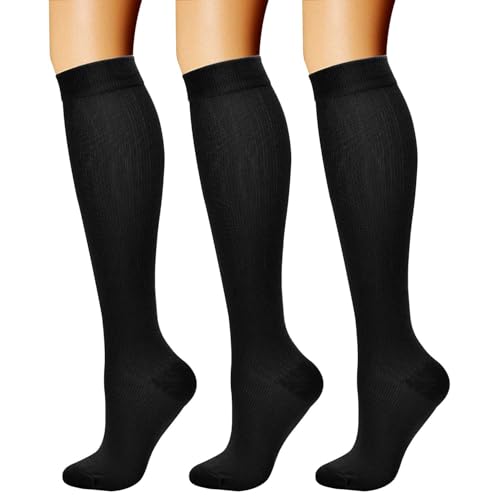
Compression Socks 3-Pack 15-20mmHg
- 15-20mmHg compression reduces leg swelling on flights and long excursion walks
- Three pairs for the cruise week
Long flights to embarkation ports and 20K-step excursion days, compression socks prevent swelling
View on AmazonMotion sickness, just in case
Sea-Band Acupressure Wristbands belong in the carry-on rather than checked luggage, since the first hours aboard, still docked or in a harbor, aren't usually when motion sickness starts, but having them accessible from hour one means you're not searching a delayed checked bag if symptoms begin at sea.

Sea-Band Acupressure Wristbands
- Clinically tested acupressure wristbands work without medication
- No drowsiness side effects
The go-to drug-free seasickness solution recommended by cruisers worldwide
View on AmazonWhat people overpack in a cruise carry-on
A full-size toiletry kit is the most common carry-on overpack. Checked luggage typically arrives well before bedtime, so a small travel-size kit covers the gap; anything more just adds weight to a bag you're carrying through a terminal line for an hour or two.
A full change of formal wear "just in case" ignores that formal night never falls on embarkation day itself. Save the dressier pieces for checked luggage and use the carry-on's limited space for what the first few hours actually require.
Multiple electronic devices, a tablet, a laptop, a second phone, rarely get used in the first few hours aboard, when most people are focused on finding the pool, checking in for dining, and settling into the ship rather than working or streaming. One phone and the power bank above cover the actual first-day need.
Valuables beyond what you'll use that day, a full jewelry case, an expensive watch you won't wear at the pool, carry more risk than benefit in a carry-on you're managing through a crowded terminal. Leave anything you won't need in the first hours in checked luggage or your cabin safe once you're settled.
Skip these
Skip packing your entire toiletry kit in the carry-on; a travel-size version for the first day is enough since checked luggage typically arrives well before bedtime. Skip valuables beyond what you'll actually use in the first few hours; a full jewelry case in a carry-on is more risk than benefit for a same-day item. Skip anything liquid over TSA limits if you're flying to your port; check your airline's rules separately from the ship's, since they differ.
For the full embarkation day sequence beyond what to carry, see the cruise embarkation checklist and cruise disembarkation process for the return-trip version of this same planning.
Common questions
What should never go in checked luggage on a cruise?
Passports, prescription medication, and anything you need before your checked bag reaches your cabin (swimwear, chargers, valuables) should stay in your carry-on. Checked bags can take several hours to arrive at your door after boarding.
Can I access the pool before my cabin is ready?
Yes, most ships open pool decks and buffet dining as soon as boarding begins, well before cabins are ready for occupancy, typically in the early-to-mid afternoon. Pack a swimsuit in your carry-on to use those first hours rather than waiting in day-of-travel clothes.
How much medication should I carry on versus check?
Carry your full medication supply in its original container in your carry-on rather than splitting it with checked luggage. If checked luggage is delayed or misdirected, you still have everything you need for the entire cruise on your person.
How long does it typically take for checked luggage to reach a cabin?
Checked bags commonly arrive anywhere from mid-afternoon to early evening, occasionally not until closer to dinner on a busy embarkation day. Pack the carry-on assuming you won't see your checked bag until then.
Do I need my cabin key card before my cabin is ready?
Yes, your key card is typically issued at check-in and doubles as your onboard payment method and ID from the moment you board, well before your cabin opens. Keep it in an easily reachable carry-on pocket rather than packed away.
Pack your carry-on like your first day depends on it, because it does. Everything you need before your cabin and your checked bag catch up to you belongs in the bag you keep with you at the gangway.