If you have spent any time researching cruise ships, you have seen numbers like "248,663 GT" or "144,017 GT" attached to ship descriptions. Gross tonnage comes up constantly. In ship comparisons, booking sites, maritime records, and news coverage. It is also one of the most consistently misunderstood figures in cruising.
Here is the complete, accurate explanation of what gross tonnage is, what it actually measures, and why it matters when choosing a ship.
Ready to compare ships by size? Browse cruise sailings on Cruisebound →
Gross Tonnage Is Not Weight
This is the single most important thing to understand: gross tonnage does not measure how heavy a ship is.
Despite the word "tonnage," GT has nothing to do with mass. A common mistake is assuming that a 250,000 GT ship weighs 250,000 tons. It does not. The weight of a ship is measured by its displacement. The weight of water it pushes aside when floating. Displacement is sometimes quoted for warships but rarely used in civilian cruise ship comparisons.
Gross tonnage measures enclosed internal volume.
How Gross Tonnage Is Actually Calculated
The official definition comes from the 1969 International Convention on Tonnage Measurement of Ships (TONNAGE 69), which established a standardized formula used worldwide:
GT = K × V
Where:
V = total volume of all enclosed spaces on the ship (in cubic meters)
K = a variable factor ranging from 0.22 to 0.32, based on the size of V
1 gross ton ≈ 2.83 cubic meters of enclosed internal space
In practical terms: measure every enclosed interior space on the ship, cabins, restaurants, engine rooms, stairwells, storage, corridors, entertainment venues, add them up, apply the formula, and you get the gross tonnage figure.

Mifaso Cruise-Approved Power Strip
- Cruise-approved (no surge protector) with multiple USB ports
- Compact design fits perfectly on the narrow cabin nightstand
Cruise cabins have limited outlets, this solves the charging problem without tripping ship safety rules
View on AmazonThis is why GT is sometimes described as a measure of ship "size" rather than "weight." It reflects how much interior the ship contains.

Cruise Door Organizer 24 Pockets Magnetic
- 24 clear pockets attach magnetically to the metal cabin door
- Holds sunscreen, lanyards, snacks, and small items
The single most recommended cruise hack, turns your cabin door into instant storage
View on Amazon
DIYMAG Magnetic Hooks 6-Pack
- Super-strong neodymium magnets stick to cabin walls and ceilings
- Hang hats, bags, towels, and lanyards anywhere
Cruise cabin walls are steel, magnetic hooks turn every surface into storage
View on Amazon
5-Pack Cruise Lanyards Waterproof
- Waterproof holders protect your cruise card at the pool and on excursions
- Five lanyards for the whole family
Your cruise card is your key, wallet, and ID, a waterproof lanyard keeps it safe and accessible
View on AmazonWhy GT Matters: What It Tells You About a Ship
A higher gross tonnage means the ship has more total enclosed interior space. That translates directly to:
More cabins (higher passenger capacity)
More dining venues (bigger buffets, more specialty restaurants)
More entertainment spaces (theaters, clubs, arcades, sports facilities)
Larger common areas (atriums, promenades, pool decks)
This is why Icon of the Seas at 248,663 GT can accommodate 7,600 passengers across 40+ dining venues and 8 pools. And why a boutique expedition ship at 20,000 GT carries 200 passengers with one restaurant and a lecture theater.
GT is essentially the raw capacity measurement before you add passengers. It tells you how much ship there is.
The Limitation of GT: Space Ratio Matters More
Here is where GT alone becomes misleading. A ship with 200,000 GT carrying 9,000 passengers might actually feel more crowded than a 50,000 GT ship carrying 700 passengers.
This is where the passenger space ratio becomes essential:
Space Ratio = Gross Tonnage ÷ Passenger Capacity (double occupancy)
A higher space ratio means more ship per person. Typically translating to wider corridors, larger cabins, less queue time, more deck chairs per passenger, and a more spacious overall feel.
Space Ratio Comparison
Ship | Gross Tonnage | Passengers | Space Ratio |
|---|---|---|---|
Seabourn Ovation (ultra-luxury) | 40,350 GT | 604 | 66.8 |
Viking Sky (premium) | 47,842 GT | 930 | 51.4 |
Celebrity Edge (premium) | 130,818 GT | 2,918 | 44.8 |
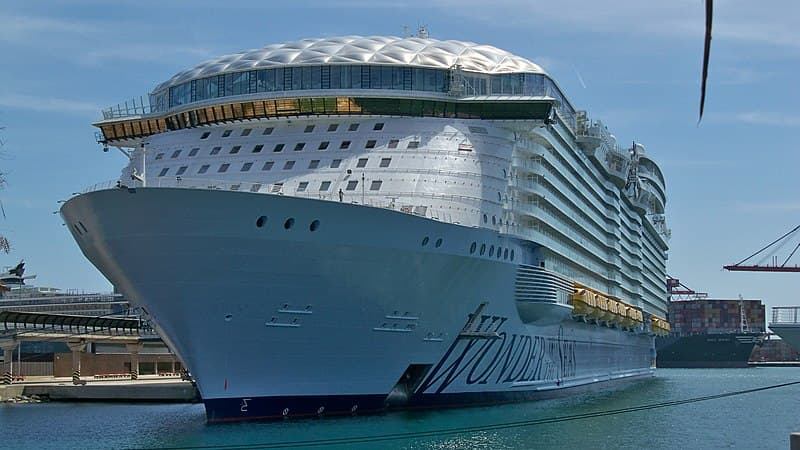
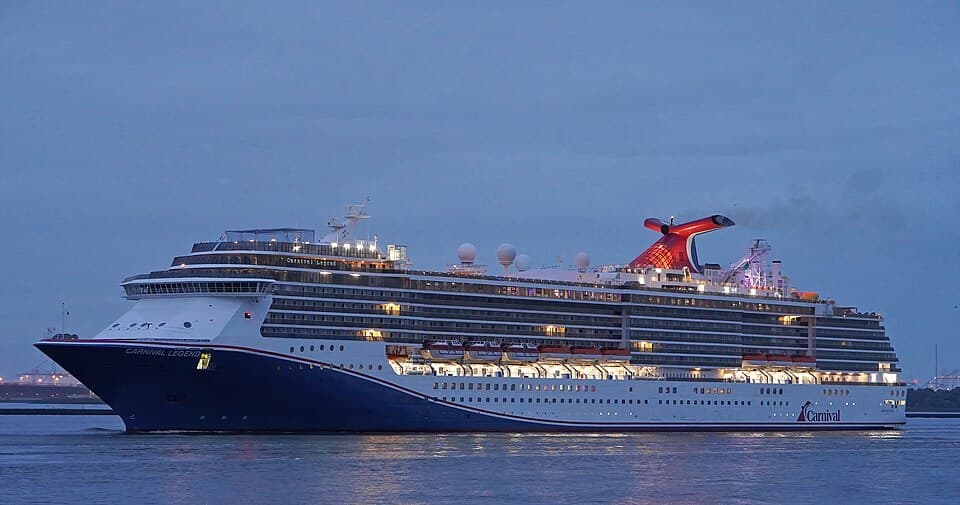
144,017 GT | 3,963 | 36.3 | |
248,663 GT | 7,600 | 33.0 | |
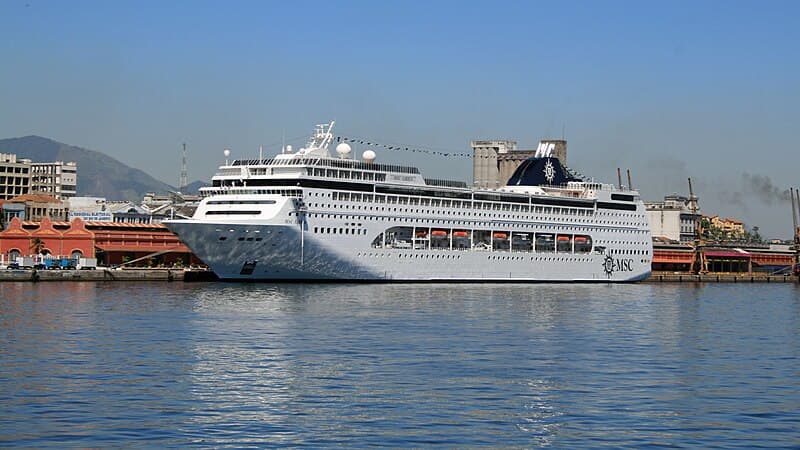
MSC World Europa | 215,863 GT | 6,762 | 31.9 |
The pattern is clear: ultra-luxury and premium ships deliberately carry fewer passengers per ton, resulting in a spacious feel that has nothing to do with the absolute GT number. Budget and contemporary megaships maximize the GT by filling it with more passengers.
A space ratio above 40 is generally considered spacious. Between 30-40 is comfortable but busy. Below 30 can feel crowded on sea days.

Aerotrunk Compression Packing Cubes 4-Pack
- Double-zipper compression cuts volume by up to 60%
- Four sizes cover every clothing type
Compression cubes are the single best way to fit a week of cruise outfits into a carry-on
View on AmazonComparing Ships: A Practical Example
Let's put this in context with two real ships:
Icon of the Seas (248,663 GT)
The world's largest cruise ship by GT
Carries 7,600 passengers double-occupancy
Space ratio: 33.0
40+ restaurants, 8 pools, 7 waterslides, 20 passenger decks
Designed to maximize amenity density. The sheer number of venues means even at full capacity the crowds spread across 8 neighborhoods
Seabourn Ovation (40,350 GT)
An ultra-luxury small ship. Roughly 1/6th the GT of Icon
Carries only 604 passengers
Space ratio: 66.8. Literally twice as spacious per passenger
All-suite, nearly 1:1 crew-to-guest ratio
No crowds, no queues, no need for eight neighborhood zones
The paradox is real: the smaller ship provides a more spacious experience despite being a fraction of the GT. Icon's 248,663 GT provides more total amenities. But Seabourn's 40,350 GT provides more personal space.
Other Tonnage Terms You May Encounter
Net tonnage (NT): A subset of GT that measures only revenue-earning enclosed spaces (cabins, restaurants). Excluding areas like engine rooms, navigation spaces, and crew quarters. Used for port fee calculations.
Displacement tonnage: The actual weight of the ship plus everything aboard, measured in metric tons. A large cruise ship displaces roughly 100,000–200,000 metric tons of water. This is the true "weight" measurement but rarely cited in consumer cruise contexts.
Deadweight tonnage (DWT): Used primarily for cargo ships. The weight of cargo, fuel, water, and stores the vessel can carry. Not relevant for passenger ships.
How to Use GT When Comparing Ships
When you encounter GT figures on booking sites or ship comparison pages:
Use GT as a proxy for ship size and total amenity count. More GT means more to do onboard
Always calculate or check the space ratio. GT alone doesn't tell you how crowded the ship will feel
Compare within ship classes: comparing a 20,000 GT expedition ship to a 250,000 GT megaship is not useful; they serve completely different travel styles
Use our [ship comparison tool](/compare) to see GT, passenger count, and space ratios side by side
The Bottom Line
Gross tonnage is a measure of enclosed internal volume, not weight. It tells you how much ship there is, and by extension, how many amenities and passengers that ship can accommodate. But GT alone is not the complete picture. The passenger space ratio transforms gross tonnage into a meaningful quality-of-experience metric.
A 250,000 GT ship is an extraordinary feat of engineering with extraordinary onboard amenities. Whether it delivers an enjoyable cruise depends on how many people are sharing all that space.
Browse cruise ships by size or use the space ratio comparison tool to find the right balance for your sailing style.