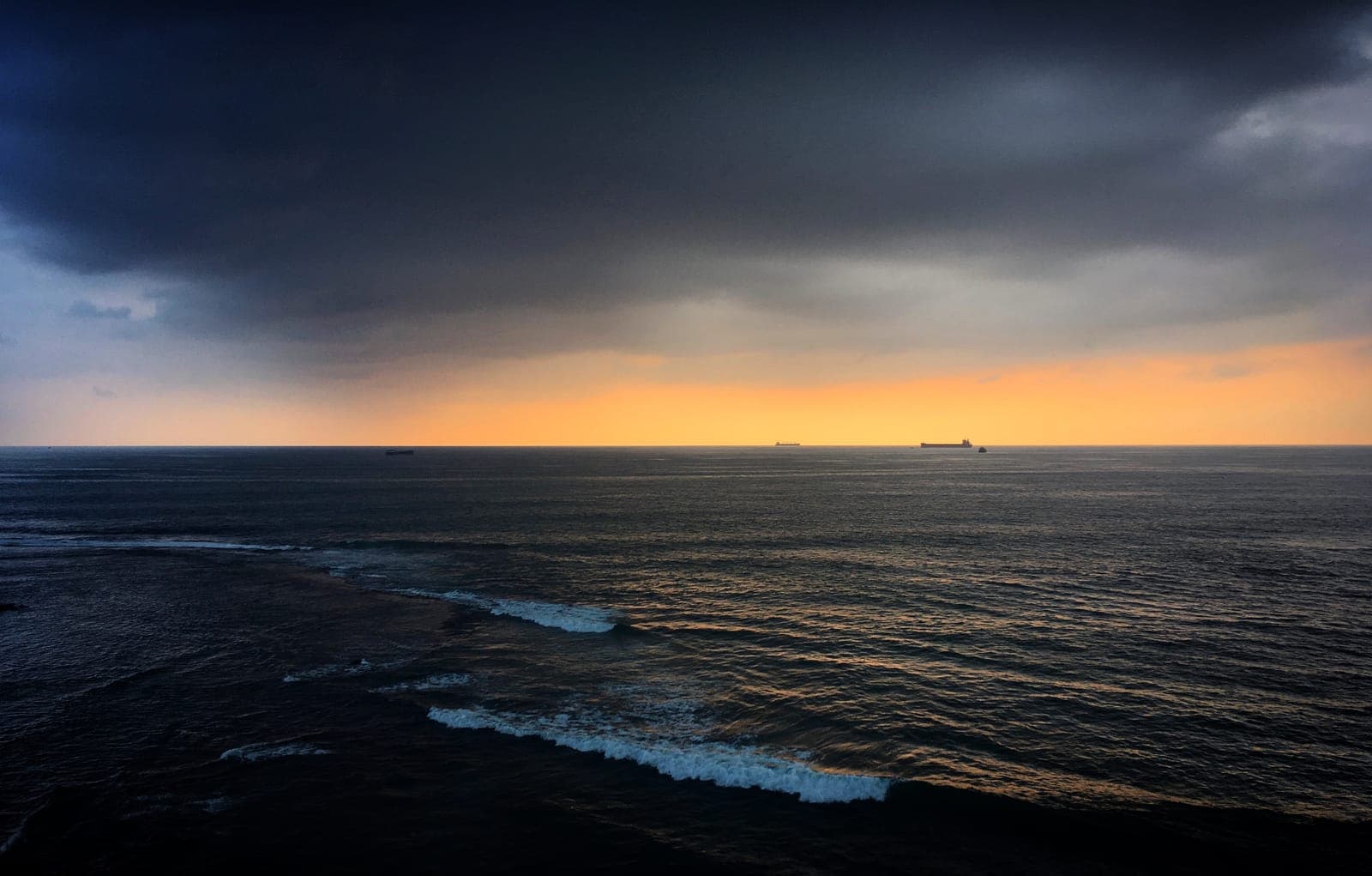
The ocean around a cruise ship is vast, dark, and indifferent. From the moment a person enters the water, the clock is already running. And the physics of rescue at sea are unforgiving. What follows inside the ship in those first minutes is one of the most precisely choreographed emergencies in modern maritime operations.
When someone falls off a cruise ship, the crew immediately executes a multi-step rescue protocol: the bridge initiates a precision return maneuver, the Coast Guard is alerted, rescue boats are deployed, and CCTV footage is reviewed to pinpoint exactly when and where the person entered the water.
The Numbers Are Sobering
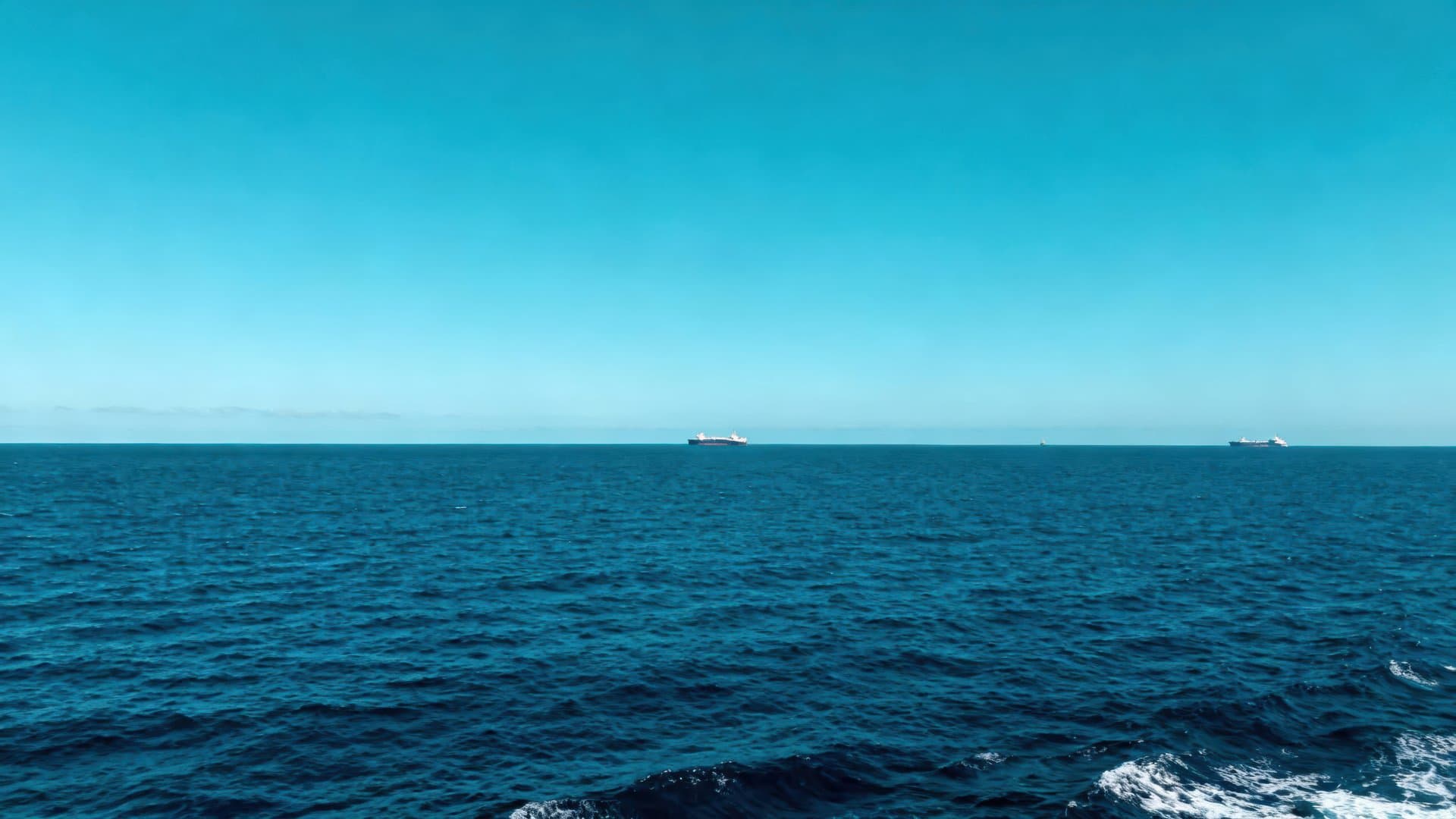
Man overboard incidents are rare relative to the hundreds of millions of passenger-nights sailed each year. But they are not rare enough, and they are rarely survivable.
According to data compiled by the Cruise Lines International Association (CLIA) covering the decade from 2009 to 2019, there were 212 documented overboard incidents. Of those, approximately 28% of people were rescued alive. Long-term survival rates, accounting for delayed recovery, are likely lower still.
Recent years have not shown meaningful improvement. In 2024 alone, approximately 19 confirmed overboard incidents were recorded. Since 2017, roughly 187 such incidents have been tracked by researchers who monitor maritime safety reporting. An average that runs close to 20 per year.
These numbers deserve context: the cruise industry carries tens of millions of passengers annually. But for each of those 20 families per year, the statistic is not a rate. It is an event.
Why "Accidental Fall" Is Usually the Wrong Frame
The popular image of someone accidentally tumbling over a railing is, for the most part, not how these incidents happen.
Modern cruise ship railings are built to sturdy international standards, standing between 3.5 and 4 feet (1.1 to 1.2 meters) in height. Going over one by accident, tripping, stumbling, leaning, is genuinely difficult. The engineering is designed to prevent exactly that. When investigators examine overboard cases, they consistently find that the circumstances involve something more.
The primary risk factors, in descending frequency:
Risky behavior on deck. Leaning over railings for photos, climbing on furniture, or attempting stunts
Intoxication. Alcohol is estimated to be involved in 60% to 80% of overboard cases, impairing judgment and coordination
Intentional acts. A significant share of incidents are not accidental at all
The time-of-day data reinforces this picture. Approximately 75% of overboard fatalities occur at night, when visibility is minimal, supervision is absent, and the combination of alcohol and darkness creates the conditions in which these incidents cluster.
This does not diminish the tragedy. It does matter for how the industry thinks about prevention. And for how passengers can think about their own behavior on deck. If you want a broader safety grounding before you sail, the cruise ship safety guide is a good starting point, and first cruise tips covers the practical habits that keep passengers safe throughout a voyage.
The Moment the Alarm Sounds
The "man overboard" alarm transforms a cruise ship within seconds. Here is what happens on the bridge and throughout the vessel simultaneously.
Bridge Response
The officer on watch initiates an immediate turn of the vessel. The goal is to keep the person as close to the ship as possible and begin returning to the point where they entered the water. Simultaneously:
The ship's position and course at the moment of the alarm is logged
The Coast Guard, or the relevant regional maritime authority, depending on location, is notified immediately
Any vessels in the vicinity are alerted via radio
CCTV Review
One of the most critical steps happens in the ship's security center, not on deck. The crew reviews closed-circuit camera footage to identify exactly when and where the person went overboard. This is not a routine check. It is a precise forensic step that determines the search zone. A few minutes of difference in the estimated entry point can translate to hundreds of meters at sea.
Rescue Boat Deployment
While the ship maneuvers, a rescue boat is prepared and launched. Speed matters here in ways that compound: the ship is large and slow to turn, the person in the water is small and drifting, and every additional minute reduces survivability.
For a full breakdown of how emergency procedures are structured across different scenarios, see cruise safety and emergency procedures.
The Williamson Turn: Bringing the Ship Back
The precision maneuver at the heart of every man overboard response is called the Williamson Turn. It is not simply turning the ship around. It is a specific navigational sequence designed to bring the vessel back along its own track, directly to the point where the person entered the water.
The sequence involves an initial hard turn to one side, followed by a counter-turn that loops the ship back on a reciprocal heading. The logic is elegant: rather than attempting to estimate where the person now is after drifting, the Williamson Turn targets where they were, along the ship's own wake. A known path.
Executing the maneuver correctly on a vessel that may be 1,000 feet long and traveling at 20 knots takes skill, precision, and time. The turn itself covers substantial ocean distance before the ship stabilizes on the return heading.
This is where a site like cruiseshiptracking.com offers something genuinely unusual: because we maintain a historical record of AIS (Automatic Identification System) ship positions, it is possible to reconstruct the exact course a vessel took during an incident. Including the distinctive arc of a Williamson Turn. The sharp deviation from a vessel's normal track, followed by the looping return course, is visible in the positional data. It is one of the more striking ways that maritime tracking data intersects with real-world emergencies.
For more on how the technology systems aboard modern ships work together, cruise ship technology explained covers the broader picture.
Detection Technology: The Gap Between What Exists and What Is Required
The most advanced man overboard detection systems available today can identify a person in the water up to approximately 2 kilometers away. In darkness, in choppy seas, against the visual noise of ocean surface. The technology is genuinely impressive.
These systems layer multiple detection methods:
Thermal and infrared cameras detect the heat signature of a human body against the cooler ocean surface, effective even at night when the majority of incidents occur
Micro-radar identifies objects in the water that optical systems might miss
AI image recognition applies pattern-matching algorithms to flag human shapes automatically, triggering an alert without requiring a crew member to spot the person manually
When these systems detect a potential overboard event, they can auto-deploy marker dye to mark the location and replay the triggering video clip immediately. Giving the bridge team confirmation and a precise location within moments.
The cost of a full system runs to approximately $200,000 per ship.
Here is the critical gap: none of this is federally mandated. There is no international requirement for cruise ships to carry man overboard detection technology. Approximately 30 ships, largely within Carnival and Disney brand fleets, are reported to have these automated systems installed. The rest of the industry relies on crew observation, passenger reports, and CCTV review after the fact.
Why Survival Is So Difficult
Even when the response is fast and the technology is working, the ocean extracts a steep toll.
Impact. A person falling from a cruise ship deck hits the water from a considerable height. Depending on deck level, potentially many stories above the surface. At that speed, water does not absorb the impact gently. Injury and disorientation at the moment of entry are significant factors in whether someone is able to stay afloat and signal for help.
Hypothermia. Water temperature is the most relentless threat. Even in relatively warm cruising waters, the human body loses heat rapidly when submerged and fighting currents. In cooler waters, North Atlantic, Alaska, Northern Europe routes, survival windows can be measured in minutes, not hours.
Darkness and drift. A person in the ocean at night is extraordinarily difficult to locate visually. They drift with current and wind, diverging from where they entered the water. The ship, despite the Williamson Turn, must cover distance before returning. And by then, the search zone has widened.
The combination of these factors explains why the survival rate from the CLIA decade of data sits at 28%, and why every minute of response time matters more than almost any other variable.
2024: What the Incidents Looked Like
Four incidents from 2024 illustrate how these events occur across different vessel classes, routes, and outcomes.
MSC Bellissima, February 4, 2024, Near Yokohama, Japan, a 72-year-old passenger went overboard. They were rescued alive, one of the year's confirmed survivals, demonstrating that rapid response in reachable waters can succeed.
Icon of the Seas, May 28, 2024. Royal Caribbean's newest and most high-profile vessel was involved in an overboard incident that resulted in a fatality. The Icon of the Seas had launched to considerable fanfare just months earlier; the incident served as a reminder that no ship's size or modernity changes the fundamental hazard.
Norwegian Spirit, August 9, 2024. A fatality. Details reported publicly remained limited, consistent with the pattern of how cruise lines handle incident communications.
Sky Princess, December 21, 2024. Another fatality, in an incident that rounded out a year in which the ~20-per-year average held almost exactly.
The range of vessels and routes in these four cases underscores that man overboard risk is not specific to any one ship class, operator, or geography.
Legal Jurisdiction: Who Investigates and What the Law Requires
Maritime jurisdiction in overboard cases is layered in ways that can surprise passengers unfamiliar with how cruise law works.
The FBI may investigate incidents involving US citizens or vessels operating in or near US waters. The agency has jurisdiction over crimes at sea under federal maritime law.
Flag state authority, the country whose flag the ship flies, governs the vessel's legal framework regardless of where the incident occurs or where passengers are from. Most large cruise ships fly flags of convenience (Panama, the Bahamas, Liberia), which determines which national maritime authority has primary oversight.
The Cruise Vessel Security and Safety Act of 2010 (CVSSA) established binding requirements for US-bound cruise ships, including minimum railing heights and mandatory incident reporting to US authorities. The railing height standards baked into that law are part of why the 3.5-to-4-foot figures are now effectively industry standard. The reporting requirements mean that man overboard incidents involving US-nexus vessels cannot simply disappear from the record.
What the law does not yet require, as noted above, is the installation of automated detection technology. That remains a gap advocates in maritime safety continue to press on.
Frequently Asked Questions
What should I do if I witness someone go overboard on a cruise ship?
Shout "man overboard" immediately and as loudly as possible, and direct it toward crew members. Throw any flotation device within reach into the water near the person. Keep your eyes on them, do not look away. Point continuously so crew arriving on scene can follow your sight line. Your ability to maintain visual contact may be the single most important thing you can do.
How long does it take for a cruise ship to turn around?
A large cruise ship traveling at cruising speed cannot stop or turn instantly. The Williamson Turn maneuver, designed to return the vessel along its own track, takes several minutes to execute depending on the ship's size, speed, and sea conditions. During that time, the ship covers significant additional distance before the return heading is established.
Do cruise ships have cameras watching the decks at all times?
Most modern cruise ships have extensive CCTV coverage across public outdoor areas, including open decks. However, camera placement varies and not every square meter of deck is necessarily covered at all times. After an incident, footage review is immediate, but gaps in coverage do exist, which is one reason AI-assisted real-time detection systems have become a focus of investment for some lines.
What are the chances of surviving a fall from a cruise ship?
According to CLIA data covering 2009–2019, approximately 28% of overboard incidents resulted in rescue and survival. Long-term survival rates are likely lower when delayed recovery cases are factored in. The primary determinants are water temperature, the speed of detection and response, and the person's physical condition at the moment of entry into the water.
Are cruise lines legally required to install man overboard detection systems?
No. As of now, there is no federal or international mandate requiring cruise ships to carry automated man overboard detection technology. Some lines, particularly within Carnival and Disney brand fleets, have voluntarily equipped approximately 30 ships with these systems. Advocacy for mandatory installation continues, but the regulatory gap remains open.