
Founder & Cruise Expert
Avid cruise enthusiast who cruised so many times he decided to make it a career. Ian has sailed on over 30 cruise lines across 6 continents, from budget-friendly Carnival sailings to luxury Regent Seven Seas voyages. He built CruiseShipTracking to help fellow cruisers track ships, plan voyages, and find the best deals.
Modern cruise ships are among the safest forms of transportation. Every ship carries enough lifeboats and life rafts for 125% of the people aboard. Muster drills are mandatory for every passenger before departure. Ships have advanced fire suppression, watertight compartments, stabilizers, and 24/7 bridge monitoring. Statistically, the fatality rate for cruise passengers is approximately 0.16 per million passenger days, far safer than driving. That said, understanding emergency procedures before you board makes a genuine difference if something goes wrong.
In This Article
We earn a commission when you book through our links at no extra cost to you. This does not affect prices. Learn more
Cruise ship safety is one of those topics that passengers think about before booking but rarely discuss once aboard. The industry's safety record is strong, and modern ships are engineered with redundancy systems that would have been unimaginable a generation ago. But understanding how safety works on a cruise ship. From the muster drill you'll complete on Day 1 to the procedures that activate in a genuine emergency. Is worth your time.
This guide covers every aspect of cruise ship safety, with specific procedures, real numbers, and honest assessments of risk.
Ready to book a cruise? Browse 12,000+ live cruise deals on Cruisebound. Filter by destination, length, cabin type, and departure port to see today's pricing before you keep reading.
How Muster Drills Work
The muster drill is the first safety procedure you'll encounter on any cruise. It is mandatory. You cannot skip it.
Traditional Muster Drill
Before 2020, every cruise line conducted traditional muster drills the same way:
An announcement blares over the ship's PA system (seven short blasts followed by one long blast. The general emergency signal)
Every passenger returns to their cabin, retrieves their life jacket, and reports to their assigned muster station (printed on your cabin door card and cruise card)
At the muster station (typically near the lifeboats on an outside deck), crew members demonstrate how to put on a life jacket, explain emergency procedures, and take attendance
The drill lasts 20-45 minutes depending on the ship's size and passenger count
No one can leave until the drill master confirms all assigned passengers are present
Digital Muster Drill (eMuster)
Starting in 2021, most major cruise lines transitioned to digital muster drills. Here is how they work:
Step 1: Watch the Safety Video On your phone (via the cruise line's app) or your cabin TV, you watch a 5-10 minute safety video covering emergency signals, life jacket location and usage, muster station assignment, and evacuation procedures.
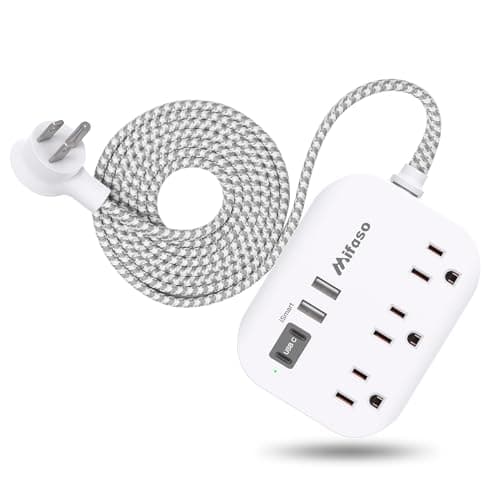
Mifaso Cruise-Approved Power Strip
- Cruise-approved (no surge protector) with multiple USB ports
- Compact design fits perfectly on the narrow cabin nightstand
Cruise cabins have limited outlets, this solves the charging problem without tripping ship safety rules
View on AmazonStep 2: Check In at Your Muster Station After watching the video, you physically visit your assigned muster station at any time before the ship departs. A crew member scans your cruise card to confirm your attendance and briefly verifies that you know where to go in an emergency.
Step 3: Completion Tracking The ship's system tracks which passengers have completed both steps. If you haven't finished by the deadline (usually 1-2 hours before departure), crew members will come to your cabin to find you. The ship will not depart until every passenger has completed the drill.
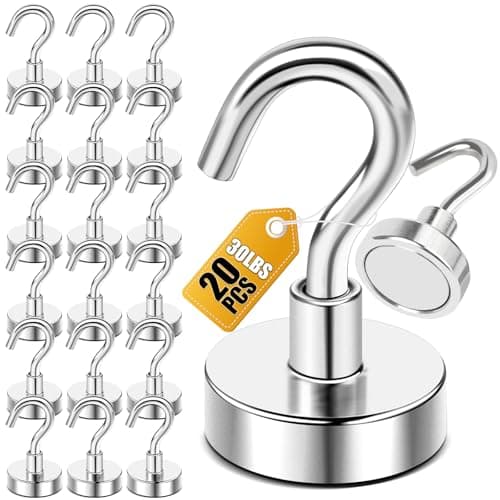
DIYMAG Magnetic Hooks 6-Pack
- Super-strong neodymium magnets stick to cabin walls and ceilings
- Hang hats, bags, towels, and lanyards anywhere
Cruise cabin walls are steel, magnetic hooks turn every surface into storage
View on AmazonWhich Lines Use Which Format
Cruise Line | Muster Format | Notes |
|---|---|---|
Royal Caribbean | Digital (eMuster) | Via Royal Caribbean app |
Carnival | Digital | Via HUB app |
Norwegian | Digital | Via NCL app |
Celebrity | Digital | Via Celebrity app |
MSC | Traditional at station | MSC for Me app used for tracking |
Disney | Hybrid (video + station check-in) | Family-friendly presentation |
Princess | Digital (OceanReady) | Via MedallionClass app |
Holland America | Digital | Via Navigator app |
Digital | Via Sailor app |
Why This Matters
The muster drill is not security theater. In the 2012 Costa Concordia disaster, passengers who understood their muster station location and life jacket procedure evacuated faster and more safely than those who did not. The drill exists because in a genuine emergency, you will not have time to read instructions.
Tip: Take the drill seriously. Note the fastest route from your cabin to your muster station, including alternative routes in case your primary path is blocked. Count the number of cabin doors between your cabin and the nearest stairwell. In a smoke-filled corridor, you may need to navigate by touch.
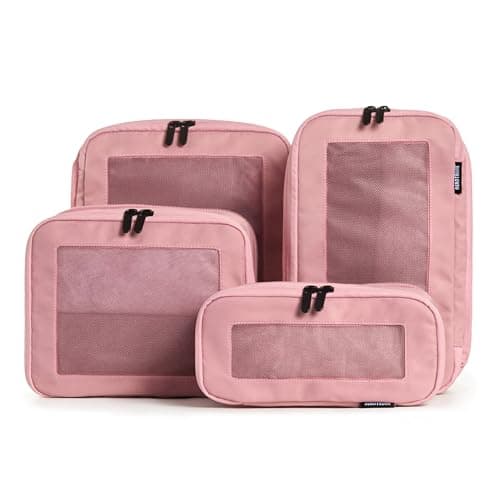
Aerotrunk Compression Packing Cubes 4-Pack
- Double-zipper compression cuts volume by up to 60%
- Four sizes cover every clothing type
Compression cubes are the single best way to fit a week of cruise outfits into a carry-on
View on AmazonLifeboat Capacity and Regulations
The SOLAS Standard
The International Convention for the Safety of Life at Sea (SOLAS), administered by the International Maritime Organization (IMO), sets the global standard for cruise ship safety equipment. Key requirements:
Lifeboat capacity: Enough for at least 75% of all persons aboard on each side of the ship (totaling 150% capacity), OR enough for 100% on each side using a combination of lifeboats and life rafts totaling at least 125% of all persons aboard
Life raft capacity: Additional inflatable life rafts provide supplemental capacity
Life jackets: One for every person aboard, plus extras for children and additional jackets at muster stations
Life rings: Distributed around the ship's exterior decks with self-igniting lights and smoke signals
What This Means in Practice
A ship carrying 6,000 passengers and 2,200 crew (8,200 total people) must carry lifeboat and life raft capacity for at least 10,250 people (125% of 8,200).
Modern partially enclosed lifeboats on cruise ships typically hold 150-370 people each. A large cruise ship may carry 18-20 lifeboats plus dozens of inflatable life rafts stored in deck-mounted canisters.
Lifeboat Launch Procedure
In a full evacuation:
The captain issues the "abandon ship" order over the PA and via the ship's alarm system (seven short blasts, one long blast. The same signal from your muster drill)
Passengers proceed to their assigned muster stations wearing life jackets
Crew members guide passengers into lifeboats in an orderly sequence. Women, children, elderly, and disabled passengers are prioritized, though modern capacity means everyone fits
Lifeboats are lowered from davits (crane-like arms) to the water. A process that takes 3-5 minutes per boat
Each lifeboat has a motor, compass, food and water supplies, flares, radio, and thermal protection
Life rafts deploy automatically if the ship sinks. Hydrostatic release units activate when submerged to a certain depth, inflating the rafts automatically
Has This Ever Been Tested?
Yes. The Costa Concordia evacuation in January 2012 is the most studied modern cruise ship evacuation. Despite the chaotic circumstances (the ship listed severely, some lifeboats on the high side were inaccessible), 4,194 of 4,229 people aboard were rescued. The 32 deaths were tragic, but the survival rate of 99.2% demonstrated that modern safety systems, even when imperfectly executed, save lives.
Man Overboard Procedures
Falling overboard is one of the most feared scenarios on a cruise ship. It is also one of the rarest. Approximately 25-30 passengers and crew fall overboard annually across the entire global cruise industry, out of roughly 30 million passengers per year.
How the Ship Responds
Detection: Modern cruise ships are equipped with motion-detection cameras along the ship's rail. When the system detects a person going overboard, it automatically alerts the bridge and marks the GPS coordinates. Some systems can detect falls within seconds.
Immediate response:
The bridge officer sounds the MOB alarm and initiates a Williamson Turn (a specific navigational maneuver that brings the ship back to the exact GPS point of the fall) or an Anderson Turn (a faster variation used when the fall is detected immediately)
GPS coordinates are logged and transmitted to the Coast Guard
Life rings with self-activating lights and smoke markers are deployed from the nearest point on the ship
Rescue boats (fast, small craft stored on the ship's stern) are launched with trained crew
Thermal imaging cameras and searchlights scan the water
Nearby vessels are notified via VHF radio and AIS (Automatic Identification System)
Search duration: Coast Guard and ship-based search operations typically continue for at least 72 hours, weather permitting. Survival time in the water depends heavily on water temperature. In tropical Caribbean waters (80+ degrees F), a person in a life jacket can survive 24+ hours. In North Atlantic winter water (40 degrees F), survival time without immersion protection is 30-90 minutes.
Prevention Measures
Railing height: SOLAS requires railings of at least 1.1 meters (approximately 43 inches) on passenger decks. Most modern ships exceed this.
Security cameras: 24/7 monitoring of exterior decks, with footage reviewed in any overboard event
Alcohol limits: Many cruise lines have policies to cut off intoxicated passengers from further alcohol service and restrict access to exterior decks
Children's restrictions: Children under 12 are typically not permitted on balconies unaccompanied, though enforcement is the parents' responsibility
Honest Assessment
Most man-overboard incidents involve alcohol, reckless behavior (climbing on railings, leaning over edges), or suicide. Accidental falls from a properly used deck are extremely rare. The most effective safety measure is personal responsibility. Don't climb on railings, don't sit on ledges, and be cautious on your balcony after drinking.
Fire Safety on Cruise Ships
Fire is the most common serious emergency on cruise ships, though catastrophic fires are rare. Modern ships are designed with extensive fire prevention and suppression systems.
Prevention Systems
Fire-resistant materials: SOLAS requires that all structural materials, furnishings, and decorations meet fire resistance standards. Cabin walls, ceilings, and doors are fire-rated to contain a cabin fire for at least 60 minutes.
Smoke detectors: Every cabin, corridor, public space, and crew area has smoke detectors connected to a central monitoring system on the bridge.
Sprinkler systems: Automatic sprinklers in all passenger and crew areas activate when temperature reaches a threshold (typically 155-165 degrees F).
Fire doors: Automatically closing fire doors compartmentalize the ship, preventing fire and smoke from spreading between zones. These doors activate automatically when the fire alarm sounds.
Watertight doors: Below the waterline, watertight doors seal compartments to prevent flooding if fire damage breaches the hull.
Suppression Systems
Engine room: The most fire-prone area on any ship. Engine rooms have dedicated CO2 or foam fire suppression systems that can flood the entire space in seconds.
Kitchen and galley: Commercial kitchen fire suppression (wet chemical systems) over cooking stations
Fixed fire hoses: Located throughout the ship, accessible to trained crew
Portable extinguishers: In every cabin, corridor, and public space
Crew Training
Every crew member receives fire safety training before joining a ship. Dedicated fire teams conduct regular drills, typically weekly, and can respond to a fire alarm within 2-3 minutes. The bridge monitors all fire detection systems 24/7.
Notable Incidents and Lessons
The 2013 Carnival Triumph engine room fire left the ship adrift in the Gulf of Mexico for five days, the so-called "poop cruise" due to failed sanitation systems. No passengers were injured, but the incident exposed vulnerabilities in backup power systems. The industry responded with strengthened regulations for redundant power and propulsion systems.
Medical Emergencies at Sea
What the Ship's Medical Center Offers
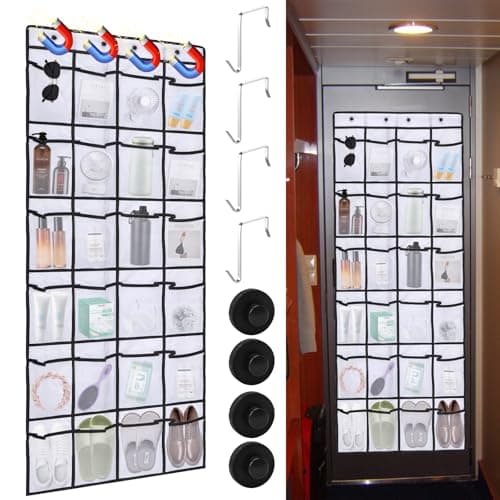
Cruise Door Organizer 24 Pockets Magnetic
- 24 clear pockets attach magnetically to the metal cabin door
- Holds sunscreen, lanyards, snacks, and small items
The single most recommended cruise hack, turns your cabin door into instant storage
View on AmazonEvery major cruise ship operates a medical center staffed by licensed physicians and registered nurses, typically available 24 hours a day.
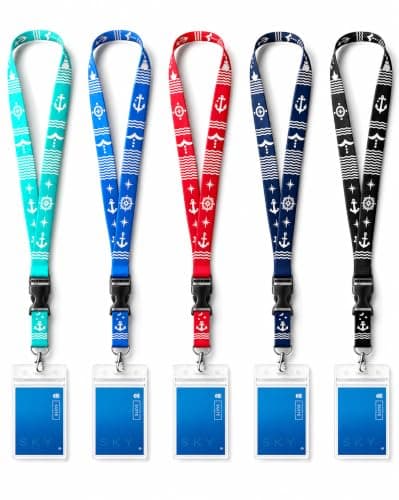
5-Pack Cruise Lanyards Waterproof
- Waterproof holders protect your cruise card at the pool and on excursions
- Five lanyards for the whole family
Your cruise card is your key, wallet, and ID, a waterproof lanyard keeps it safe and accessible
View on AmazonStandard equipment includes:
Examination and treatment rooms
Cardiac monitoring (EKG/ECG)
Defibrillators (also placed at key locations throughout the ship)
X-ray capability
Basic laboratory for blood work and urinalysis
Pharmacy with common medications
ICU-level monitoring bed (1-2 beds)
Telemedicine capability linking to shore-based specialists
Some newer ships: CT scanner (Royal Caribbean's Icon-class, select Celebrity Edge-class)
Common treatments:
Seasickness and gastrointestinal illness
Minor injuries (cuts, sprains, fractures)
Heart attack and stroke stabilization
Allergic reactions
Infections (UTI, respiratory, wound)
Diabetic emergencies
Dehydration from norovirus or heat
What It Cannot Do
The medical center is not a hospital. It cannot:
Perform major surgery (no operating room)
Manage complex trauma (multi-system injuries)
Deliver babies safely in most cases (no obstetric suite, no NICU)
Provide dialysis
Manage severe burns beyond stabilization
Conduct MRI or advanced imaging (CT only on newest ships)
Medical Evacuation
When a medical emergency exceeds the ship's capability, the patient is evacuated:
Helicopter evacuation (medevac): Within range of a Coast Guard or military helicopter base (typically within 200-300 nautical miles of shore), the patient is airlifted to a shore hospital. This is the fastest option but limited by weather, distance, and helicopter availability.
Diversion to nearest port: The captain can divert the ship to the nearest port with adequate medical facilities. This can take hours or days depending on the ship's location.
Rendezvous with another vessel: In rare cases, the ship may rendezvous with a closer vessel (military, cargo) that can facilitate faster transport to shore.
Cost of Medical Care
Ship medical center visits are not free and are not covered by standard health insurance in most cases.
Basic consultation: $100-200
X-ray: $100-300
Lab work: $50-200
Emergency stabilization: $1,000-5,000+
Medevac by helicopter: $25,000-150,000+
Travel insurance with medical coverage is essential. Medicare does not cover medical care on cruise ships (which are in international waters). Many private health insurance plans also exclude or limit international maritime coverage.
Coast Guard and Port State Inspections
How Cruise Ships Are Inspected
In U.S. waters, the U.S. Coast Guard conducts unannounced inspections of every cruise ship carrying passengers from U.S. ports. These inspections cover:
Fire safety systems and equipment
Lifeboat and life raft condition and launch readiness
Navigation and bridge equipment
Structural integrity
Crew training records and drill logs
Medical center equipment and staffing
Sanitation (in coordination with the CDC's Vessel Sanitation Program)
Environmental compliance (waste discharge, emissions)
CDC Vessel Sanitation Program (VSP)
The CDC inspects every cruise ship arriving at a U.S. port twice per year. The Vessel Sanitation Program scores ships on a 100-point scale covering:
Water supply and safety
Food preparation and storage
Personal hygiene of food handlers
General cleanliness and maintenance
Pest management
Ventilation
A score of 86 or above is passing. Scores are publicly available on the CDC's VSP website. Most major cruise ships score 90-100 consistently. A failing score results in re-inspection and can lead to the ship being denied entry to U.S. ports.
How to Check a Ship's Record
Before booking, you can verify a ship's safety and sanitation record:
CDC VSP scores: Available at cdc.gov/nceh/vsp, search by ship name
U.S. Coast Guard inspection results: Available through the Port State Information Exchange (PSIX) database
IMO safety record: The International Maritime Organization maintains incident records at imo.org
How Safe Are Cruises? The Statistics
By the Numbers
Annual cruise passengers worldwide: Approximately 30 million (2024-2025 data)
Fatal incidents per year: Average 15-25 passenger deaths from accidents and incidents (not natural causes)
Death rate: Approximately 0.16 per million passenger days
Norovirus outbreaks: 10-15 reported outbreaks per year affecting 1-2% of passengers on those specific sailings
Man overboard incidents: 25-30 per year industry-wide
Serious fires or mechanical failures: 2-5 per year across all cruise lines globally
Compared to Other Travel
Mode of Travel | Fatality Rate |
|---|---|
Cruise ship | 0.16 per million passenger days |
Commercial aviation | 0.07 per million flights |
Automobile (US) | 1.37 per 100 million miles driven |
Train (US) | 0.43 per billion passenger miles |
Cruising is among the safest forms of mass transportation. The most common health risk is not drowning or fire: it's norovirus, a stomach bug that can also be contracted at hotels, restaurants, and schools.
What You Can Do to Stay Safe
Take the muster drill seriously. Know your muster station, the route to get there, and an alternative route.
Read the safety card in your cabin. It maps emergency exits, muster station location, and life jacket instructions.
Know where the stairs are. Elevators are disabled in an emergency. Locate the nearest stairwell from your cabin and from the public areas you frequent most.
Don't climb on railings. This accounts for the majority of man-overboard incidents. No photo or video is worth the risk.
Limit alcohol on balconies. A disproportionate number of overboard incidents involve intoxicated passengers on balconies at night.
Wash your hands constantly. Norovirus spreads through contact. Use soap and water (not just hand sanitizer) before meals and after touching public surfaces.
Buy travel insurance with medical evacuation coverage. A medevac helicopter ride is financially devastating without insurance.
Bring your own medications. The ship's pharmacy stocks common drugs, but your specific prescriptions may not be available.
Report safety concerns. If you notice a blocked fire exit, a broken railing, or a safety hazard, report it to Guest Services immediately.
Modern cruise ships are engineering marvels designed with safety as a foundational principle. The most dangerous thing about a cruise is the drive to the port. But informed passengers who understand the systems and respect basic precautions are the safest passengers of all.
Track ships in real time on our live map to see where cruise ships are right now, and explore our ship profiles for details on specific vessel safety features and specifications.