
Founder & Cruise Expert
Avid cruise enthusiast who cruised so many times he decided to make it a career. Ian has sailed on over 30 cruise lines across 6 continents, from budget-friendly Carnival sailings to luxury Regent Seven Seas voyages. He built CruiseShipTracking to help fellow cruisers track ships, plan voyages, and find the best deals.
The most effective seasickness prevention combines cabin location (midship, lower deck), over-the-counter meds taken BEFORE symptoms start, and acupressure wristbands as backup. The #1 mistake is waiting until you feel sick to act. Start Bonine or Dramamine Less Drowsy 30 minutes before sailing and keep Sea-Bands on throughout. Most modern mega-ships have stabilizers that make rough seas rare, but transatlantic crossings, repositioning cruises, and smaller expedition ships can get choppy.
In This Article
We earn a commission when you book through our links at no extra cost to you. This does not affect prices. Learn more
I've done 14 cruises. I've been fine on a rolling transatlantic in November and absolutely wrecked by a small expedition ship in the Drake Passage. I've watched people swear by every remedy under the sun, and I've watched those same remedies fail spectacularly. So take this from someone who's field-tested these options in real conditions, not a pharmacist reading a label.
The short version: medication works best, but only if you take it before you feel sick. Everything else is backup. Here's what you actually need to know.
Ready to book a cruise? Browse 12,000+ live cruise deals on Cruisebound. Filter by destination, length, cabin type, and departure port to see today's pricing before you keep reading.
Why Seasickness Happens (and Why Ships Make It Worse)
Your inner ear detects motion. Your eyes read a stationary cabin. Your brain receives two conflicting signals and concludes something is very wrong. That mismatch triggers nausea, cold sweats, and misery.
Ships create a specific type of problem because the motion is constant and multi-directional. You're not just going forward. You're pitching (nose up and down), rolling (side to side), and yawing (turning). Larger ships dampen all of this with stabilizer fins. Smaller ships, older ships, and ships in heavy seas leave you with more of the raw motion.
The other trap is the enclosed cabin. Fresh air and a visual horizon both help the brain reconcile its signals. Sitting in a corridor-facing inside cabin on deck 4 during a storm is the worst possible scenario. Understanding this shapes every recommendation below.
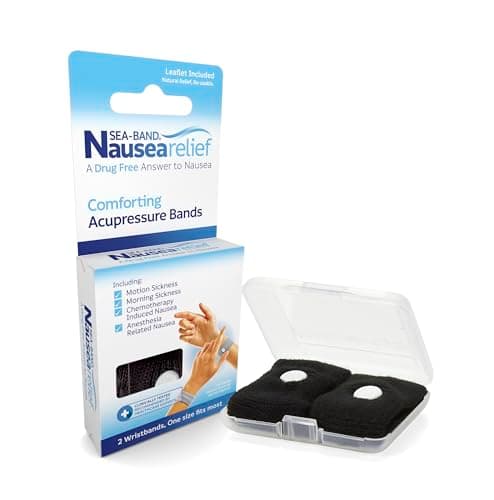
Sea-Band Acupressure Wristbands
- Clinically tested acupressure wristbands work without medication
- No drowsiness side effects
The go-to drug-free seasickness solution recommended by cruisers worldwide
View on AmazonWhere to Book Your Cabin to Minimize Motion
This is free. It costs you nothing except booking attention, and it's the single highest-leverage thing you can do before you even think about medication.
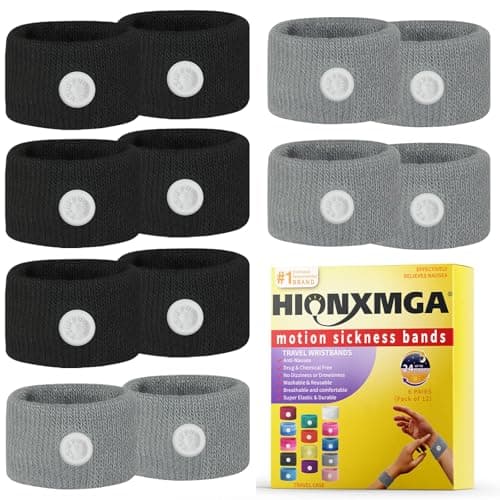
6-Pack Motion Sickness Bands
- Six acupressure bands, enough for the whole family
- Drug-free and reusable
Family value pack ensures everyone has their own pair for rough sea days
View on AmazonThe rule: Mid-ship, lower deck, near the waterline.
A ship bends and pivots around its center of gravity, which sits roughly mid-ship. Cabins closest to that pivot point feel the least movement. Pair that with a lower deck, closer to the waterline, lower center of gravity, and you've removed most of the rocking before you ever board.
What to avoid:
Forward cabins on lower decks (maximum pitch when sailing into head seas)
Aft cabins on upper decks (the most pronounced up-and-down swing)
Any cabin directly above the engine room (vibration, not motion, but still unpleasant)
Top-deck cabins at either end of the ship (the longest arc of any movement)
Practical booking tip: Pull up the deck plan and look for cabins in the 3-4 middle decks, positioned in the center third of the ship's length. On a 1,200-foot ship like the larger Royal Caribbean vessels, that means somewhere in the 400-800 foot range from the bow.
Interior cabins actually have one advantage here: they're typically positioned along the inner corridor, which is naturally closer to the ship's centerline than balcony cabins that hang off the sides. If you're prone to seasickness, an interior or oceanview mid-ship cabin beats a balcony at the bow.
Use our ship comparison tool to look at ship profiles and deck configurations, and browse cruise ships by size and class to understand what stabilizer systems different vessels use.
1. Bonine (Meclizine). The Workhorse
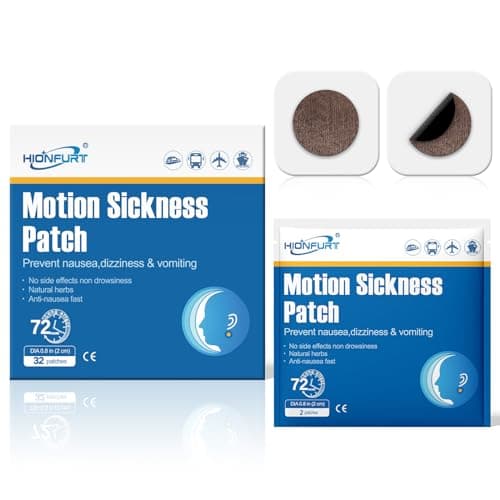
32-Count Motion Sickness Patches 72hr
- Behind-the-ear patches provide 72 hours of relief per patch
- 32 patches cover multiple cruise trips
Apply once and forget for three days, the set-it-and-forget-it approach to seasickness
View on AmazonBonine is the go-to for most cruisers and for good reason. Meclizine is an antihistamine that blocks the signals your vestibular system sends to your brain's vomiting center. It's non-prescription, lasts 24 hours from a single dose, and causes far less drowsiness than original Dramamine.
The critical mistake: taking it after you already feel sick. Bonine is a preventative, not a cure. Take it 30-60 minutes before you're in conditions that might bother you. Before you leave port, not after you start feeling green.
Meclizine 25mg. Same active ingredient as prescription motion sickness medications but available over the counter. One chewable tablet lasts 24 hours. Significantly less sedating than original Dramamine. Raspberry-flavored chewable tablets are easy to take without water. Start the evening before a rough crossing for maximum effect.
Check Price on Amazon → (affiliate link)Pro Tip: If you're on a 7-night Caribbean sailing and you're only worried about embarkation day and one potential rough-weather sea day, you don't need to take it the whole trip. Save it for the days that matter and skip it on calm port days when you'll be mostly on land.
2. Sea-Band Acupressure Wristbands
Sea-Bands apply constant pressure to the Nei-Kuan (P6) acupressure point on the inner wrist, about three finger-widths below the base of the palm. The evidence is mixed in clinical studies but the real-world track record is solid. They work well enough for mild-to-moderate motion sickness and they have zero side effects.
I wear them as backup when I'm already taking Bonine. On milder sailings, some people find they're all they need. They're particularly useful for people who can't take antihistamines, pregnant travelers, and kids.
FDA-cleared drug-free motion sickness relief. Targets the Nei-Kuan P6 acupressure point on the inner wrist. Zero drowsiness, zero drug interactions. Reusable and washable. One pair lasts years. Put them on before you board, not after symptoms start. Works for both adults and children over 3.
Check Price on Amazon → (affiliate link)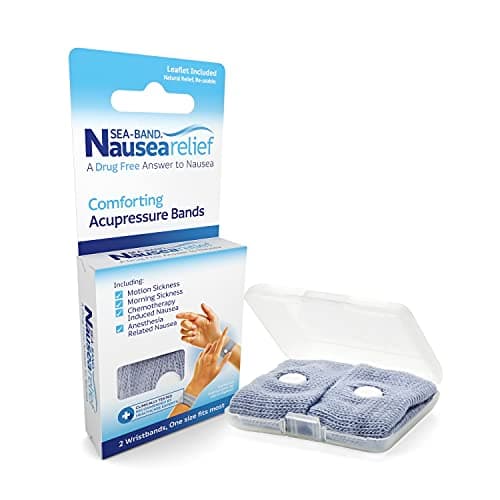
Sea-Band Anti-Nausea Acupressure Wristbands
- Drug-free acupressure on the Nei-Kuan point
- Zero drowsiness or side effects
Pro Tip: The plastic button needs to sit directly on the Nei-Kuan point. Three finger-widths from the crease of your wrist, centered between the two tendons. Wrong placement gives you a bracelet, not a remedy. Check the placement guide in the package.
3. Reliefband Premier. The Electronic Option
If wristbands feel too passive and medication feels too chemical, the Reliefband is a genuinely different approach. It's an FDA-cleared electronic device that delivers neuromodulation pulses to the median nerve on your inner wrist, which interrupts the nausea signal pathway. Think of it as Sea-Bands with electrical current.
It's significantly more expensive than either Sea-Bands or OTC pills, but for people who get severely seasick and haven't found relief elsewhere, it's worth the investment. The intensity is adjustable, which matters because what works for mild chop is different from what you need in a Force 8 gale.
FDA-cleared Class II medical device delivering precise neuromodulation to interrupt nausea signals. 10 intensity levels so you dial in exactly what you need. Rechargeable via USB-C with 24-hour battery life. Waterproof so it survives pool days and rough weather on deck. Works within minutes of activation.
Check Price on Amazon → (affiliate link)Pro Tip: Apply a small amount of the included conductive gel on the inner wrist before wearing. Without it, the electrical contact is inconsistent and the device is less effective.
4. Ginger. Capsules and Chews
Ginger has genuine pharmacological activity against nausea. Gingerols and shogaols (the active compounds) act on the GI tract and CNS receptors involved in the nausea response. It's not as potent as meclizine for true vestibular motion sickness, but it's useful as a layer of protection and has no drug interactions.
Ginger chews work well for mild queasiness and are something you can actually snack on throughout the day without feeling like you're medicating. Ginger capsules deliver a more consistent dose if you want to be systematic about it.
Each chew delivers real ginger extract in a concentrated, double-strength formula. Individually wrapped so they don't stick together in your bag. Pleasant flavor makes them easy to take proactively throughout the day. Double strength means you need fewer pieces. Great for the first day at sea when you're unsure how you'll feel.
Check Price on Amazon → (affiliate link)Pro Tip: Crystallized ginger from the ship's buffet is a reasonable substitute in a pinch. Ginger ale from the bar has minimal real ginger content. It's mostly flavoring. If you're relying on ginger for nausea, use the actual product.
5. Scopolamine Patch (Prescription Only)
The scopolamine patch (Transderm Scop) is what the serious cases use. It's placed behind the ear 4 hours before expected exposure and lasts 72 hours. It works by blocking the muscarinic receptors involved in the vestibular-vomiting reflex, which is why it's so effective at the source.
You need a prescription. See your doctor or a travel medicine clinic at least two weeks before your cruise. Mention the specific itinerary. A doctor will have a different conversation about a 7-night Caribbean sailing versus a transatlantic repositioning cruise in October.
Side effects are real: dry mouth, blurred vision at close distances, and mild dizziness in some people. Don't apply a second patch without medical guidance, and wash your hands thoroughly after handling. Scopolamine in the eye causes serious pupil dilation.
Pro Tip: If you've never used scopolamine before, try it for a day or two before your cruise. The side effects vary significantly by person, and you don't want to discover you're in the blurred-vision camp on embarkation morning.
6. Peppermint Essential Oil Inhaler
Peppermint isn't going to stop vestibular motion sickness on a heaving ship. But it works surprisingly well for the queasiness that follows. That low-grade unsettled feeling that lingers after the rocking subsides. The menthol compounds in peppermint have genuine anti-nausea properties via olfactory pathways.
A personal inhaler stick is discreet, fits in a pocket, and doesn't require swallowing anything when swallowing feels like the last thing you want to do.
Pre-filled with pure peppermint essential oil on a cotton wick. Personal inhaler format means it's discreet enough to use at dinner or in a port taxi. Single-use cotton wick lasts 3-6 months. Drug-free and suitable alongside any medication. Keep it in your pocket for immediate access when nausea creeps up.
Check Price on Amazon → (affiliate link)Pro Tip: Inhale slowly through one nostril while blocking the other, then exhale through your mouth. Three or four slow breaths usually provides noticeable relief within a minute or two.
7. MQ Motion Sickness Patches (Behind-Ear Patches)
Behind-the-ear patches that don't require a prescription have become increasingly popular as a middle ground between OTC pills and prescription scopolamine. These herbal-based patches use a blend of natural compounds applied transdermally. They're gentler than prescription patches and don't require a doctor's visit.
Transdermal delivery behind the ear for sustained release throughout the day. Apply 30-60 minutes before exposure. Natural herbal formula with no prescription required. Each patch lasts up to 72 hours. Discreet and easy. No pills to remember, no swallowing when you feel ill. Particularly useful for multi-day sea crossings.
Check Price on Amazon → (affiliate link)Pro Tip: Apply to clean, dry, hairless skin behind the ear. Avoid applying right after a shower when skin is still slightly damp. The patch adheres better to completely dry skin and will stay put longer.
8. Dramamine Non-Drowsy Naturals (Ginger-Based)
If you want the Dramamine name and trust without the drowsiness of the original formula, the Non-Drowsy Naturals line is a solid option. It uses ginger as the active ingredient rather than dimenhydrinate, giving you a standardized ginger dose in capsule form without the sedating antihistamine effects.
It's a better choice than ginger chews when you want a consistent measured dose, and it's a good option for people who find Bonine still slightly sedating.
Standardized ginger root extract (500mg per serving) in convenient capsule form. No antihistamines. Zero drowsiness. Clinically tested, trusted Dramamine brand quality. Take 30 minutes before sailing. Can be taken alongside Sea-Bands or the Reliefband for layered protection. Available in 20-count travel packs.
Check Price on Amazon → (affiliate link)Pro Tip: Pairing this with Sea-Bands creates a solid drug-free stack for travelers with mild sensitivity. Neither is as powerful as meclizine, but together they cover more of the nausea pathway without any pharmaceutical side effects.
Foods and Habits That Help
Medication handles the neurology. These habits handle everything else.
Eat strategically. An empty stomach makes seasickness worse. A heavily full stomach also makes it worse. The sweet spot is small, bland, frequent meals. Crackers, plain bread, bananas, and white rice sit well on queasy stomachs. The ship's buffet always has these.
Stay hydrated. Dehydration amplifies nausea significantly. Drink water consistently throughout the day. Not during meals when it can cause bloating, but between them. If you're already feeling rough, small sips of ginger ale (with real ginger if possible) or electrolyte drinks help more than plain water.
Get fresh air and fix your gaze on the horizon. Go outside. Find a deck with a clear forward view. The horizon provides your visual system with a stable reference point that helps reconcile the conflict with your inner ear. Five minutes of horizon-gazing does more than another hour in your cabin.
Avoid triggers. Below-deck areas with no windows, the casino's stale recycled air, strong food smells from the galley vents, and heavy reading or phone use all worsen symptoms. If you're feeling borderline, go up and out.
Sleep it off strategically. On rough nights, horizontal is your friend. Lying down reduces the vestibular input because gravity becomes more stable. Sleep through the worst of it if you can, ideally mid-ship on a lower deck.
Skip alcohol on rough days. It impairs the vestibular system and dehydrates you simultaneously. It's the opposite of what you need. Save the cocktails for the calm port days.
Packing Gear for the Journey
No seasickness discussion is complete without mentioning the travel gear that gets you to and from the ship organized and stress-free. Stress and exhaustion lower your body's tolerance for motion. Arriving at the port calm and rested matters more than people think.
Micro-diamond polycarbonate shell absorbs impacts without cracking. Four 360-degree spinner wheels roll effortlessly across cruise terminal floors and cobblestone ports. TSA-approved locking system. Expands for the return trip when your bags are inevitably heavier. Available in multiple sizes.
Check Price on Amazon → (affiliate link)Compression cubes squeeze out air and organize clothing by category. No more excavating your suitcase for a specific shirt. The cabin's limited drawer space becomes manageable. Durable ripstop nylon holds up through years of cruise travel. Color-coded so you know exactly which cube holds what.
Check Price on Amazon → (affiliate link)Stainless steel loop won't snap off like plastic alternatives. Clear window displays your contact card. Cruise terminal baggage handling is rough, these tags survive it. Slip in your cruise line luggage tag holder for the onboard portion, swap to your personal tag for flights. Bright colors help spot bags instantly on the carousel.
Check Price on Amazon → (affiliate link)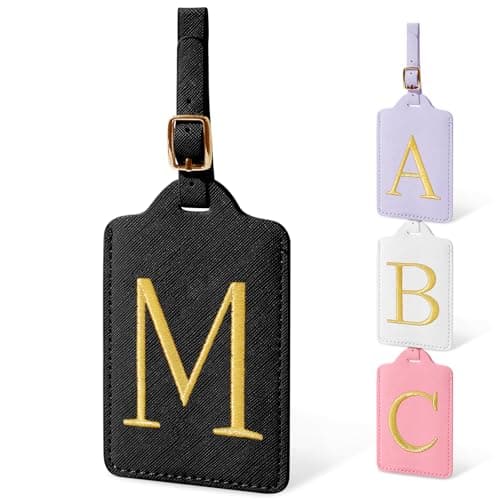
Personalized Luggage Tags Embroidered
- Personalized embroidered tags make your bags instantly identifiable
- Durable material survives rough baggage handling
Thousands of black suitcases on embarkation day, personalized tags make yours stand out
View on AmazonThe Layered Prevention Strategy
Here's how I actually approach this, having done it across calm Caribbean sailings and legitimately rough open-ocean crossings:
For a standard 7-night Caribbean sailing: Sea-Bands on embarkation day. Bonine the night before if any weather is forecast, or if I'm on a ship I haven't been on before and don't know how she moves. Ginger chews in my pocket throughout the first day at sea.
For a transatlantic crossing or repositioning cruise: Bonine daily for the entire passage. Sea-Bands as backup for the rough stretches. Peppermint inhaler for the residual nausea. Strategic horizon time every morning.
For an expedition ship (Drake Passage, Antarctica, Faroe Islands): Prescription scopolamine patch from a travel medicine doctor, full stop. I don't mess around on small ships in open ocean. The Drake Passage is not a Caribbean cruise.
The layering matters because each remedy works on a slightly different pathway. Medication handles the vestibular signal. Acupressure disrupts the nausea nerve pathway at the wrist. Fresh air and horizon-gazing provide visual recalibration. Ginger works on GI receptors. Used together, they cover more of the problem than any single approach.
More Cruise Planning Resources
If you're building out your cruise strategy beyond seasickness, these are worth your time:
The ship you choose matters as much as the remedies you pack. Newer mega-ships with active stabilizers on calm Caribbean routes are a fundamentally different experience from a small expedition vessel in the Southern Ocean. Know what you're getting into, prepare accordingly, and you'll be fine.
Frequently Asked Questions
Do big cruise ships rock a lot?
Modern mega-ships have active stabilizer fins that counteract rolling significantly. On Caribbean 7-night itineraries, most passengers feel almost nothing. You'll notice movement more on transatlantic crossings, repositioning cruises, Alaska sailings during shoulder season, and expedition ships, which are much smaller. The bigger and newer the ship, the calmer the ride.
What is the best cabin location for motion sickness?
Mid-ship on a lower or mid-deck is the sweet spot. The ship pivots around its center, so mid-ship cabins move the least. Lower decks sit closer to the waterline where the center of gravity is lowest. Avoid forward-facing cabins (maximum pitch in head seas) and upper-deck cabins (maximum sway). Interior or oceanview at mid-ship beats a balcony at the bow or stern.
Dramamine vs Bonine, which is better for cruising?
Bonine (meclizine) is generally the better choice for cruising. Both work on the same principle, antihistamines that block motion signals to the brain, but Bonine causes significantly less drowsiness. Dramamine Original uses dimenhydrinate, which puts many people to sleep. Dramamine Less Drowsy is closer to Bonine. If you want to stay awake and functional, Bonine once-daily is your best bet. Take it 30-60 minutes before sailing.
Can you get seasick on a river cruise?
Technically yes, but it's uncommon. Rivers are calm compared to open ocean, and river cruise ships are purpose-built for inland waterways, so rocking is minimal. Some passengers report mild queasiness on long river stretches. Ginger chews and Sea-Bands are usually sufficient.
What if medication and wristbands don't work?
See a doctor before your cruise about scopolamine patches (Transderm Scop). They're placed behind the ear 4 hours before exposure and last 72 hours. They're prescription-only but highly effective for severe sufferers. On the ship, the medical center can also administer promethazine injections in severe cases.
Is seasickness common on cruises?
Less common than most first-timers fear. Industry surveys suggest fewer than 10% of cruise passengers experience significant motion sickness on mainstream Caribbean and Mediterranean itineraries. The number climbs for transatlantic crossings, North Sea sailings, and expedition routes. Most people who think they'll get sick don't, and those who do usually find that OTC medication resolves it quickly.
Sarah Mitchell has sailed on 14 cruises across Caribbean, Mediterranean, Baltic, and open-ocean transatlantic itineraries. She's tested every remedy on this list in real conditions, including a notably rough November Atlantic crossing.