Founder & Cruise Expert
Avid cruise enthusiast who cruised so many times he decided to make it a career. Ian has sailed on over 30 cruise lines across 6 continents, from budget-friendly Carnival sailings to luxury Regent Seven Seas voyages. He built CruiseShipTracking to help fellow cruisers track ships, plan voyages, and find the best deals.
Most cruise myths are exaggerated or false: the average cruiser is around 46 and getting younger, NOAA and Lloyd's of London confirm the Bermuda Triangle is no riskier than any busy ocean, modern ships survive rogue waves intact, onboard tap water meets WHO/EPA standards, and cruises often cost 25-45% less per day than comparable land resorts. The real catch is that mainstream fares aren't truly all-inclusive, tips, alcohol, Wi-Fi, and excursions cost extra.
In This Article
We earn a commission when you book through our links at no extra cost to you. This does not affect prices. Learn more
You've heard them all. Cruises are floating retirement homes. You'll spend the week vomiting over a railing. The Bermuda Triangle is going to swallow your ship whole. Most of what "everybody knows" about cruising is either flat-out wrong or a wildly exaggerated version of a tiny grain of truth.
Here's the short version: the cruise industry is younger, safer, and better value than its reputation suggests: and the scariest myths (rogue waves, the Bermuda Triangle, contaminated water) are the ones with the least evidence behind them. Below, 12 of the most stubborn cruise myths, each one matched against what the data and the experts actually say.
Let's clear the deck.
1. Myth: Cruises Are Only for Old People
Reality: The average cruiser is in their mid-40s, and getting younger.
The "newlyweds and nearly-deads" cliché is decades out of date. According to Cruise Lines International Association (CLIA) data, the average cruise passenger age in 2024 was around 46, down from 47.6 in 2020, and roughly 36% of all cruisers are now under 40. Millennials make up about 22% of passengers and Gen Z about 14%, together they account for more than a third of everyone onboard.
It's not a one-off blip, either. The average age has fallen for two straight years, and younger cruisers say they're coming back: 81% of millennials and 74% of Gen Z surveyed expressed interest in cruising again. The shuffleboard stereotype is sinking.
2. Myth: You'll Definitely Get Seasick
Reality: Most people don't, and modern stabilizers cancel out the majority of the motion.
Seasickness is real, but it's far from guaranteed. Estimates vary by source and sea conditions, but in normal conditions the large majority of passengers feel completely fine. The CDC notes motion sickness is a common reason people visit the ship's medical center, but "common diagnosis among the people who seek care" is very different from "everybody gets it."
The bigger reason it's overblown: technology. Modern cruise ships use advanced roll stabilizers that can cancel out roughly 85% of the side-to-side rocking that triggers queasiness. Booking a mid-ship cabin (the ship's natural balance point) and keeping the horizon in view helps even more. If you're genuinely prone to motion sickness, acupressure seasickness relief wristbands are a cheap, drug-free thing to pack, but the odds you'll need them are lower than the myth suggests. (For the full toolkit, see our cruise seasickness prevention guide.)
3. Myth: Cruises Are a Rip-Off and Always Expensive
Reality: Per day, cruising is often cheaper than a comparable land vacation.
A cruise bundles your room, meals, entertainment, and transportation between destinations into one fare, and that bundling tends to win on value. Industry analysts have repeatedly noted cruises priced well below comparable land resorts; Royal Caribbean's CEO cited a 40–45% pricing gap to land-based vacations in 2024, while other analysts put the gap closer to 25–30%.
The average cruise runs somewhere around $200–$290 per person per day including onboard spending, which stacks up favorably against a Caribbean all-inclusive resort at roughly $2,800–$3,500 per person per week, before you've paid for flights between cities or restaurant meals. "Rip-off" is the wrong word. "Misunderstood pricing model" is closer. (We break the numbers down in how much does a cruise cost.)
4. Myth: The Bermuda Triangle Is Dangerous for Cruise Ships
Reality: It's no more dangerous than any other busy patch of ocean, the experts agree.
This one is pure folklore. The U.S. National Oceanic and Atmospheric Administration (NOAA) states plainly that "there is no evidence that mysterious disappearances occur with any greater frequency in the Bermuda Triangle than in any other large, well-traveled area of the ocean."
The insurance market agrees with its wallet: Lloyd's of London has found that ships are not lost there at an unusual rate, and it does not charge higher premiums for voyages through the region. A 2013 World Wildlife Fund study of the world's 10 most dangerous waters for shipping didn't even include the Triangle. The incidents that did happen are explained by ordinary culprits: hurricanes, sudden Gulf Stream weather, and shallow reefs. Cruise lines sail through the area constantly without incident.
5. Myth: Norovirus Is Rampant and It's the Ship's Fault
Reality: Outbreaks are rare relative to the number of sailings, and the bug usually comes aboard with passengers.
Norovirus makes headlines precisely because cruise outbreaks are tracked and publicly reported under the CDC's Vessel Sanitation Program, a level of transparency restaurants and hotels don't face. Even in 2024, a notably bad year, the CDC logged 16 cruise gastrointestinal outbreaks across the entire industry. An outbreak isn't declared until 3% or more of passengers and crew report symptoms.
For context, the CDC estimates norovirus causes 19–21 million illnesses every year in the U.S., overwhelmingly on land. The virus is highly contagious and typically boards with infected travelers, not because the ship is dirty. Ships actually respond with aggressive sanitation protocols most land venues never match. We go deeper in the truth about cruise ship norovirus.
6. Myth: You're Trapped Onboard With Nothing to Do
Reality: Modern ships pack in more activities than most resort towns.
The idea of being "stuck" on a ship hasn't aged well. Today's large cruise ships carry water parks, rock-climbing walls, surf simulators, Broadway-caliber theater, comedy clubs, multiple pools, go-kart tracks, escape rooms, full gyms, spas, and dozens of dining and bar venues. The common complaint among modern cruisers isn't boredom, it's that there's too much to fit into one week. "Nothing to do" is the opposite of the actual problem.
7. Myth: All-Inclusive Means Everything's Free
Reality: Only a handful of luxury lines are truly all-inclusive, most cruises charge extra for the good stuff.
This is the myth that surprises first-timers most. On mainstream cruise lines, your base fare covers your cabin, main dining, and most entertainment, but gratuities (typically $16–$18.50 per person, per day), alcohol, specialty restaurants, shore excursions, and Wi-Fi are almost always extra. Top-tier drink packages can run $100+ per day, and shore excursions range from about $35 to over $300 per person.
Genuinely all-inclusive lines do exist (Regent Seven Seas, Seabourn, Silversea, and Viking bundle drinks, Wi-Fi, and excursions into the fare) but they cost roughly double a mainstream line. Read the fine print before you assume "cruise fare" means "everything."
8. Myth: A Bigger Ship Is Always a Better Ship
Reality: Bigger means more amenities, not a better fit for every traveler.
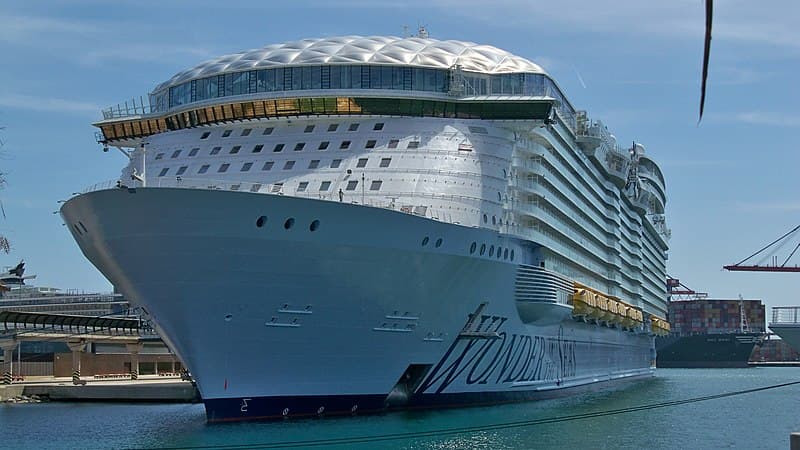
Mega-ships are floating cities with every bell and whistle, great if you want nonstop options and don't mind crowds. But "bigger = better" ignores the trade-offs. Large ships can't access smaller, less-touristed ports, tender operations and disembarkation take longer, and the sheer scale can feel impersonal. Smaller and mid-size ships reach destinations the giants can't, offer a more intimate experience, and often deliver more personal service. The "best" ship is the one that matches the vacation you actually want, not the one with the highest passenger count.
9. Myth: The Water Onboard Isn't Safe to Drink
Reality: Cruise tap water meets or exceeds WHO and EPA standards, it's some of the most tested water you'll drink.
Cruise ship tap water is safe to drink. It's either loaded from a shoreside treatment plant or produced onboard from seawater via reverse osmosis or evaporators, then halogenated (disinfected) to U.S. Public Health Service standards regardless of its source.
Crucially, it's monitored under the CDC Vessel Sanitation Program with continuous microbial testing for contaminants like E. coli and coliform bacteria, testing more frequent and rigorous than what most municipal tap water gets. If anything, the water in your cabin sink is held to a higher standard than the glass at your favorite restaurant back home.
10. Myth: A Rogue Wave Will Sink Your Ship
Reality: Rogue waves are real, but modern cruise ships are engineered to take the hit and stay afloat.
Rogue waves exist and they're genuinely powerful, but the leap from "powerful" to "sinks cruise ships" isn't supported by the record. Modern vessels are built with a low center of gravity, heavy ballast on lower decks, reinforced hulls, and reinforced windows specifically designed to withstand wave impact and prevent flooding. Stabilizing systems, ballast tanks, and responsive steering let crews react fast.
The real-world track record backs the engineering: documented cases of modern cruise ships hit by rogue waves have resulted in damage and, occasionally, injuries, but the ships did not sink. Every major cruise ship also operates under strict international safety standards with a fully trained emergency crew.
11. Myth: Once You're Onboard, You Can't Get Off If You Hate It
Reality: You can leave early, it just takes a little paperwork.
You are not a hostage. Most cruise lines will allow you to disembark at a port before the cruise officially ends; you simply need to notify the line, generally at least 24 hours ahead, so the crew can clear it with the port authority and immigration. Policies vary, and some lines discourage it, so confirm before you commit. On the final day, "self-disembarkation" (carrying your own bags) lets you walk off as soon as the ship clears immigration, sometimes as early as 7 a.m. Leaving isn't impossible, it just isn't a movie-style jump overboard.
12. Myth: The Captain Personally Steers the Ship
Reality: The captain runs the operation like a CEO; a trained bridge team does the actual steering.
Picture a captain gripping a giant wheel all voyage, and let it go. A cruise ship captain's job is closer to running a company: overseeing safety, navigation, records, customs and immigration compliance, and yes, schmoozing at the captain's dinner. The hands-on navigation is a team effort. The bridge is staffed around the clock by rotating teams (an officer of the watch, an assistant, and a quartermaster) with the officer of the watch setting course and speed.
For most of the open-water voyage, an autopilot holds the heading set by the officer, continuously correcting for wind and current via the gyrocompass. Near port, dynamic positioning systems use thrusters and GPS to hold the ship in place. The captain is firmly in charge, but "personally steering the whole time" was never the job.
FAQ
Q: What's the single most overblown cruise myth? A: The scary-ocean ones. The Bermuda Triangle and rogue-wave fears get the most airtime but have the least evidence behind them, NOAA and Lloyd's of London both say the Triangle is no riskier than any busy ocean, and modern ships are engineered to survive rogue waves intact.
Q: Are cruises really cheaper than a land vacation? A: Often, yes, per day. Because the fare bundles room, meals, entertainment, and transport between stops, analysts have pegged cruises 25–45% below comparable land resorts. Just remember a mainstream fare isn't all-inclusive, so budget for tips, drinks, and excursions.
Q: How likely am I to get norovirus on a cruise? A: Low. The CDC logged just 16 cruise gastrointestinal outbreaks across the whole industry in a bad 2024, and the virus causes 19–21 million illnesses a year in the U.S., almost all on land. Wash your hands, use the sanitizer stations, and your odds are slim.
Q: Will I get seasick on a big modern ship? A: Probably not. Most passengers feel fine in normal conditions, and modern stabilizers cancel out roughly 85% of the rocking. Book a mid-ship cabin and pack acupressure bands if you're prone to motion sickness.
Q: Can I actually leave a cruise partway through? A: Yes, with notice. Tell the cruise line at least 24 hours ahead so they can clear your early disembarkation with the port and immigration. Policies vary by line, so confirm in advance, but you're never truly stuck onboard.
Bottom line: the cruise myths that scare people most are the ones the evidence dismisses fastest. Pack the sunscreen, skip the worry, and judge cruising on the facts.