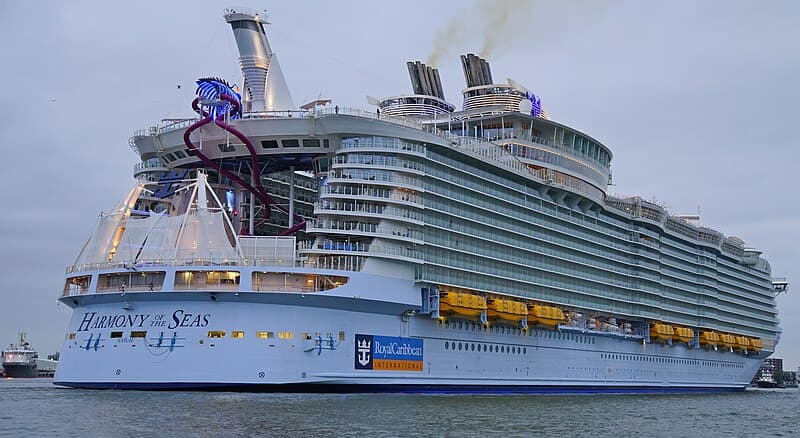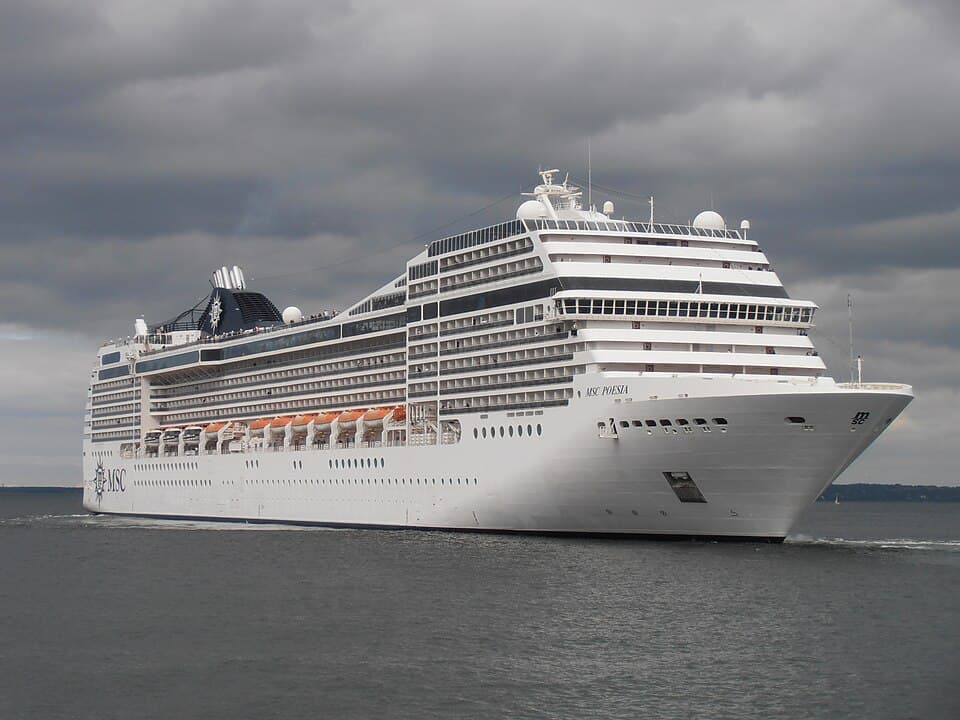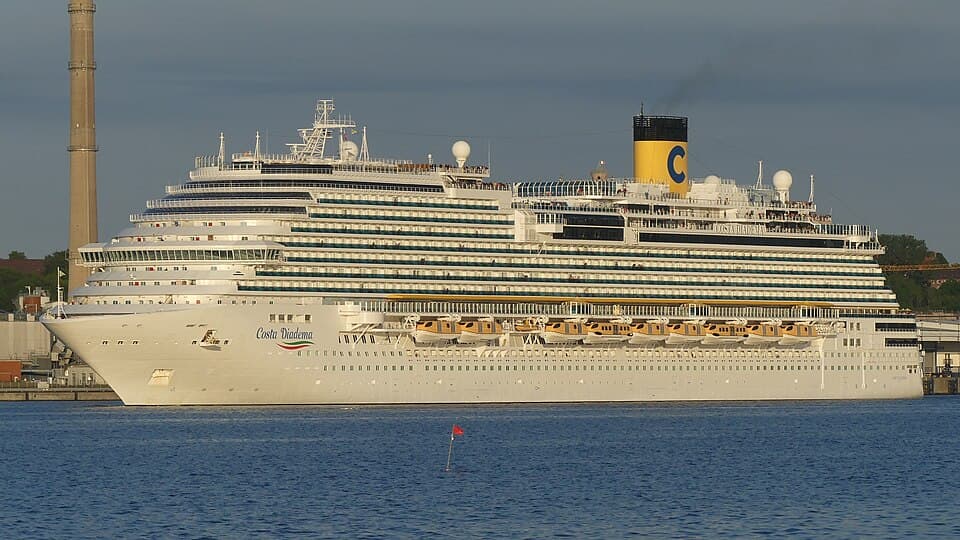

You're standing on the pier. Your ship, your floating hotel, your luggage, your passport in the safe, your whole vacation, is sliding away from the dock, churning white water behind it, getting smaller by the second. You wave. You shout. Someone films it. And the ship does not slow down.
This is the nightmare every cruiser has imagined, and a handful live out at every busy port in the world. The viral clips make it look almost comic. A family sprinting along the quay, a woman screaming "Nooooooo!" as the hull pulls away. But behind the meme is a genuinely expensive, stressful scramble. So let's answer the question everyone actually wants answered.
If you miss the ship, it does not come back. Full stop. You are now responsible, at your own expense, for getting yourself to the next port of call to rejoin the sailing, and the cruise line is only obligated to help you if you missed the ship because of one of *their* shore excursions. Everything else in this article is about what to do in that moment, what it costs, and how to make sure you're never the one filming the video.
Why the Ship Doesn't Wait
It feels heartless watching a ship leave passengers waving on the dock. It isn't personal. It's logistics, contracts, and law.
A cruise ship runs on a schedule measured in port fees, fuel burn, pilot bookings, and the arrival slot at the next port, which may be hundreds of miles away. Ships often sail overnight to make the next morning's docking window. Hold the departure for a few stragglers and the captain risks arriving late at the next port. Which can mean missing the assigned berth entirely and disrupting thousands of other guests' plans.
There's also a hard rule on the gangway: "all aboard" time is not departure time. All-aboard is typically 30 to 60 minutes before the ship is scheduled to sail. That's when the gangway comes up. If the posted sailing is 5:00 p.m., all-aboard is often 4:30, and the crew starts the headcount and paperwork the moment that clock hits. By the time you're running down the pier, the ship has already been legally and operationally "closed."
The One Thing That Decides Everything: How You Booked Your Day
If there's a single fact that separates a survivable miss from a financial disaster, it's this: did you book your shore excursion through the cruise line, or independently?
Ship-sponsored excursions: the ship has your back
When you book a tour through the cruise line's own shore-excursion desk, the operator is in direct communication with the ship. If your bus is stuck in traffic, the ship knows, and in most cases it will wait. Or, if waiting isn't possible, the line will arrange and pay for transport to get your group to the next port. That's the entire premium you're paying for. The peace of mind is the product.
Independent tours: you're on your own
Book a private guide, a Viator day trip, or just wander off on your own to find a beach and a rum punch, and the ship owes you nothing. The captain has no idea where you are and no obligation to wait one minute. If that independent tour blows a tire on the way back and you watch the ship leave, every dollar of getting yourself to the next port is yours to pay.
Independent tours are often cheaper and better. That's real. But the trade-off is that you've absorbed all of the timing risk yourself. If you go independent, build in a buffer that's two or three times bigger than you think you need.
What To Actually Do If You Miss the Ship
Panic is the enemy. The ship is gone, but the situation is recoverable far more often than the videos suggest. Work the problem in this order:
Find the port agent. Immediately. Every cruise line stations a local port agent at each stop, and their name and phone number are printed on your daily program (the Cruise Compass, Fun Times, Patter, or equivalent). This is the single most important contact you have. Photograph that page before you leave the ship every single morning.
Get your passport and essentials. When the crew realizes guests are missing, they often pull those passengers' passports, phones, and medication off the ship and leave them with the port agent. So the agent isn't just a phone number. They may be physically holding the documents you need to cross a border.
Call the port agent and the cruise line. The agent helps you understand your options, the realistic timeline, and whether catching the next port is even legally possible.
Arrange your own transport to the next port. Flights, ferries, taxis, a rental car. Whatever closes the gap. Keep every receipt. This is on your dime unless a ship-sponsored excursion caused the miss.
Know when catching up is impossible. In the U.S., the Passenger Vessel Services Act of 1886 bars most cruise ships from carrying passengers between two U.S. ports without a foreign stop in between. The practical upshot: if you miss the ship on, say, a closed-loop Alaska cruise, you often cannot legally rejoin at the next U.S. port at all. Your vacation may simply be over.
Don't strand your group's documents. If you're separated from travel companions who are still aboard, coordinate through the port agent so passports and medication get to the right person.
Watch your ship sail away. Literally
Here's something only a tracking site can give you in that moment. While you're working the phones on the pier, you can pull up cruiseshiptracking.com and watch your ship's live AIS position as it leaves the harbor. The same signal that marine authorities use. You can see exactly which direction it's heading and confirm its track toward the next port, which helps you and the port agent reason about timing and the fastest route to intercept it. It won't bring the ship back, but knowing precisely where it is beats staring at an empty dock.
What It Actually Costs
There's no single number, but the components are predictable, and they add up fast:
Transport to the next port: This is the big one. A same-day Caribbean island-hop flight booked at the last minute can run several hundred dollars per person; longer gaps mean more flights and connections.
A hotel night, if the next port is a day away and you're stuck waiting.
Meals and incidentals while you're off the ship and out of the all-inclusive bubble.
Shipping your belongings home if you decide to abandon the cruise. Your luggage stays on the ship and gets offloaded at the end, then forwarded to you, which you pay for.
A new visa or entry fee, if catching up means entering a country you hadn't planned to.
A single missed port on an independent excursion can easily run a family well past a thousand dollars once flights and a hotel are involved. This is exactly why travel insurance with a "missed connection" or trip-interruption benefit is worth its modest price. Read the policy and confirm a left-behind-at-port scenario is covered before you sail.
The Viral "Pier Runner" Phenomenon
You've seen the clips: someone sprinting along the dock, arms flailing, ship pulling away, a chorus of "Noooo!" These videos rack up tens of millions of views because they hit a universal fear in eight gripping seconds.
Worth knowing: not all of them are real. One of the most-viewed pier-runner clips of 2026. Three people running alongside a departing Carnival ship in the Bahamas, captioned "Missed Our Cruise". Racked up more than 27 million views before another guest's footage exposed it as staged. The group reportedly was never booked on that ship at all; they filmed multiple takes from a different ship docked nearby that happened to be staying in port longer.
The lesson isn't that missing the ship is fake. It absolutely happens. It's that the genre has become viral bait, and the staged versions make a genuinely costly mistake look like harmless content. The real pier runners aren't laughing. They're about to spend a lot of money.
How To Never Be the One in the Video
Prevention here is almost embarrassingly simple, and it comes down to a few habits:
Set your watch and phone to ship time and leave it there. Ship time is set by the captain and does not always match the local time onshore. Your phone may silently auto-update to the local zone and put you an hour off. Always go by ship time, and check the clock posted at the gangway as you leave.
Know your all-aboard time, not just the sailing time. All-aboard is the real deadline, and it's printed in your daily program every day.
Aim to be back at least an hour before all-aboard. Crowds, tender lines, traffic, and slow elevators all eat your margin.
Book through the cruise line when timing is tight. Distant tours, anything weather-dependent, or stops with a single long drive back to the pier.
Carry the port agent's contact info and a photo of the day's program every time you step off.
Keep your passport and a credit card on you in ports where you may need to cross a border to rejoin.
Do those six things and your odds of ever sprinting down a pier drop to nearly zero.
FAQ
Will the cruise ship ever wait for me? Only in specific cases. Chiefly if you're on a delayed shore excursion booked through the cruise line, where the operator is in direct contact with the ship. If you're on an independent tour or off on your own, assume the answer is a hard no. The ship sails to protect its schedule and its arrival slot at the next port.
What's the difference between "all aboard" time and departure time? All-aboard is when the gangway comes up and the headcount begins, typically 30 to 60 minutes before the posted sailing time. Departure is when the ship physically leaves. Treat all-aboard as your true deadline, and build in a buffer on top of it.
Why does my phone time differ from the ship's time? The captain sets "ship time," which doesn't always change to match each port's local time, especially in the Caribbean. Your phone may auto-update to local time and leave you an hour off in either direction. Always run on ship time and confirm against the clock at the gangway.
Who is the port agent and why does it matter? The port agent is the cruise line's local representative at each stop, with name and phone number printed in your daily program. If you're left behind, they're your first call, they help arrange your catch-up, and they may be physically holding the passport, phone, and medication the crew pulled off the ship for you.
Can I always catch the ship at the next port? No. Beyond the cost, U.S. law (the Passenger Vessel Services Act of 1886) bars most ships from carrying passengers between two U.S. ports without a foreign stop in between: so on some itineraries, like closed-loop Alaska sailings, you legally cannot rejoin at the next U.S. port. On many international itineraries you can catch up, but it's at your own expense and never guaranteed.
Planning your time ashore? Read our guides to [cruise port day planning](/blog/cruise-port-day-planning) and the [shore excursion booking guide](/blog/cruise-shore-excursion-booking-guide) so your day off the ship runs on schedule. New to cruising? Start with [first cruise tips](/blog/first-cruise-tips) and the things on our [what not to do](/blog/cruise-what-not-to-do) list. And if you ever do watch your ship pull away, you can follow its live position on [cruiseshiptracking.com](/).