
Founder & Cruise Expert
Avid cruise enthusiast who cruised so many times he decided to make it a career. Ian has sailed on over 30 cruise lines across 6 continents, from budget-friendly Carnival sailings to luxury Regent Seven Seas voyages. He built CruiseShipTracking to help fellow cruisers track ships, plan voyages, and find the best deals.
Most major cruise lines allow pregnant guests to sail up to 24 weeks (the start of the third trimester). Some lines, like Disney and MSC, set the cutoff at 23 weeks. You will need a doctor's note confirming your due date and fitness to travel. Choose a cabin with easy access to medical facilities, pack seasickness remedies approved by your OB-GYN, and book travel insurance that covers pregnancy-related cancellations.
In This Article
We earn a commission when you book through our links at no extra cost to you. This does not affect prices. Learn more
A cruise can be a wonderful babymoon. No cooking, no driving, multiple destinations, and plenty of relaxation. But cruising while pregnant requires more planning than a typical vacation. Every cruise line has specific pregnancy policies, and the open ocean is not the place to discover you've overlooked a critical detail.
This guide covers everything from week-by-week cutoffs and medical clearance requirements to cabin selection, food safety, and shore excursion considerations. If you're in your first or second trimester, here is what you need to know before booking.
Ready to book a cruise? Browse 12,000+ live cruise deals on Cruisebound. Filter by destination, length, cabin type, and departure port to see today's pricing before you keep reading.
Pregnancy Cutoffs by Cruise Line

Every major cruise line restricts boarding based on how far along you are at the end of the cruise, not the start. This is a critical distinction. If your cruise is 10 days long, you need to be within the limit on disembarkation day.
Cruise Line | Maximum Weeks at End of Cruise | Notes |
|---|---|---|
Royal Caribbean | 24 weeks | Doctor's letter required |
24 weeks | Letter must confirm due date and single pregnancy | |
24 weeks | Letter on physician's letterhead | |
24 weeks | Same policy as Royal Caribbean (same parent company) | |
24 weeks | Standard Carnival Corp policy | |
Holland America | 24 weeks | Standard Carnival Corp policy |
23 weeks | Slightly stricter cutoff | |
MSC Cruises | 23 weeks | Letter must be dated within 7 days of embarkation |
Virgin Voyages | 24 weeks | Adults-only line, 18+ only |
Cunard | 24 weeks | Letter must confirm uncomplicated pregnancy |
Important: These cutoffs are firm. If you are even one day past the limit at disembarkation, you will be denied boarding at check-in with no refund unless you have travel insurance. The cruise line will calculate your gestational age based on the due date in your medical letter.
Medical Clearance Requirements
Every cruise line requires a letter from your physician (OB-GYN or midwife) that includes:
Your expected due date. The cruise line uses this to calculate your gestational age
Confirmation of a single, uncomplicated pregnancy. Twin or high-risk pregnancies are typically not permitted to sail
Statement that you are fit for travel. Your doctor confirms no contraindications
Date of the letter. Most lines require it within 14 days of embarkation (MSC requires within 7 days)
Physician's signature and contact information. Some lines require official letterhead
Bring the original letter plus a copy. Keep one in your carry-on and one in your checked luggage. The port check-in staff will review it before issuing your boarding pass.
What Disqualifies You from Boarding
Even within the allowed gestational window, you may be denied boarding if:
You have a multiple pregnancy (twins, triplets)
Your pregnancy is classified as high-risk by your physician
You've had complications such as preeclampsia, placenta previa, or preterm labor in this pregnancy
You cannot produce the required medical letter at check-in
The ship's doctor determines you pose a medical risk during embarkation screening
Best Time to Cruise During Pregnancy
The second trimester (weeks 14-24) is widely considered the sweet spot for travel. Here is why:
First trimester (weeks 1-13): Morning sickness, fatigue, and heightened smell sensitivity can make a cruise miserable. The motion of the ship can amplify nausea significantly. Many women also prefer not to travel before the 12-week milestone when the risk of miscarriage drops substantially.
Second trimester (weeks 14-24): Morning sickness has typically subsided, energy levels are higher, and you're still mobile enough to enjoy excursions and onboard activities. Most women feel their best during this window, and you'll be well within every cruise line's cutoff.
Third trimester (weeks 25-40): No cruise line will accept you. Beyond the policy issue, the physical discomfort of late pregnancy combined with limited medical resources at sea makes this genuinely inadvisable.
The ideal booking window: Aim for a cruise that starts around week 16-18 and ends no later than week 22-23. This gives you buffer room in case the ship's doctor questions your dates, and you'll feel well enough to enjoy the experience.
Choosing the Right Cabin
Your cabin choice matters more during pregnancy than on any other cruise. Here is what to prioritize:
Location on the Ship
Midship, lower decks. The center of the ship experiences the least motion. This is the single most important factor for managing seasickness during pregnancy.
Close to elevators. You'll be making more trips to the restroom and to the buffet. Being near elevators reduces walking on days when your feet are swollen.
Close to the medical center. Know where the ship's medical facility is located and choose a cabin within reasonable distance.
Cabin Type
Balcony cabin (recommended). Fresh air access is invaluable when you feel nauseous. Being able to step onto your balcony for cool ocean breeze without leaving your cabin is worth the upgrade.
Inside cabin. Adequate but can feel claustrophobic, and without fresh air access, nausea can worsen.
Suite. If budget allows, the extra space is genuinely helpful. You'll appreciate room to improve your feet, store pregnancy supplies, and move around comfortably.
Bed Configuration
Request a bed configuration that allows you to prop yourself up with extra pillows. Many cruise ships have adjustable beds or can provide additional pillows and a mattress topper on request. Call the cruise line's special needs department before sailing to arrange this.
Food Safety on a Cruise Ship
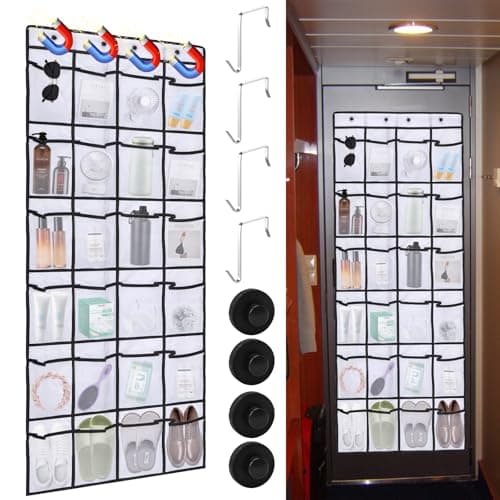
Cruise Door Organizer 24 Pockets Magnetic
- 24 clear pockets attach magnetically to the metal cabin door
- Holds sunscreen, lanyards, snacks, and small items
The single most recommended cruise hack, turns your cabin door into instant storage
View on Amazon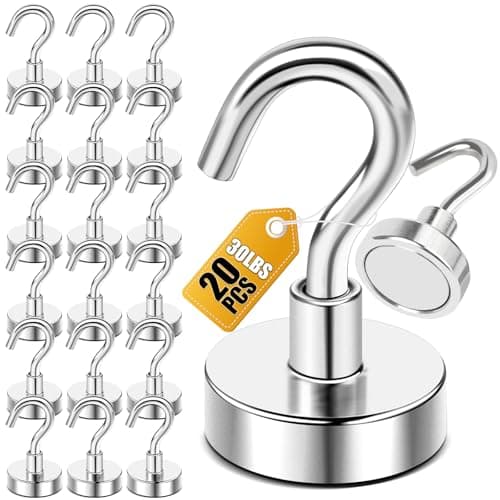
DIYMAG Magnetic Hooks 6-Pack
- Super-strong neodymium magnets stick to cabin walls and ceilings
- Hang hats, bags, towels, and lanyards anywhere
Cruise cabin walls are steel, magnetic hooks turn every surface into storage
View on Amazon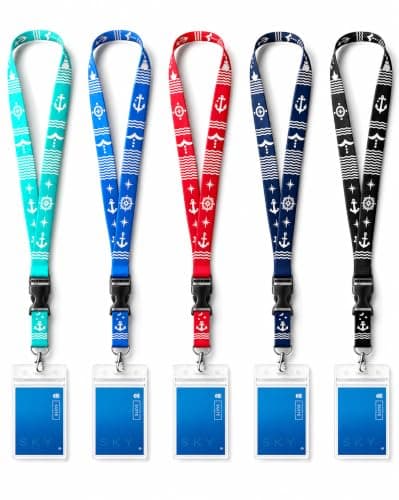
5-Pack Cruise Lanyards Waterproof
- Waterproof holders protect your cruise card at the pool and on excursions
- Five lanyards for the whole family
Your cruise card is your key, wallet, and ID, a waterproof lanyard keeps it safe and accessible
View on AmazonCruise ship buffets are extensive, but pregnant women need to be selective. The FDA and ACOG recommend avoiding:
Foods to Avoid
Raw or undercooked seafood. Sushi, sashimi, raw oysters, ceviche, and tartare. These are commonly served at cruise ship specialty restaurants and buffets.
Soft cheeses. Brie, camembert, blue cheese, and feta unless confirmed pasteurized. Buffet labels don't always specify.
Deli meats and hot dogs. Unless heated to steaming. The risk of listeria is higher in pre-cooked meats that have been sitting at temperature.
Unpasteurized juices and milk. Rare on cruise ships but verify with the dining staff.
High-mercury fish. Swordfish, king mackerel, tilefish, and shark. Request lower-mercury options like salmon, shrimp, and tilapia from the dining room.
Raw sprouts. Alfalfa, bean, clover sprouts can harbor bacteria even when washed.
Safe Eating Strategies
Eat from the main dining room rather than the buffet when possible. Dining room food is cooked to order and served directly, reducing contamination risk.
Ask your waiter about preparation methods. Cruise ship dining staff are trained to accommodate dietary restrictions and can confirm whether fish is fully cooked, cheese is pasteurized, and meats are heated through.
Avoid the buffet during off-peak hours when food may have been sitting at temperature longer.
Stay hydrated. Drink bottled water at ports of call. Ship water is treated and safe, but port city tap water varies.
Request pregnancy-safe meals in advance. Most cruise lines can prepare custom meals with notice. Contact the special dietary department 30-60 days before sailing.
Shore Excursion Restrictions
Not every port activity is safe during pregnancy. Before booking excursions, consider these restrictions:
Activities to Avoid
Zip lining and ropes courses. Harness systems compress the abdomen
Jet skiing and banana boat rides. High-impact bouncing
Scuba diving. Decompression sickness risk to the fetus (snorkeling is generally safe in calm water)
Horseback riding. Fall risk and abdominal impact
ATV and off-road tours. Jarring terrain
High-altitude excursions. Above 6,000 feet can reduce oxygen levels
Generally Safe Activities
Walking tours at a moderate pace with frequent rest stops
Beach days with shade and hydration
Scenic boat tours on calm water (catamarans are smoother than small speedboats)
Cultural tours of museums, churches, and historical sites
Light snorkeling in calm, shallow water
Shopping excursions with air-conditioned transport
Booking Tips
Book through the cruise line rather than independent operators. Cruise-line-sponsored excursions have medical liability coverage and the ship will wait if the excursion runs late.
Choose excursions rated "easy" or "moderate" in the activity level description.
Confirm restroom access on longer tours. This matters more than you think in the second trimester.
Bring your own water and snacks. Don't rely on excursion providers for hydration.
What to Pack When Pregnant
Beyond your normal cruise packing list, add these pregnancy-specific items:
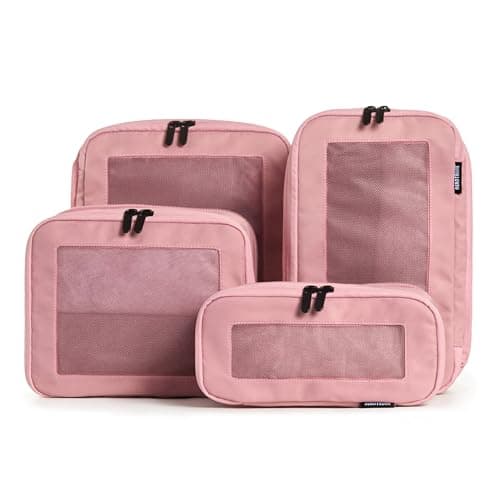
Aerotrunk Compression Packing Cubes 4-Pack
- Double-zipper compression cuts volume by up to 60%
- Four sizes cover every clothing type
Compression cubes are the single best way to fit a week of cruise outfits into a carry-on
View on AmazonMedical and Comfort
Copy of your medical clearance letter (original plus backup)
Prenatal vitamins. Enough for the entire trip plus two extra days
Sea-Bands (acupressure wristbands). Drug-free nausea relief
Ginger candies or ginger supplements. Consult your doctor first
Any prescribed medications in original pharmacy bottles
Compression socks. Essential for long flights and sea days to prevent swelling
Body pillow or wedge pillow. Check with the cruise line first; some provide them on request
Belly support band. Helpful for walking excursions
Comfortable, supportive walking shoes. Your feet will swell in the heat
Sun and Skin

OlarHike 10-Set Compression Packing Cubes
- Ten-piece set includes multiple sizes plus shoe bag and laundry bag
- Color-coded for easy family organization
Families sharing a cabin need maximum organization, 10 cubes cover everyone
View on AmazonSPF 50+ mineral sunscreen. Chemical sunscreens may contain ingredients your doctor recommends avoiding; mineral (zinc oxide, titanium dioxide) is generally considered safer during pregnancy
Wide-brimmed hat. Overheating is a real risk
Loose, breathable clothing. Cotton and linen layers for warm ports
Maternity swimsuit. You'll want to use the pool
Documents and Planning
Insurance policy documentation (see below)
List of hospitals near each port of call. Your cruise line's excursion desk can help, but having your own research is prudent
Doctor's phone number and after-hours contact. In case you need to consult from sea
Insurance Considerations
Standard travel insurance typically does not cover pregnancy-related cancellations or medical expenses. You need a policy that explicitly addresses pregnancy. Here is what to look for:
Coverage You Need
Trip cancellation for pregnancy complications. If your doctor advises you to cancel before sailing
Emergency medical care during pregnancy. Medical treatment at sea or in foreign ports
Medical evacuation. Helicopter medevac from a cruise ship can cost $50,000-$150,000 without insurance
Trip interruption. If you need to disembark early for a medical reason
What Standard Policies Exclude
Most standard cruise line travel insurance policies exclude:
Any pregnancy-related claim after a certain gestational week (often 26-32 weeks)
Elective pregnancy termination
Complications from fertility treatments
Normal pregnancy-related discomfort (morning sickness is not a "medical emergency")
Recommended Approach
Buy a "cancel for any reason" (CFAR) policy. These are more expensive (typically 40-60% more than standard policies) but cover cancellation regardless of the reason, usually reimbursing 50-75% of trip costs.
Purchase within 14-21 days of your initial trip deposit. Many CFAR policies require purchase within this window.
Read the pregnancy exclusion clause carefully. Some policies only cover complications, not routine pregnancy. Others exclude pregnancy entirely.
Consider a policy from a third-party insurer rather than the cruise line's own insurance, as third-party policies tend to offer broader pregnancy coverage.
Best Cruise Lines for Pregnant Travelers
Some cruise lines handle pregnancy accommodations better than others. Based on policy flexibility, dining accommodations, and onboard medical facilities:
Top Picks
Royal Caribbean. Large ships with extensive medical centers, excellent dining flexibility, and midship cabin options on every vessel. The app makes it easy to order room service and avoid buffet lines. Ships like Oasis-class and Icon-class have the smoothest ride due to their size.
Disney Cruise Line. While their 23-week cutoff is slightly stricter, Disney excels at dietary accommodations and the ships are meticulously clean. The adults-only areas (Quiet Cove pool, adult restaurants) provide relaxation space. Disney also has a reputation for exceptional onboard medical staff.
Celebrity Cruises. The focus on upscale dining means more options for cooked-to-order meals with known ingredients. The Retreat suites on Edge-class ships offer extra space, and the ship's restaurant staff are known for accommodating dietary needs without fuss.
Norwegian Cruise Line. The Freestyle Cruising concept means no fixed dining times, which is helpful when pregnancy hunger strikes at odd hours. Multiple dining venues on larger ships give you options at nearly any time of day.
Lines to Approach with Caution
Small expedition and river cruise lines: smaller vessels have more pronounced motion, limited medical facilities, and may be hours from the nearest hospital. If you're considering a river cruise or expedition cruise while pregnant, confirm medical capabilities with the line directly.
Virgin Voyages: as an adults-only line with a party atmosphere, the experience is oriented toward drinking, late nights, and high-energy entertainment. Not inherently unsafe, but the vibe may not match a babymoon.
What the Ship's Medical Center Can and Cannot Do
Cruise ship medical facilities are equipped for basic emergency care, not obstetric services. Understanding this distinction is critical:
They CAN: Monitor vital signs, administer IV fluids for dehydration, perform basic ultrasound on some ships, treat urinary tract infections, manage minor bleeding, and coordinate emergency evacuation.
They CANNOT: Deliver a baby safely in most cases, perform emergency cesarean sections, care for a premature newborn (no NICU), or manage severe pregnancy complications like eclampsia or placental abruption.
The ship's doctor can stabilize you and arrange transport to the nearest hospital, but "nearest" on a transatlantic crossing might be 12-24 hours away by sea. This is the fundamental reason cruise lines enforce gestational cutoffs, the risk of a medical emergency they cannot handle increases significantly in the third trimester.
Final Checklist Before You Book
Before confirming your cruise reservation, run through this checklist:
[ ] Cruise ends before your 24-week mark (or 23 weeks for Disney/MSC)
[ ] Your OB-GYN confirms you are fit for travel and will provide a letter
[ ] You have a single, uncomplicated pregnancy
[ ] You've purchased travel insurance with pregnancy coverage
[ ] You've selected a midship, lower-deck cabin (balcony preferred)
[ ] You've contacted the cruise line's special dietary department
[ ] You've reviewed port excursions for safety ratings
[ ] You've packed all prenatal medications and medical documents
[ ] You know the location of hospitals near each port of call
[ ] You've informed your travel agent or cruise line booking agent of your pregnancy
A well-planned cruise during the second trimester can be one of the best vacations of your life: limited stress, excellent food (with the right choices), and a chance to relax before parenthood changes everything. Just do the homework upfront.
Use our ship tracker to follow your ship's route before you book, and explore cruise line profiles for more details on dining, cabin options, and medical facilities aboard specific vessels.