Japan is one of the most rewarding cruise destinations in the world. A country where 1,200-year-old temples sit beneath neon skylines, where a single meal at a street-side ramen counter can be transcendent, and where the public transit system runs with a precision that makes European trains look like suggestions.
Cruising Japan solves the biggest challenge of visiting the country independently: logistics. Instead of booking trains between cities, checking in and out of hotels, and navigating luggage through crowded stations, your ship moves you between ports overnight. You wake up in a new city every morning, spend the day exploring, and return to your floating hotel without repacking a single bag.
This guide covers the best times to cruise Japan, what to expect at each major port, which cruise lines offer the best Japan itineraries, and the cultural knowledge that will make your visit smoother.
Planning a Japan cruise? Browse current Japan cruise deals on Cruisebound. See live pricing on Tokyo, Yokohama, and Kobe-based itineraries.
When to Cruise Japan
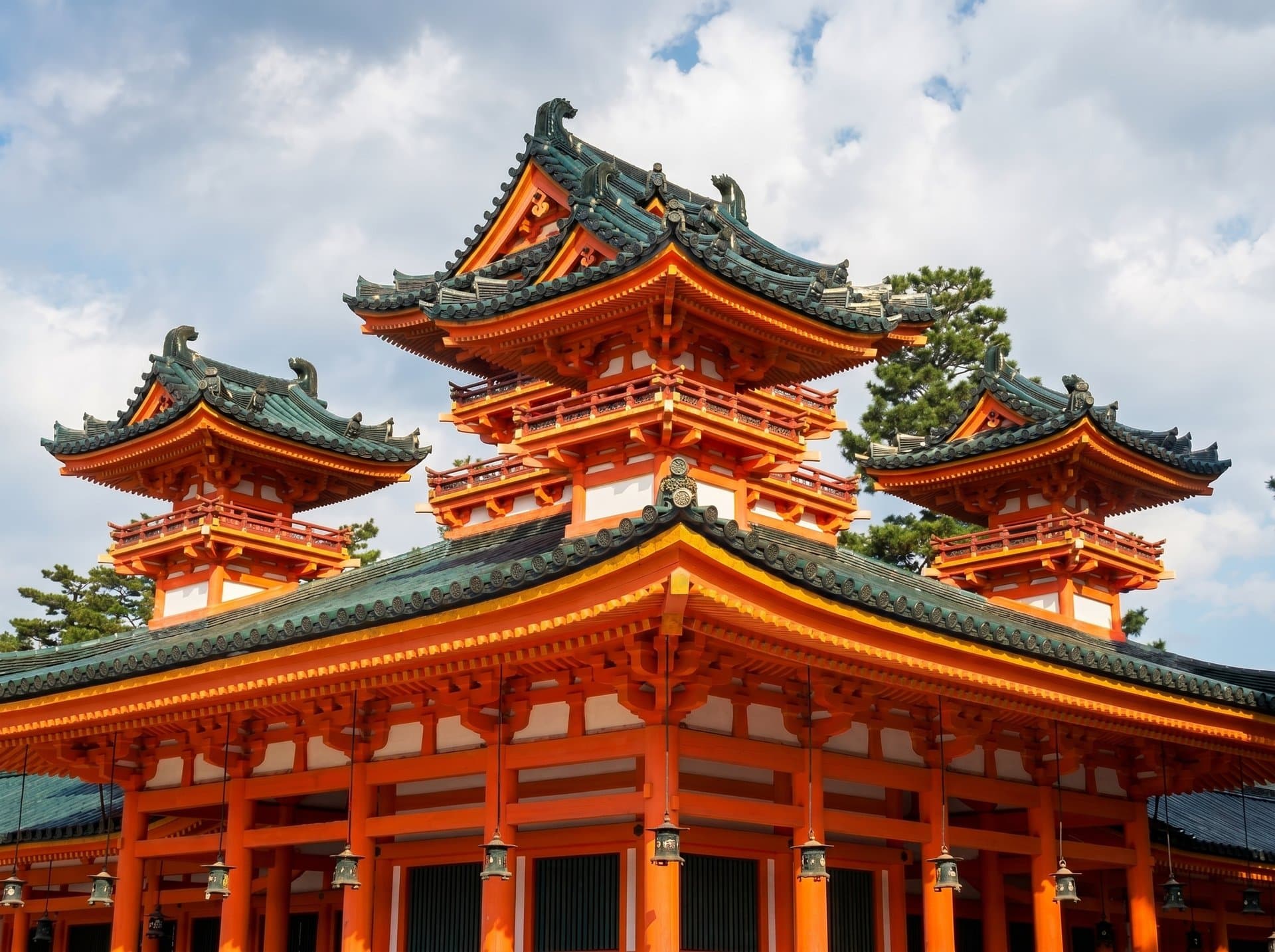
Japan has two peak cruise seasons, both driven by natural phenomena that attract visitors from around the world.
Cherry Blossom Season (Late March - Mid-April)
The event: Japan's cherry trees (sakura) bloom for approximately 2 weeks per location, creating a wave of pink and white that sweeps north from Kyushu to Hokkaido between late March and early May. It is one of the most beautiful natural spectacles on Earth.
Best cruise dates: March 25 - April 15 for the main islands (Honshu, including Tokyo, Osaka, and Kyoto). Blooms arrive in southern Kyushu in mid-March and reach northern Honshu and Hokkaido by late April.
What to expect: Parks, temple grounds, and riverbanks covered in cherry blossoms. Hanami (flower viewing) parties under the trees. A festive atmosphere with food stalls, picnics, and evening illuminations. The most photogenic port for cherry blossoms is Osaka/Kobe, where the trees along the Philosopher's Path in nearby Kyoto create a tunnel of pink.
Pricing impact: Cherry blossom season cruises sell out 12-18 months in advance and cost 20-40% more than off-season sailings. If you want to cruise Japan during sakura season, book as early as possible.
Risk: Cherry blossoms are weather-dependent. An unusually warm spring can push blooms earlier; a cold snap can delay them. You might arrive at a port one day before full bloom or one day after peak. This is part of the experience. The Japanese concept of mono no aware (the bittersweet awareness of impermanence) is central to cherry blossom appreciation.
Autumn Foliage Season (Late October - November)
The event: Japan's maple and ginkgo trees turn brilliant shades of red, orange, and gold. The foliage moves south from Hokkaido to Kyushu, the reverse of the cherry blossom wave.
Best cruise dates: October 25 - November 25 for the main islands. Peak foliage in Tokyo is typically mid-to-late November; Kyoto peaks in late November.
What to expect: Temple gardens ablaze with color, particularly in Kyoto and Nikko. Fewer crowds than cherry blossom season. Comfortable temperatures (50-65F / 10-18C). Many temples offer special nighttime illuminations of their autumn gardens.
Pricing impact: Autumn cruises are less expensive than cherry blossom season. Typically 10-20% above base pricing. Availability is better, though popular itineraries still sell out 6-12 months ahead.
Shoulder Season (May-June, September-October)
May through early June and September through mid-October offer pleasant weather, smaller crowds, and lower prices. June marks the start of the rainy season (tsuyu) in most of Japan, which brings humid conditions and occasional heavy rain. Not ideal for sightseeing but manageable with an umbrella.
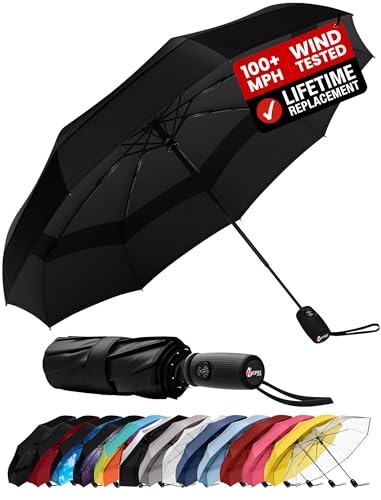
REPEL Windproof Travel Umbrella
- Teflon-coated canopy repels water
- Windproof construction survives gusts up to 60mph
Tropical downpours are sudden and intense, a windproof umbrella keeps you dry on port excursions
View on AmazonTyphoon Season (July-October)
Japan's typhoon season peaks August through October. While modern cruise ships can navigate around most storm systems, itinerary changes (skipped ports, altered routes) are possible. September and October sailings carry the highest weather risk.
Top Japanese Cruise Ports
Yokohama (Tokyo)
What it is: Japan's primary cruise port, located 30 minutes south of central Tokyo by train Typical time in port: 8-12 hours (many itineraries start or end here, giving you an overnight) Getting around: Take the Minato Mirai Line from the cruise terminal to Yokohama Station, then JR trains to Tokyo. A Suica/Pasmo transit card (available at station machines) makes transit smooth.
Must-do:
Senso-ji Temple in Asakusa. Tokyo's oldest temple, with the iconic Kaminarimon gate
Shibuya Crossing. The world's busiest pedestrian crossing, best viewed from the Starbucks above
Meiji Shrine. A Shinto shrine surrounded by forest in the heart of Harajuku
Tsukiji Outer Market. Street food, fresh sushi, and tamagoyaki (rolled omelet)
If you have a full day: take the bullet train (shinkansen) to Hakone for Mount Fuji views (2 hours round trip including sightseeing)
Shore excursion tip: Tokyo is enormous. Don't try to see everything. Pick one area (Asakusa + Ueno, or Shibuya + Harajuku, or Shinjuku) and explore it deeply rather than rushing between distant neighborhoods.
Osaka
What it is: Japan's food capital and second-largest city, known for street food, neon-lit nightlife, and a direct personality that contrasts with Tokyo's reserve Typical time in port: 8-10 hours Getting around: JR trains from the cruise terminal to central Osaka. Osaka's subway system is efficient and well-signed in English.
Must-do:
Dotonbori. The most famous food street in Japan. Takoyaki (octopus balls), okonomiyaki (savory pancakes), and kushikatsu (deep-fried skewers) are the local specialties
Osaka Castle. A reconstructed 16th-century castle with a museum and panoramic views from the top floor
Kuromon Market. "Osaka's Kitchen," a covered market with 170+ stalls selling fresh seafood, fruit, and street food
Day trip to Kyoto (30 minutes by train). Fushimi Inari shrine (10,000 red torii gates), Kinkaku-ji (Golden Pavilion), and the bamboo grove of Arashiyama
Shore excursion tip: If your ship visits Osaka, spend the morning in Kyoto (take the 7:00 AM train) and the afternoon in Osaka for food. This gives you the best of both cities in one port day.
Kobe
What it is: A sophisticated port city famous for Kobe beef, sake breweries, and mountain-backed waterfront scenery Typical time in port: 8-10 hours Getting around: Kobe is walkable from the cruise terminal to the main downtown area. The Port Liner monorail connects the terminal to Sannomiya Station.
Must-do:
Eat Kobe beef. Reserve a teppanyaki restaurant in advance if possible. Expect to pay 5,000-15,000 yen ($35-100 USD) per person for an authentic Kobe beef lunch
Nada sake district. Five sake breweries within walking distance, most offering free tastings
Nunobiki Herb Garden. Take the ropeway (cable car) up Mount Rokko for panoramic views of the city and harbor
Nankinmachi (Kobe Chinatown). Smaller than Yokohama's Chinatown but excellent for dim sum and pork buns
Nagasaki
What it is: A historically significant port city with Dutch, Chinese, and Portuguese influences. One of the most culturally diverse cities in Japan Typical time in port: 8-10 hours Getting around: Nagasaki's streetcar system (tram) costs 140 yen per ride and covers all major attractions. A one-day pass is 600 yen.
Must-do:
Nagasaki Peace Park and Atomic Bomb Museum. A sobering and essential visit
Glover Garden. A hillside complex of preserved Western-style houses from the 19th century, with harbor views
Dejima. The reconstructed Dutch trading post that was Japan's only point of Western contact during 200 years of isolation
Chinatown. Japan's oldest Chinatown, famous for champon (a rich pork and seafood noodle soup unique to Nagasaki)
Hiroshima (via Miyajima)
What it is: Some itineraries dock at Hiroshima's port or nearby ports with access to both Hiroshima and Miyajima Island Typical time in port: 8-10 hours
Must-do:
Hiroshima Peace Memorial Park and Museum. The epicenter memorial, A-Bomb Dome, and the museum chronicling the 1945 atomic bombing
Miyajima Island. A 10-minute ferry ride from the mainland, home to the floating torii gate of Itsukushima Shrine (one of Japan's most iconic images) and free-roaming deer
Eat Hiroshima-style okonomiyaki. Layered with noodles, unlike the mixed Osaka style
Okinawa (Naha)
What it is: A subtropical island chain far south of the Japanese mainland, with a distinct culture influenced by its Ryukyu Kingdom history and proximity to Taiwan Typical time in port: 6-8 hours
Must-do:
Shuri Castle. A reconstructed Ryukyuan castle and UNESCO World Heritage Site (undergoing restoration after a 2019 fire, but grounds and surrounding area are accessible)
Kokusai Street. The main shopping and dining street in Naha, with souvenir shops, Okinawan restaurants, and purple sweet potato treats
Churaumi Aquarium (requires a taxi or tour, 90 minutes from Naha). One of the largest aquariums in the world, with a massive whale shark tank
Cruise Lines Offering Japan Itineraries
Princess Cruises
Princess has the most extensive Japan program, with Diamond Princess homeported in Yokohama during spring and fall seasons. Itineraries range from 7-14 nights and include ports that other cruise lines skip (Aomori, Hakodate, Kanazawa). Princess's Japan cruises are popular with Japanese passengers, which means onboard announcements, menus, and activities include Japanese language options.
Typical itinerary: 10-night roundtrip from Yokohama visiting Kobe, Nagasaki, Jeju (South Korea), Busan (South Korea), and Shimizu (Mount Fuji views).
Royal Caribbean
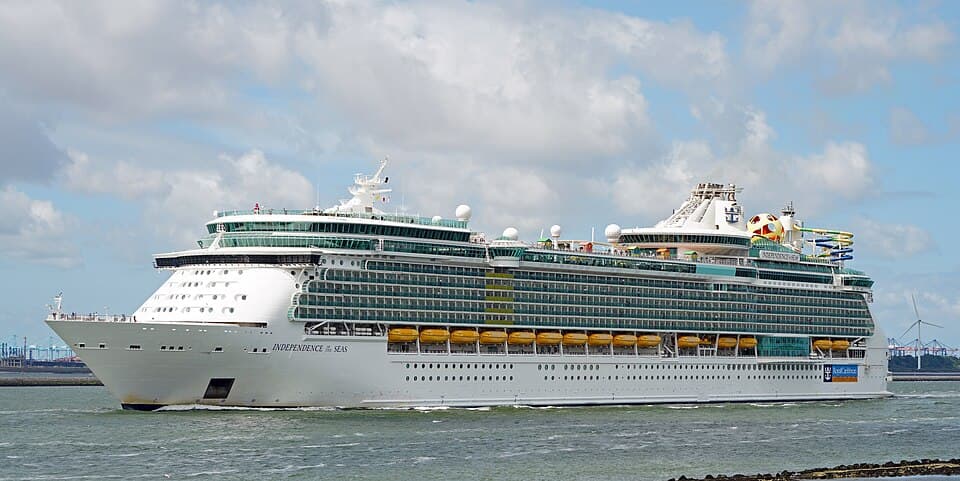
Royal Caribbean sails to Japan from Singapore, Hong Kong, and occasionally Yokohama. Ships deployed to Asia are typically Quantum-class vessels (Spectrum of the Seas, Ovation of the Seas), which offer iFLY, FlowRider, and other onboard activities between port days.
Typical itinerary: 7-9 nights from Shanghai or Singapore, visiting Osaka, Kobe, and Yokohama with sea days between.

Hiearcool Waterproof Phone Pouch 2-Pack
- IPX8-rated waterproof phone pouches that float
- Full touchscreen access through clear window
Pool deck, snorkeling, rain on excursions, your phone needs waterproofing
View on Amazon
Beach Towel Clips 8-Pack
- Eight clips keep your towel on the lounge chair in the sea breeze
- Also works for securing towels on cruise ship railings
Wind on the pool deck constantly blows towels off chairs, clips end the frustration
View on Amazon
Water Shoes Quick Dry
- Quick-dry shoes for beach, snorkeling, and rocky shore walks
- Protective sole guards against coral and sharp rocks
Rocky Caribbean beaches and coral cuts are no joke, water shoes are a must
View on Amazon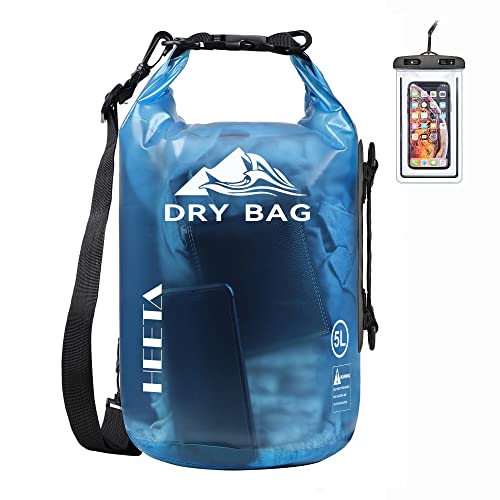
HEETA 20L Waterproof Dry Bag
- Roll-top 20L dry bag keeps everything waterproof for snorkeling, kayaking, and beach excursions
- Shoulder strap for easy carrying
Essential for water excursions, protects electronics and dry clothes on the boat
View on AmazonCelebrity Cruises
Celebrity offers Japan as part of longer Asia itineraries (14-18 nights), often combined with South Korea, China, and Vietnam. Celebrity Millennium and Celebrity Solstice typically handle the Asia deployment.
Typical itinerary: 14-night transpacific or Asia cruise including Tokyo, Osaka, Nagasaki, and Busan.
Holland America
Holland America sails Japan itineraries as part of Grand Voyage and Asia programs. Their longer itineraries (14-28 nights) allow for more Japanese ports and deeper exploration. Holland America passengers tend to value cultural enrichment, and the line offers onboard lectures about Japanese history and culture.
Typical itinerary: 14-night Asia cruise from Yokohama visiting Kobe, Hiroshima, Nagasaki, Okinawa, and ports in Taiwan.
Viking Cruises
Viking's ocean ships sail Japan as part of extensive Asia itineraries (typically 14-20 nights). Viking's enrichment-focused approach includes onboard cultural specialists, destination lectures, and included shore excursions that emphasize cultural immersion over tourist highlights.
Typical itinerary: 15-night East Asia cruise including Tokyo, Osaka, Kobe, Hiroshima, Nagasaki, and Okinawa.
Luxury Lines
Silversea, Regent Seven Seas, Oceania, and Seabourn all offer Japan itineraries with included shore excursions, smaller ships (allowing access to smaller ports), and premium onboard experiences. Expect to pay $8,000-20,000+ per person for a 10-14 night Japan luxury cruise.
Cultural Etiquette Tips
Japan has strong social norms that differ from Western countries. Observing them shows respect and enhances your experience:
Shoes off indoors. When entering temples, traditional restaurants, and some shops, remove your shoes and place them in the designated area or shoe locker. Wear socks without holes.
No tipping. Japan does not have a tipping culture. Leaving money on a restaurant table can cause confusion or even offense. Service charges are included in prices.
Quiet on public transit. Talking on the phone on trains and buses is considered extremely rude. Keep conversations low. Avoid eating on local trains (bullet trains have designated eating areas).
Bowing. A slight bow (15 degrees) is the standard greeting. You don't need to bow deeply. A head nod is fine for tourists. The gesture is appreciated.
Cash. Carry cash. Many small restaurants, shrines, and local shops don't accept credit cards. 7-Eleven ATMs accept foreign cards.
Trash. There are almost no public trash cans in Japan. Carry a small bag for your trash and dispose of it at your hotel (the ship) or at convenience stores that have bins.
Chopsticks. Never stick chopsticks upright in rice (this resembles funeral incense). Never pass food between chopsticks (another funeral custom). Rest chopsticks on the provided chopstick rest when not in use.
Queuing. The Japanese queue for everything: trains, restaurants, escalators. Stand on the left side of escalators in Tokyo (right side in Osaka) to let people pass.
Food Experiences at Japanese Ports
Japan is arguably the world's greatest food destination, and cruise ports give you access to extraordinary meals:
Essential Dishes by Port
Port | Must-Try Dish | Where to Find It | Price Range |
|---|---|---|---|
Tokyo (Yokohama) | Sushi (at Tsukiji Market) | Tsukiji Outer Market stalls | 1,000-3,000 yen ($7-20) |
Osaka | Takoyaki (octopus balls) | Dotonbori street stalls | 500-800 yen ($3-5) |
Osaka | Okonomiyaki (savory pancake) | Dotonbori restaurants | 800-1,500 yen ($5-10) |
Kobe | Kobe beef teppanyaki | Teppanyaki restaurants near Sannomiya | 5,000-15,000 yen ($35-100) |
Kobe | Sake tasting | Nada sake district breweries | Free-1,000 yen ($0-7) |
Nagasaki | Champon noodles | Shikairo (est. 1899) or local restaurants | 900-1,200 yen ($6-8) |
Hiroshima | Hiroshima-style okonomiyaki | Okonomi-mura (okonomiyaki village) | 900-1,500 yen ($6-10) |
Okinawa | Soki soba (pork rib noodles) | Restaurants along Kokusai Street | 700-1,000 yen ($5-7) |
Food Tips
Convenience stores are excellent. 7-Eleven, Lawson, and FamilyMart in Japan sell high-quality onigiri (rice balls), sandwiches, bento boxes, and pastries for 100-500 yen ($0.70-3.50). These are not the convenience stores you're used to, the food is genuinely good.
Lunch is cheaper than dinner. Many high-end restaurants offer lunch sets (teishoku) at 30-50% less than dinner prices for similar quality.
Depachika (department store basement food halls) are stunning: dozens of vendors selling prepared foods, pastries, and bento boxes. Found in every major department store.
Vending machines sell hot and cold drinks (including hot coffee and corn soup in winter) for 100-160 yen ($0.70-1.10). They are everywhere, Japan has approximately 5 million vending machines.
Combining Japan with Other Asian Destinations
Many Japan cruises include ports in neighboring countries:
South Korea (Busan, Jeju): Often combined with Japan itineraries. Busan offers Gamcheon Culture Village, Jagalchi Fish Market, and Haedong Yonggungsa Temple. Jeju is known for volcanic landscapes and the haenyeo (women free-divers).
Taiwan (Keelung/Taipei): Some Japan itineraries include a Keelung stop with access to Taipei's night markets, temples, and Taipei 101.
China (Shanghai, Hong Kong): Longer Asia cruises combine Japan with Chinese ports. Shanghai's Bund waterfront and Hong Kong's harbor are highlights.
Vietnam (Da Nang, Ho Chi Minh City): Extended Asia itineraries (18-28 nights) may include Vietnam alongside Japan.
For the most focused Japan experience, choose a roundtrip Yokohama itinerary that maximizes Japanese port days over Asian combination cruises. Princess and Holland America offer the most Japan-focused itineraries.
The Bottom Line
Japan rewards the prepared traveler. The cultural differences, the language barrier, and the sheer density of things to see at every port can feel overwhelming, but a cruise simplifies the logistics dramatically.
Key takeaways:
Cherry blossom season (late March-mid April) is magical but expensive. Book 12-18 months ahead.
Autumn foliage (late October-November) is equally beautiful and slightly more affordable.
Carry cash. Japan is more cash-dependent than you expect. 7-Eleven ATMs are your best friend.
Don't over-plan port days. Pick 2-3 things per port, not 6. Japan rewards slow exploration.
Eat everything. Street food, convenience store onigiri, department store bento, hole-in-the-wall ramen. The food is the experience.
No tipping. Anywhere. Ever.
Track cruise ships sailing Japan itineraries on our live map, compare ships deployed to Asia on our comparison tool, or explore specific Japanese ports on our port guides.