Cruise ports are shopping opportunities disguised as cultural experiences. That's not cynical. It's practical. Some ports genuinely offer better prices on specific goods than you'll find anywhere else. The trick is knowing which ports are worth shopping in, what to buy where, and how to tell a real deal from a tourist trap.
Not every port is a shopping destination. Some are better for beaches, history, or food. This guide focuses on the ports where shopping is genuinely worth your time and money. Where you'll find prices, quality, or selection that justify carrying bags back to the ship.
Pick a sailing that hits the right ports. Browse Caribbean and Mediterranean sailings on Cruisebound →
Understanding Duty-Free Shopping


Hiearcool Waterproof Phone Pouch 2-Pack
- IPX8-rated waterproof phone pouches that float
- Full touchscreen access through clear window
Pool deck, snorkeling, rain on excursions, your phone needs waterproofing
View on Amazon
Beach Towel Clips 8-Pack
- Eight clips keep your towel on the lounge chair in the sea breeze
- Also works for securing towels on cruise ship railings
Wind on the pool deck constantly blows towels off chairs, clips end the frustration
View on Amazon
Water Shoes Quick Dry
- Quick-dry shoes for beach, snorkeling, and rocky shore walks
- Protective sole guards against coral and sharp rocks
Rocky Caribbean beaches and coral cuts are no joke, water shoes are a must
View on Amazon
Unigear Waterproof Dry Bag with Whistle
- Waterproof dry bag with included emergency whistle
- Multiple size options
The included whistle adds a safety element for open-water excursions
View on AmazonBefore the port-by-port breakdown, let's clarify what "duty-free" actually means.
Duty-free means the item is sold without import duties, excise taxes, or local sales taxes. This typically saves 10-30% on the retail price, depending on the product category and the taxes you'd normally pay.
Duty-free does not mean cheapest. A shop can be duty-free and still mark up its merchandise above what you'd pay at home. The duty savings are real, but the base price matters more.
Your duty-free allowance depends on where you're returning to:
US citizens from the U.S. Virgin Islands: $1,600 per person, 5 liters of alcohol
US citizens from other Caribbean/international ports: $800 per person, 1 liter of alcohol
EU citizens within the EU: No duty-free limits (free movement of goods)
UK citizens: 390 GBP per person from non-EU countries
Keep every receipt. Declare everything. Customs enforcement on cruise ship returns is random but real.
The 12 Best Cruise Ports for Shopping
1. St. Thomas, U.S. Virgin Islands
Best for: Jewelry, liquor, watches, perfume
St. Thomas is the gold standard of cruise port shopping. Charlotte Amalie's Main Street and the Havensight area near the cruise terminal are packed with jewelry stores, many of which have operated for decades.
Why it's worth it:
True duty-free status with the highest US duty-free allowance ($1,600)
Gold jewelry is priced by weight with minimal markup
Liquor prices are 30-50% below US mainland retail
Five liters of alcohol allowed back to the US (vs. one liter from other ports)
What to buy: Gold chains and bracelets (priced by gram weight), tanzanite (one of the largest selections in the Caribbean), aged rum and premium spirits, designer perfume.
Where to shop: Cardow Jewelers, A.H. Riise, Little Switzerland (all established, cruise-line-recommended stores). For liquor, Al Cohen's Discount Liquors near Havensight.
2. Cozumel, Mexico
Best for: Silver jewelry, vanilla extract, tequila, handcrafted goods
Cozumel's shopping scene splits between the tourist-heavy waterfront and the quieter town center. The waterfront shops are more expensive and more aggressive. Walk a few blocks inland for better prices and less pressure.
What to buy: Mexican silver jewelry (look for the ".925" sterling silver stamp), real vanilla extract ($3-5 per bottle vs. $10+ at home), premium tequila, hand-embroidered textiles, and Talavera pottery.
Scam warning: Fake vanilla is everywhere. Real vanilla extract is dark amber and comes in glass bottles with a full ingredient list. If it's clear, cheap, and sold in plastic, it's imitation or contains coumarin (banned in the US). Buy from established shops, not beach vendors.
3. Grand Cayman, Cayman Islands
Best for: Duty-free luxury goods, watches, designer items
George Town is a compact, walkable duty-free shopping zone steps from the cruise tender landing. The Cayman Islands have no sales tax, income tax, or import duties, making prices genuinely competitive on luxury items.
What to buy: High-end watches (Rolex, Omega, Tag Heuer at 20-30% below US retail), designer sunglasses, fine jewelry, premium cigars (both Cuban and non-Cuban).
Pro tip: Grand Cayman is one of the few places where American cruisers can legally purchase Cuban cigars. But you cannot bring them into the United States. Smoke them on the island or onboard if your ship allows it.
4. Barcelona, Spain
Best for: Designer fashion, leather goods, ceramics, olive oil
Barcelona combines world-class shopping with genuine cultural depth. La Rambla is the tourist corridor; for better shopping, head to Passeig de Gracia (designer flagship stores) or the Born quarter (independent boutiques and artisan shops).
What to buy: Spanish leather goods (bags, belts, wallets), hand-painted ceramics, Gaudi-inspired art and design objects, premium olive oil and saffron, Cava (Spanish sparkling wine at a fraction of Champagne prices).
EU visitors: No duty-free savings on purchases within the EU. Non-EU visitors can claim VAT refunds (21% in Spain) on purchases over 90.16 EUR at participating stores. Ask for the tax-free form at checkout.
5. Nassau, Bahamas
Best for: Straw goods, rum, duty-free jewelry, perfume
Nassau's Bay Street is the main shopping drag, running parallel to the waterfront. The Straw Market, rebuilt after a fire and now housed in a permanent building, is the signature shopping experience, though quality and pricing vary wildly.
What to buy: Handwoven straw bags and hats (negotiate. Starting prices are 2-3x the final price), Bahamian rum (John Watling's Distillery, walking distance from the port, offers tastings), duty-free perfume and cosmetics at established stores.
Reality check: Nassau's shopping has declined relative to other Caribbean ports. Many stores sell the same mass-produced souvenirs you'll find in every Caribbean port. The Straw Market and John Watling's Distillery are the genuinely unique experiences.
6. Florence / Livorno, Italy
Best for: Leather goods, gold jewelry, artisan paper, wine
Livorno is the cruise port for Florence and Pisa. Florence is 90 minutes by bus or train, but it's one of the best shopping cities in the Mediterranean.
What to buy: Leather jackets, bags, and wallets from the San Lorenzo Market or the leather workshops in Santa Croce. Florentine gold jewelry (the city has been a goldsmithing center for 600 years). Marbled paper notebooks and stationery. Tuscan wines. Buy directly from enoteche (wine shops) for the best selection.
Leather buying tip: The San Lorenzo outdoor market sells cheap, lower-quality leather mixed with excellent pieces. Test the leather by pressing your thumb into it. Real, high-quality leather will wrinkle naturally and spring back. If it feels plasticky or doesn't move, it's bonded leather or faux leather. The workshops behind the market (look for signs saying "artigianale") are more expensive but consistently higher quality.
7. Philipsburg, St. Maarten
Best for: Electronics, liquor, jewelry, perfume
St. Maarten is a duty-free port with a strong selection across multiple categories. Front Street in Philipsburg runs the length of the town and is lined with shops on both sides.
What to buy: Electronics (cameras, headphones, tablets. Prices are competitive but verify against Amazon before buying), premium liquor (Guavaberry liqueur is the local specialty), jewelry, and perfume.
Unique buy: Guavaberry rum and liqueur is produced only on St. Maarten. The Guavaberry Emporium on Front Street sells the authentic product. It's a genuinely local purchase that you can't easily find elsewhere.
8. Juneau, Alaska
Best for: Native art, jade, smoked salmon, furs
Alaska ports are shopping destinations for entirely different reasons than the Caribbean. Juneau's downtown, walkable from the cruise terminal, mixes tourist shops with galleries selling authentic Native Alaskan art.
What to buy: Tlingit and Haida Native art (carved masks, totem poles, prints. Look for the "Silver Hand" sticker certifying authentic Alaska Native art), Alaskan jade jewelry, smoked salmon (vacuum-sealed for travel, shipped home, or carried on), and wild berry jams and chocolates.
Authenticity warning: Many "Native art" shops in Juneau sell mass-produced imports. The Silver Hand certification program guarantees the piece was made by an Alaska Native artist. Without this certification, you're likely buying a factory product from overseas.
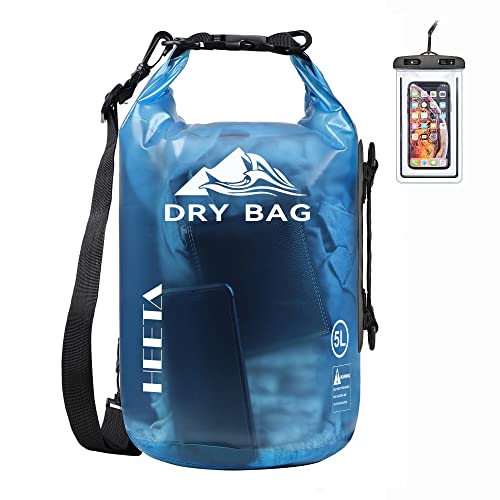
HEETA 20L Waterproof Dry Bag
- Roll-top 20L dry bag keeps everything waterproof for snorkeling, kayaking, and beach excursions
- Shoulder strap for easy carrying
Essential for water excursions, protects electronics and dry clothes on the boat
View on Amazon9. Dubrovnik, Croatia
Best for: Coral jewelry, lavender products, local wines, embroidery
Dubrovnik's Old Town is a UNESCO World Heritage Site and a surprisingly good shopping destination. The main street (Stradun) has tourist shops, but the side streets and stairways hide artisan workshops and small boutiques.
What to buy: Red coral jewelry (Dubrovnik has a centuries-old tradition of coral work), lavender sachets and essential oils (from the island of Hvar), Croatian wines (Plavac Mali reds and Posip whites are excellent and hard to find outside Croatia), handmade lace, and Dalmatian fig spreads.
10. Santorini, Greece
Best for: Gold jewelry, ceramics, wine, artisan goods
Santorini's shopping is concentrated in Fira and Oia, both accessible from the cruise tender landing. Greek gold jewelry, particularly pieces inspired by ancient Minoan and Cycladic designs, is the standout purchase.
What to buy: 18k and 22k gold jewelry (Greek goldsmiths work in higher karats than American jewelry, meaning more gold content per piece), handmade ceramics in the distinctive Santorini blue-and-white palette, Santorini wines from Assyrtiko grapes (volcanic soil produces uniquely mineral wines), and olive oil soaps.
11. Progreso, Mexico
Best for: Hammocks, henequen products, handcrafted textiles, silver
Progreso is the port for Merida, the cultural capital of the Yucatan. Shopping here is about handcrafted goods at genuinely low prices. This is not a duty-free luxury port.
What to buy: Yucatecan hammocks (some of the best in the world. A quality cotton or silk hammock runs $30-80), guayabera shirts, hand-embroidered huipil textiles, and Yucatecan hot sauces and spice blends. Silver is also available at good prices.
12. Kusadasi, Turkey
Best for: Leather goods, carpets, ceramics, spices, Turkish delight
Kusadasi is the port for Ephesus and a major shopping destination in its own right. The leather factories and carpet shops are famous, and famously aggressive.
What to buy: Turkish leather jackets and bags (factory shops offer custom fitting and shipping), hand-knotted carpets and kilims (if you know what you're looking for), Iznik-style ceramics (the blue-and-white patterned tiles and plates), Turkish spices, and authentic Turkish delight.
Negotiation is expected. Prices start at 2-3x the expected final price. Offer 40-50% of the asking price and work from there. Walking away is the most powerful negotiation tool, if the shopkeeper follows you to the door with a lower price, you're in the right range.
Scam Avoidance Tips
Shopping in cruise ports is generally safe, but a few common scams persist:
"My cousin's shop" guides: Port taxi drivers and unofficial guides steer you to specific shops where they receive commissions. The prices at these shops reflect the commission. Shop independently or use cruise-line-recommended stores for high-value purchases.
Fake gemstone certificates: A "certificate of authenticity" from the shop that sold you the stone is worth nothing. Get an independent appraisal from a GIA-certified gemologist when you return home for any purchase over $200.
Bait-and-switch packaging: Particularly common with liquor and vanilla. You're shown a premium product, but the packaged version you carry out is a cheaper substitute. Open and inspect before leaving the store.
Credit card skimming: Use a credit card (not debit) for all purchases. Credit cards offer fraud protection and chargeback rights. Notify your card company of your travel dates before the cruise to avoid fraud blocks.
Getting Purchases Back on the Ship
For most purchases, you simply carry them back to the gangway. For larger items or significant quantities:
Shop delivery to ship: Many established port shops offer free delivery to your ship. They package the item, label it with your name and cabin number, and deliver it to the gangway. Confirm the delivery deadline (typically 1-2 hours before sailing).
Shipping home: For fragile, oversized, or high-value items (Turkish carpets, large ceramics, cases of wine), shipping directly to your home address is often the best option. Established shops have shipping accounts with international carriers. Get tracking numbers and insurance.
Customs declaration: Everything you bring aboard goes through the ship's security scanner. Liquor purchased in port is typically held by the ship and returned to you on the final night to prevent bringing outside alcohol to the bars. Declare everything at customs on your return, the penalties for undeclared goods far exceed any duty you'd owe.
Pair your shopping plans with our port guides to see what's near each terminal, and use our cruise budget calculator to set a realistic spending limit before you reach the gangway.