

Founder & Cruise Expert
Avid cruise enthusiast who cruised so many times he decided to make it a career. Ian has sailed on over 30 cruise lines across 6 continents, from budget-friendly Carnival sailings to luxury Regent Seven Seas voyages. He built CruiseShipTracking to help fellow cruisers track ships, plan voyages, and find the best deals.
Last updated
First-timers should prioritize a passport holder, a cruise-approved non-surge power strip, a lanyard for the cabin key, and motion sickness bands even if you don't expect to need them. Skip a full formal wardrobe; most cruises have only one or two formal nights.
In This Article
We earn a commission when you book through our links at no extra cost to you. This does not affect prices. Learn more
First-time cruisers overpack clothes and underpack the small things that solve real cabin and port-day problems, a power strip, a document holder, a way to keep your cabin key from getting lost. This list covers the no-regrets version: what every first cruise actually needs, without the padding.
Documents first
A passport book (even for closed-loop US sailings where it isn't strictly required) is the single most important document to have, since it's the only ID that gets you home quickly if a medical or family emergency requires flying instead of sailing back. A Family Passport Holder Waterproof or an RFID Passport Holder Zippered Wallet keeps passports, boarding documents, and vaccination records together instead of spread across bags, which matters most at check-in when a first-timer doesn't yet know the embarkation flow.
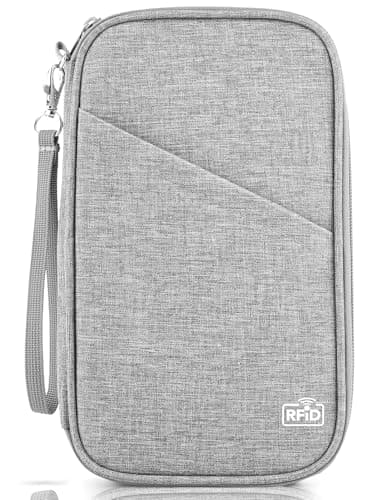
Family Passport Holder Waterproof
- Holds multiple passports and travel documents in one waterproof case
- RFID blocking for all slots
Embarkation day with 4 passports, cruise docs, and boarding passes, one case keeps it sane
View on AmazonThe cabin key problem nobody warns you about
Your cabin key card doubles as your onboard payment method and your ID for reboarding at every port. Losing it means a trip to guest services and a delay getting back onboard. A Retractable Waterproof Lanyard with ID Pouch keeps the card on you and reachable without digging through a bag every time a door scanner beeps.
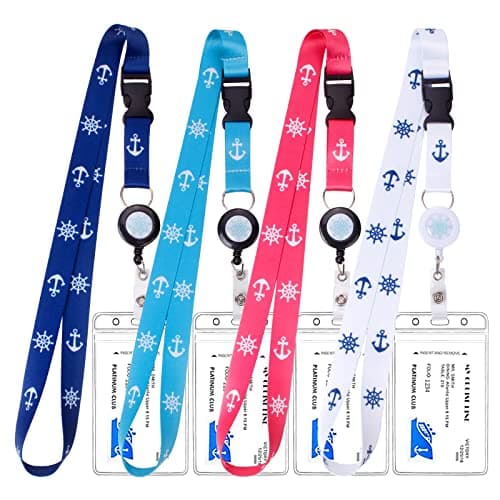
Retractable Waterproof Lanyard with ID Pouch
- Clear waterproof pouch fits all major cruise line cards
- Retractable reel lets you tap your card at bars and restaurants without removing it
Day-by-day: what a first cruise actually feels like
Embarkation day runs longer than first-timers expect, a terminal line, security, a muster drill, and a cabin that isn't ready until mid-afternoon. Wear something comfortable you don't mind standing in for a few hours, and pack a swimsuit in your carry-on since the pool deck often opens before the cabins do.
Sea days are the slow, unstructured days a lot of first-time cruisers don't plan for. There's no port to rush toward, so the day runs on the pool, a book, and the daily program slipped under your cabin door, which is worth reading each morning since it's the actual schedule of everything happening onboard that day.
Port days need a plan made the night before, not the morning of. First-timers who wait to decide on an excursion often find the popular ones sold out; check the excursion desk or your line's app early in the cruise rather than assuming options stay open until the last minute.
Formal or elegant nights surprise first-timers the most, since the dress code is looser than people expect but still a step up from daytime clothes. One dressier outfit packed and ready avoids the scramble of realizing on day three that the "formal" dining room table you booked has an actual expectation attached to it.
Power: cabins have fewer outlets than you'd guess
Most cabins have just one or two accessible outlets for two or more people, and ships prohibit standard power strips with surge protectors as a fire-safety rule most first-timers don't know until security confiscates one at the terminal. A Cruise Essentials Non-Surge Power Strip is built to meet cruise line electrical rules and turns one outlet into several, solving the single most common first-cruise cabin complaint.
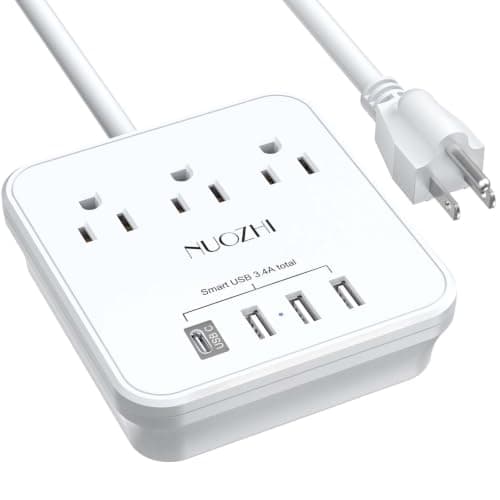
Cruise Essentials Non-Surge Power Strip
- Multiple outlets plus USB-A and USB-C ports
- Flat plug fits behind nightstands
Motion sickness: pack it even if you've never needed it
First-time cruisers are the group most likely to underestimate motion sickness, since a calm departure day doesn't predict a rough sea day later in the itinerary. Sea-Band Acupressure Wristbands are a drug-free option worth packing regardless of whether you expect to need them; they cost little and take up no space, and buying them at the ship's gift shop after symptoms start costs several times more.
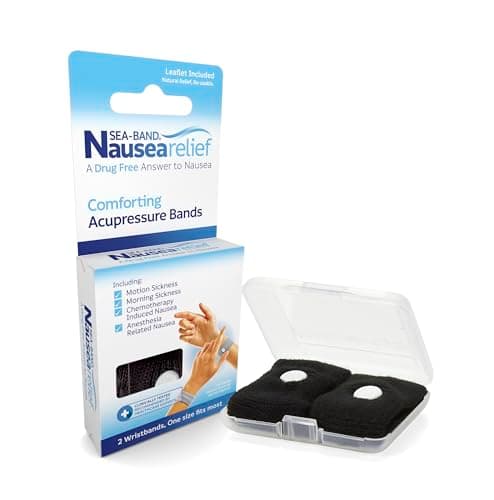
Sea-Band Acupressure Wristbands
- Clinically tested acupressure wristbands work without medication
- No drowsiness side effects
The go-to drug-free seasickness solution recommended by cruisers worldwide
View on AmazonLuggage that survives the process
Cruise luggage handling involves more transfers than a flight alone, porter to ship, ship storage to your cabin door, cabin door to your room. Personalized Luggage Tags Embroidered survive this process better than a printed paper tag, which tears off more often than first-timers expect, and make your bag easy to spot among hundreds of similar suitcases outside your cabin door on embarkation day.
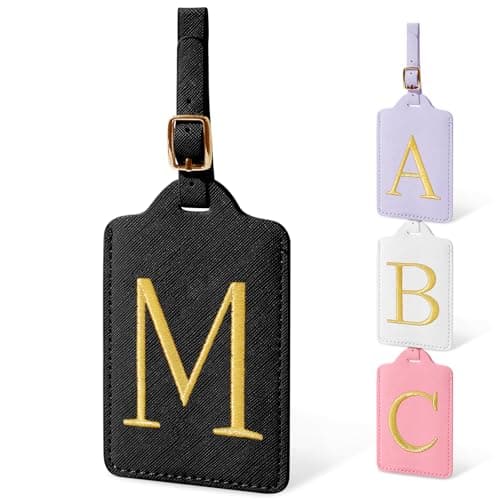
Personalized Luggage Tags Embroidered
- Personalized embroidered tags make your bags instantly identifiable
- Durable material survives rough baggage handling
Thousands of black suitcases on embarkation day, personalized tags make yours stand out
View on AmazonSecurity for your locked bag
A Puroma TSA Luggage Locks 2-Pack is a small addition that matters more on a first cruise than an experienced cruiser might tell you, since first-timers often don't yet know which items to keep in a carry-on versus checked luggage, and a locked bag reduces the stakes of that learning curve.
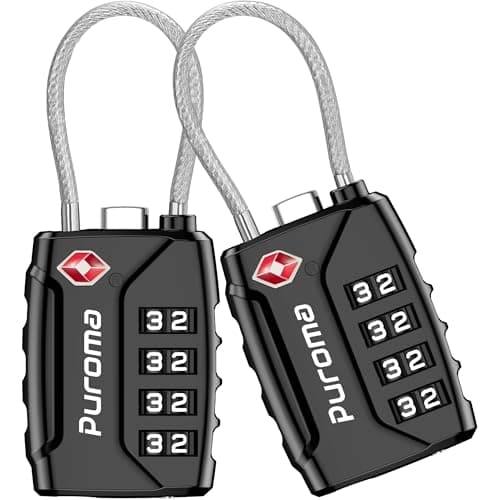
Puroma TSA Luggage Locks 2-Pack
- TSA-accepted locks let security open your bag without cutting the lock
- Set your own 3-digit combination
Required for checked bags on fly-and-cruise trips, TSA can open without destroying them
View on AmazonWhat first-timers overpack (and why to skip it)
A full formal wardrobe is the single most overpacked category on a first cruise. Most 7-night itineraries schedule one or two formal nights, not a nightly black-tie event, and one or two dressier outfits cover it with room to spare in the suitcase.
Every electronic device owned tends to come along on a first cruise "just in case." One phone, one charger, and the power strip above cover nearly everyone's actual needs; a first-timer who packs a tablet, a laptop, a separate camera, and a spare phone rarely uses more than one of them during the week.
Travel insurance bought reflexively at checkout, without comparing it to a standalone policy, is a common first-cruise overspend rather than an overpack, but it belongs on the same list of things worth reconsidering before you finalize a first-cruise budget and packing plan together.
Bringing enough outfits for a daily change ignores how much of a cruise day is spent in a swimsuit or activewear rather than in a fresh outfit. Five to six casual pieces cover a 7-night trip better than packing one unique look for every single day.
Skip these
Skip a full formal wardrobe; most 7-night cruises schedule one or two formal nights, not a formal night daily. Skip bringing every electronic device you own; one phone, one charger, and the power strip above cover almost everyone's actual needs. Skip buying travel insurance add-ons blindly at checkout without comparing to a standalone policy, first-timers often overpay for coverage bundled at booking that a dedicated travel insurance policy beats on price and coverage.
For the full embarkation day walkthrough, see cruise embarkation checklist and first cruise tips. If you want to avoid the most common rookie errors beyond packing, first-time cruise mistakes covers the rest.
Common questions
Can I bring a power strip on a cruise ship?
Only non-surge-protected power strips are allowed on most major lines; standard surge-protected strips are confiscated at security. Buy one labeled specifically as cruise-approved to avoid having it taken at the terminal.
Do I need a passport for my first cruise?
For closed-loop cruises departing and returning to the same US port, a passport isn't always required, a government ID and birth certificate can suffice. A passport is still recommended since it's the only document that allows flying home quickly in an emergency.
What do most first-time cruisers overpack?
Formal wear and electronics are the two most common overpacked categories. Most 7-night cruises have one or two formal nights, and most cruisers use just a phone and one charger for the entire week.
What surprises first-time cruisers most about a typical sea day?
How unstructured it is compared to a port day. There's no excursion to rush toward, and the day's actual schedule lives in a daily program left in the cabin each morning, which many first-timers don't realize is worth reading in full.
Should I book shore excursions before the cruise or once onboard?
Popular excursions sell out during the cruise, sometimes within the first day or two, so booking through your line's app or website before sailing is safer than waiting to decide at the excursion desk once onboard.
Pack for the small problems, an outlet, a lost key card, an unexpected rough sea day, more than for a wardrobe you won't fully wear. First cruises go smoother when the gear solves problems instead of just filling suitcase space.