Cabin type is the one booking decision that actually changes how your cruise feels. Get it right and you'll spend evenings watching a glacier calve from your private balcony. Get it wrong and you'll pay a $400 premium for a balcony you used twice on a port-heavy Caribbean itinerary. Here's how to choose.
Know which cabin you want? Browse current sailings and filter by cabin type on Cruisebound: compare interior, ocean view, balcony, and suite pricing across every major line.
Inside Cabins (Interior Staterooms)
Inside cabins, also called interior staterooms, are the most budget-friendly option on any cruise ship. These rooms have no window or natural light but provide all the essential amenities you need for a comfortable cruise.
What's Included in Inside Cabins
Standard inside cabins typically include:
Two twin beds (convertible to queen in most cases)
Private bathroom with shower
Closet and drawer storage
TV with satellite programming
Safe for valuables
Hair dryer and basic toiletries
Daily housekeeping service
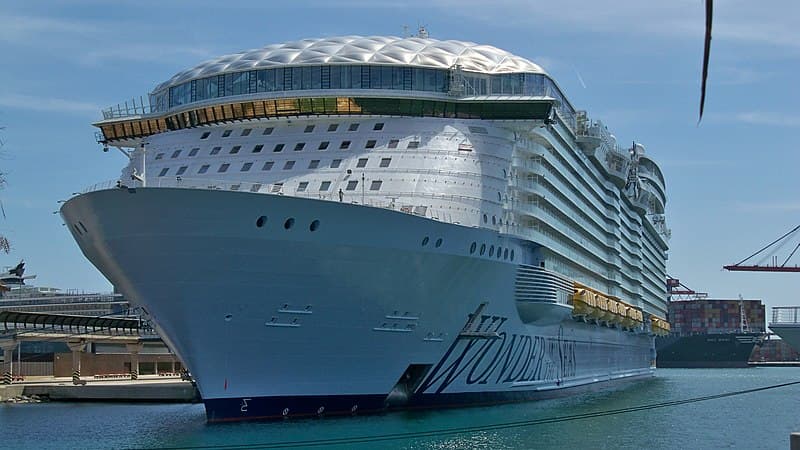
On modern mega ships like Icon of the Seas and Wonder of the Seas, inside cabins range from 150 to 185 square feet. While compact, they're efficiently designed with clever storage solutions.
Pros of Inside Cabins
Lowest Price Point: Inside cabins are typically 30-50% cheaper than balcony cabins on the same sailing. This allows you to cruise more frequently or allocate more budget to shore excursions and specialty dining.
Darker for Better Sleep: Without natural light streaming in at sunrise, inside cabins provide a darker sleeping environment. This is particularly valuable for families with young children or travelers who struggle with early morning light.
Same Ship Experience: Your cabin type doesn't limit your access to pools, restaurants, entertainment venues, or any other ship amenities. You get the same cruise experience at a fraction of the cost.
Quieter Location: Many inside cabins are located mid-ship on lower decks, away from noisy pool decks, theaters, and high-traffic areas.
Cons of Inside Cabins
No Natural Light: The lack of windows can make the cabin feel cramped and claustrophobic for some travelers. You'll lose track of time and weather conditions without checking your phone or stepping outside.
Limited Space: Inside cabins are usually the smallest category, making them challenging for longer cruises (10+ days) or travelers with lots of luggage.
Less Resale Value: If you need to cancel, inside cabins typically have lower resale value on cruise line resale markets compared to balcony or suite bookings.
Best Inside Cabin Locations
When booking an inside cabin, deck placement matters:
Mid-ship (center): Least motion during rough seas
Decks 5-8: Away from engine noise (low decks) and foot traffic (high decks)
Avoid directly below pools, theaters, or nightclubs: Noise can be an issue until late night
Who Should Book Inside Cabins
Inside cabins are works well for:
Budget-conscious travelers who spend minimal time in the cabin
Short cruises (3-5 days) where you're mostly exploring ports
Families who want to cruise more often by saving on cabin costs
Solo travelers who don't need extra space
Anyone cruising to Caribbean or Bahamas where ports are the main attraction

Mifaso Cruise-Approved Power Strip
- Cruise-approved (no surge protector) with multiple USB ports
- Compact design fits perfectly on the narrow cabin nightstand
Cruise cabins have limited outlets, this solves the charging problem without tripping ship safety rules
View on AmazonOcean View Cabins
Ocean view cabins (also called outside cabins) provide natural light through a porthole or picture window. This mid-tier category bridges the gap between inside cabins and balcony staterooms.

DIYMAG Magnetic Hooks 6-Pack
- Super-strong neodymium magnets stick to cabin walls and ceilings
- Hang hats, bags, towels, and lanyards anywhere
Cruise cabin walls are steel, magnetic hooks turn every surface into storage
View on Amazon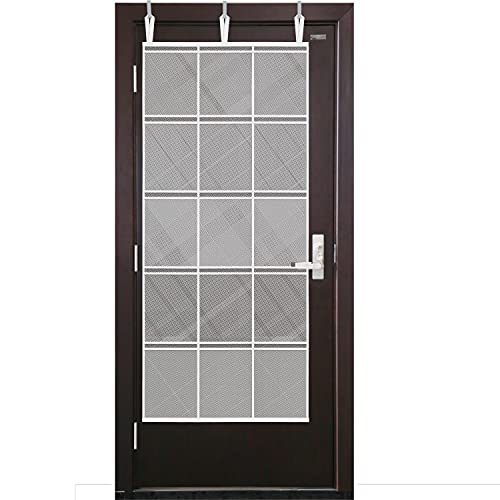
Cruise On 15-Pocket Over-Door Organizer
- 15 pockets hang over the cabin door with hooks
- Clear pockets let you find items at a glance
The OG cruise door organizer, proven design that just works
View on AmazonWhat's Included in Ocean View Cabins
Ocean view cabins include everything an inside cabin offers, plus:
Porthole or picture window (non-opening)
Natural light and views of the ocean
Slightly larger square footage (170-200 sq ft on average)
Same amenities as inside cabins
The window type varies by ship and deck. Lower decks typically have portholes, while mid-to-upper decks feature larger picture windows.
Pros of Ocean View Cabins
Natural Light Without Premium Price: Get the psychological benefits of natural light and ocean views at a moderate price increase (typically 15-25% more than inside cabins).
Stay Connected to Outside Conditions: Easily check weather, sea conditions, and if you're docked at port without leaving your cabin.
Better Sense of Location: Watching the ship leave port or spotting land on sea days enhances the cruising experience.
Larger Than Inside Cabins: Most ocean view staterooms offer 15-30 additional square feet compared to inside cabins.
Cons of Ocean View Cabins
Obstructed Views Common: Many ocean view cabins, especially on lower decks, have obstructed views due to lifeboats, support beams, or other ship structures. Always check deck plans before booking.
Can't Step Outside: Unlike balcony cabins, you can't enjoy fresh air or morning coffee outside. The window doesn't open.
Mid-Range Pricing: You're paying a premium for a view but not getting the private outdoor space that makes balcony cabins so popular.
Light Control Issues: Some travelers find early morning sunlight disruptive, and not all windows have blackout curtains.
Best Ocean View Cabin Locations
Decks 6-9: High enough to avoid lifeboat obstructions, low enough to avoid noise from pool decks
Aft (rear) cabins: Often larger with bigger windows, though they can experience more motion
Mid-ship: Best for stability during rough seas
Always review the deck plan on CruiseDirect or your cruise line's website to confirm your cabin doesn't have an obstructed view.
Who Should Book Ocean View Cabins
Ocean view cabins suit you if you:
Travelers who want natural light but don't need outdoor space
Couples or solo travelers who spend mornings in the cabin
Cruisers on scenic routes (Alaska, Norwegian Fjords) who want views while getting ready
Anyone who feels claustrophobic in windowless spaces but has a limited budget
Balcony Cabins (Verandah Staterooms)
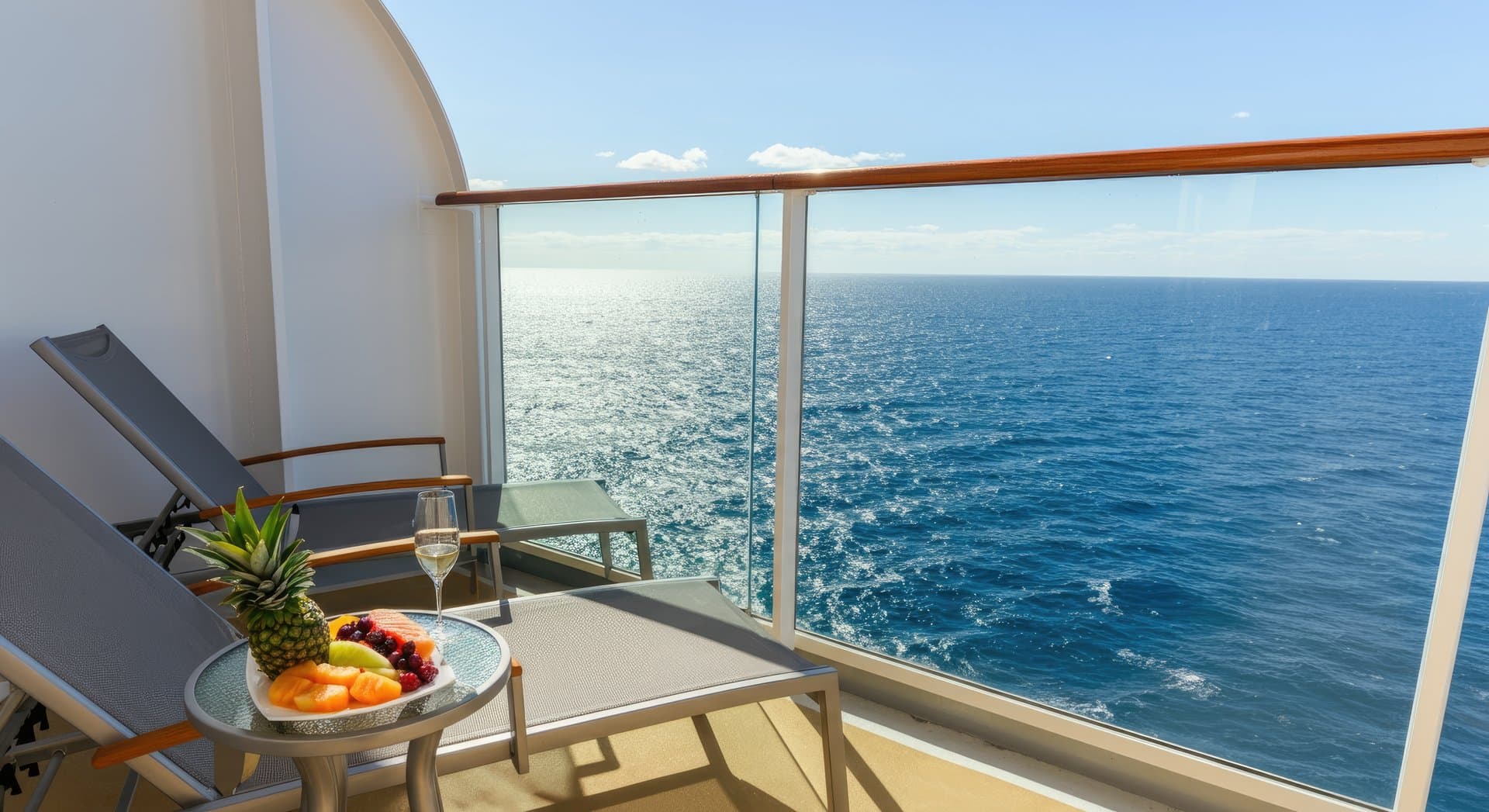
Balcony cabins outsell every other category. The reason: private outdoor space where you can enjoy ocean breezes, sunrises, and port arrivals from your own verandah.
What's Included in Balcony Cabins
Balcony staterooms typically include:
Private balcony (40-65 sq ft on average) with seating for two
Sliding glass door separating cabin from balcony
Interior space of 180-220 sq ft
Same amenities as ocean view cabins
Room service that you can enjoy on your balcony
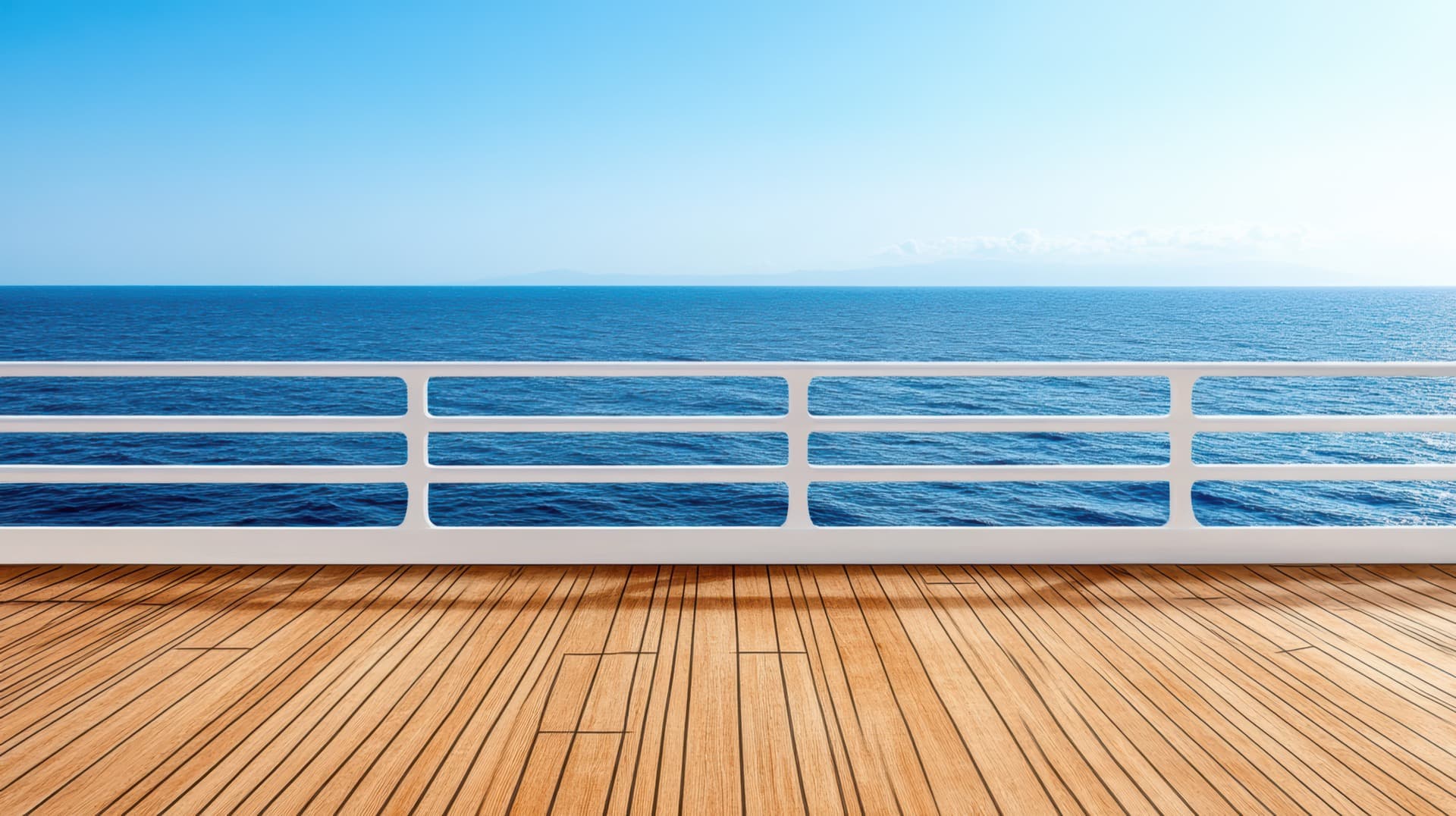
On ships like Harmony of the Seas and Celebrity Edge, balcony design varies from traditional railings to innovative "infinite verandahs" with floor-to-ceiling windows.
Pros of Balcony Cabins
Private Outdoor Space: Enjoy morning coffee, evening cocktails, or lunch on your balcony without competing for deck chairs or dealing with crowds.
Best Views for Scenic Routes: On Alaska, Mediterranean, or Norwegian Fjord cruises, a balcony provides unmatched views of glaciers, coastlines, and ports.
Fresh Air Anytime: Step outside whenever you want without getting dressed or navigating public decks.
More Living Space: The balcony effectively extends your cabin, providing extra room to relax during sea days.
Privacy: good for couples seeking romantic moments or families who want outdoor time without leaving the cabin.
Enhanced Experience on Sea Days: Reading a book, watching the sunset, or stargazing from your balcony transforms sea days from filler time into memorable experiences.
Cons of Balcony Cabins
Significant Price Premium: Balcony cabins cost 40-100% more than inside cabins, depending on cruise line, ship, and itinerary.
Underutilized on Some Routes: On Caribbean cruises with daily port stops, you may rarely use your balcony, making the premium less worthwhile.
Wind and Weather: Balconies can be unusable during windy or rainy weather, particularly in the North Atlantic or Alaska.
Noise from Neighbors: Balcony dividers don't provide complete sound insulation. You may hear conversations from adjacent balconies.
Safety Concerns with Children: Families with young children need to supervise carefully, as balcony railings have gaps.
Types of Balcony Cabins
Standard Balcony: Traditional design with small table and two chairs, found on most cruise ships.
Aft (Rear) Balcony: Larger balconies at the back of the ship, often 50-100% bigger than standard balconies with wrap-around space.
Cove Balcony: Found on lower decks with overhang from deck above, providing shade but limiting sunlight.
Infinite Verandah: Celebrity Cruises innovation where the balcony railing transforms into floor-to-ceiling glass at the push of a button.
Forward Balcony: Offers views ahead of the ship, popular on ships with stadium-style forward balconies.
Best Balcony Cabin Locations
Mid-ship, Decks 7-10: Best balance of stability, convenience, and views
Aft balconies: Largest balconies, great views of the wake, but more motion
Higher decks: Better views but more expensive and potentially more motion
Avoid directly under pool decks: Water runoff and noise from deck chairs being moved
Who Should Book Balcony Cabins
Balcony cabins are good for:
Travelers on scenic itineraries (Alaska, Mediterranean, Norwegian Fjords, Panama Canal)
Couples celebrating anniversaries, honeymoons, or special occasions
Anyone who values private outdoor space and fresh air
Cruisers on longer voyages (7+ days) where the balcony provides extra living space
Travelers who want to avoid crowds on public decks
For a comparison of ships with the best balcony cabins, check our interactive ship comparison tool.
Suites
Suites are a different product, not just more space but a different onboard experience. Priority boarding alone saves you 90 minutes on embarkation day.
What's Included in Suites
Suite inclusions vary by cruise line but typically include:
Spacious Living Area: Separate living room with sofa, chairs, and entertainment center
Larger Balcony: 150-500+ sq ft outdoor space with premium furniture
Upgraded Bathroom: Bathtub (often jetted), dual sinks, premium toiletries
Walk-in Closet: Significantly more storage than standard cabins
Concierge Service: Dedicated concierge to handle reservations, requests, and planning
Priority Services: Priority boarding, disembarkation, tendering, and specialty dining reservations
Complimentary Perks: Often includes specialty dining credits, premium drink packages, gratuities, WiFi, or shore excursion credits
Suite sizes range from 300 sq ft junior suites to 2,000+ sq ft owner's suites with multiple bedrooms, dining rooms, and wraparound balconies.
Types of Suites
Junior Suite: Entry-level suite category (300-400 sq ft) with sitting area and larger balcony, but not a fully separate living room.
Family Suite: Designed for families with multiple bedrooms or separate sleeping areas, accommodating 4-8 guests depending on ship.
Spa Suite: Includes unlimited spa access, priority spa reservations, and spa-themed amenities.
Signature/Royal Suite: Mid-tier luxury suites (500-800 sq ft) with separate living and sleeping areas, often featuring whirlpool tubs and premium locations.
Owner's/Master Suite: The largest accommodations on the ship (1,000-2,000+ sq ft) with multiple rooms, private butler service, and exclusive amenities.
The Haven Suites (Norwegian Cruise Line): Private enclave with exclusive restaurant, lounge, pool, and concierge service.
Regent Suite (Regent Seven Seas): Includes in-suite spa, personal butler, chauffeur service in ports, and unlimited complimentary shore excursions.
Pros of Suites
Substantial Space: Live comfortably during long cruises with separate areas for sleeping, dining, and entertaining.
VIP Treatment: Priority boarding, disembarkation, and tendering saves hours during your cruise.
Included Amenities: Premium drink packages, specialty dining, and WiFi often included can offset the higher cabin cost.
Exclusive Access: Some cruise lines offer suite-only restaurants, lounges, sun decks, and concierge services.
good for Special Occasions: Celebrating milestone birthdays, anniversaries, or once-in-a-lifetime trips.
Butler Service: Available in top-tier suites, butlers handle unpacking, reservations, in-suite dining, and special requests.
Cons of Suites
Significant Price Premium: Suites cost 2-10x more than inside cabins, making them prohibitively expensive for many travelers.
Not Always Full Amenities: On older ships or smaller cruise lines, "suites" may just be larger cabins without significant perks.
Overkill for Port-Heavy Itineraries: If you're spending 8+ hours daily at ports, the extra space and amenities see limited use.
Inconsistent Value: Suite benefits vary dramatically by cruise line. Norwegian's Haven offers transformative value, while some cruise lines offer minimal perks beyond extra space.
Best Suite Locations
Forward suites: Largest balconies, often with panoramic windows
Aft suites: Massive wrap-around balconies with wake views
Mid-ship top decks: Best combination of stability, views, and convenience
Who Should Book Suites
Suites are works well for:
Luxury travelers who want premium service and amenities
Families needing extra space or multiple bedrooms
Travelers on extended cruises (14+ days) where space matters
Anyone celebrating major milestones or once-in-a-lifetime trips
Travelers who value exclusive experiences and priority services
Groups who want to gather in a spacious cabin
To explore which cruise lines offer the best suite experiences, compare luxury lines like Regent Seven Seas, Seabourn, and Crystal.
Cabin Type Price Comparison
Understanding relative pricing helps you make informed decisions. Prices vary by cruise line, ship, itinerary, and booking time, but here's typical pricing relative to inside cabins:
Cabin Type | Square Footage | Typical Price vs Inside Cabin | Best Value Routes |
|---|---|---|---|
Inside | 150-185 sq ft | Baseline (100%) | Caribbean, Bahamas, Short cruises |
Ocean View | 170-200 sq ft | +15-25% | Any route where natural light matters |
Balcony | 180-220 sq ft + 40-65 sq ft balcony | +40-100% | Alaska, Mediterranean, Norwegian Fjords, Panama Canal |
Junior Suite | 300-400 sq ft + large balcony | +100-200% | Longer cruises (10+ days), luxury seekers |
Signature Suite | 500-800 sq ft + premium balcony | +200-400% | Special occasions, families needing space |
Owner's Suite | 1,000-2,000+ sq ft | +400-1000% | Once-in-a-lifetime luxury cruises |
Sample Pricing Example
For a 7-night Caribbean cruise on Oasis of the Seas:
Inside cabin: $800 per person
Ocean view: $950 per person (+19%)
Balcony: $1,200 per person (+50%)
Junior suite: $2,000 per person (+150%)
For a 7-night Alaska cruise on Celebrity Solstice:
Inside cabin: $1,200 per person
Ocean view: $1,450 per person (+21%)
Balcony: $1,900 per person (+58%)
Suite: $3,500 per person (+192%)
Notice how balcony premiums are higher on scenic Alaska cruises where balconies add substantial value.
Choosing the Right Cabin Type for Your Cruise
By Destination
Alaska, Norway, Mediterranean, or Other Scenic RoutesRecommended: Balcony or Suite
These itineraries feature spectacular coastal scenery, glaciers, fjords, and charming villages. A balcony allows you to enjoy these views privately throughout the day. Many Alaska cruisers report that balcony cabins made their trip unforgettable as they watched glaciers calve or whales breach from their private space.
Caribbean, Bahamas, MexicoRecommended: Inside or Ocean View
These itineraries typically feature daily port stops where you'll spend 6-10 hours ashore. You'll use your cabin primarily for sleeping and getting ready, making a balcony a luxury rather than necessity. Save the money for shore excursions, specialty dining, or more frequent cruises.
Panama Canal or Transoceanic CrossingsRecommended: Balcony or Suite
These cruises feature multiple sea days and once-in-a-lifetime experiences like transiting the Panama Canal. A balcony provides entertainment and relaxation during long days at sea. The extra space of a suite becomes valuable on longer crossings (10-14+ days).
Short Cruises (3-5 days)Recommended: Inside Cabin
On short getaways, you'll barely spend time in your cabin. Maximize your budget by booking an inside cabin and spending savings on drinks, casino, spa, or specialty dining.
Long Cruises (14+ days)Recommended: Balcony or Suite
Extended cruises make cabin quality more important. The extra space, private outdoor area, and fresh air of a balcony cabin prevent cabin fever during long stretches at sea.
By Travel Style
Budget-Conscious Travelers: Inside cabins allow you to experience the same ship, ports, and activities at the lowest cost. Use savings for excursions or to cruise more frequently.
Couples and Honeymooners: Balcony cabins offer privacy and romance, good for intimate moments watching sunsets or enjoying room service breakfast together.
Families: Consider junior suites or family suites if you have 3+ travelers. The extra space prevents everyone from feeling cramped. Alternatively, book connecting inside or ocean view cabins for budget-friendly space.
Solo Travelers: Inside cabins or solo cabins (where available) provide comfortable private space without paying for unused square footage.
Luxury Seekers: Suites with butler service, priority amenities, and exclusive access transform your cruise into a high-end resort experience.
Light Sleepers: Inside cabins offer the darkest, quietest environment. Choose mid-ship on lower decks away from public areas.
Claustrophobic Travelers: Ocean view or balcony cabins with natural light and outdoor access prevent feelings of confinement.
Cabin Location Tips: Forward vs Aft, High vs Low

Cruise Door Organizer 24 Pockets Magnetic
- 24 clear pockets attach magnetically to the metal cabin door
- Holds sunscreen, lanyards, snacks, and small items
The single most recommended cruise hack, turns your cabin door into instant storage
View on AmazonCabin location matters as much as cabin type. Even the same category cabin can offer dramatically different experiences based on deck and position.
Forward vs Mid-ship vs Aft
Forward (Front) Cabins
Pros: Quieter (away from pools/restaurants), often less expensive, forward-facing views on some ships
Cons: More motion during rough seas, longer walk to central amenities
Best for: Budget seekers, light sleepers, anyone prone to seasickness should avoid
Mid-ship (Center) Cabins
Pros: Least motion during sailing, convenient to elevators and amenities, more stable
Cons: Typically more expensive, can be noisier due to foot traffic
Best for: First-time cruisers, anyone concerned about motion sickness, convenient access priority
Aft (Rear) Cabins
Pros: Largest balconies, wake views, often less expensive than mid-ship
Cons: More motion than mid-ship, potential engine noise on lower decks, longer walk to forward amenities
Best for: Balcony enthusiasts wanting extra space, travelers who don't mind walking
High Decks vs Low Decks
Higher Decks (9-15)
Pros: Better views, away from engine noise, feeling of prestige
Cons: More motion during rough seas, longer elevator waits, higher prices
Best for: Calm seas, scenic routes where views matter
Lower Decks (3-8)
Pros: Less expensive, more stable during rough weather, faster to disembark
Cons: Potential engine noise, obstructed views (lifeboats), feeling of being "below"
Best for: Budget travelers, anyone concerned about motion sickness
Specific Locations to Avoid
Directly below pool decks: Water drainage, deck chair noise starting at 6 AM
Directly below nightclubs or theaters: Noise until 1-2 AM nightly
Near elevators: Constant foot traffic and conversation noise
Above or below crew areas: Potential noise at odd hours
Far forward or aft on highest decks: Maximum motion during rough seas
Best Locations by Cabin Type
Inside Cabins: Decks 5-8, mid-ship. Prioritize quiet location over views since you have none anyway.
Ocean View Cabins: Decks 6-10, mid-ship to avoid obstructed views from lifeboats.
Balcony Cabins: Decks 8-11, aft for largest balconies, mid-ship for convenience.
Suites: Top decks, forward or aft for best views and largest balconies.
Special Cabin Considerations
Accessible Cabins
Cruise lines offer ADA-compliant cabins with wider doorways, roll-in showers, grab bars, and lowered fixtures. These cabins often have the same views and balcony access as standard cabins. Book early as accessible cabins are limited.
Connecting Cabins
Families or groups can book connecting cabins with an interior door between staterooms. This provides extra space and privacy while keeping everyone close. Connecting cabins are available in inside, ocean view, and balcony categories.
Solo Cabins
Norwegian Cruise Line, Royal Caribbean, and other lines now offer dedicated solo cabins priced for one person without single supplements. These smaller cabins (80-100 sq ft) provide solo travelers with affordable private accommodations.
Guarantee Cabins
Booking a "guarantee" means you select the cabin category but not the specific location. The cruise line assigns your cabin closer to sailing, potentially offering free upgrades. This works well for flexible travelers prioritizing price over location.
Final Thoughts: Which Cabin Type Is Right for You?
The right cabin depends entirely on your budget, itinerary, travel style, and priorities.
Book an Inside Cabin if: You're budget-conscious, taking a short cruise, visiting port-heavy itineraries, or spending minimal time in your cabin.
Book an Ocean View Cabin if: You want natural light without the balcony premium, feel claustrophobic without windows, or want the psychological benefit of seeing outside.
Book a Balcony Cabin if: You're cruising scenic routes (Alaska, Mediterranean, Norway), taking a longer cruise (7+ days), value private outdoor space, or celebrating a special occasion.
Book a Suite if: You want VIP treatment, need significant extra space, are taking an extended cruise (14+ days), traveling with family, or making this a once-in-a-lifetime luxury experience.
Remember, your cabin is just one part of the cruise experience. Modern mega ships like Symphony of the Seas and MSC World Europa offer incredible public spaces, restaurants, and entertainment that you'll enjoy regardless of cabin type.
Use our ship comparison tool to evaluate cabin options across different vessels, and explore cruise lines to see which offers the best value for your preferred cabin category.
Look at the deck plan before you finalize. A mid-ship balcony on deck 9 is a different experience than the same cabin category below the pool deck or near a nightclub. The numbers above matter, the specific location matters more.