You have been looking forward to your cruise for months. You board the ship, find your cabin, unpack, and settle in for a relaxing evening. Then the thumping starts. A bass-heavy beat from the nightclub two decks above. The mechanical hum of an elevator shaft on the other side of your wall. The scraping of chairs from the restaurant directly overhead. Suddenly, your floating vacation has a soundtrack you did not choose.
Cabin noise is the single most common complaint among cruise passengers, and it is almost entirely preventable. The difference between a restful cabin and a miserable one often comes down to a few meters of location on the deck plan. This guide explains every noise source on a cruise ship, identifies the best and worst cabin positions, and gives you the tools to make a smart selection before you book.
Ready to book a cruise? Browse 12,000+ live cruise deals on Cruisebound — filter by destination, length, cabin type, and departure port to see today's pricing before you keep reading.
Common Noise Sources on Cruise Ships
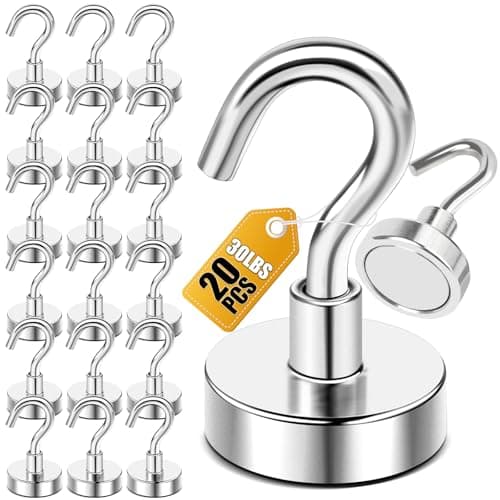
DIYMAG Magnetic Hooks 6-Pack
- Super-strong neodymium magnets stick to cabin walls and ceilings
- Hang hats, bags, towels, and lanyards anywhere
Cruise cabin walls are steel — magnetic hooks turn every surface into storage
View on AmazonUnderstanding where noise originates is the first step in avoiding it. Cruise ships are floating cities, and noise comes from both mechanical systems and human activity.
Engine and Mechanical Noise
Where it comes from: The engine room is located in the lowest decks of the ship, typically decks 1-3. The propulsion system, generators, water treatment plant, and HVAC machinery all produce continuous low-frequency vibration.
What it sounds like: A deep, constant hum or vibration. It is not loud in the traditional sense, but it penetrates through the floor and walls. Light sleepers often describe it as a buzzing or rumbling sensation that they feel as much as hear.
Most affected cabins:
Lowest passenger decks (typically decks 2-4), especially toward the stern (back) of the ship where the propulsion machinery is concentrated
Cabins directly above the engine room
Aft cabins on any deck below deck 8, where propeller vibration transmits through the hull
Pool Deck and Lido Area Noise
Where it comes from: The pool deck is usually on decks 14-17, depending on the ship. Activities include the main pool, hot tubs, the pool bar with music, outdoor movie screens, deck parties, and the buffet restaurant.
What it sounds like: A combination of splashing, music (often amplified through speakers that face both up and down), announcements, and hundreds of people talking and laughing. On sea days, this runs from roughly 8:00 AM to 11:00 PM.
Most affected cabins:
Cabins directly below the pool deck on the deck immediately underneath
Cabins with balconies facing the pool deck atrium (on ships with interior-facing balcony cabins)
Any cabin within two decks below an outdoor activity area
Nightclub, Bar, and Entertainment Venue Noise
Where it comes from: Nightclubs, piano bars, comedy clubs, and dance lounges are typically located on decks 4-7 or on the top entertainment decks. Many ships concentrate nightlife venues in one area, but some spread them throughout the ship.
What it sounds like: Bass from music systems. This is the most intrusive noise on a cruise ship because bass frequencies travel through steel and concrete far more effectively than higher-pitched sounds. You will feel the beat in your chest and pillow before you consciously hear it.
Most affected cabins:
Cabins directly below, above, or adjacent to nightclubs, bars, and performance venues
Cabins sharing a wall or floor/ceiling with any venue that has amplified music
Even cabins two decks away from a nightclub can experience bass transmission through the ship's structure
Elevator and Stairwell Noise
Where it comes from: Elevator shafts run vertically through the ship, and the mechanical systems (motors, pulleys, brakes, door mechanisms) produce noise at every floor. Stairwells carry sound from doors opening and closing, foot traffic, and conversation echoes.
What it sounds like: A rhythmic mechanical clunk every time the elevator stops, doors opening and closing with a distinctive whoosh and thud, and the hum of the motor. Late at night, when ambient ship noise decreases, elevator noise becomes more noticeable.
Most affected cabins:
Cabins immediately adjacent to elevator banks (these are the most commonly complained-about locations)
Cabins near stairwell doors, especially on popular transit decks
Corner cabins at the intersection of hallways and elevator lobbies
Galley (Kitchen) Noise
Where it comes from: The main galley is typically one deck below the main dining room. It operates from approximately 5:00 AM (breakfast prep) until midnight (late-night cleanup). The galley produces clanging, rolling carts, shouting (commercial kitchens are loud), and ventilation system noise.
What it sounds like: Metallic clanking, the rumble of rolling food carts, muffled voices, and a persistent ventilation hum. The noise is most disruptive in the early morning (5:00-6:30 AM) when the breakfast team starts work.
Most affected cabins:
Cabins directly below or adjacent to the main dining room (the galley is usually directly below)
Cabins on the same deck as service corridors where food carts travel between kitchens and restaurants
Cabins near crew access doors that lead to the galley
Anchor and Mooring Operations
Where it comes from: The anchor chain locker is in the very front (forward) of the ship, typically decks 2-4. When the ship drops or raises anchor, the chain runs through the hawsepipe directly through the forward hull.
What it sounds like: An extremely loud metallic crashing and grinding that sounds like a construction site. Anchor operations typically happen at 6:00-7:00 AM when the ship arrives at tender ports. It can last 5-30 minutes.
Most affected cabins:
Forward cabins on the lowest passenger decks (decks 2-5). These cabins sit directly adjacent to or above the chain locker.
This is one of the most intense noise events on a cruise ship and catches forward-cabin passengers completely off guard.
Crew Noise
Where it comes from: Crew cabins are located on the lowest decks, and crew members work shift schedules that mean foot traffic at all hours. Crew access doors, service elevators, and behind-the-scenes corridors create noise that adjacent passenger cabins may experience.
What it sounds like: Doors opening and closing, muffled conversation, foot traffic in corridors, and the occasional dropped item or rolling cart.
Most affected cabins:
Cabins on the lowest passenger decks near crew areas
Cabins adjacent to "Crew Only" doors
Cabins near laundry facilities, provisioning areas, or the medical center
Deck-by-Deck Noise Analysis
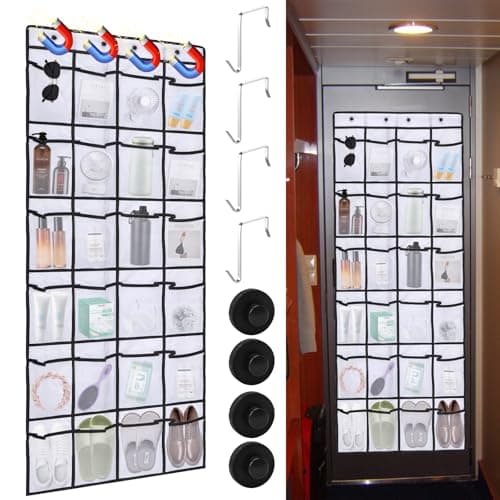
Cruise Door Organizer 24 Pockets Magnetic
- 24 clear pockets attach magnetically to the metal cabin door
- Holds sunscreen, lanyards, snacks, and small items
The single most recommended cruise hack — turns your cabin door into instant storage
View on AmazonHere is a general noise profile for each deck zone, applicable to most modern cruise ships (3,000+ passengers).
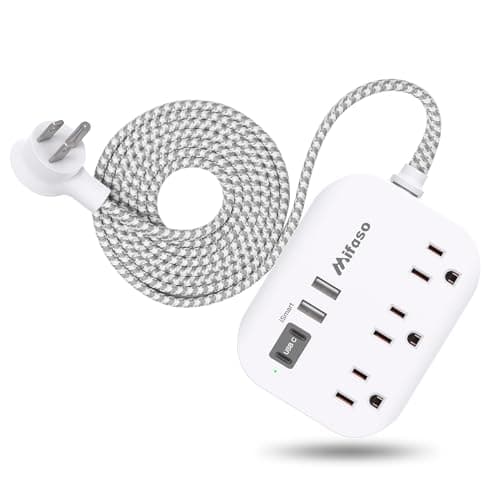
Mifaso Cruise-Approved Power Strip
- Cruise-approved (no surge protector) with multiple USB ports
- Compact design fits perfectly on the narrow cabin nightstand
Cruise cabins have limited outlets — this solves the charging problem without tripping ship safety rules
View on AmazonLowest Passenger Decks (Decks 2-5)
Pros: Least motion sickness (close to the waterline), often the most affordable cabins, minimal noise from overhead public areas.
Cons: Engine vibration (especially aft), anchor chain noise (forward), proximity to crew areas and service corridors, potential galley noise if dining rooms are directly above.
Noise rating: Variable. Midship cabins on these decks can be surprisingly quiet if they are not near mechanical systems. Forward and aft cabins carry specific risks.
Mid-Level Decks (Decks 6-10)
Pros: Generally the quietest zone on the ship. Far enough from the engine room to avoid vibration, far enough from the pool deck to avoid overhead activity noise, and typically surrounded by other passenger cabins (which provide sound insulation through sheer mass).
Cons: Proximity to entertainment venues (many ships locate theaters, lounges, and nightclubs on decks 4-7), elevator and stairwell noise if positioned near those structures.
Noise rating: The best overall choice for quiet. Target midship cabins on decks 7-9 for the sweet spot of minimal motion and minimal noise.
Upper Decks (Decks 11-14)
Pros: Higher up means better views, often balcony-category cabins, and proximity to pool and lido areas for convenience.
Cons: One or two decks below the pool deck can mean hearing music, scraping furniture, and foot traffic from directly overhead. Cabins on the deck immediately below the pool area are among the noisiest on the ship.
Noise rating: Decent if you are three or more decks below the pool area. Risky if you are on the deck directly beneath outdoor activity spaces.
Highest Passenger Decks (Decks 15+)
Pros: Best views, often suite-level accommodations with superior sound insulation, proximity to adults-only areas like the Solarium.
Cons: Maximum ship motion (sway in rough weather), and proximity to sports courts, waterslides, or other top-deck activities. Wind noise on balconies can also be significant on higher decks.
Noise rating: Mixed. Suite-level sound insulation helps, but location relative to overhead activities matters more than deck number.
Best Cabin Locations for Quiet
Based on the analysis above, here are the consistently quietest cabin positions:
The Sweet Spot: Midship, Decks 7-9
The center of the ship on mid-level decks is surrounded by other cabins on all sides (above, below, and adjacent). This creates a natural sound buffer. You are far from the engine room, the pool deck, the anchor chain, and most entertainment venues.
Aft Balcony Cabins (Upper-Mid Decks)
Aft-facing balcony cabins on decks 8-10 are often among the quietest locations because they face the open wake of the ship rather than an interior atrium, and they are typically set apart from the main corridor traffic. The trade-off is slightly more engine vibration than midship, but on modern ships this is minimal.
Cabins Surrounded by Other Cabins
A cabin with passenger cabins on all four sides (above, below, left, and right) benefits from the sound insulation of neighboring occupied spaces. Corner cabins, end-of-hallway cabins, and cabins adjacent to public spaces lack this buffer.
Forward Cabins on Mid-to-Upper Decks
Forward cabins on decks 7-12 are often quiet because they are far from the engine room and the pool deck, and the only noise risk is the anchor chain -- which only affects the lowest forward decks.
Worst Cabin Locations to Avoid
These locations consistently generate noise complaints across all cruise lines and ship classes.
Directly Below the Pool Deck
This is the number one cabin location to avoid. The pool deck has amplified music, scraping lounge chairs on the deck surface (an incredibly persistent sound), splashing, and foot traffic from morning to night. The deck immediately below absorbs all of it.
Adjacent to Elevator Banks
Elevator noise is constant, 24 hours a day. Every time someone calls the elevator, the motor engages. Every time the doors open and close, the mechanism makes noise. Passengers congregate near elevators, creating conversation noise. Late-night elevator usage by returning bar patrons adds an unpredictable element.
Below or Adjacent to Nightclubs
Bass frequencies from amplified music systems travel through ship structures with remarkable efficiency. A nightclub operating until 2:00 AM will produce bass you can feel in your cabin, even with the door closed and the TV on.
Forward on Decks 2-4
The anchor chain locker is here. When the ship anchors at a tender port, the chain drops at 6:00 AM and sounds like a freight train running through your wall. This is a brief but intensely loud noise event.
Adjacent to Service Corridors
Cabins near doors marked "Crew Only" or adjacent to service elevators experience rolling cart noise, door slamming, and foot traffic at all hours as crew members move between service areas and passenger spaces.
Under the Sports Court or Jogging Track
Basketball courts, pickleball courts, and jogging tracks on upper decks produce impact noise that transmits directly into cabins below. The rhythmic pounding of running feet or the bouncing of a ball is surprisingly intrusive.
How to Check Deck Plans for Noise
Every cruise line publishes deck plans on their website. Here is what to look for before booking.
Step 1: Find the Entertainment Venues
Identify the locations of the nightclub, piano bar, comedy club, casino, and main theater on the deck plan. Note which decks they occupy and which cabins are directly above, below, or adjacent.
Step 2: Locate the Elevator Banks
Elevator shafts are shown as small squares or circles on deck plans, usually in groups of 2-4. Count the cabins between your prospective cabin and the nearest elevator bank. Aim for at least 3-4 cabins of separation.
Step 3: Find the Pool Deck
Identify the pool deck and waterpark area. Note which deck is directly below. Avoid cabins on that deck, particularly those beneath the main pool area and outdoor bar.
Step 4: Check for Service Areas
Look for areas on the deck plan that are not labeled as cabins or public spaces. These blank or gray areas often indicate crew corridors, mechanical rooms, laundry facilities, or galley spaces. Cabins adjacent to these unmarked areas carry noise risk.
Step 5: Use Cruise Review Websites
Websites like CruiseCritic have cabin-by-cabin reviews where past passengers report noise issues. Search for your specific ship and cabin number before booking. If multiple reviews mention noise in a particular cabin, believe them.
Step 6: Check for Connecting Doors
Cabin diagrams will show connecting doors between adjacent cabins. These doors have significantly less sound insulation than solid cabin walls. If you do not need a connecting cabin, avoid ones with connecting doors -- you will hear your neighbors' alarm clock, conversations, and TV.
What to Do If Your Cabin Is Noisy
Sometimes, despite your best planning, you end up in a noisy cabin. Here is what to do.
Contact Guest Services Immediately
Do not suffer in silence. Visit the Guest Services desk on the first day and explain the noise issue specifically. Be factual: "There is bass vibration from the nightclub below our cabin that prevents us from sleeping after midnight" is more effective than "Our cabin is too noisy."
What they can do:
Move you to a different cabin if one is available (most likely on the first day or two of the cruise, when last-minute cancellations may have freed up space)
Send a technician to inspect for unusual mechanical noise
Contact the entertainment team about volume levels during late-night hours
Provide additional bedding or pillows that help with vibration dampening
Bring Noise-Canceling Solutions
Pack these items regardless of your cabin location:
Earplugs: Foam earplugs (NRR 32-33) block most airborne noise. Bring several pairs. Silicone putty earplugs (like Mack's) provide a custom seal and are more comfortable for side sleepers.
White noise machine or app: A portable white noise machine (Dohm, LectroFan) or a smartphone app (myNoise, White Noise) generates consistent ambient sound that masks intermittent noise like door slams, elevator clunks, and bass beats. Some travelers use a bathroom fan as a natural white noise source.
Noise-canceling headphones: Active noise-canceling headphones (Sony WH-1000XM5, Bose QuietComfort) are effective against engine hum and steady vibration, though less effective against sudden impact noise.
Sleep mask: Not noise-related, but cabin darkness combined with white noise creates the best sleep conditions. Cabin curtains often leak light from the hallway, balcony, or neighboring cabins in port.
Request a Cabin Change
If the noise is severe and guest services cannot resolve it, formally request a cabin change in writing (email or written note to the guest services manager). Document the noise with a video recording on your phone, including a timestamp. Most cruise lines will make a genuine effort to accommodate a move within the first two days of the sailing.
Adjust Your Schedule
If a cabin change is not possible, adapt:
If the noise is overhead pool deck activity, sleep in slightly later (the deck is quiet before 8:00 AM) and stay up later.
If the noise is nightclub bass, use earplugs and white noise from midnight to 2:00 AM when the club is busiest, and enjoy quiet sleep from 2:00 AM onward.
If the noise is early morning anchor operations, accept the 6:00 AM wake-up call on tender days and use the time for an early breakfast at an uncrowded buffet.
Noise Differences by Cruise Line
Not all ships are built to the same sound insulation standards.
Better Sound Insulation
Celebrity Cruises: Edge-class ships have notably good sound insulation in the Infinite Veranda cabins, with solid-wall construction between cabins.
Viking Ocean: Smaller ships with all-balcony cabins and a quiet, adult-oriented atmosphere. No nightclubs, no casino noise, and minimal pool deck amplification.
Norwegian Prima Class: Newer construction with improved insulation between public spaces and cabins.
Known Noise Issues
Older ships (pre-2010): Older vessels generally have less effective sound insulation than newer builds. Expect more engine vibration, thinner walls, and less dampening between decks.
Converted or stretched ships: Ships that have been lengthened ("stretched") sometimes have noise issues at the joint where the new section meets the old.
Ships with interior-facing balconies: Royal Caribbean's Oasis-class ships have balcony cabins facing the Central Park and Boardwalk neighborhoods. These cabins experience noise from the restaurants, bars, and activities below -- a trade-off for the unique view.
Quick Reference: Cabin Selection Checklist
Before booking any cruise cabin, run through this checklist:
Is the cabin more than 3 decks above the engine room? (Avoids engine vibration)
Is the cabin at least 2 decks below the pool deck? (Avoids pool and lido noise)
Is the cabin at least 3 cabins away from the nearest elevator bank? (Avoids elevator noise)
Is the cabin midship rather than extreme forward or aft? (Avoids anchor and propulsion noise, plus minimizes motion)
Is there a nightclub, bar, or entertainment venue on the deck directly above or below? (Check the deck plan)
Does the cabin have a connecting door? (If you do not need it, avoid it)
Are there "Crew Only" doors or unmarked spaces adjacent to the cabin on the deck plan? (Service corridor risk)
If you answer "yes" to questions 1-4 and "no" to questions 5-7, you have found a quiet cabin.
Final Thoughts
A noisy cabin can turn an otherwise perfect cruise into a frustrating experience, but the good news is that this problem is almost entirely avoidable with advance planning. Spend 15 minutes studying the deck plan before you book, check cabin reviews from past passengers, and target the midship sweet spot on decks 7-9.
Pack earplugs and a white noise solution regardless of where your cabin is located -- even the quietest cabin on the ship will have some ambient noise from the sea, the air conditioning, and the occasional hallway passerby. With the right cabin and the right preparation, you will sleep as well at sea as you do at home.

LYSIAN Foam Earplugs 60 Pairs
- 60 pairs of ultra-soft foam earplugs
- 38dB noise reduction blocks hallway noise, engine vibration, and snoring partners
Cabin hallways get loud at 2am when bars close — earplugs save your sleep
View on AmazonFor more cabin selection advice, see our cabin types guide and balcony vs. interior cabin comparison.