Royal Caribbean has spent the last decade in a relentless arms race with itself. Each new ship somehow bigger, more elaborate, and more packed with features than the last. The result is a fleet that tops out with Icon of the Seas, currently the largest cruise ship ever built, and a brand identity built around the idea that the ship is the destination.
That pitch works. Royal Caribbean is the most popular cruise line on the planet for a reason. But "biggest" and "best" aren't always the same thing, and whether Royal Caribbean is right for you depends heavily on what you actually want from a cruise.
Overview: What Royal Caribbean Does Best
Royal Caribbean International is the world's largest cruise line by passenger capacity. Founded in 1969 and headquartered in Miami, they operate 29 ships across a global network of itineraries. Their brand sits in the premium-mainstream category. Above the cheapest lines like Carnival, below luxury players like Viking.
Their edge is hardware. The Oasis-class and Icon-class ships are engineering marvels: Central Park neighborhoods, FlowRider surf simulators, sky-diving simulators, waterslide parks, Broadway-caliber shows, and neighborhoods within the ship that each have their own atmosphere. If you want maximum onboard stimulation, no line comes close.
The flip side: those mega-ships carry up to 7,600 passengers. On a sea day at the pool, that's a crowd. Elevator waits happen. Popular dining venues fill up. Royal Caribbean is aware of this and has invested heavily in app-based reservations and dining packages to manage it. But it's the single most consistent complaint from passengers.
The Fleet
Royal Caribbean operates 29 ships across several distinct classes. Here's what you're actually choosing between:
Icon Class (the flagships)
Icon of the Seas. 248,663 GT, 7,600 passengers, launched 2024. The largest cruise ship ever built. Six waterslides, 20 neighborhoods, the first-ever Category 6 waterpark at sea.
Star of the Seas. 248,663 GT, 7,600 passengers, launching 2025. Sister ship to Icon with some new features added.
Oasis Class (the crowd pleasers)
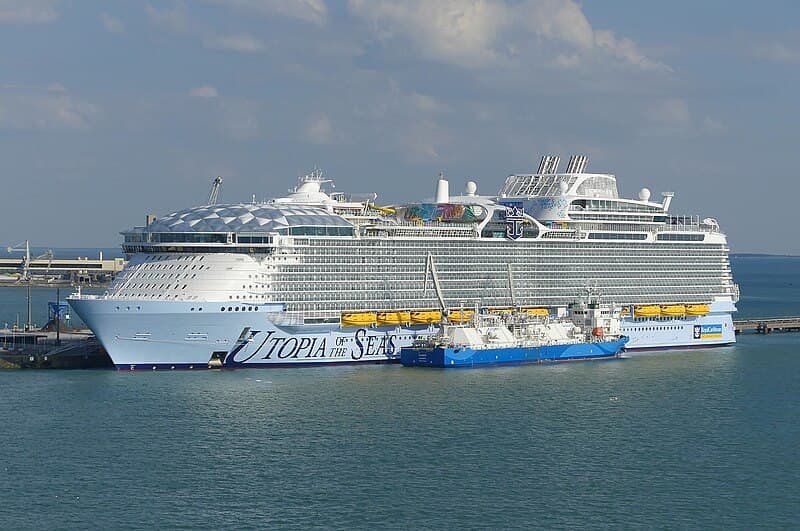
Utopia of the Seas. 236,860 GT, 5,668 passengers, 2024. Features the Royal Boardwalk and a focus on entertainment.
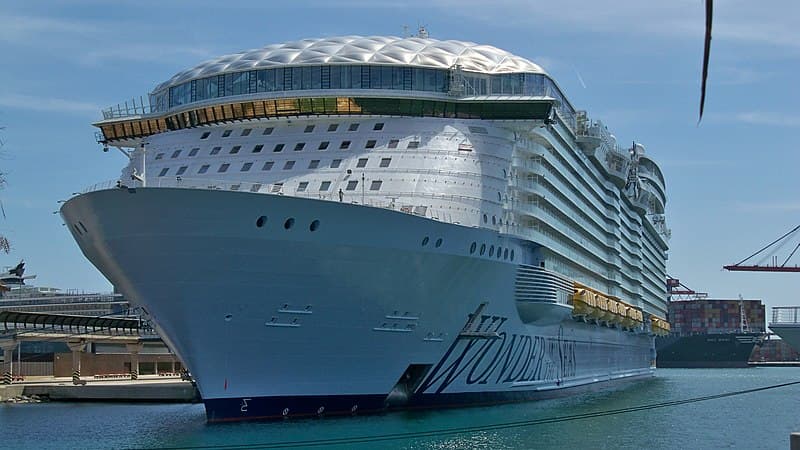
Wonder of the Seas. 236,857 GT, 6,988 passengers, 2022. Currently the third-largest ship ever built.
Symphony of the Seas. 228,081 GT, 6,680 passengers, 2018. The "mature" Oasis ship. Still enormous, slightly less crowded.
Harmony of the Seas. 226,963 GT, 6,687 passengers, 2016. Strong value on back-to-back sale pricing.
Oasis of the Seas. 225,282 GT, 6,780 passengers, 2009. The original mega-ship. Recently amplified.
Quantum Class (the mid-size option)
Odyssey of the Seas. 169,379 GT, 4,198 passengers, 2021. North Star observation pod, sky pad.
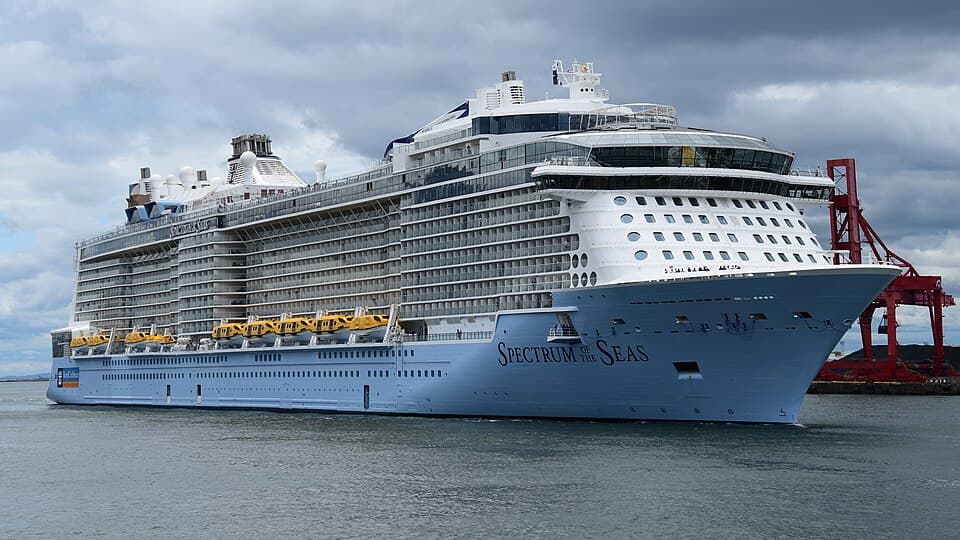
Spectrum of the Seas. 169,379 GT, 4,246 passengers, 2019. Asia-focused itineraries.
The right ship matters more than the right line. An Oasis-class cruise is a fundamentally different experience from a smaller Radiance-class ship in Alaska. Same brand, completely different vacation.
Destinations & Itineraries
Royal Caribbean sails everywhere: Caribbean, Bahamas, Bermuda, Mexico, Mediterranean, Northern Europe, Alaska, Australia, and Asia. Their Caribbean homeports include Miami, Port Canaveral, Fort Lauderdale, Galveston, Baltimore, and Bayonne. Making them accessible from most of the US without a flight.
Coco Cay, their private island in the Bahamas, is a genuine standout. The $250M development transformed it into a legitimate destination with waterslides, a wave pool, overwater cabanas, and swim-up bars. It shows up on a majority of Eastern Caribbean itineraries and is consistently rated the best private island stop in the cruise industry.
Alaska sailings on the smaller ships are excellent. The contrast between these itineraries and the Oasis-class Caribbean experience is stark. If you're choosing Alaska with Royal Caribbean, the smaller ships are the better choice for scenery immersion.
Mediterranean itineraries typically run 7-12 nights with calls at Barcelona, Rome (Civitavecchia), Santorini, Mykonos, and Dubrovnik. Worth noting: the largest ships don't sail the Med. You're typically on mid-size ships there, which many travelers prefer.
Dining
Royal Caribbean dining has a two-tier structure that causes some frustration: the main dining room and Windjammer buffet are included, but the specialty restaurants. And there are many. Cost extra.
The main dining room is solid for a mass-market line. Portions are generous, the menu rotates nightly, and there's always a handful of options that are genuinely good. The issue is the reservation system: My Time Dining (flexible hours) often means long waits if you don't book in advance via the app.
Specialty dining is where Royal Caribbean earns more favorable reviews. Chops Grille (steakhouse) is consistently excellent. Giovanni's Table (Italian) overdelivers for the price. Izumi (hibachi and sushi) is well-executed. Expect to spend $25-$45 per person per specialty meal, or around $90-$150 for a multi-night dining package.
The Windjammer buffet is enormous and covers every base. The sheer variety is impressive, though the quality is what you'd expect from mass buffet production. It's fine. On the Oasis-class ships, Park Cafe in the Central Park neighborhood is a quieter, better alternative for casual meals.
One legitimate annoyance: beverage packages. Drinks not included by default, and the Royal Caribbean beverage package runs around $80-$110 per person per day. That's on the high end. The Refreshment Package (non-alcoholic) is about $30/day and worth it if you drink premium coffee and specialty sodas.
Entertainment & Activities
This is the category where Royal Caribbean pulls away from every competitor. The onboard entertainment is genuinely impressive.
Broadway-level shows: Cats, Grease, Hairspray, Mamma Mia, and original productions run nightly in purpose-built theaters that seat 1,300+ passengers. The production quality rivals land-based theater. Book these via the app before sailing. They fill up fast.
Physical activities: FlowRider surf simulators, rock climbing walls, ice skating rinks (Oasis-class), sky diving simulators (Quantum-class), waterslide parks, zip lines, mini golf, and full basketball courts. The activity density on an Oasis-class ship is genuinely difficult to process on a first visit.
On Icon and Star of the Seas, the Category 6 waterpark is legitimately world-class. The Pearl waterslide alone would be the headliner at any land-based park. Families with kids rate it as the strongest onboard waterpark in the cruise industry.
Casino: Large, well-operated, open late. Not exceptional but thoroughly functional.
The main pool deck gets overwhelmingly crowded on sea days. This is the most frequent complaint about the mega-ships. If you want a quiet pool experience, you need a Suite or book a cabana at Coco Cay. The Solarium (adults-only) is a better option on sea days.
Cabins & Staterooms
Standard interior cabins run around 150-175 square feet. Small, but well-designed. The virtual balcony cabins on newer ships project a real-time ocean view on a floor-to-ceiling screen, which genuinely helps with the claustrophobia of an interior cabin.
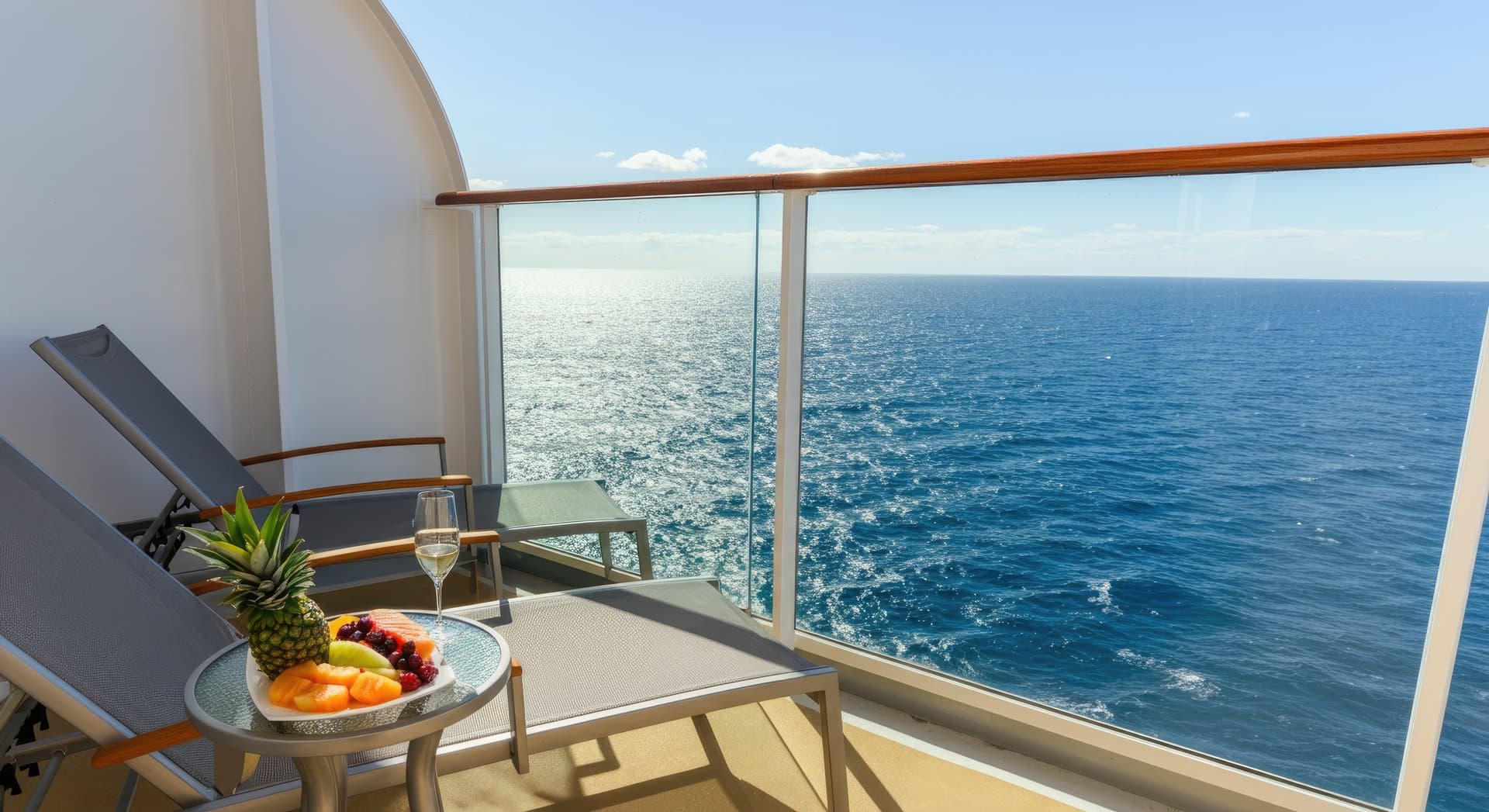
Balcony staterooms are the sweet spot for most cruisers: 180-200 square feet plus a private balcony. The private outdoor space transforms the experience, especially on sea days. Prices vary dramatically by sailing date and booking window.
Suites are where Royal Caribbean has invested heavily in recent years. The Royal Suite Class creates a tiered experience with dedicated restaurants (Coastal Kitchen), private sun deck access, concierge service, and reserved seating at shows. It's essentially a different cruise within the same ship. Quieter, more personalized, and genuinely excellent. The price premium is significant: expect 2-4x the cost of a standard balcony cabin.
The newer ships (Icon, Utopia, Wonder) have better cabin finishes and more thoughtful storage design than the older fleet. If choosing between ships, the newer hardware shows.
Loyalty Program: Crown & Anchor Society
Crown & Anchor Society is Royal Caribbean's loyalty program, and it's one of the stronger programs in mainstream cruising. Tiers: Gold (3+ points), Platinum (55+), Emerald (80+), Diamond (80+), Diamond Plus (175+), Pinnacle Club (700+).
Points accrue based on nights sailed and cabin type. Suite passengers earn more points per night. Diamond members and above get daily drink vouchers (4-5 per day depending on tier), which is genuinely valuable given Royal Caribbean's drink package prices. Diamond Plus and above unlock priority check-in, specialty dining discounts, and reserved show seating.
The Pinnacle Club tier is famously difficult to reach and provides the most elite treatment: complimentary specialty dining on every sailing, priority embarkation, dedicated phone line. For frequent cruisers, Royal Caribbean loyalty rewards stack meaningfully over time.
Pros & Cons
Pros:
Best onboard entertainment and activities in mainstream cruising. Not close
Coco Cay private island is a genuine destination highlight
Fleet variety from mega-ships to mid-size expedition vessels
Crown & Anchor drink vouchers at Diamond level significantly offset beverage costs
Strong technology: app-based reservations, virtual queuing, digital boarding
Excellent youth programs (Adventure Ocean). Top pick for families
Cons:
Mega-ship crowds on sea days are real. Pool deck feels like a theme park in peak season
Beverage packages among the most expensive in mainstream cruising ($80-$110/day)
Specialty dining upsells are aggressive. Base fare doesn't include much beyond the buffet and MDR
Embarkation day chaos on the largest ships takes time to learn to navigate
Wi-Fi is expensive and inconsistent. Expect to pay $20-$30/day for usable speeds
Newer ships built around massive scale. Some passengers find them impersonal
Pricing
Royal Caribbean sits in the mid-range to premium-mainstream pricing tier. Interior cabins on Caribbean sailings frequently go on sale for $100-$150 per person per night, and Royal Caribbean runs aggressive promotions (BOGO fares, kids sail free, onboard credit offers) throughout the year.
The catch: that base fare doesn't include drinks, specialty dining, Wi-Fi, or gratuities. A realistic all-in budget for a couple on a 7-night Caribbean sailing in a balcony cabin runs $3,500-$6,000 depending on how much you spend onboard. The Oasis-class ships tend to be priced higher than the smaller fleet.
Book well in advance for the best rates on the flagship ships. Icon and Star of the Seas sell out months ahead, and last-minute availability is limited. Set price alerts and be ready to move when sales drop.
If you're interested in sailing Royal Caribbean, Cruisebound aggregates sailings across all ships and embarkation ports, it's the fastest way to compare departure dates and cabin types in one place.
Browse Royal Caribbean sailings on Cruisebound
Final Verdict
Royal Caribbean is the best mainstream cruise line for families, activity seekers, and first-time cruisers who want maximum entertainment value. The ships are impressive engineering, the entertainment is genuinely excellent, and Coco Cay is the best private island stop in the industry.
The trade-offs are real: crowds on the big ships, high beverage package costs, and a dining structure that pushes you toward paid upgrades. For experienced cruisers who value quiet, culinary excellence, or small-ship intimacy, there are better options.
But for what Royal Caribbean does (destination-scale ships, world-class shows, the best waterparks at sea, and an activity roster that keeps families busy for seven days without repeating) they execute better than anyone. The ship really is the destination, and they've built that destination well.
Best for: Families, first-timers, activity seekers, and anyone who wants maximum onboard entertainment value.
Disclosure: Some links on this page are affiliate links. When you book through Cruisebound via our links, we may earn a commission at no extra cost to you. This doesn't influence our reviews.
Ready to book? See live Royal Caribbean deals with full itinerary details, current cabin pricing, and onboard credit when available.