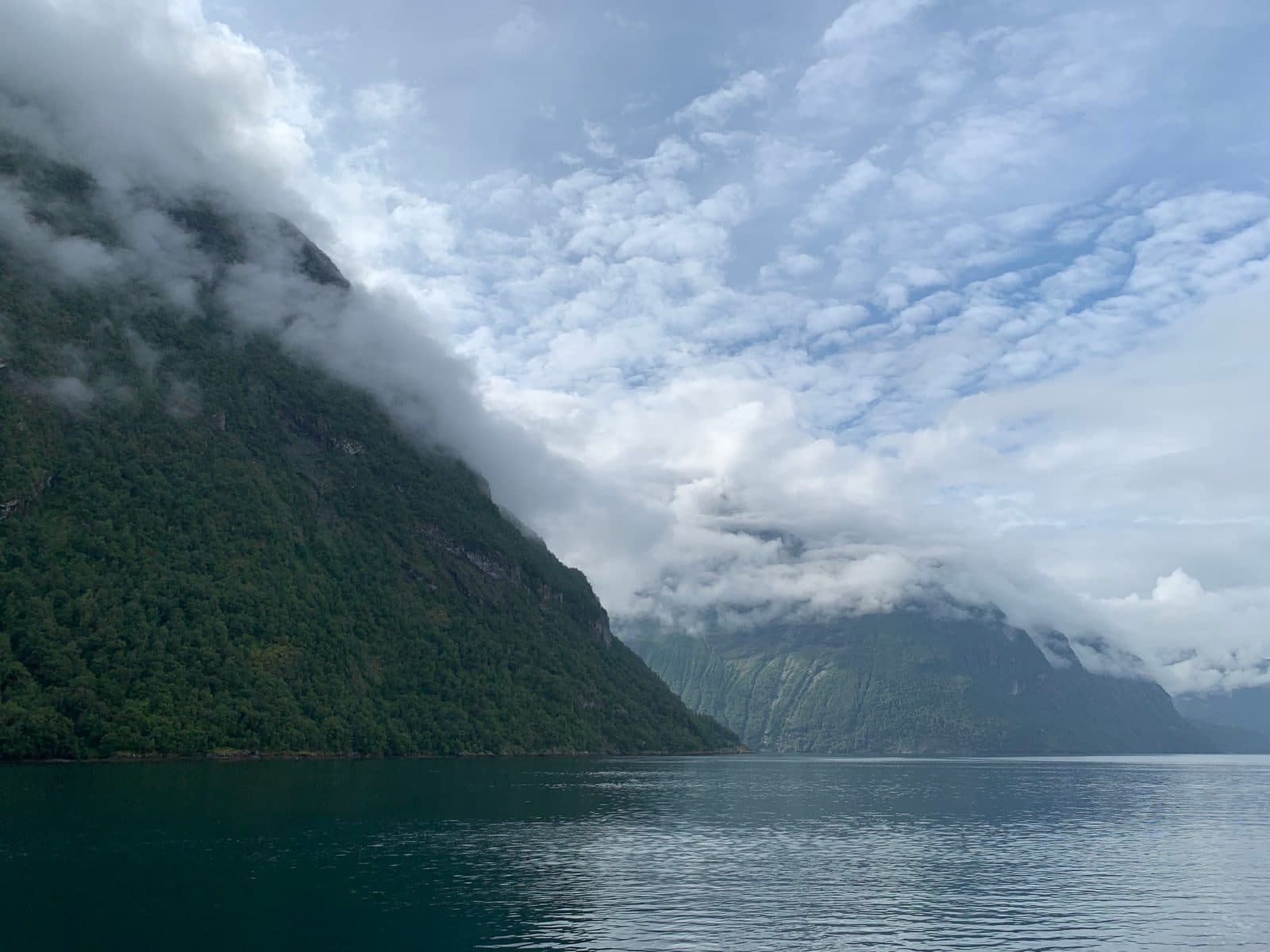
Norwegian fjords weather changes faster than almost any other cruise itinerary, with sun, rain, and wind sometimes cycling through in the same afternoon on the same deck. Layers that actually work here means gear you can add and remove quickly, not a single heavy coat meant for one condition. Here is what handles a fjord itinerary's genuine unpredictability.
Why fjords weather defeats a single-coat strategy
The fjords sit at a latitude and elevation where weather systems move fast, and a scenic cruising day can start sunny, turn to rain by the viewing deck, and clear up again before dinner. A single heavy coat leaves you either overheating indoors or underdressed outside when conditions flip, which is why a true layering system matters more here than on almost any other itinerary.
The base layer: rain protection that packs small
The Women's Packable Rain Jacket is the single most-used item on a fjords sailing, worn over everything from a t-shirt to a sweater depending on the hour. Its packable design means you can carry it in a daypack all day rather than deciding each morning whether you will need it, which fjords weather makes genuinely hard to predict.
Wind protection on open viewing decks
Fjord cruising's signature moments happen on open deck watching waterfalls and mountainsides pass by, and wind at deck level is stronger and colder than it looks from inside. The REPEL Windproof Travel Umbrella is worth packing for light rain during these viewing moments, though most experienced fjords cruisers layer a hood and windproof shell rather than relying on an umbrella at higher wind speeds.

REPEL Windproof Travel Umbrella
- Teflon-coated canopy repels water
- Windproof construction survives gusts up to 60mph
Tropical downpours are sudden and intense, a windproof umbrella keeps you dry on port excursions
View on AmazonCompression socks for long excursion days
Fjords excursions often mean long days standing on glacier walks, ferry transfers, or scenic train rides, with more time on your feet than a typical beach-focused itinerary. The Compression Socks 3-Pack 15-20mmHg reduces leg fatigue and swelling on these longer excursion days, a detail many first-time fjords cruisers do not think to pack for.
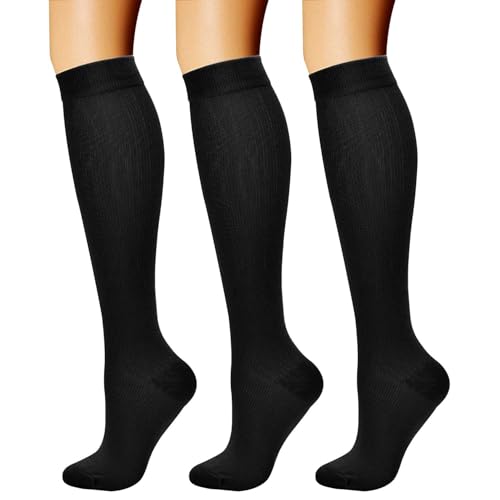
Compression Socks 3-Pack 15-20mmHg
- 15-20mmHg compression reduces leg swelling on flights and long excursion walks
- Three pairs for the cruise week
Long flights to embarkation ports and 20K-step excursion days, compression socks prevent swelling
View on AmazonBinoculars for scenic cruising days
Some of the best fjords moments (waterfalls, wildlife along the shoreline, distant glaciers) are genuinely far from the ship and hard to appreciate with the naked eye alone. The Compact Waterproof Binoculars (10x25) brings distant scenery into real focus during scenic cruising, and the waterproof rating matters given how often fjords days involve some level of rain or spray.

Compact Waterproof Binoculars (10x25)
- 10x magnification with 25mm objective lens for crisp detail
- Compact folding design fits in a jacket pocket
Sleep quality during long daylight hours
Norway's fjords region experiences extended daylight during peak cruising season, sometimes with only a few hours of true darkness. The MZOO 3D Sleep Eye Mask blocks out the extended daylight streaming through cabin curtains, which matters for actually sleeping on a summer fjords sailing where it may still be light outside at 10pm.
Packing efficiently for a genuinely variable climate
Fjords packing means more distinct layers than a beach itinerary, which eats suitcase space fast if you are not organized. The Aerotrunk Compression Packing Cubes 4-Pack keeps rain gear, warm layers, and any dressier evening wear separated, so you are not unpacking your whole bag to find a mid-layer sweater on a cold morning.

Aerotrunk Compression Packing Cubes 4-Pack
- Double-zipper compression cuts volume by up to 60%
- Four sizes cover every clothing type
Compression cubes are the single best way to fit a week of cruise outfits into a carry-on
View on AmazonCommon fjords packing mistakes
The most common mistake is packing one heavy coat as a solution for all fjords weather, then finding it too warm for indoor viewing lounges and not fully waterproof for a genuine downpour on deck. A true three-layer system (moisture-wicking base, insulating mid-layer, waterproof and windproof shell) handles the actual range of conditions far better than one heavy garment.
A second mistake is underestimating deck-level wind chill during scenic cruising, since the temperature reading from a weather app does not account for wind speed at the ship's higher decks. Dress a full layer warmer than the forecast suggests for any planned time on an open viewing deck, and remove layers once you are back inside rather than starting underdressed.
A third mistake is packing only casual daytime clothing and no dressier option, assuming a scenery-focused itinerary skips formal nights entirely. Many fjords sailings still include at least one formal or elegant evening despite the outdoor, active daytime focus, so check your specific cruise line's schedule rather than assuming a rugged itinerary has no dress-up expectation at all.
What a scenic cruising day actually looks like in the fjords
A dedicated scenic cruising day, where the ship sails slowly through a narrow fjord rather than docking at a port, is often the highlight of the entire itinerary, and it rewards being on deck early since prime viewing spots fill up as the ship approaches the most dramatic scenery. This is where layered clothing gets used in real time, as passengers add a jacket going outside and shed it again returning to a warmer indoor lounge repeatedly over several hours.
Port days built around glacier walks, fjord village visits, or scenic train excursions like the Flåm Railway typically involve several hours outdoors regardless of weather, since these excursions run on a schedule that does not pause for rain. Waterproof, breathable outer layers and sturdy footwear matter more on these days than on a typical port call with more indoor options.
Common questions
What should I wear on a Norwegian fjords cruise?
Layer with a moisture-wicking base layer, a mid-layer sweater or fleece, and a packable waterproof and windproof outer shell, since fjords weather can shift from sun to rain to wind within a single afternoon.
Do I need special gear for fjords glacier walks or hikes?
Sturdy, waterproof footwear with good grip and warm layers matter more than specialized gear for most included excursions, though check your specific excursion's requirements, since some glacier walks require crampons provided by the tour operator.
How much daylight is there during a summer fjords cruise?
Peak season fjords cruising can see 18-20+ hours of daylight, with true darkness lasting only a few hours or not occurring at all in the far north, so a sleep mask helps maintain a normal sleep schedule.

MZOO 3D Sleep Eye Mask
- 3D contoured design blocks all light without pressing on your eyelids
- Memory foam conforms to your face
Interior cabins are pitch black but balcony light creeps in at dawn, this mask blocks it all
View on AmazonWhat is the best time to be on deck during scenic fjords cruising?
Arrive at least 30-60 minutes before the ship enters the most scenic section of a fjord, since good viewing spots along the rail fill up quickly and the best photo opportunities happen as the ship moves through the narrowest, most dramatic parts of the passage.
Do I need waterproof pants or just a waterproof jacket for the fjords?
A waterproof jacket covers most passengers' needs for deck viewing and light excursions, but waterproof or water-resistant pants are worth adding if your itinerary includes a longer glacier walk or hike where sustained rain exposure is more likely than a quick deck viewing session.
Layer rather than relying on one heavy coat, since fjords weather changes faster than a single garment can handle. Check current cruise deals, compare sailings by fjords itinerary length, and browse port guides for excursion-specific gear by port.