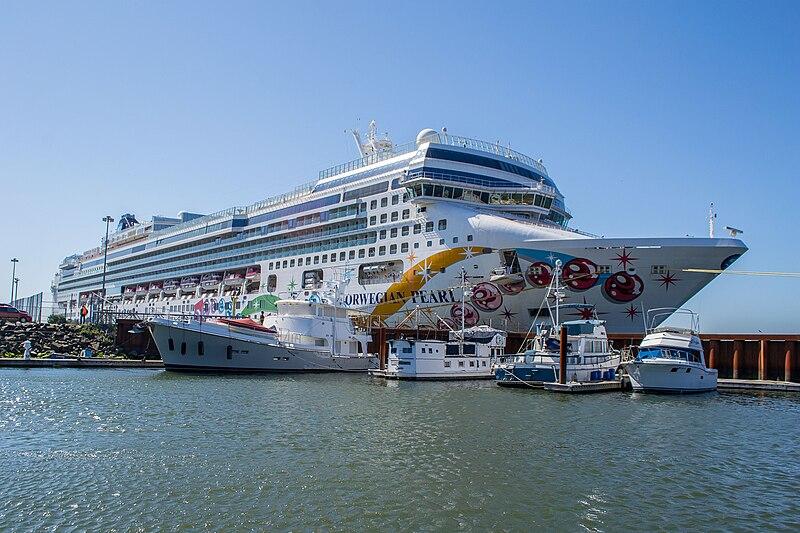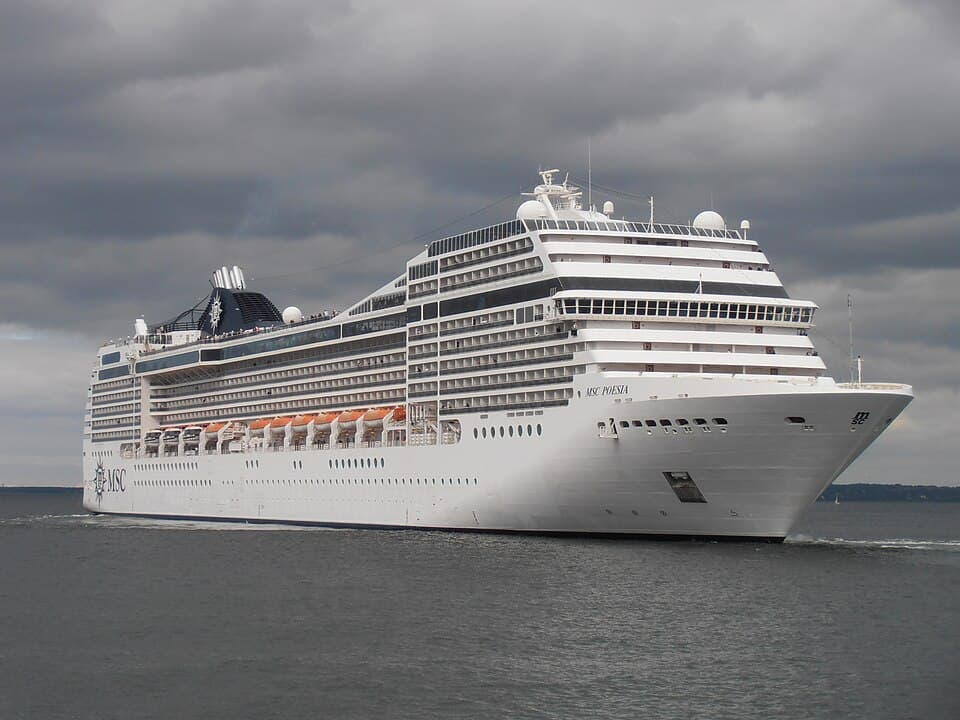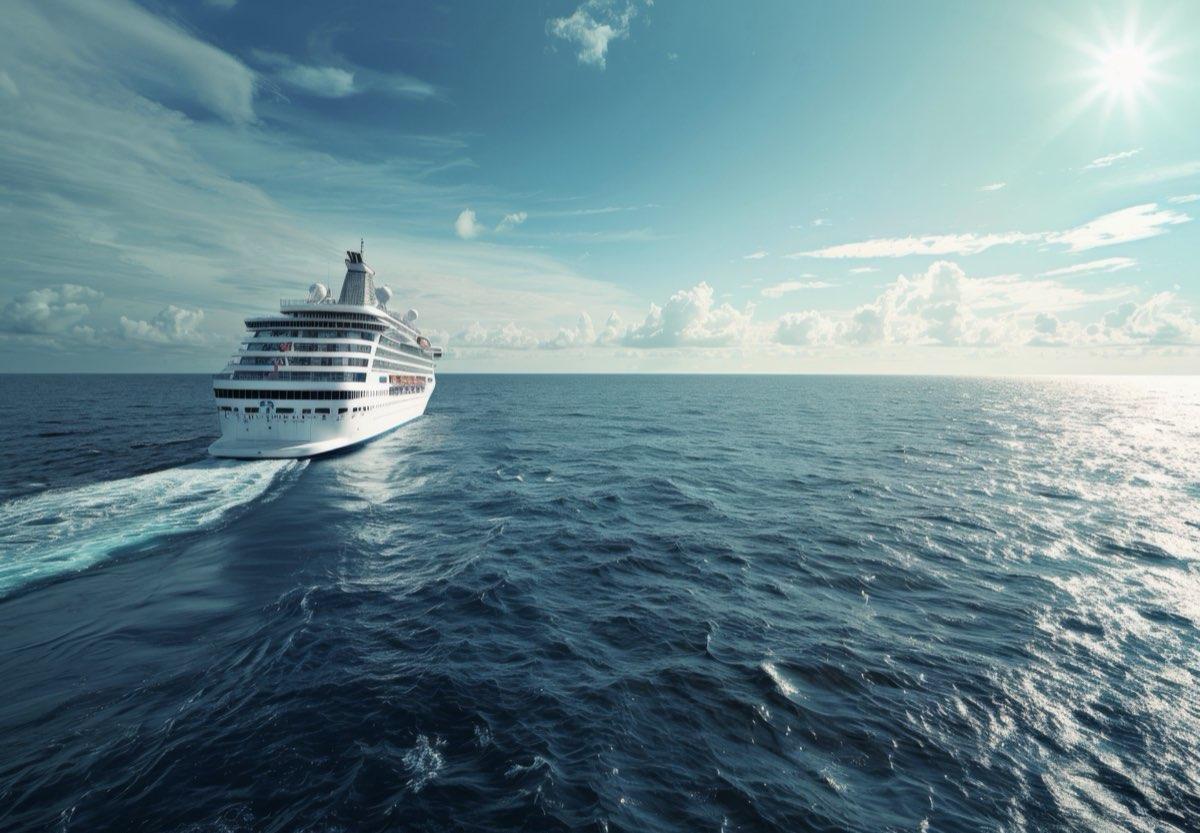

Cruising is one of the most accessible vacation formats for older travelers, since you unpack once and the destinations come to you, but the packing list that matters most is different from a standard vacation list. Medication organization, motion sickness prevention, and comfort on long excursion days deserve more attention than outfit variety. Here is what actually helps, based on what trips up senior travelers most often.
Medication organization for a multi-week trip
Keeping daily medications straight across time zones and a changing daily schedule is the single most common travel stress point for older cruisers. The LANDNEOO 14-Grid Pill Organizer covers a full two weeks of AM and PM doses in one case, which matters on longer sailings where you do not want to repack a weekly organizer mid-cruise.

LANDNEOO 14-Grid Pill Organizer
- 14 compartments cover a full two-week cruise
- AM/PM sections in each day
14 days with AM/PM slots covers even the longest cruise itineraries
View on AmazonFor a shorter sailing or as a compact daily backup to a larger organizer, the Holii Travel Pill Organizer is small enough to carry in a daypack for a full day off the ship without carrying your entire medication supply with you.

Holii Travel Pill Organizer
- Compact daily pill organizer with separate compartments
- Snap-lock lids prevent accidental opening
Keep medications organized for each cruise day, never miss a dose on vacation
View on AmazonMotion sickness prevention worth packing regardless
Motion sensitivity often changes with age, and cruisers who never got seasick in their forties sometimes find they do in their sixties and seventies. The Sea-Band Acupressure Wristbands offers a drug-free option worth packing even if you do not expect to need it, since it has no interaction risk with other medications, unlike some over-the-counter motion sickness pills.

Sea-Band Acupressure Wristbands
- Clinically tested acupressure wristbands work without medication
- No drowsiness side effects
The go-to drug-free seasickness solution recommended by cruisers worldwide
View on AmazonCirculation support for long travel and excursion days
Long flights, tender rides, and full-day excursions all involve extended sitting or standing, both of which affect circulation more noticeably as we age. The Compression Socks 3-Pack 15-20mmHg reduces leg swelling and discomfort on travel days and long shore excursions alike, a small addition that makes a real difference by the end of a long day.
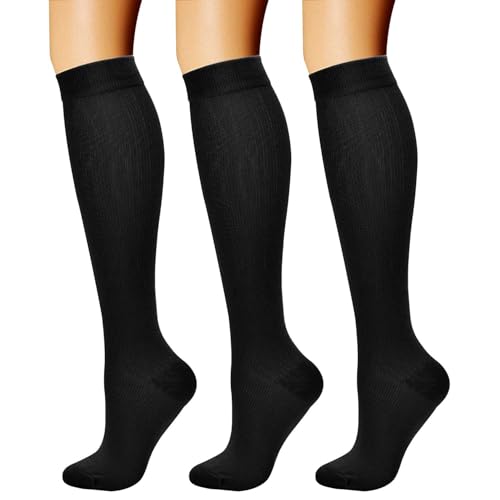
Compression Socks 3-Pack 15-20mmHg
- 15-20mmHg compression reduces leg swelling on flights and long excursion walks
- Three pairs for the cruise week
Long flights to embarkation ports and 20K-step excursion days, compression socks prevent swelling
View on AmazonA first-aid kit that covers more than a standard traveler needs
Beyond basic cuts and blisters, older travelers often benefit from a more complete kit that covers minor sprains, joint discomfort from extra walking, and other small issues that come up more often on an active vacation. The Large First Aid Kit Travel covers these situations without relying entirely on the ship's medical center, which typically charges significant fees even for minor consultations.

Large First Aid Kit Travel
- Full-size travel kit with advanced supplies including splints and emergency blanket
- Organized compartments for quick access
For families or adventure excursion cruisers who want full coverage
View on AmazonSleep quality in an unfamiliar cabin
Adjusting to a new bed, unfamiliar cabin sounds, and a different sleep schedule affects sleep quality for any traveler, and older cruisers often report needing more recovery time after a poor night's sleep than they used to. The MZOO 3D Sleep Eye Mask blocks light from hallway gaps under interior cabin doors and other stray light sources common on ships, supporting a more consistent sleep schedule throughout the cruise.
Footwear for mobility and comfort on port days
Cobblestones, tender platforms, and uneven gangways are common across cruise ports, and comfortable, supportive footwear matters more for mobility and joint comfort than style on these days. The Water Shoes Quick Dry works well for wet tender platforms and beach stops specifically, though a supportive walking shoe remains the right choice for longer, drier port excursions.

Water Shoes Quick Dry
- Quick-dry shoes for beach, snorkeling, and rocky shore walks
- Protective sole guards against coral and sharp rocks
Rocky Caribbean beaches and coral cuts are no joke, water shoes are a must
View on AmazonHow to choose excursions and gear around mobility, not just interest
Excursion difficulty ratings, when a cruise line publishes them, are worth checking before booking rather than after, since a listed "moderate" activity level can still mean significant walking distance or standing time that feels different than it did on past trips. Choosing a slightly easier-rated excursion over a more ambitious one often preserves more energy for the rest of the day rather than requiring a recovery day afterward.
A rolling daypack or a bag with a wide, padded strap distributes weight better across a long excursion day than a standard shoulder bag, which matters more for anyone managing joint discomfort or balance concerns. Small, deliberate gear choices like this compound over a multi-day itinerary far more than they would on a single-day outing.
Cabin location relative to elevators and the main dining room is worth requesting specifically when booking, since a cabin at the far end of a long hallway adds real walking distance multiple times a day, every day, for the length of the cruise. This is a free request in most cases and makes a meaningfully larger difference than most packing decisions.
Handrail and grab-bar availability varies by cabin category and bathroom type, and accessible cabins with additional grab bars are available on request even for travelers who do not use mobility aids but want the extra stability, particularly for a bathroom with a step-over tub rather than a curbless shower.
Common mistakes senior travelers make packing for a cruise
The most common mistake is packing prescription medication in checked luggage rather than a carry-on, which becomes a serious problem if a bag is delayed or lost, especially on a fly-cruise itinerary with a tight connection window. Keep all medications, plus a printed list of prescriptions and dosages, in a carry-on bag at all times.
A second mistake is skipping motion sickness prevention because past cruises were fine, without accounting for how motion sensitivity can change over the years or with new medications that were not part of the equation on a previous trip. A drug-free wristband is low-risk enough to pack as backup even when it feels unnecessary.
A third mistake is overbooking excursions early in the itinerary out of excitement, leaving no buffer day to recover before a demanding activity later in the week. Spacing more strenuous excursions apart, rather than clustering them at the start, tends to produce a more enjoyable trip overall.
Common questions
What medications should I bring extra of on a cruise?
Bring at least 50% more than your trip length requires for all prescription medications, kept in carry-on luggage rather than checked bags, in case of a delayed suitcase or an extended sailing due to weather.
Do older cruisers need different motion sickness prevention than younger travelers?
Not fundamentally different, but drug-free options like acupressure wristbands are worth prioritizing if you take other medications, since they carry no interaction risk, unlike some over-the-counter remedies.
How do I manage medication schedules across time zones on a cruise?
Use a labeled daily pill organizer and keep your medication schedule on your body's original time zone unless your doctor has advised otherwise, adjusting gradually rather than all at once for longer itineraries crossing several zones.
Should I request an accessible cabin even if I don't use a wheelchair or scooter?
It is worth asking about a cabin with added grab bars or a curbless shower if balance or mobility is even a mild concern, since these features help regardless of whether you use a formal mobility aid, and most cruise lines will accommodate the request without it being a fully designated accessible cabin.
What should I pack in a carry-on specifically for cruise embarkation day delays?
Pack at least one full day's medication supply, a phone charger, and a change of clothes in your carry-on, since checked luggage delivery to your cabin on embarkation day can take several hours, and a delayed connecting flight can push that further.
Pack medication organization and motion sickness prevention as priorities over outfit variety, since these are the categories that actually affect how much you enjoy the trip. Check current cruise deals, compare sailings for itineraries with fewer strenuous excursions, and browse port guides for accessibility notes by destination.