Costa is the Italian mainstream cruise experience, aimed primarily at the European market with Mediterranean-heavy itineraries, casual pricing, and an onboard culture built around Italian food and atmosphere. It's a solid, affordable option if you want a European-flavored ship and don't mind an onboard experience geared to Europeans. If you want a fully Americanized mainstream experience, this line will feel noticeably different.
What the line is known for
Costa leans hard on its Italian identity, from the food to the shows to the general mood onboard, instead of using a neutral international template. Much of its passenger base comes from continental Europe, which shapes everything from announcement languages to entertainment in a way that differs from North American lines.
Costa's roots go back to 1854 as an Italian shipping company. It started passenger service in 1948 and cruising in 1959, and that long history still shapes the onboard culture more than at brands built from scratch as cruise lines. Announcements, menus and much of the entertainment run in several languages, typically Italian and English plus others depending on the itinerary and passenger mix. The mixed crowd is part of the experience and gives Costa a different social feel from a ship full of Americans or Britons.
Ships and itineraries
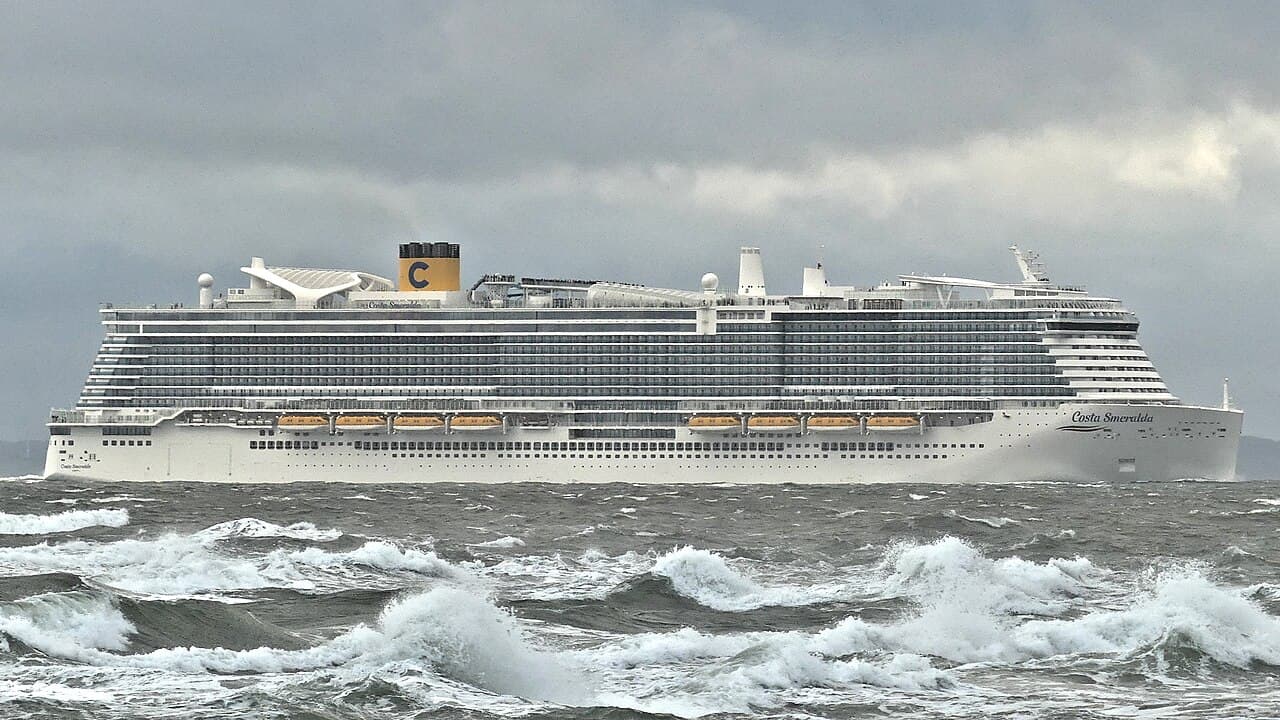
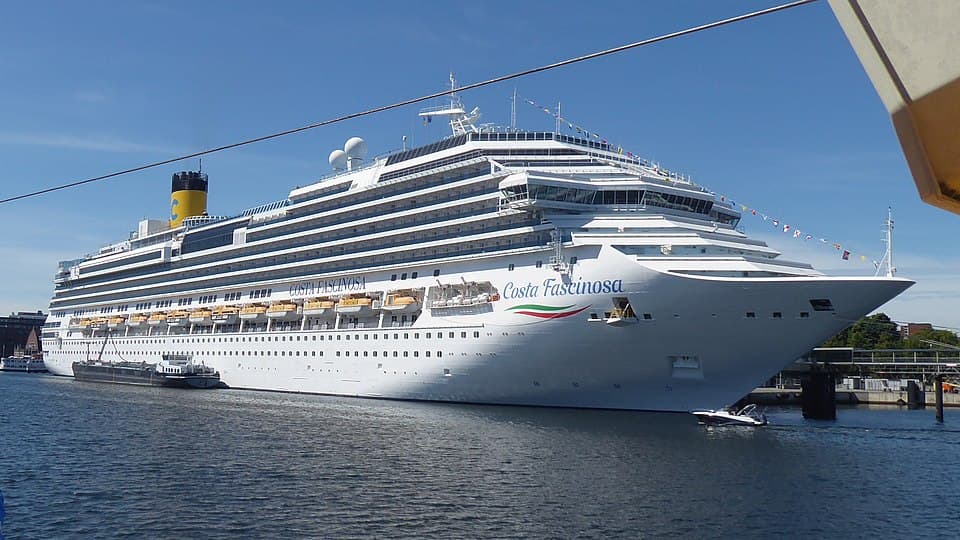
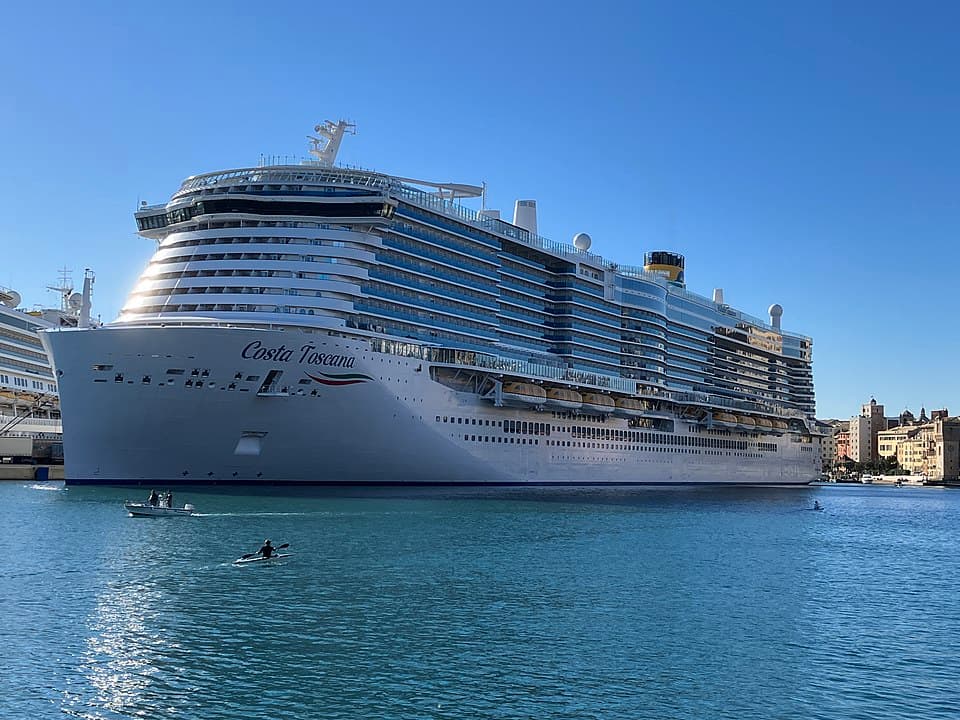
Costa's fleet spans several classes and generations, from Costa Deliziosa (2010, about 2,260 guests) to Costa Smeralda and Costa Toscana (2019 and 2021, about 5,200 guests each). Itineraries center on the Mediterranean, but for 2026-27 Costa also deploys ships to the Caribbean and South America, and runs long voyages such as a Japan to Argentina crossing. Mediterranean sailings are the core, built around Italian ports plus wider Western Mediterranean routes.
Dining
Dining reflects the line's Italian identity, with main dining room menus and specialty venues leaning into Italian cuisine more than a typical mainstream line would. Buffet and casual options round out the offering, and the split between included and surcharged venues works much as on other mainstream lines.
Main dining room menus change nightly but keep returning to Italian staples: pasta, regional specialties, and a wine list weighted toward Italian producers. Specialty dining, where available, generally leans further into regional Italian cooking instead of the steakhouse-and-sushi formula common on American lines. Service follows a traditional multi-course rhythm that some Americans find slower than the casual dining they're used to.
Cabins
Cabin categories run from budget interior rooms through balcony and suite tiers, usually priced at the affordable end of the mainstream range.
Choosing a cabin
Balcony cabins are worth the upgrade specifically for Mediterranean sailings on Costa, since sailing into Venice or the Bay of Naples is worth watching from your own space instead of a crowded deck. Interior and oceanview cabins stay cheaper and make sense if you plan to spend daylight hours ashore. Because the fleet spans several ship generations, cabin size and amenities vary more between ships than on a line with one standard design.
Who it suits
Costa suits budget-conscious Mediterranean cruisers who want Italian flavor, and anyone comfortable on a ship where the culture and passenger mix skew more European than on a typical North American sailing.
Onboard experience and entertainment
Production shows, music and activities are designed to appeal across several nationalities at once, not primarily to English speakers. Expect more multilingual programming and announcements than on a U.S.-market line, and a later, more European rhythm to dinner and evening shows that can feel unfamiliar on a first sailing. That's the draw if you want a European cruise, and the reason to look elsewhere if you want a fully Americanized one.
Who should skip it
Skip Costa if you want English-first programming and a passenger mix that matches the major U.S.-market lines. Costa's identity and clientele lean distinctly European, and travelers sensitive to that are usually better served by a line built for North Americans.
Getting to Italian embarkation ports
Rome's cruise port at Civitavecchia is about 80 km from the city, so budget real transfer time (roughly an hour or more by car or train) on embarkation day instead of assuming a quick hop. Venice, Savona and Naples are other common Costa embarkation ports depending on the itinerary, each with its own airport and transfer logistics to confirm before you travel. Fly in a day early for any of them, to recover from the transatlantic flight and see the city.
What to pack
Pack with European dining habits in mind. The main dining room tends to run a little more formal and later than on a typical American ship, so bring a couple of smart-casual outfits beyond standard cruise wear. Comfortable walking shoes matter on any Mediterranean itinerary, since Rome, Naples and Livorno (the gateway to Florence) reward walking tours more than bus-only excursions. A translation app helps in a multilingual onboard environment.
Booking timing and cost
Costa's Mediterranean season is strongly seasonal, with peak prices and tight availability in July and August when European school holidays overlap with the best weather. Shoulder months such as May, June and September typically bring lower fares along with warm weather and shorter lines at ports like Civitavecchia or Naples. Because Costa skews toward European customers, it can be worth comparing Costa's own site or a European-market agent against U.S. agents for availability and price.
First-timer mistakes to avoid
Americans new to Costa sometimes expect an Americanized experience and are caught off guard by the European passenger mix, the multilingual announcements and the later dining hours. Another mistake is booking without checking which ship is assigned to the sailing, since older and newer ships have noticeably different amenities and cabin quality. Also confirm whether gratuities and drink packages are included or charged separately, because Costa's pricing can differ from what U.S. cruisers expect.
Common questions
Is Costa a good option for American travelers?
It can be, particularly on a Mediterranean itinerary where the Italian theming suits the destination, but expect a more European culture, language mix and passenger base than on a U.S.-market line.
How does Costa's pricing compare to other mainstream lines?
Costa generally prices at the affordable end of the mainstream range, particularly on European sailings, which makes it a reasonable budget pick for the Mediterranean.
Does Costa sail outside the Mediterranean?
Yes. For 2026-27 it also runs Caribbean and South American sailings, though the Mediterranean is where its selection is deepest.
Costa is a strong value pick specifically for a Mediterranean itinerary with Italian flavor built in. Compare current pricing on current cruise deals, and use compare sailings and prices to see how Costa stacks up against other Mediterranean-focused lines. Once booked, track any cruise ship live to follow the ship's route through Italian and wider Mediterranean ports. For more on the region, see our Mediterranean cruise guide.