The Mediterranean is the world's most cruised region, and it deserves the attention. Nowhere else can you stand in a Roman amphitheater in the morning, eat lunch on a Greek island, and watch the sun set over the Adriatic from a Venetian campanile. All without repacking your bag. But the Mediterranean's popularity also means that if you go at the wrong time, to the wrong ports, on the wrong ship, you spend more time in a queue than in front of anything worth seeing.
This guide is about making deliberate choices. The route you pick, the months you go, and how you approach each port determine whether your Mediterranean cruise feels like discovery or a particularly expensive airport shuffle.
Ready to book a Mediterranean cruise? Browse current Mediterranean cruise deals on Cruisebound. See live pricing on Western and Eastern Med itineraries before reading the regional guide below.
Western vs. Eastern Mediterranean: The Actual Differences
The distinction between Western and Eastern Mediterranean isn't just geography. It's a different kind of trip.
Western Mediterranean
Western Med cruises typically depart from Barcelona, Rome (Civitavecchia), or Marseille and call at a circuit of ports that reads like a greatest-hits of Southern Europe: Barcelona, Palma de Mallorca, Marseille or Nice, Monte Carlo, Genoa, Rome, Naples, and often one of the Italian island ports like La Spezia (for Cinque Terre) or Livorno (for Florence/Pisa).
Who it's best for: First-time Mediterranean visitors, travelers who want maximum iconic sightseeing in a single week, and anyone for whom Rome and Barcelona are non-negotiable.
The tradeoff: Western Med ports are also the most visited ports in Europe. In July and August, Dubrovnik, Rome, and Barcelona are genuinely overcrowded in ways that erode the experience. Port logistics are more developed, more tourist infrastructure, more English spoken, more organized excursion options, which is either an asset or a drawback depending on what you want from travel.
A typical 7-night Western Med itinerary:
Barcelona (embarkation)
Palma de Mallorca, Spain
Provence/French Riviera (Marseille or Nice)
Monte Carlo, Monaco
Florence/Pisa (Livorno) or Cinque Terre (La Spezia), Italy
Rome (Civitavecchia), Italy
Naples/Pompeii, Italy
Barcelona (disembarkation)
Eastern Mediterranean
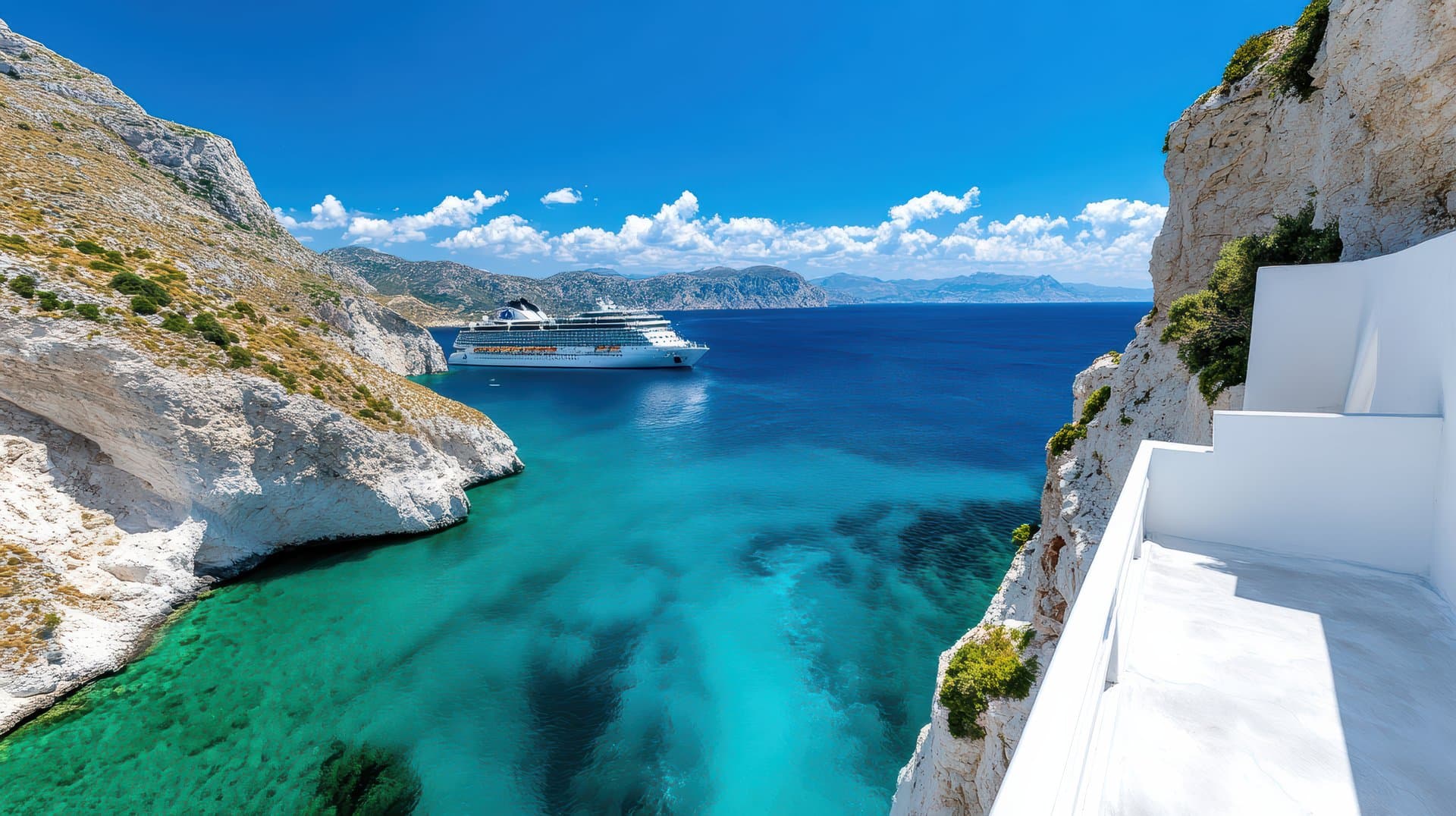
Eastern Med cruises are more varied. They typically include some combination of Greece, Turkey, Croatia, and the Adriatic, departing from Athens (Piraeus), Venice, or Dubrovnik. A good Eastern Med itinerary reaches ports that feel genuinely different from each other: the white-cube architecture of Santorini, the Ottoman-layered history of Istanbul or Kusadasi, the dramatic walled city of Dubrovnik, the fjord-like bay of Kotor in Montenegro.
Who it's best for: Repeat Mediterranean visitors, travelers with a particular interest in Greek, Turkish, or Adriatic culture, and anyone who prioritizes cultural depth over iconic landmark density.
The tradeoff: Eastern Med logistics are more variable. Port infrastructure in Turkey and smaller Greek islands is less tourist-polished. Getting from port to meaningful sights can require more planning. Istanbul requires an e-Visa. Some Eastern Med ports have limited time windows, particularly in Croatia.
A typical 7-night Eastern Med itinerary:
Athens/Piraeus (embarkation)
Mykonos, Greece
Kusadasi (Ephesus), Turkey
Santorini, Greece
Heraklion, Crete, Greece
Kotor, Montenegro
Dubrovnik, Croatia
Venice or Split (disembarkation)
Pro tip: Eastern Med itineraries that include Istanbul are a different category from standard Greek island circuits. Istanbul alone justifies a trip. The Hagia Sophia, Grand Bazaar, Spice Market, and Bosphorus Strait are not comparable to any other port in the region. Seek out itineraries that include an overnight or two full days in Istanbul.

EPICKA Universal Travel Adapter
- Works in 150+ countries with US/EU/UK/AU plug types
- Built-in USB-A and USB-C ports
Mediterranean and Asian itineraries need different plugs at every port, this one adapter covers them all
View on AmazonWhen to Go: The Mediterranean Month by Month
Season selection matters more in the Mediterranean than almost anywhere else. The difference between May and July in Santorini or Dubrovnik isn't just temperature. It's whether the experience is pleasant or exhausting.

G4Free Lightweight Packable Daypack
- Folds into its own pocket for zero suitcase space
- 20L capacity fits water, snacks, camera, and sunscreen
Packs flat in your suitcase, expands into a full daypack for excursions
View on Amazon
Ultra Lightweight Packable Backpack
- Ultra-lightweight design weighs just a few ounces
- Folds into a compact pouch
At just a few ounces, there is zero excuse not to bring a daypack
View on Amazon
Wide Brim Sun Hat UPF 50+
- Wide brim provides full face and neck shade
- UPF 50+ rated fabric blocks 98% of UV rays
A hat with UPF-rated fabric provides way more protection than a baseball cap
View on AmazonMonth | Temps | Crowds | Notes |
|---|---|---|---|
April | 60–68°F | Low | Variable weather; beautiful light; some attractions not yet at full schedule |
May | 65–75°F | Low–Medium | Our top pick for value + experience |
June | 72–82°F | Building | Still manageable; best balance of weather and crowd levels |
July | 85–95°F | Peak | Hottest, most expensive, most crowded. Avoid in southern ports |
August | 85–95°F | Peak | Same as July; only save is that locals leave cities on vacation |
September | 75–85°F | Falling | Excellent; warm sea, lower prices, thinning crowds |
October | 65–75°F | Low | Best value; some seasonal closures in smaller ports; shoulder weather |
Our recommendation: If you have flexibility, book a May or September sailing. You get the warm weather, navigable crowds, and prices that reflect the reality rather than peak-season demand. June is still excellent. July and August are not recommended for high-traffic ports unless you specifically want the maximum energy of a summer Europe trip. Which some travelers do.
Port by Port: What's Worth Your Time
Barcelona, Spain (Embarkation Port)
Most Western Med cruises begin or end in Barcelona. This is a gift. Build in at least one pre-cruise night. Barcelona at its best takes three days; even one full day before embarkation is worth the extra hotel cost.
Highlights:
La Sagrada Familia: Book tickets weeks in advance. It's not optional. The interior is among the most remarkable spaces in Europe.
Park Guell: Go early (before 9 AM) or late (after 5 PM) to beat the tour groups. The tiled terrace overlooks the city beautifully but is genuinely crowded at midday.
El Born neighborhood: Barcelona's best food neighborhood. Pintxos bars, good coffee, the Picasso Museum, and none of the Las Ramblas tourist trap energy.
La Barceloneta: The beach neighborhood is fun but generic. Skip it in favor of a morning at the Boqueria market.
Rome (Civitavecchia), Italy
Civitavecchia is 90 minutes from Rome. By ship-organized shuttle, taxi, or direct train. Factor the travel time into your planning: you need a full day to make Rome worthwhile, which means early disembarkation and careful monitoring of the ship's return deadline.
Realistic plan for one day:
Vatican Museums + Sistine Chapel (pre-booked): 2–3 hours
St. Peter's Basilica: 45 minutes
Colosseum + Roman Forum (pre-booked): 2 hours
Lunch near Campo de' Fiori: 1 hour
Trastevere walk and gelato: 1 hour
Train back to Civitavecchia
Pro tip: The Colosseum and Vatican both require advance ticket booking. Walk-up queues can reach 3–4 hours in summer. Book online before you sail. The train from Rome Termini to Civitavecchia runs hourly and is the cheapest and most reliable return option (about €5 each way).
Naples + Pompeii, Italy
Naples is chaotic, noisy, and genuinely extraordinary. The street pizza scene is the real thing. L'Antica Pizzeria da Michele has been making the same two pizzas (Marinara and Margherita) since 1870. Pompeii, 45 minutes from the port, is one of the most significant archaeological sites in the world. Seeing both in one day is a lot but possible.
Pompeii logistics: Take the Circumvesuviana train from Naples Centrale (cheap, runs every 30 minutes, gets you to Pompeii Scavi station in 40 minutes). Skip the ship excursion here unless time is tight. The train is simpler and faster.
Santorini, Greece
Santorini is spectacular and worth it, but it's one of the most overtouristed places on earth. On a peak summer day, as many as seven cruise ships anchor simultaneously, sending 20,000+ passengers ashore. The caldera views from Oia are real and beautiful; getting there is a competition.
Strategy: Get off the ship with the first tender, go directly to Oia (bus or taxi), walk the caldera path to Fira before the crowds arrive, and be back aboard by early afternoon. Staying until sunset is tempting but leads to a two-hour tender queue back to the ship.
Pro tip: Rent ATVs or hire a private driver for the day. The southern side of the island, Akrotiri (Bronze Age excavation site), the red and black sand beaches, is less visited than Oia and equally beautiful. Most cruise passengers never leave the caldera path.
Dubrovnik, Croatia
Dubrovnik's Old Town is a UNESCO World Heritage Site and one of the most beautiful medieval cities in Europe. It's also among the most overcrowded. Three to five cruise ships daily plus independent tourists plus Game of Thrones filming pilgrims have created genuine overtourism in a physically small area.
What works:
City Walls: Walk the 2km circuit early (gates open at 8 AM). The light is best in the morning and the crowds are manageable.
Cable car to Mount Srđ: Panoramic view of the old town and Adriatic. Worth it in clear weather.
Kayaking around the city walls: Paddling around the walls from the water provides a perspective the walls themselves don't give. Book with local operators like Adriatic Sea Kayaking.
What to avoid: The restaurants immediately adjacent to the Pile Gate and Stradun (main street) are tourist traps with poor food at high prices. Walk uphill into the residential neighborhoods for better and cheaper options.
Kotor, Montenegro
Kotor is one of the best ports in the entire Mediterranean, and it's still relatively undiscovered. The bay of Kotor, a flooded river canyon that looks like a fjord, frames the medieval walled city beautifully. Smaller ships can dock inside the bay; larger ships anchor and tender.
Highlights:
City walls hike: 1,350 steps to the fortress of St. John. Hard in summer heat; revelatory in terms of views. Allow 90 minutes up and back.
Cathedral of Saint Tryphon: Understated and genuinely beautiful 12th-century Romanesque interior.
Old Town wandering: Kotor's streets are a labyrinth worth getting lost in for an hour.
Athens (Piraeus), Greece
Piraeus is Athens' port, about 30 minutes by metro from the city center. Athens rewards a full day and more.
Non-negotiable:
Acropolis and Parthenon: Book tickets online. The site itself is extraordinary; allow two hours minimum.
Acropolis Museum: One of the best archaeological museums in the world, directly below the Acropolis. The second floor shows the Parthenon frieze in its full length with meticulous contextual explanation.
Plaka and Monastiraki: The old town neighborhoods at the foot of the Acropolis. Monastiraki flea market is chaotic and entertaining; Plaka is more polished. Eat lunch at one of the tavernas on the Plaka side streets (not the main tourist drag).
Budgeting for Mediterranean Ports
Mediterranean cruising is more expensive than the Caribbean largely because of port infrastructure. You're in major European tourist destinations with European prices. Here's a realistic breakdown.
Per person, per port day:

Water Shoes Quick Dry
- Quick-dry shoes for beach, snorkeling, and rocky shore walks
- Protective sole guards against coral and sharp rocks
Rocky Caribbean beaches and coral cuts are no joke, water shoes are a must
View on AmazonExpense | Budget | Moderate | Premium |
|---|---|---|---|
Transportation (port to sights) | €10–20 | €20–40 | €50–80 (private driver) |
Lunch | €12–20 | €25–40 | €50–80 |
Museum/site entry | €5–15 | €15–25 | €25–50 |
Coffee + snacks | €5–10 | €10–15 | €15–25 |
Daily total | €35–60 | €70–120 | €140–235 |
Where to save:
Use public transport (metro in Athens and Barcelona, bus in Santorini) instead of taxis
Eat one town block away from major sights, prices drop 30–40% immediately
Buy museum passes (the Athens Combination Ticket covers five major archaeological sites)
Book Colosseum, Vatican, and Sagrada Familia tickets well in advance (avoids paid fast-track add-ons)
Where not to save:
Port transfers in ports with complicated transit (Civitavecchia for Rome, Piraeus for Athens), a missed return is catastrophically expensive
Advance booking for must-see sights, the queue cost in time is often worse than the fast-track ticket cost
Cruise Lines for the Mediterranean
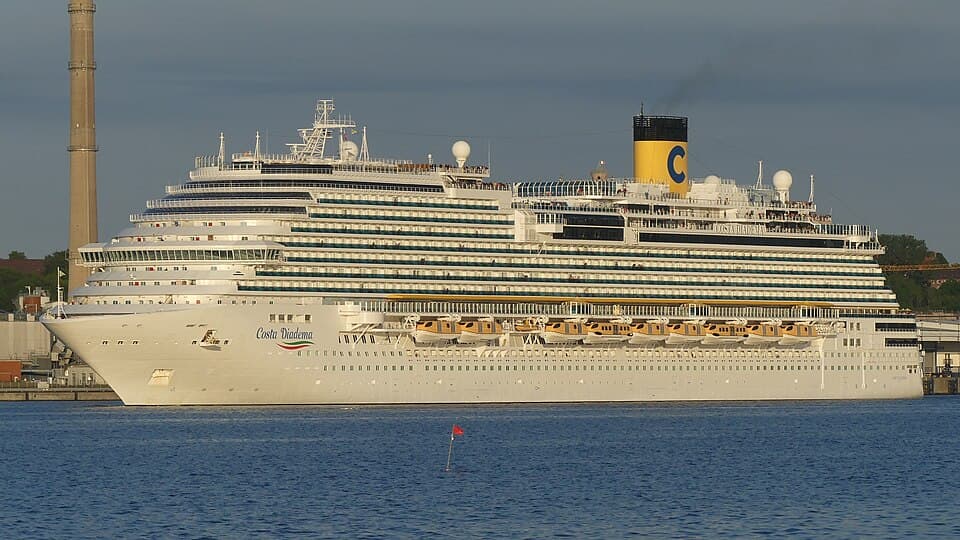
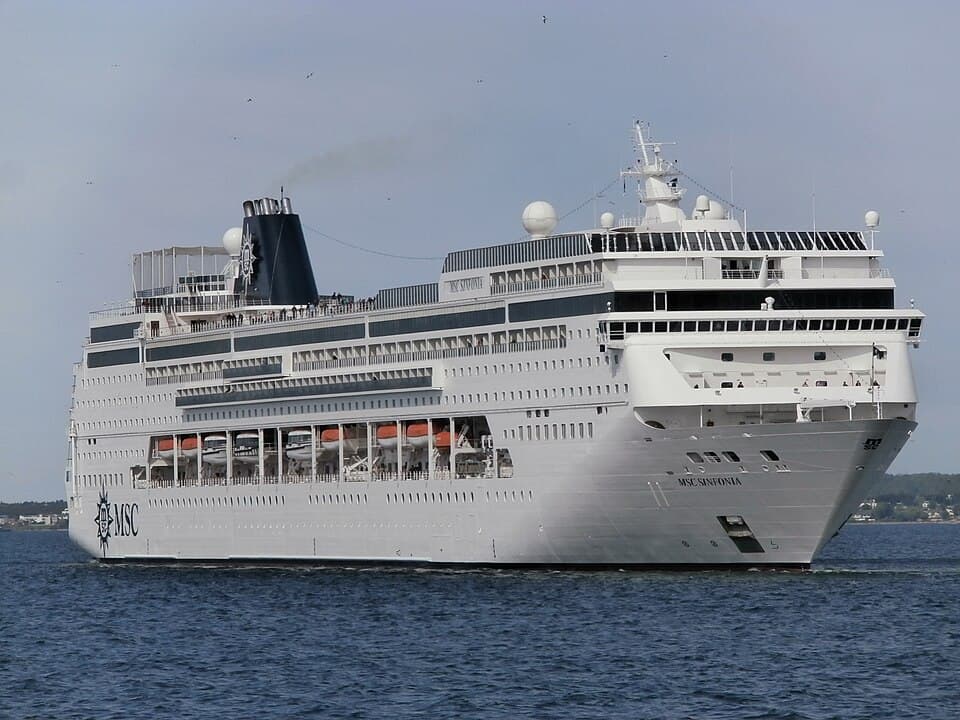
Best value: MSC Cruises and Costa Cruises operate from Mediterranean homeports (Genoa, Civitavecchia, Barcelona) with European pricing and itineraries that suit independent travelers more than packaged Americans.
Best overall experience: Celebrity Cruises and Princess Cruises deliver consistent quality, good onboard dining, and itineraries that prioritize port time over sea days.
Best premium Mediterranean: Oceania Cruises operates smaller ships (1,200 passengers) with longer port stays and exceptional dining. Their destination-focused programming adds meaningful context to every port.
Best luxury: Viking Ocean Cruises is the pick for cultural travelers who want expert lectures, included excursions, and a ship that feels like a floating Scandinavian hotel.
Use our ship comparison tool to evaluate Mediterranean-deployed vessels side by side, and browse Mediterranean ports in our database for port-specific travel information.