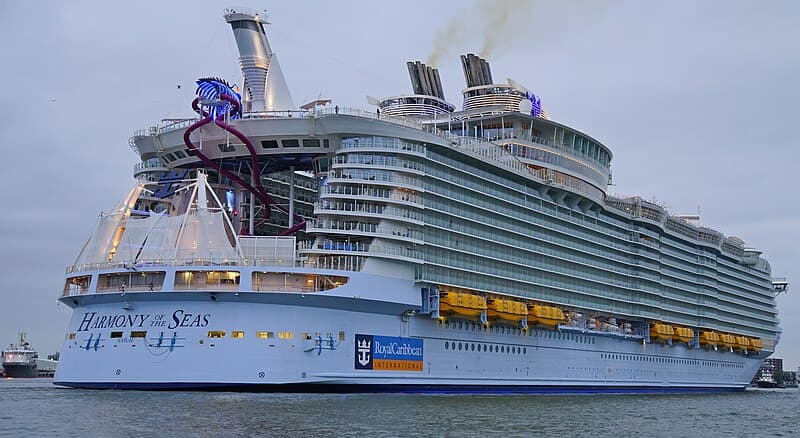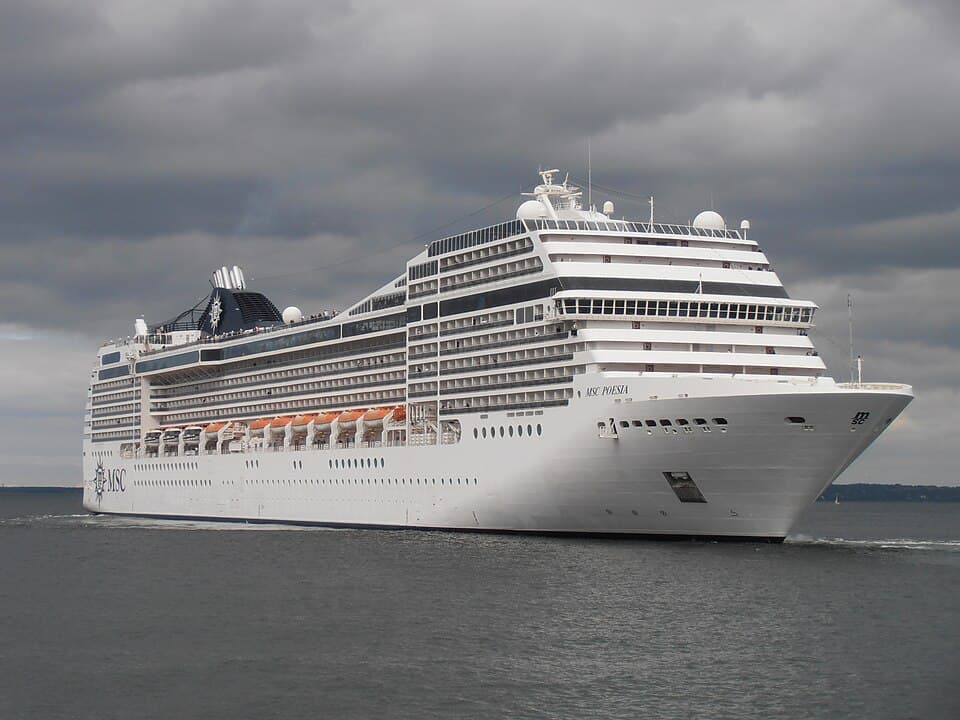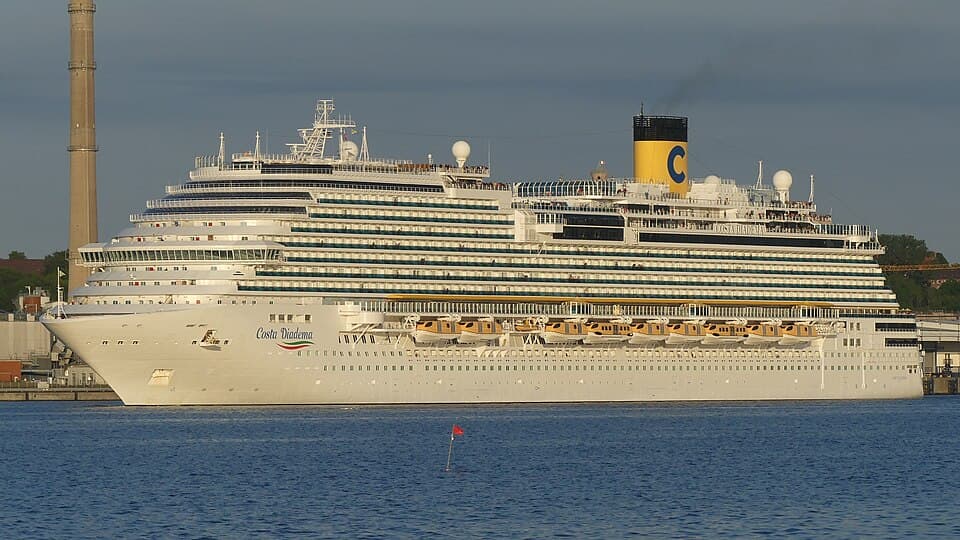
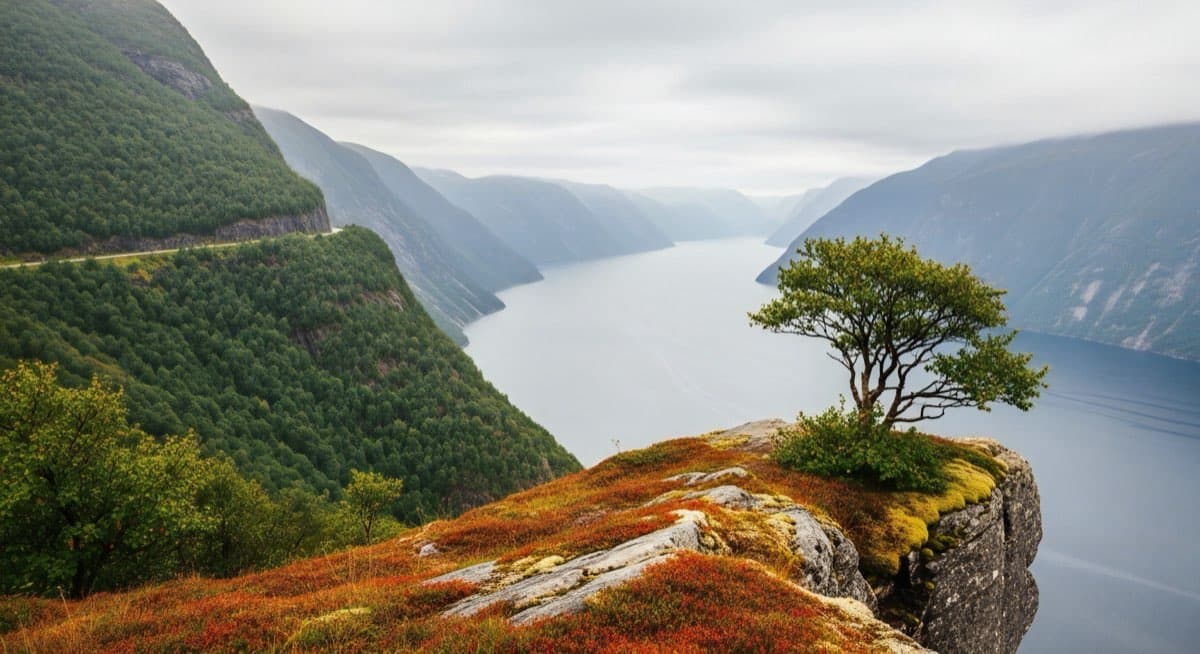
European cruise itineraries range from 7-night Mediterranean loops to 14-night grand voyages from the Baltic to the Canary Islands. What they all have in common is this: the ship is the transport, but the destinations are the point.

EPICKA Universal Travel Adapter
- Works in 150+ countries with US/EU/UK/AU plug types
- Built-in USB-A and USB-C ports
Mediterranean and Asian itineraries need different plugs at every port, this one adapter covers them all
View on AmazonThe ports below aren't ranked, they serve different itineraries and suit different travel styles. What they share is genuine depth: enough to fill a day, and enough to make you wish you had another.
Ready to sail Europe? Browse current European cruise sailings on Cruisebound →
Barcelona, Spain
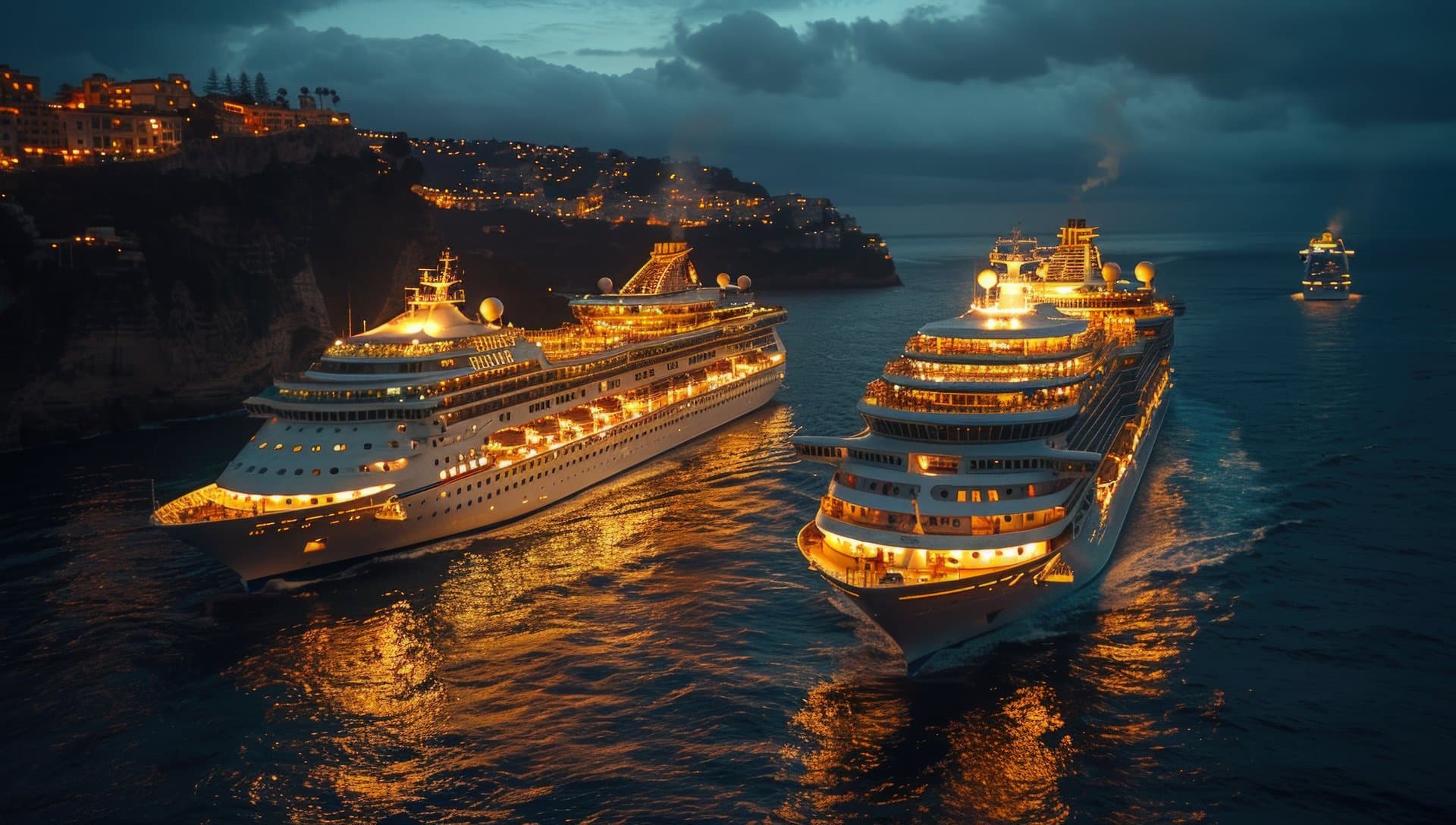
Barcelona earns its spot on nearly every Western Mediterranean itinerary, and it deserves it. The city has layers that reward repeat visits, you could spend a week here and not exhaust it.
Cruise ships dock at the Port of Barcelona, roughly a 20-minute walk (or a quick taxi) from Las Ramblas and the Gothic Quarter. The Barceloneta beach is five minutes from the port entrance.
What's worth your time
The Gothic Quarter (Barri Gòtic) is the historic heart of the city, narrow medieval lanes, the Barcelona Cathedral, and the Plaça Reial. It's walkable, free to wander, and genuinely ancient in places. Allow two hours.
Sagrada Família is non-negotiable if it's your first time. Gaudí's basilica has been under construction since 1882 and remains unlike anything else in Europe. Book tickets in advance (the ship excursion desk will sell them, but you can also book directly at sagradafamilia.org for less). Allow 90 minutes inside.
Park Güell. The terraced park with Gaudí's mosaics and Barcelona panoramas, is worth the trip if you have a full day. It's a 20-minute metro ride from the centre and requires timed tickets.

Mifaso Cruise-Approved Power Strip
- Cruise-approved (no surge protector) with multiple USB ports
- Compact design fits perfectly on the narrow cabin nightstand
Cruise cabins have limited outlets, this solves the charging problem without tripping ship safety rules
View on Amazon
Aerotrunk Compression Packing Cubes 4-Pack
- Double-zipper compression cuts volume by up to 60%
- Four sizes cover every clothing type
Compression cubes are the single best way to fit a week of cruise outfits into a carry-on
View on Amazon
Cruise Door Organizer 24 Pockets Magnetic
- 24 clear pockets attach magnetically to the metal cabin door
- Holds sunscreen, lanyards, snacks, and small items
The single most recommended cruise hack, turns your cabin door into instant storage
View on Amazon
DIYMAG Magnetic Hooks 6-Pack
- Super-strong neodymium magnets stick to cabin walls and ceilings
- Hang hats, bags, towels, and lanyards anywhere
Cruise cabin walls are steel, magnetic hooks turn every surface into storage
View on AmazonLa Boqueria market on Las Ramblas is touristy but still excellent for a quick walk-through and some jamón or fresh fruit. Eat at the counters toward the back, not the stalls near the entrance.
Pro tip: Barcelona's metro is excellent and cheap. A T-Casual card (10 rides) covers most of what you'll want to do and costs around €12. Taxis from the port are also plentiful. Skip the tourist buses, they eat time you don't have.
For port logistics, see our Barcelona port profile.
Rome (Civitavecchia), Italy
Rome's cruise port, Civitavecchia, sits about 80km northwest of the city. Getting to Rome takes roughly 75 minutes by train (frequent departures from Civitavecchia station, a 10-minute walk from the port) or 60–90 minutes by organised coach transfer.
The logistics are real, and they eat into your day. But Rome is Rome.
What's worth your time
The Colosseum and Roman Forum are the essential ancient Rome experience. Skip-the-line tickets are essential, queues without them can be 2–3 hours. Book months ahead for summer dates. Allow 3–4 hours for both sites.
Vatican City (St Peter's Basilica, the Vatican Museums, the Sistine Chapel) deserves a full half-day. It's also in high demand, book tickets in advance without exception. The Vatican Museums are most manageable first thing in the morning.
Trastevere neighbourhood. If you've done the Colosseum and Vatican before, Trastevere's cobblestone streets, neighbourhood restaurants, and quieter pace offer a different Rome. Lunch here is one of the better meals you'll have on a Mediterranean cruise.
Pro tip: Train travel from Civitavecchia gives you flexibility that coaches don't, you can leave Rome when you want rather than following a group schedule. Just leave yourself enough buffer to make it back to the ship. Last departure from Civitavecchia should be no later than 90 minutes before your ship's all-aboard time.
Santorini, Greece
Santorini is the image most people conjure when they think of Greek islands: white-washed buildings with blue domes perched on black volcanic cliffs above a caldera. It's real, and it's extraordinary.
It's also one of the most congested cruise ports in Europe. Large ships anchor in the caldera and tender passengers ashore, meaning you ride a small boat to the port of Athinios or the tender dock at Skala Fira, then either take the cable car, ride a donkey up the switchbacks, or walk 587 steps to the cliffside villages. In peak summer (July–August), waits for the cable car can exceed an hour each way.
What's worth your time
Oia at sunset is justifiably famous, the views of the caldera from Oia's castle ruins are stunning. Get there early in the day, explore the village, find your spot for the late afternoon, and be patient with the crowds. It's worth it.
Fira is more accessible than Oia (it's at the top of the cable car) and has excellent caldera-view restaurants and bars.
Akrotiri. The Minoan Bronze Age settlement preserved under volcanic ash, similar to Pompeii. Is a remarkable and frequently overlooked site. It's a short taxi ride from Fira and rarely as crowded as the caldera villages.
Pro tip: If your ship offers a "Santorini by catamaran" excursion that includes snorkelling in the hot springs and sailing past the caldera cliffs, take it. It removes you from the foot-traffic chaos and gives you a completely different perspective on the island.
Dubrovnik, Croatia
The walled city of Dubrovnik, ringed by medieval fortifications with the Adriatic lapping at its base, is legitimately one of the most beautiful places in Europe. It's also one of the most visited, and the numbers have strained it.
The cruise terminal sits at Gruž Harbour, about 3km from the Old Town. Buses and taxis make the connection in 10–15 minutes.
What's worth your time
Walking the city walls is the defining experience, 2km of ramparts with views over the terracotta roofline and the sea. Go early (gates open at 8am) before the heat and crowds. Combined with a stop at Fort Lovrijenac, it's a full morning.
The Stradun. Dubrovnik's main pedestrian street. Is beautiful and lined with cafés. It's also wall-to-wall people by 10am in peak season. Walk it early or after dinner if you're on an overnight call.
Lokrum Island. A 10-minute ferry from the Old Town harbour. Is forested, quieter, and has a peacock colony for reasons no one has adequately explained. A good escape if the city feels too crowded.
Game of Thrones filming locations. If that's your thing, a self-guided map covers Blackwater Bay (the fortress stairs), the Red Keep (the Rector's Palace), and several other spots. The tourist office has free maps.
Venice Alternatives: Ravenna, Kotor, and Rovinj
Since the 2021 ban on large cruise ships in the Venice lagoon, itineraries have adapted. Here's what you're likely to see instead:
Ravenna, Italy. Venice's replacement port, coaches run to Venice (90 min) but Ravenna itself is underrated. Its Byzantine mosaics, particularly in the Basilica of San Vitale and the Mausoleum of Galla Placidia, are UNESCO World Heritage sites and genuinely stunning. Skip the long coach ride to Venice and spend the day in Ravenna instead.
Kotor, Montenegro. A walled medieval city at the end of a long fjord, Kotor is increasingly appearing as a Venice substitute on Adriatic itineraries. The old town is compact and beautiful, the bay is dramatic, and it's far less crowded than Dubrovnik. Climb to the fortress above the city for views across the bay.
Rovinj, Croatia. A Venetian-influenced port town on the Istrian peninsula, with colourful buildings clustered on a promontory. Excellent seafood, a relaxed pace, and none of Dubrovnik's summer intensity. Genuinely lovely for a port-day wander.
Lisbon, Portugal
Lisbon is one of the most underrated capital cities in Europe for cruise calls. It's large enough to absorb visitors without feeling crushed, compact enough to navigate in a day, and has a personality distinct from the rest of the Mediterranean circuit.
Ships dock at the Lisbon Cruise Terminal, within walking distance of Belém and the city centre.
What's worth your time
Belém. The waterfront neighbourhood. Has the Tower of Belém, the Monument to the Discoveries, and the Jerónimos Monastery (one of Portugal's finest Gothic buildings). Also here: the original Pastéis de Belém bakery, which has been making custard tarts (pastéis de nata) since 1837. Queue is long; tarts are worth it.
Alfama. Lisbon's oldest and hilliest neighbourhood, with Moorish-era streets, the São Jorge Castle, and the Museu do Fado (Portugal's melancholic musical tradition). The 28 tram cuts through it, though it's mobbed with tourists. Walking is better.
LX Factory. A repurposed industrial complex in Alcântara with independent shops, restaurants, and a Sunday market. Worth an hour if your ship is in on a weekend.
Pro tip: Lisbon has excellent public transport. The Metro gets you across the city cheaply. Tuk-tuks are expensive and slow. The city's hills are real, comfortable shoes matter more here than anywhere else on a Mediterranean itinerary.
Amsterdam, Netherlands
Amsterdam is a Northern Europe itinerary staple, typically featuring as either a home port or an extended call (sometimes overnight). Ships dock at the Amsterdam Cruise Terminal in the IJ harbour, a short ferry or taxi from the city centre.
What's worth your time
The canal ring. The UNESCO-listed Grachtengordel. Is best explored by bike or canal boat. Rental shops are everywhere and cycling is genuinely the city's native transport mode. A half-day loop through the Jordaan neighbourhood, across the Prinsengracht, and back via Keizersgracht gives you the essential Amsterdam experience.
The Rijksmuseum houses Rembrandt's Night Watch and Vermeer's The Milkmaid, among hundreds of other Dutch Golden Age masterpieces. Book ahead; it's popular and worth the planning.
The Anne Frank House is one of Europe's most significant memorial sites. Tickets are timed and must be booked months in advance, they often sell out. If visiting is important to you, book the moment your itinerary is confirmed.
The Van Gogh Museum is smaller and easier to get into than the Rijksmuseum, and the collection, covering Van Gogh's full career chronologically, is exceptional.
Copenhagen, Denmark
Copenhagen combines Scandinavian design, excellent food, and a compact, bikeable layout that makes port days feel generous even if you only have eight hours.
Ships dock at the Langelinie pier, less than 2km from the city centre.
What's worth your time
Nyhavn, the colourful 17th-century waterfront with painted townhouses and canal boats, is the postcard Copenhagen. It's touristy and that's fine; it's genuinely beautiful. Have a coffee at one of the canalside cafés.
Tivoli Gardens. If you're there in the late afternoon or evening, this 1843 amusement park in the city centre is unlike anything else in Europe. It's charming in a way that transcends the rides.
Christiansborg Palace offers free admission to the Royal Reception Rooms and excellent views from the tower. The palace sits on the original site of Copenhagen's 12th-century foundations.
Freetown Christiania, the autonomous social experiment that's been running since 1971, is a short walk or bike ride from the centre. Complicated, layered, interesting.
Pro tip: Copenhagen is expensive. Bring a budget for it, a simple lunch for two can run €50–70. But street food markets like Reffen (open in warmer months) offer excellent food at more reasonable prices.
Bergen, Norway
Bergen is typically a port call rather than a home port, but it's one of the most scenic anywhere in Northern Europe. The city sits between seven mountains at the mouth of the Sognefjord, the longest fjord in Norway.
Ships dock at the Skolten cruise quay, a short walk from the historic Bryggen wharf.
What's worth your time
Bryggen, the UNESCO-listed row of medieval wooden hanseatic trading houses along the harbour, is the defining image of Bergen. Walk through the narrow passages behind the wharf fronts; the buildings go three rows deep with workshops and artisan shops tucked inside.
Fløibanen funicular, the rack railway that climbs from the city centre to Mount Fløyen (320m) in eight minutes, is worth every kroner. Views over the city, the fjord, and surrounding mountains are spectacular. Walk back down if weather permits.
The Fish Market (Fisketorget), outdoor seafood market at the harbour. Smoked salmon, fish cakes, and king crab. Prices are tourist-market prices; quality is generally good.
Europe's cruise itineraries cover extraordinary range, from the volcanic drama of Santorini to the fjord-wrapped quiet of Bergen. What makes a port day memorable isn't always the most famous sight; sometimes it's a neighbourhood you wandered into because you had time left over.
Explore our ports directory to see live ship positions and port schedules, and compare Mediterranean vs Caribbean cruises if you're still deciding which region to sail first.