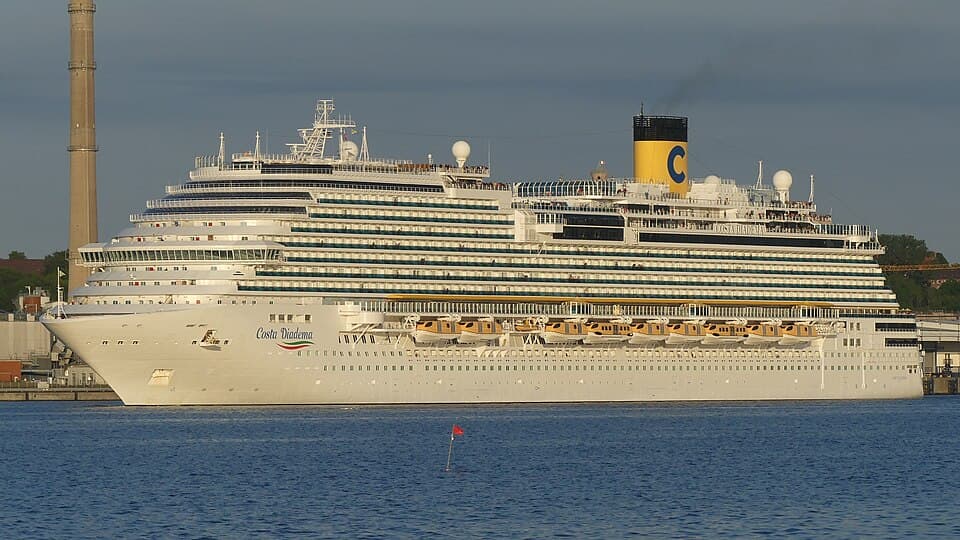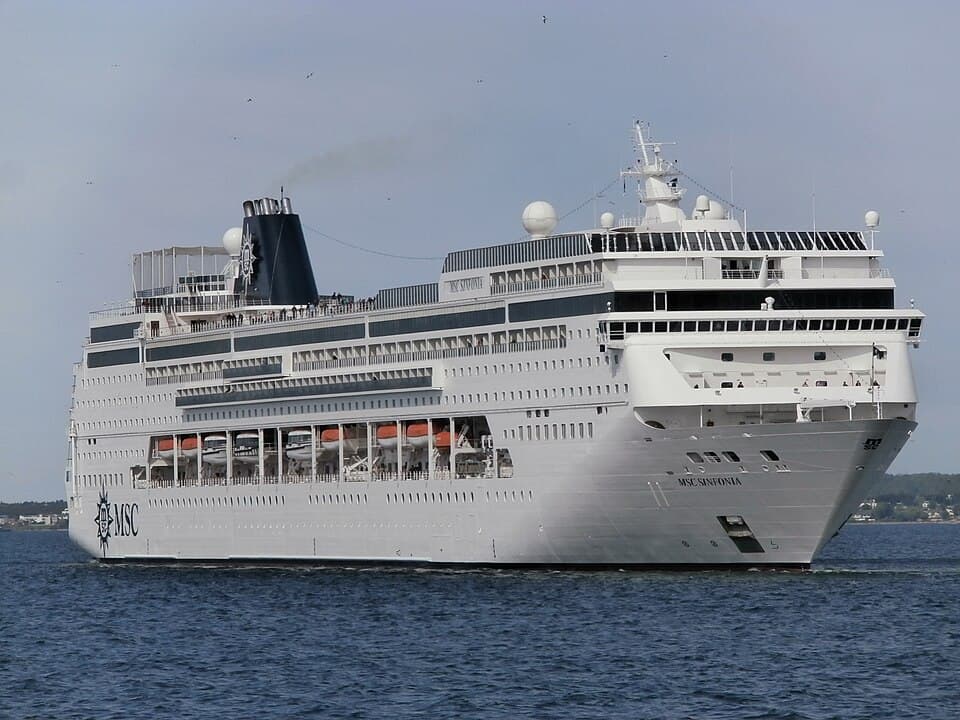
The Mediterranean is the second most popular cruise destination in the world, and arguably the most diverse. In a single week, you can walk the ancient streets of Rome, swim in the Adriatic off Dubrovnik's city walls, eat fresh pasta in Naples, and watch the sunset over Santorini's caldera. No other cruise region packs so many distinct cultures, cuisines, and landscapes into such a compact geography.
But Mediterranean port days are short (typically 8-12 hours) and the distance between the cruise terminal and the actual attractions can be significant. Knowing what to prioritize, how to get around, and what to skip is the difference between a great port day and a frustrating one.

EPICKA Universal Travel Adapter
- Works in 150+ countries with US/EU/UK/AU plug types
- Built-in USB-A and USB-C ports
Mediterranean and Asian itineraries need different plugs at every port, this one adapter covers them all
View on Amazon
G4Free Lightweight Packable Daypack
- Folds into its own pocket for zero suitcase space
- 20L capacity fits water, snacks, camera, and sunscreen
Packs flat in your suitcase, expands into a full daypack for excursions
View on Amazon
Ultra Lightweight Packable Backpack
- Ultra-lightweight design weighs just a few ounces
- Folds into a compact pouch
At just a few ounces, there is zero excuse not to bring a daypack
View on AmazonThis guide covers the 15 best Mediterranean cruise ports with practical, specific advice for each: what to see, how to get from the port to the city, what to eat, and how much time you realistically need.
Planning a Mediterranean cruise? Browse current Mediterranean cruise deals on Cruisebound, see live pricing on Western and Eastern Med itineraries before reading the guide below.
1. Barcelona, Spain
Time needed: A full day minimum. If your ship overnights here, even better.
Getting to the city: The cruise terminal is at the bottom of La Rambla. You can walk to the Gothic Quarter in 15-20 minutes, or take the port shuttle bus (typically 3-5 euros) to the Columbus Monument at the foot of La Rambla.
Must-do activities:
La Sagrada Familia: Gaudi's unfinished basilica is the single must-see attraction. Book tickets online weeks in advance. Walk-up tickets are rarely available, and cruise excursion prices are double what you would pay booking directly. Entry is about 26 euros with tower access.
Gothic Quarter (Barri Gotic): Wander the medieval streets, visit the Barcelona Cathedral (free entry to the main nave), and browse the small shops and tapas bars.
Park Guell: Another Gaudi masterpiece with mosaic-covered terraces overlooking the city. The monumental zone requires timed tickets (about 10 euros).
La Boqueria Market: A massive food market on La Rambla with fresh fruit, jamón ibérico, seafood, and juice stalls. Go before 11:00 AM to avoid peak crowds.
Local food to try: Pa amb tomàquet (bread rubbed with tomato and olive oil), patatas bravas, fresh seafood paella (avoid tourist-trap restaurants on La Rambla itself; go one block inland), and cava (Catalan sparkling wine).
Free attractions: Walking La Rambla, the Gothic Quarter, the waterfront promenade, and the exterior of La Sagrada Familia (stunning from outside). The beach at Barceloneta is a 20-minute walk from the port.
2. Rome (Civitavecchia), Italy
Time needed: Full day, and you will still only scratch the surface.
Getting to the city: Civitavecchia is 80 km (50 miles) from Rome. This is the single biggest logistical challenge of any major Mediterranean port. Options: train from Civitavecchia station (1 hour 15 minutes, about 5-8 euros each way, runs every 30-60 minutes), or organized excursion (ship or private). A private car/driver costs 120-180 euros for a group of 4 round-trip. Do not take a taxi. The cost is prohibitive.
Must-do activities:

HEETA 20L Waterproof Dry Bag
- Roll-top 20L dry bag keeps everything waterproof for snorkeling, kayaking, and beach excursions
- Shoulder strap for easy carrying
Essential for water excursions, protects electronics and dry clothes on the boat
View on AmazonColosseum and Roman Forum: Book combined tickets online in advance (16-22 euros). The line for walk-up tickets can exceed 2 hours. Allow 2-3 hours total.
Vatican Museums and Sistine Chapel: Absolutely requires advance booking. Entry is 17 euros online, and skip-the-line access is essential on cruise port days. Allow 3-4 hours for the museums and St. Peter's Basilica.
Trevi Fountain and Pantheon: Both are free and within walking distance of each other in Rome's historic center. The Pantheon is one of the best-preserved Roman buildings in existence.
Local food to try: Cacio e pepe (pecorino and black pepper pasta), supplì (fried rice balls), Roman-style pizza al taglio (pizza by the slice, sold by weight), and gelato from a shop that makes it fresh (look for covered metal containers, not piled-high colorful displays).
Critical warning: Watch your return time carefully. The train back to Civitavecchia takes over an hour, and missing the ship from Rome is one of the most common cruise nightmares. Set an alarm for your departure time and add a 30-minute buffer.
3. Santorini, Greece
Time needed: 6-8 hours is sufficient for the highlights.
Getting to the city: Ships anchor in the caldera and tender passengers to the old port. From there, you can take the cable car (6 euros, 3 minutes), walk up 587 steps (20-30 minutes), or ride a donkey (strongly discouraged for animal welfare reasons). The cable car line can be 30-45 minutes long. Get an early tender.
Must-do activities:
Oia: The iconic blue-domed churches and white buildings. Take a bus from Fira (about 2 euros, 20 minutes) or a taxi (15-20 euros). Walk the narrow streets, browse the galleries, and find the spot you have seen in every photograph.
Fira to Oia hike: A stunning 10 km (6 mile) cliffside trail with caldera views the entire way. Takes 3-5 hours depending on pace and stops. Best done Fira to Oia (mostly downhill at the end).
Red Beach: A dramatic volcanic beach near Akrotiri. Accessible by bus or taxi.
Wine tasting: Santorini produces excellent Assyrtiko white wine. Santo Wines Winery has caldera views; Venetsanos Winery is less crowded.
Local food to try: Tomatokeftedes (tomato fritters), fava (split pea puree), fresh grilled octopus, and the local Vinsanto dessert wine.
Free attractions: Walking Fira and Oia is free and is the main attraction. The views from the caldera rim are world-class.
4. Dubrovnik, Croatia
Time needed: 6-8 hours covers the Old Town thoroughly.
Getting to the city: The cruise port at Gruz is about 3 km from the Old Town. A taxi costs 10-15 euros, or you can take local bus routes 1A or 1B for about 2 euros. Some ships anchor and tender directly to the Old Town harbor.
Must-do activities:
Walk the City Walls: The complete circuit is 2 km and takes 1.5-2 hours. Entry is about 35 euros (it has increased significantly ). Go early morning to beat the heat and crowds.
Stradun (main street): The marble-paved main street of the Old Town, lined with cafes, churches, and fountains.
Fort Lovrijenac: Often called "Dubrovnik's Gibraltar," this fortress offers spectacular views of the city walls and Adriatic. Game of Thrones fans will recognize it as the Red Keep.
Kayaking: Sea kayaking around the Old Town walls and to Lokrum Island is one of the best activities in any Mediterranean port. Half-day tours run about 40-50 euros.
Local food to try: Black risotto (crni rizot, made with cuttlefish ink), fresh oysters from Ston (30 minutes north), peka (meat or seafood slow-cooked under a bell-shaped lid), and Dubrovnik's signature orange liqueur.
Free attractions: Walking the Stradun and exploring the Old Town alleyways and churches costs nothing. The views from the eastern gate (Ploce) are exceptional.
5. Venice, Italy
Time needed: A full day, ideally with an overnight stay if your ship offers one.
Getting to the city: This depends entirely on whether your ship docks at the main cruise terminal or the industrial port at Marghera (which has become more common as Venice restricts large ships from the Giudecca Canal). From Marghera, a shuttle or water taxi to St. Mark's Square takes 25-40 minutes. From the main terminal, it is a short vaporetto (water bus) ride.
Must-do activities:
St. Mark's Square and Basilica: The basilica is free to enter (but there is a line). The Campanile bell tower (10 euros) offers the best view in Venice.
Doge's Palace: Venice's political and judicial heart for 700 years. Tickets are about 25 euros. The Bridge of Sighs connects the palace to the prison.
Rialto Bridge and Market: The oldest bridge across the Grand Canal, surrounded by a fish and produce market that operates every morning except Sunday.
Gondola ride: Touristy and expensive (80 euros for 30 minutes, up to 6 passengers), but undeniably romantic. Split the cost with another couple.
Get lost on purpose: Venice's greatest pleasure is wandering without a map through the narrow calli and discovering a quiet square with a neighborhood osteria.
Local food to try: Cicchetti (Venetian tapas, small bites at bacari wine bars), sarde in saor (sweet and sour sardines), risotto al nero di seppia (squid ink risotto), and a Bellini at Harry's Bar (where it was invented, though at tourist prices).
Free attractions: Wandering Venice is free and is the best activity. St. Mark's Basilica exterior, the Rialto area, and countless neighborhood churches are all free.
6. Mykonos, Greece
Time needed: 5-7 hours is sufficient.
Getting to the city: Ships tender to the old port, which is right in Mykonos Town (Chora). You can start exploring immediately upon stepping off the tender.
Must-do activities:
Little Venice: Colorful houses built right on the water's edge with waves lapping at the foundations. Best visited in the late afternoon for golden light.
The Windmills: Mykonos's most photographed landmark, a row of 16th-century windmills on a hill above Little Venice.
Beach day: Paradise Beach and Super Paradise Beach are the party beaches. Ornos Beach is calmer and more family-friendly. Water taxis and buses connect the port to all major beaches.
Delos day trip: The uninhabited island of Delos, a UNESCO World Heritage Site and the mythological birthplace of Apollo, is a 30-minute boat ride from Mykonos. Ferries run regularly, and the archaeological site is remarkable. Budget 3-4 hours for the round trip and visit.
Local food to try: Louza (cured pork with spices), kopanisti (peppery soft cheese), fresh seafood at a waterfront taverna, and Mykonos-made gelato.
Free attractions: Walking Mykonos Town, browsing the shops, photographing the windmills and Little Venice, and swimming at public beaches are all free.
7. Naples, Italy
Time needed: Full day. Naples itself deserves 4-5 hours, but Pompeii or the Amalfi Coast require a full-day commitment.
Getting to the city: The cruise terminal is within walking distance (10-15 minutes) of the historic center. No shuttle needed.
Must-do activities:
Pompeii: A 35-minute train ride on the Circumvesuviana (about 4 euros each way). The ancient city buried by Vesuvius in 79 AD is one of the most important archaeological sites in the world. Allow 3-4 hours minimum. Entry is about 18 euros.
Naples historic center (Spaccanapoli): The narrow street that "splits" the old city in two, lined with churches, street food stalls, and Neapolitan life in its most authentic form.
National Archaeological Museum: Houses the finest collection of Roman artifacts in existence, including mosaics and frescoes from Pompeii and Herculaneum. About 18 euros entry.
Amalfi Coast (ambitious but possible): Sorrento is reachable by Circumvesuviana train (70 minutes). From Sorrento, buses run to Positano and Amalfi. This is a long day but doable if you start early.
Local food to try: Naples is the birthplace of pizza. Eat Neapolitan pizza margherita at a local pizzeria (not a tourist restaurant near the port). Sfogliatella (shell-shaped pastry with ricotta filling), fried pizza (pizza fritta), and espresso (Naples claims the best in Italy).
Free attractions: Walking Spaccanapoli, visiting churches (Naples has hundreds of free-entry churches, many with remarkable art), and the waterfront promenade along Via Caracciolo.
8. Marseille, France
Time needed: 6-8 hours for Marseille proper, or a full day if visiting Provence.
Getting to the city: The cruise terminal is near the Old Port (Vieux-Port). Walking to the center takes 15-20 minutes, or a free shuttle runs to the Joliette area.
Must-do activities:
Vieux-Port: The heart of Marseille. Watch fishermen sell the morning catch, browse the daily fish market, and take in the harbor atmosphere.
Notre-Dame de la Garde: Marseille's iconic hilltop basilica with panoramic views of the city, harbor, and Mediterranean. Take bus 60 or walk (steep but rewarding). Free entry.
Le Panier: Marseille's oldest neighborhood, a maze of colorful streets with street art, artisan shops, and cafes.
Calanques (if time allows): Spectacular limestone fjord-like inlets south of the city. Accessible by boat tour (about 25-30 euros) or hiking.
Local food to try: Bouillabaisse (the definitive fish stew, invented here; expect to pay 40-60 euros per person at a proper restaurant), navettes (orange blossom cookies), panisse (chickpea fries), and pastis (anise-flavored aperitif).
Free attractions: Vieux-Port, Le Panier, the coastal walk along Corniche Kennedy, and Notre-Dame de la Garde.
9. Split, Croatia
Time needed: 5-7 hours covers the essential sights.
Getting to the city: The cruise port is adjacent to Diocletian's Palace and the Old Town. You can be exploring within 5 minutes of stepping off the ship.
Must-do activities:
Diocletian's Palace: A 1,700-year-old Roman palace that forms the core of Split's Old Town. People still live and work inside the palace walls. The basement halls are well-preserved and cost about 8 euros to enter.
Cathedral of St. Domnius: Built within the walls of the palace, incorporating the emperor's mausoleum. Climb the bell tower for aerial views of the city.
Riva waterfront promenade: Split's social hub, lined with cafes and palm trees along the harbor.
Marjan Hill: A 20-minute walk from the Old Town leads to this forested peninsula with hiking trails and panoramic viewpoints.
Local food to try: Peka (slow-roasted meat or octopus under a dome), fresh Adriatic fish grilled whole, burek (flaky pastry with cheese or meat), and local Croatian wine.
Free attractions: Diocletian's Palace exterior and courtyards, the Riva, Marjan Hill, and the fish market.
10. Kotor, Montenegro
Time needed: 5-7 hours is ample.
Getting to the city: Ships dock right in front of the Old Town walls. The walk is under 5 minutes. This is one of the most convenient port-to-city transitions in the Mediterranean.
Must-do activities:
Climb to the Fortress of St. John: 1,350 steps zigzagging up the mountain behind the Old Town. The view from the top (the bay, the Old Town rooftops, the surrounding mountains) is one of the best in the Mediterranean. Budget 1-1.5 hours. Bring water. Entry is about 8 euros.
Old Town exploration: A compact, well-preserved medieval town with squares, churches, and cat-filled alleyways. The Clock Tower and Cathedral of St. Tryphon are the main landmarks.
Bay of Kotor boat tour: A boat trip around the fjord-like bay, stopping at the island church of Our Lady of the Rocks. About 15-25 euros.
Local food to try: Njeguski steak (stuffed with prosciutto and cheese), grilled squid, Montenegrin prosciutto, and local Vranac red wine.
Free attractions: Walking the Old Town, the waterfront promenade, and exploring the bay area are all free. Only the fortress climb requires a ticket.
11. Valletta, Malta
Time needed: 5-7 hours for Valletta; add time for Mdina if interested.
Getting to the city: The Grand Harbour cruise terminal has an elevator (Barrakka Lift, 1 euro) that takes you directly up to the Upper Barrakka Gardens and the center of Valletta.
Must-do activities:
St. John's Co-Cathedral: One of the finest Baroque churches in Europe, with Caravaggio's largest painting ("The Beheading of Saint John the Baptist"). Entry is about 15 euros.
Upper Barrakka Gardens: Public gardens with panoramic views of the Grand Harbour. The noonday cannon salute is a daily tradition.
Mdina (the Silent City): Malta's former capital, a walled medieval town 20 minutes from Valletta by bus (about 2 euros). Quiet, atmospheric, and far less crowded than Valletta.
Local food to try: Pastizzi (flaky pastry with ricotta or mushy peas, about 50 cents each), rabbit stew (fenkata, Malta's national dish), ftira (Maltese flatbread), and Kinnie (a local bitter orange soft drink).
Free attractions: Upper and Lower Barrakka Gardens, walking Valletta's grid-pattern streets, the exterior of the Grand Master's Palace, and the harbor views.
12. Istanbul, Turkey
Time needed: A full day is essential. Istanbul is vast and its attractions are spread across two continents.
Getting to the city: Ships dock at Galataport or the older Karakoy terminal, both within walking distance of the Galata Bridge and a tram ride from Sultanahmet (the Old City).
Must-do activities:
Hagia Sophia: The 1,500-year-old architectural masterpiece that has served as a church, mosque, museum, and mosque again. Free entry (but lines can be long; go early).
Blue Mosque (Sultan Ahmed Mosque): Directly across from Hagia Sophia. Free entry; modest dress required (coverings provided at the entrance). Closed during prayer times.
Grand Bazaar: One of the oldest and largest covered markets in the world, with over 4,000 shops. Prepare to haggle, and keep your wallet secure.
Topkapi Palace: The residence of Ottoman sultans for 400 years, with stunning tile work, the imperial treasury, and Bosphorus views. Entry is about 25 euros; the Harem section is an additional 15 euros.
Bosphorus ferry: A public ferry ride up the Bosphorus costs about 3 euros and offers views of palaces, mosques, and the meeting point of Europe and Asia.
Local food to try: Simit (sesame bread ring), kebabs (doner, Adana, iskender), baklava from Karakoy Gulluoglu, Turkish breakfast (menemen, cheese, olives, bread), and Turkish tea (served in tulip-shaped glasses).
Free attractions: Hagia Sophia, the Blue Mosque, walking the Sultanahmet district, the Spice Bazaar (free to enter), and the Galata Bridge.
13. Corfu, Greece
Time needed: 5-6 hours for Corfu Town; a full day for beach and countryside exploration.
Getting to the city: The cruise terminal is about 2 km from Corfu Town. A shuttle or taxi (5-8 euros) gets you there in minutes.
Must-do activities:
Corfu Old Town (UNESCO World Heritage): Venetian architecture, narrow kantoúnia (alleyways), the Liston arcade (modeled after the Rue de Rivoli in Paris), and the Old Fortress.
Achilleion Palace: Empress Sisi of Austria's neoclassical summer palace, about 10 km south of town. A taxi costs 15-20 euros each way. Entry is about 10 euros.
Paleokastritsa: A stunning bay on the west coast with crystal-clear water, a hilltop monastery, and boat trips to hidden caves. About 25 km from the port; reachable by bus (about 5 euros) or taxi (30-40 euros).
Local food to try: Sofrito (veal in white wine and garlic sauce), pastitsada (rooster in tomato sauce with pasta), kumquat liqueur (Corfu is famous for its kumquat orchards), and loukoumades (honey-drenched dough balls).
Free attractions: Walking Corfu Old Town, the Esplanade (one of the largest squares in Greece), and swimming at public beaches.
14. Palma de Mallorca, Spain
Time needed: 6-8 hours covers the city well; add time for beach visits.
Getting to the city: The cruise terminal is about 4 km from the city center. A shuttle bus or taxi (10-12 euros) takes 10-15 minutes.
Must-do activities:
Palma Cathedral (La Seu): A stunning Gothic cathedral on the waterfront, with interior features designed by Antoni Gaudi and contemporary artist Miquel Barcelo. Entry is about 9 euros.
Bellver Castle: A unique circular Gothic castle on a hill above the city with panoramic views of Palma Bay. Entry is about 4 euros; free on Sundays.
Old Town: Narrow streets, hidden courtyards with Moorish-influenced architecture, and excellent tapas bars and cafes.
Beach time: Playa de Palma is a long sandy beach accessible by bus from the city center (about 20 minutes).
Local food to try: Ensaimada (spiral-shaped sweet pastry), tumbet (layered vegetable dish with potato, eggplant, and peppers), pa amb oli (bread with olive oil and tomato, similar to Catalan pa amb tomàquet), and a glass of local Mallorcan wine.
Free attractions: Walking the Old Town, the waterfront promenade (Paseo Marítimo), Palma's food market (Mercat de l'Olivar), and the cathedral exterior.
15. Athens (Piraeus), Greece
Time needed: Full day for Athens; 5-6 hours if focusing only on the Acropolis area.
Getting to the city: Piraeus is about 10 km from central Athens. The metro (Line 1, about 1.20 euros) takes 25 minutes to Monastiraki station, which is at the foot of the Acropolis. Taxis cost 20-30 euros.
Must-do activities:
The Acropolis: The Parthenon, the Erechtheion, and the Temple of Athena Nike are essential viewing. Entry is 20 euros for the combined ticket (valid for 5 days and includes the Ancient Agora, Roman Agora, and other sites). Go early to beat the heat and the tour groups.
Acropolis Museum: A modern, world-class museum at the base of the Acropolis with artifacts from the site. Entry is about 15 euros.
Plaka neighborhood: The oldest neighborhood in Athens, directly below the Acropolis, with tavernas, shops, and neoclassical architecture.
Monastiraki Flea Market: A lively market area with antiques, souvenirs, and street food. The Sunday flea market is the most extensive.
Local food to try: Souvlaki (grilled meat skewers wrapped in pita with tzatziki), spanakopita (spinach pie in phyllo), fresh Greek salad with feta, moussaka, and Greek coffee.
Free attractions: Walking the Plaka, Monastiraki Square, Syntagma Square (watch the changing of the guard at the Parliament building on the hour), and the Ancient Agora of Athens (included in the Acropolis combined ticket).
Planning Tips for Mediterranean Port Days
Book timed-entry tickets online before the cruise. The Colosseum, Vatican Museums, La Sagrada Familia, and the Acropolis all have massive walk-up lines. Buy tickets weeks in advance.
Carry euros and local currency. Most Mediterranean ports use euros, but Turkey uses lira and Croatia still prices many things in kuna-era habits. Card payment is widely accepted in Western Mediterranean ports but less reliable in the Eastern Mediterranean.
Start early. If your ship arrives at 7:00 AM, be among the first off. The difference between arriving at an attraction at 8:30 AM versus 10:30 AM is dramatic in terms of crowds.
Eat away from the port. Restaurants within sight of the cruise terminal charge premium prices. Walk 10-15 minutes into the actual city for better food at lower prices.
Set a firm return time. Mediterranean ports often have strict all-aboard times, and the ship will leave without you. Set an alarm with a 30-minute buffer.
Browse our port guides for more detailed information on specific destinations, or track Mediterranean cruise ships in real time on our live map.

Water Shoes Quick Dry
- Quick-dry shoes for beach, snorkeling, and rocky shore walks
- Protective sole guards against coral and sharp rocks
Rocky Caribbean beaches and coral cuts are no joke, water shoes are a must
View on Amazon