Caribbean shore excursions are almost always about heat, sun, and water, whether that's a beach day, a snorkel trip, or a walking tour through a port town. The packing list is short compared to other regions, but getting sun protection and water gear right matters more here because a bad choice ruins the rest of the day fast.
Sun protection is the priority, not an afterthought
Caribbean sun at midday is intense enough to burn exposed skin within twenty to thirty minutes for many skin types, and reapplication matters more than the initial application. Coral Isles Reef-Safe Sunscreen SPF 30 works for both beach days and snorkeling, since reef-safe formulas are required or recommended at many marine park destinations regardless of your personal preference. Our best Caribbean cruise ports guide flags which stops enforce reef-safe rules.

Coral Isles Reef-Safe Sunscreen SPF 30
- Reef-safe formula required by many Caribbean and Hawaiian ports
- SPF 30 mineral protection without oxybenzone or octinoxate
Many cruise ports now require reef-safe sunscreen, non-compliant bottles get confiscated
View on AmazonA hat does what sunscreen alone can't
Scalp and part-line sunburn is common on Caribbean excursions specifically because people focus reapplication on their body and forget their head. A Wide Brim Sun Hat UPF 50+ blocks direct sun from your face, neck, and scalp without needing constant reapplication, and it packs flat for the trip.

Wide Brim Sun Hat UPF 50+
- Wide brim provides full face and neck shade
- UPF 50+ rated fabric blocks 98% of UV rays
A hat with UPF-rated fabric provides way more protection than a baseball cap
View on AmazonSnorkel gear you actually know how to use
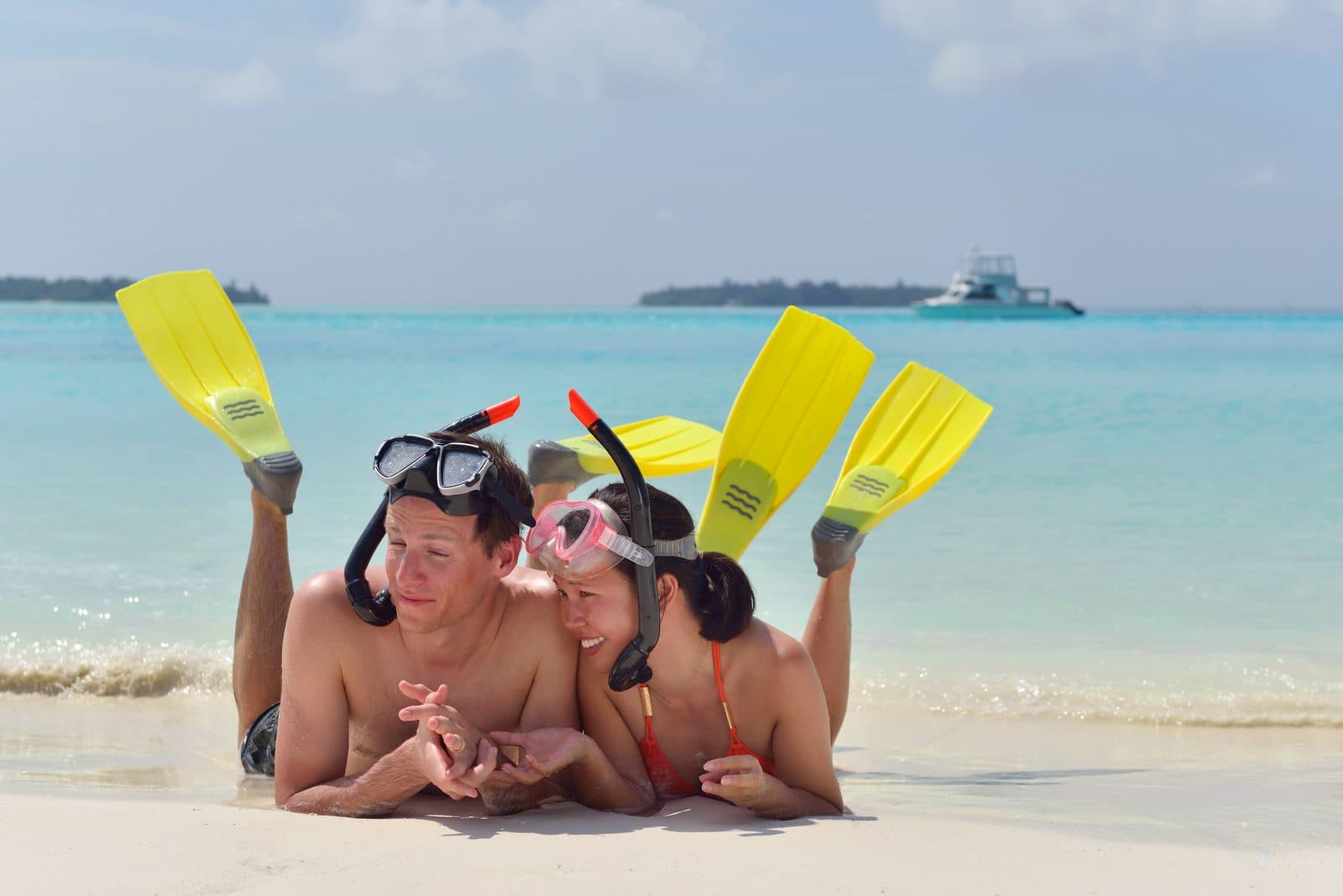
Rental snorkel gear at port is convenient but often poorly maintained and one-size-fits-most, which means leaks and fogging on a trip you may have paid extra for. A ZEEPORTE Mask Fin Snorkel Set you've tried on before the excursion removes the "does this mask actually seal" problem on the day it matters.

ZEEPORTE Mask Fin Snorkel Set
- Full mask, snorkel, and fins set ready for Caribbean excursions
- Anti-fog tempered glass lens
Renting snorkel gear at ports costs $20-40 per stop, owning your own set pays for itself in one cruise
View on AmazonWater shoes for reef walks and rocky entries
Caribbean beach and reef excursions frequently involve walking over coral rubble, rocky entry points, or hot sand between the boat and the water. Water Shoes Quick Dry protect your feet on entry and exit without needing to carry separate sandals for the walk.

Water Shoes Quick Dry
- Quick-dry shoes for beach, snorkeling, and rocky shore walks
- Protective sole guards against coral and sharp rocks
Rocky Caribbean beaches and coral cuts are no joke, water shoes are a must
View on AmazonProtect your phone at the beach and on the boat
Salt water and sand are hard on phones specifically, and a Caribbean excursion usually means you want photos of the actual water. A Case-Mate Marine IP68 Waterproof Phone Case lets you keep the phone accessible through a beach day or boat excursion without the constant risk calculation of taking it out for photos.

Case-Mate Marine IP68 Waterproof Phone Case
- Full touchscreen access while sealed
- Military-grade drop protection plus IP68 waterproofing
A beach bag built for the conditions
Wet swimsuits, sandy towels, and sunscreen bottles all end up in the same bag on a Caribbean excursion. A Large Waterproof Sandproof Beach Bag keeps everything contained and easy to rinse off before it goes back into your cabin, rather than tracking sand through the ship on the way back.

Large Waterproof Sandproof Beach Bag
- Oversized bag fits towels, a change of clothes, and all your beach gear
- Sandproof mesh bottom
When the whole family shares one beach bag, you need the oversized version
View on AmazonHydration matters more in this heat than people expect
Humidity in the Caribbean makes heat feel more intense than the actual temperature suggests, and dehydration sneaks up faster on an active excursion day. Bring a reusable water bottle and refill it before you leave the ship, since port-side water access isn't guaranteed at every excursion stop.
What your gear needs to survive, by excursion type
A catamaran sail-and-snorkel combo is one of the more demanding excursion types for gear, since it puts everything through spray on the open deck for the sailing portion, then full water exposure during the snorkel stop. Pack sunscreen, a phone case, and any electronics in a single zip-closed bag you can hand off or stow securely rather than juggling loose items on a moving boat.
A beach break with lounge chairs and calm water is the gentlest scenario on this list, and it's the one case where you can reasonably skip the more rugged gear, a full dry bag or heavy-duty water shoes, in favor of a simple beach bag and sandals. Save the more protective gear for excursions that actually involve rough water or reef walking.
A walking food or history tour through a port town like Old San Juan or Willemstad puts more demand on footwear and hydration than water gear, since you're on your feet on hot pavement for extended stretches without the beach's shade and breeze. Comfortable, broken-in walking shoes matter more here than water shoes, and a water bottle matters more than sunscreen reapplication frequency.
A zip-line or rainforest excursion, offered at ports like Labadee or Roatan, adds a harness and movement element that a simple beach bag doesn't account for. Keep phones and valuables in a zippered pocket rather than a loose bag for this excursion type specifically, since operators often require hands-free gear for safety during the actual activity.
A tender-boat beach stop, common at private islands and smaller ports, adds a wet-landing risk on top of the standard beach-day gear list. Waterproof your beach bag's base specifically for this scenario, since bags frequently get set down on a wet tender floor or handed between hands during boarding before you've even reached the sand.
Common mistakes on Caribbean shore excursions
The most common mistake is applying sunscreen once in the morning and assuming it lasts the whole excursion, when in reality swimming, sweating, and toweling off all strip sunscreen faster than the label's stated water-resistance time suggests. Reapply every couple of hours regardless of the product's advertised duration, and always reapply immediately after swimming.
Forgetting reef-safe sunscreen requirements at specific marine parks or snorkel excursion operators is a mistake that can result in the excursion operator confiscating non-compliant sunscreen at the dock. Check the specific destination's rules in advance, since regulations vary by port and aren't always the same across different Caribbean stops on the same itinerary.
Bringing valuables, extra cash, or a passport to a casual beach excursion is a common oversight that increases risk for no real benefit, since most beach and snorkel excursions don't require identification once you're off the ship. Leave anything not needed for that specific day in the cabin safe, and carry only what the excursion actually requires.
Wearing new, untested water shoes or snorkel gear for the first time on the actual excursion day leads to blisters or a poorly-fitting mask discovered too late to fix. Break in water shoes and test a snorkel mask's seal at home before the trip, so the first real use isn't also the first time you find out something doesn't fit well.
Not accounting for the walk between the tender or dock and the actual beach or excursion meeting point is a frequent miscalculation, since some port stops involve a longer, hotter walk than expected before you even reach water or shade. Check the specific port's layout in advance and pack water and sun protection as if the walk itself is part of the excursion, not just the destination.
Common questions
What sunscreen is required for Caribbean reef excursions?
Many marine parks and snorkel excursion operators in the Caribbean require or strongly recommend reef-safe, mineral-based sunscreen without oxybenzone or octinoxate. Check the specific excursion operator's policy before your trip, since enforcement and requirements vary by destination.
Should I bring my own snorkel gear or rent at the port?
Bringing your own ensures fit and maintenance quality you can trust, especially for a mask seal, which matters for comfort and safety. Rental gear is more convenient for a one-time or casual snorkel stop and avoids the extra packing space.
What footwear works best for Caribbean shore excursions?
Quick-dry water shoes handle beach entries, reef walks, and wet boat decks better than sandals or sneakers, and they dry fast enough to be usable again the same day if your itinerary includes back-to-back activities.
Do I need different gear for a private island stop versus a regular port?
Private island and tender-boat beach stops carry more wet-landing risk than a dock-side port, so prioritize a waterproof beach bag base and secure phone protection for those specific stops. A regular pier-side port with a short walk to town is gentler on gear overall.
What should I skip bringing on a Caribbean beach excursion?
Skip valuables like a passport, extra cash beyond what you'll spend, or expensive jewelry, since most beach and snorkel excursions don't require identification and the risk of loss or theft outweighs any benefit of bringing them along.
Pack sun protection first, water gear second, and a sandproof bag to keep the two from mixing into a mess by the end of the day. It's a short list, but it's the list that actually determines whether a Caribbean excursion feels relaxing or miserable. Browse Caribbean cruises and check specific ports for reef and beach conditions before booking excursions.