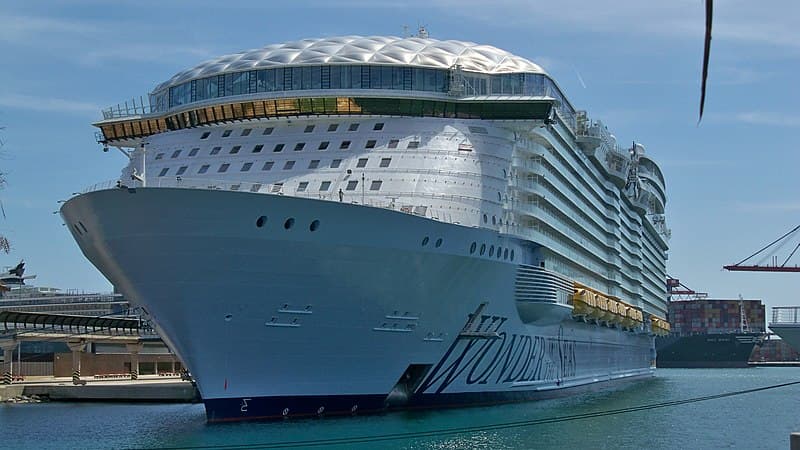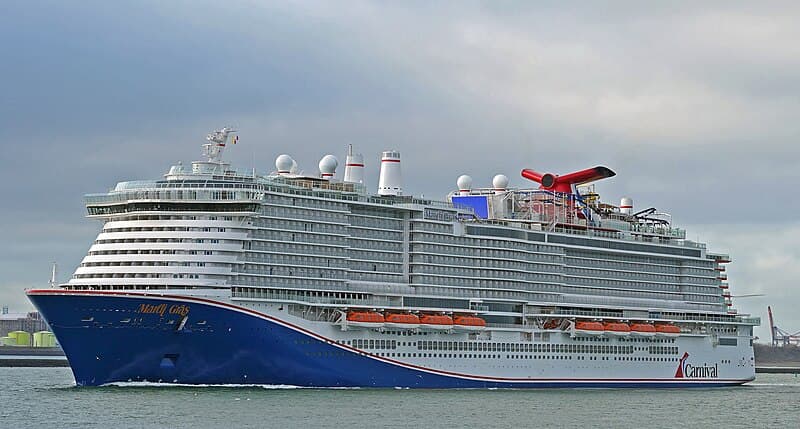
The Caribbean is the world's most cruised region for good reason. You can cover six countries in a week, snorkel a coral reef on Tuesday, and eat jerk chicken on a beach in Jamaica by Thursday. But not every port delivers equally. Some are best explored on foot; others are pure launching pads for excursions. A few will genuinely stop you mid-sentence with their beauty. You can track cruise ships arriving at these ports live.
What Our Live Tracking Data Shows
CruiseShipTracking monitors 400+ cruise ships via live AIS. Over the past 90 days in our tracking data, Cozumel was the busiest Caribbean port. 83 logged cruise calls from 41 different ships, with Royal Caribbean and Carnival together making up about 63% of arrivals (Tuesday is its busiest day). At Nassau, Royal Caribbean led with roughly 37% of the calls we tracked, and Saturdays saw the most arrivals. Charlotte Amalie on St. Thomas peaked midweek, busiest on Thursdays. You can track these ports live on our map.
After years of cruising the region and cataloguing what makes each stop worthwhile, here are the 15 ports we'd return to. Ranked not by fame but by actual quality of experience.

Hiearcool Waterproof Phone Pouch 2-Pack
- IPX8-rated waterproof phone pouches that float
- Full touchscreen access through clear window
Pool deck, snorkeling, rain on excursions, your phone needs waterproofing
View on Amazon
Beach Towel Clips 8-Pack
- Eight clips keep your towel on the lounge chair in the sea breeze
- Also works for securing towels on cruise ship railings
Wind on the pool deck constantly blows towels off chairs, clips end the frustration
View on Amazon
Water Shoes Quick Dry
- Quick-dry shoes for beach, snorkeling, and rocky shore walks
- Protective sole guards against coral and sharp rocks
Rocky Caribbean beaches and coral cuts are no joke, water shoes are a must
View on Amazon
Unigear Waterproof Dry Bag with Whistle
- Waterproof dry bag with included emergency whistle
- Multiple size options
The included whistle adds a safety element for open-water excursions
View on AmazonBrowse our full Caribbean port database for schedules, ship visits, and real-time tracking data.
Ready to book a Caribbean cruise? Browse current Caribbean cruise deals on Cruisebound. See live pricing on every major line sailing the Eastern, Western, and Southern Caribbean.
1. Cozumel, Mexico
Cozumel is the most-visited cruise port in the Western Hemisphere, and the volume of traffic hasn't ruined it because the main attraction sits underwater. The island sits beside the Mesoamerican Barrier Reef, the second-largest coral reef system on the planet. The water is bath-warm, gin-clear, and teeming with marine life year-round.
What makes it special: You don't need to go far. The reef begins just minutes offshore, and even a basic snorkeling trip from the beach delivers sea turtles, eagle rays, and coral formations that match anywhere in the Caribbean. Certified divers can access the famous Santa Rosa Wall, a sheer reef face that drops hundreds of meters into the deep.
Best shore excursions: A guided snorkel tour to the Marine National Park runs $40-60 per person and gives you 90 minutes on the reef with equipment included. If you're a diver, the two-tank dive packages from shops near the International Pier are excellent value at $80-100. For non-swimmers, the Mayan ruins of San Gervasio on the island offer a low-key archaeological alternative.
Best time to visit: November through April. Water visibility peaks in winter and the humidity is manageable. Summer months are hotter and stormier.
Insider tip: The cruise pier areas on the south side of the island are tourist-heavy and overpriced. Take a $3 taxi north to the small town of San Miguel for better restaurants, cheaper shopping, and a more authentic feel.
2. St. Lucia (Castries)
St. Lucia is the Caribbean port that earns the most genuine gasps on arrival. Sailing past the twin volcanic peaks of the Pitons, rising nearly 800 meters straight from the sea, into the sheltered harbor at Castries is one of the great cruise arrivals anywhere in the world. The island rewards passengers who leave the pier: the interior is lush, dramatically mountainous, and mostly uncrowded.
What makes it special: It's tropical rainforest, volcanic scenery, and warm Caribbean culture all compressed into a single island. The Pitons are a UNESCO World Heritage Site and genuinely as impressive up close as they look from the water.
Best shore excursions: The Soufrière day trip by boat is the gold standard. Sailing down the west coast past the Pitons to the drive-in volcano (you can literally drive your car up to the sulphur vents) and the Diamond Botanical Gardens. A full day runs $100-130 per person but covers more scenery than most Caribbean ports serve up in a week. For something faster, the aerial tram through the rainforest canopy near Castries takes about 90 minutes.
Best time to visit: January through April. St. Lucia's lush landscape means it gets real rainfall any time of year, but the dry season keeps things sunnier and the seas calmer for the coastal boat rides.
Insider tip: The Soufrière mud baths are on every tour, but they're crowded and honestly not the highlight. If your guide offers to skip them in favor of more time at the Pitons or the botanical gardens, take that trade.
3. Grand Cayman
Grand Cayman is a tender port, your ship anchors offshore and ferries you in by launch, but the process is efficient and the reward is Stingray City, one of the most extraordinary wildlife encounters in the Caribbean. The island is also one of the cleanest, most organized port experiences in the region: the Georgetown waterfront is walkable, the beaches are stunning, and the diving is world-class.
What makes it special: Stingray City. In a shallow sandbar in the North Sound, dozens of southern stingrays have been gathering since the 1980s when local fishermen cleaned their catch here. You can stand in chest-deep water while rays the size of dinner tables glide past your legs, eat squid out of your hand, and occasionally give you an unexpected full-body nudge.
Best shore excursions: The Stingray City boat trip is non-negotiable. Most half-day tours combine it with snorkeling at Coral Gardens and run $45-65 per person. Seven Mile Beach is walkable from the tender dock and free. It's routinely ranked among the Caribbean's best beaches.
Best time to visit: November through April. Grand Cayman is south of the main hurricane belt and enjoys generally stable weather, but peak season is drier and the sea conditions for tendering are more predictable.
Insider tip: The Stingray City sandbar gets crowded mid-morning when multiple tour groups arrive simultaneously. Book the first departure of the day, usually 8:00 or 8:30 a.m., for a significantly quieter experience.
View Grand Cayman port details
4. Nassau, Bahamas
Nassau is one of the most debated ports in the Caribbean. Some passengers love the vibrant, chaotic energy of Bay Street and the colorful colonial architecture, while others find it underwhelming compared to more exotic stops. What tips it into our top five is the sheer range of options: world-class beaches, a compelling historic district, strong local food culture, and easy access to Atlantis's waterpark complex if you want a structured beach day.
What makes it special: The contrast. You can spend a morning in the 17th-century Fort Charlotte looking out over the harbor, eat a Bahamian conch salad from a street vendor at noon, and be on a deserted pink-sand beach by early afternoon. Few ports toggle between history and relaxation this easily.
Best shore excursions: The Atlantis day pass gives you access to the Aquaventure waterpark and beaches for around $130-170 per adult. Worth it if you're traveling with older kids or teenagers. For a cheaper and more memorable alternative, take the ferry to Paradise Island's quieter beaches, or hire a local guide for a snorkeling trip to the Bahamas' famous underwater caves.
Best time to visit: December through April. Nassau's tropical climate is reliably warm year-round, but the winter months offer the most comfortable temperatures for walking around the historic center.
Insider tip: The straw market on Bay Street is pleasant but pushy. If you want authentic Bahamian crafts, walk two blocks inland to the vendors on Frederick Street for better prices and a less high-pressure experience.
5. St. Maarten / St. Martin
One island, two countries. The Dutch side (St. Maarten) has the cruise pier, the casino district, and Maho Beach. Where aircraft land so close to the fence that jet blast literally blows people off their feet. The French side (Saint-Martin) has the restaurants, the quieter beaches, and a genuinely European atmosphere. Together they make for one of the most varied port days in the Caribbean.
What makes it special: The Maho Beach plane-spotting experience is unlike anything else at a cruise port. The approach path for Princess Juliana International Airport passes about 30 meters above the beach. It's simultaneously terrifying and exhilarating, and the photos are extraordinary.
Best shore excursions: Rent a car for $60-80 and drive the island yourself. The entire French-Dutch border crossing takes about two seconds and requires no paperwork. Grand Case on the French side is the best dining town in the Eastern Caribbean. Orient Bay is a beautiful beach on the French side without the crowds of Maho.
Best time to visit: January through March. St. Maarten was heavily damaged by Hurricane Irma in 2017 and has substantially rebuilt, but the nicest season remains peak winter.
Insider tip: The famous aircraft warning sign at Maho Beach makes the best photo, but the most dramatic viewing angle is from the road above the beach, not at the sand level. The runway fence has been reinforced with new netting since the Irma rebuilding.
6. Roatan, Honduras
Roatan is the Caribbean's best-kept mid-tier secret. It's far cheaper than most island stops, a solid snorkel trip runs $25-35, and the reef quality rivals Cozumel with a fraction of the crowds. The island is long and narrow, lined with excellent dive sites, small beach towns, and ZIP-line courses through the jungle canopy.
What makes it special: Roatan sits on the Mesoamerican Barrier Reef, the same system that runs past Cozumel, but most ports here see far fewer passengers. The reef is in good health, prices are low, and local operators are hungry for your business in the best possible way. They try harder.
Best shore excursions: A two-tank dive through a local shop runs about $65-80 including equipment, excellent value by Caribbean standards. Victor's Monkey and Sloth Sanctuary in French Harbour is a genuinely run conservation facility, not a tourist trap, where you can handle sloths and spider monkeys for a $20 admission. The West Bay Beach area has beautiful sand and calm water accessible by water taxi.
Best time to visit: March through May and September through October. Roatan's Bay Islands have a distinct rainy season from October through January, though cruise visits typically land you in manageable weather.
Insider tip: Avoid the fixed-price "tourist menus" at restaurants near the Mahogany Bay cruise pier. Take the gondola or a $5 taxi up to the West End for dramatically better food and seafood at half the price.
7. Aruba
Aruba sits outside the hurricane belt, which means the weather is almost freakishly reliable: 365 days of sunshine, steady trade winds, and less than 20 inches of rain per year. The island is arid and cactus-covered rather than tropical, which gives it a distinctly un-Caribbean look. But Eagle Beach is legitimately one of the best stretches of sand in the Western Hemisphere.
What makes it special: Predictability. If you've been burned by a washed-out day in St. Lucia or a rainy Barbados visit, Aruba guarantees you sun. Eagle Beach is wide, uncrowded (by Caribbean cruise standards), and backed by low-slung resort hotels rather than high-rises.
Best shore excursions: The Aruba Jeep Safari into Arikok National Park covers volcanic rock formations, remote north-coast beaches, and the island's historic gold mine ruins in about four hours. Most tour companies run $65-85 per person for the full loop. Snorkeling at the wreck of the Antilla, a 120-meter German freighter, is outstanding for beginners.
Best time to visit: Any time. Seriously. Aruba's weather is as consistent as any island destination in the world.
Insider tip: The beach chairs on the Palm Beach strip nearest the pier are expensive and crowded. Walk south toward Eagle Beach, about 15 minutes on foot, for free public beach access and significantly more elbow room.
8. Barbados (Bridgetown)
Barbados punches above its size in almost every category. The food culture is sophisticated, the rum heritage is genuine and celebrated, the cricket culture is enthusiastic, and Bridgetown itself is a UNESCO World Heritage Site with more interesting colonial architecture than almost any Caribbean town. It's also one of the most accessible ports for independent exploration.
What makes it special: The food and the rum. Barbados produces some of the world's finest rum, Mount Gay has been distilling since 1703, and the local "Bajan" cuisine ranges from flying fish cutters (a kind of fried fish sandwich) to elegant restaurants that wouldn't look out of place in London.
Best shore excursions: The Mount Gay Rum Distillery tour in Bridgetown runs about $30 and includes a tasting. The Harrison's Cave crystallized limestone cavern tour is worth doing once. It's genuinely impressive. For beaches, Carlisle Bay has excellent snorkeling right off the main beach, or take a taxi to Bathsheba on the Atlantic side for dramatic wave scenery and the famous soup bowl surf spot.
Best time to visit: January through May. Barbados is one of the more hurricane-resistant Eastern Caribbean islands, but the dry season delivers the most reliable beach weather.
Insider tip: The Oistins Fish Fry runs every Friday evening and is one of the best food experiences in the Caribbean. Grilled mahi-mahi, flying fish, and Carib beer at communal tables. Most cruise ships don't dock late enough for it, but if yours does, don't miss it.
9. St. Thomas, US Virgin Islands
St. Thomas has two things going for it that most Caribbean ports don't: no passport required for American citizens (it's a US territory), and some of the best duty-free shopping in the region. Charlotte Amalie is the most legitimate shopping town at sea. Not tourist tat, but genuine watches, jewelry, electronics, and spirits at significant discounts.
What makes it special: The combination of accessibility (no customs, no exchange rate) and the ferry connection to St. John, one of the most pristine national park islands in the Caribbean. Trunk Bay on St. John is consistently rated among the world's best beaches.
Best shore excursions: Take the Red Hook ferry from St. Thomas to Cruz Bay on St. John ($8 each way), then catch a local taxi to Trunk Bay National Park ($6 admission). You're looking at under $30 round-trip for one of the best beach days in the entire Caribbean. For snorkeling on St. Thomas itself, Coki Beach on the northeast coast is excellent.
Best time to visit: December through April. The US Virgin Islands sit in the hurricane belt and see real storm risk August through October.
Insider tip: Main Street in Charlotte Amalie has become increasingly generic. For better deals on rum and spices, walk uphill into the residential streets above town. Smaller vendors with less foot traffic often have better prices.
10. Curaçao (Willemstad)
Willemstad's waterfront is immediately recognizable from postcards: Dutch colonial townhouses painted in a candy-box spectrum of colors, reflected in the calm waters of Sint Annabaai. It's the most photogenic arrival in the ABC islands and genuinely unique in the Caribbean. You won't find architecture like this anywhere else in the region.
What makes it special: The city is real. Willemstad isn't a tourist construct. It's a functioning capital city of about 150,000 people who happen to live in one of the most visually striking urban environments in the Western Hemisphere. The ship docks close enough that you can walk the Queen Emma Pontoon Bridge into town in five minutes.
Best shore excursions: The Curaçao Liqueur Distillery at the Landhuis Chobolobo (the only authentic producer of genuine blue Curaçao) offers free tours and tastings. The Hato Caves on the north coast are historically significant and worth an hour. For beach days, Cas Abao and Knip Beach on the northwest coast are beautiful and much quieter than the town beaches.
Best time to visit: Curaçao sits south of the hurricane belt. Any time of year works, though January through April is driest.
Insider tip: The famous floating market in Willemstad, where Venezuelan fishing boats moor along the canal and sell produce directly, is more interesting than the souvenir shops and still operating on most weekday mornings.
11. Antigua (St. John's)
Antigua claims 365 beaches, one for every day of the year, and while that's marketing copy, the number isn't far wrong. The island is ringed with beautiful coves and stretches of pale sand, and the historic English Harbour area on the south coast is one of the finest sailing heritage sites in the Atlantic. Nelson's Dockyard, the 18th-century British naval base, is now a UNESCO World Heritage Site and genuinely worth the drive south from St. John's.
What makes it special: The sheer beach variety and the authentic sailing culture. This isn't an island that exists for cruise passengers. It's a real yachting destination with a vibrant local culture and some of the best open-ocean sailing in the Caribbean.
Best shore excursions: The drive to English Harbour and Nelson's Dockyard takes about 45 minutes from St. John's and can be done by taxi ($30-40 round trip with waiting time). The Fig Tree Drive scenic route along the west coast passes through rainforest, unusual for Antigua, and connects you with several good beach spots. Stingray City Antigua in shallow Seatons Lagoon on the northeast coast is a smaller, less commercialized version of the Grand Cayman experience.
Best time to visit: December through May. Antigua's Sailing Week in late April-early May is spectacular to watch if your itinerary overlaps.
Insider tip: Dickenson Bay on the north coast is the most popular beach for cruise passengers and gets crowded. Half Moon Bay on the east coast, one of the island's finest beaches, sees almost no cruise traffic and is worth the longer taxi ride.
12. Puerto Rico (San Juan)
San Juan is unique on this list: it's a port that rewards passengers who skip the beach entirely. Old San Juan is arguably the finest colonial city in the Caribbean, and the combination of El Morro fortress, the city walls, La Fortaleza, and the beautifully maintained Spanish colonial streetscape makes it feel more like Cartagena or Havana than a typical cruise stop.
What makes it special: The history is genuine and well-preserved. El Morro has been guarding the San Juan harbor entrance since 1539. You can walk the full perimeter of the city walls, which still ring the promontory above the ocean. And the food in Old San Juan has upgraded dramatically. There are genuinely excellent restaurants here, not just tourist traps.
Best shore excursions: Walk from the pier to El Morro and the sister fort of San Cristóbal, admission is $10 combined, then wander the pastel-colored streets of the residential Old Town for lunch. La Bodega Boquillera and Señor Paleta's frozen fruit bars are worth finding. El Yunque National Forest, the only tropical rainforest in the US National Forest system, is about an hour's drive east.
Best time to visit: December through April. San Juan's weather is excellent year-round, but hurricane season (August-October) can affect itineraries.
Insider tip: Most cruise passengers walk straight up Calle del Cristo toward El Morro and miss the neighborhood of La Perla on the ocean side of the city walls. A fascinating, historically complex area that's worth understanding even if you observe it from the wall above.
13. Grand Turk (Turks and Caicos)
Grand Turk is a small, wind-scoured island with little pretense. And one extraordinary asset: Grace Bay Beach on nearby Providenciales, accessible on a 25-minute flight, is consistently rated the best beach in the world by TripAdvisor and Condé Nast. Most cruise passengers don't make that connection, which means they settle for the decent but unremarkable Cockburn Town beach and the Margaritaville resort complex near the pier.
What makes it special: If you're willing to work for it, access to the world's best beach. More realistically, Grand Turk has excellent wall diving (the reef drops 2,000 meters just offshore), a small but interesting historic district in Cockburn Town, and whale-watching opportunities January through March when humpbacks migrate through the passage.
Best shore excursions: Cockburn Town snorkel trips get you on the reef quickly and cost $40-60. The Turks and Caicos National Museum in town is tiny but worthwhile. It houses artifacts from the Molasses Reef Wreck, the oldest European ship discovered in the Western Hemisphere.
Best time to visit: January through March for whale watching; year-round for diving. The island sits south of the main hurricane belt.
Insider tip: The Margaritaville resort at the cruise pier offers a day pass ($49-69) that includes pool access and a drink package. In practice, the beach adjacent to the resort is public and free, you only need the pass for pool access.
14. Belize City / Belize
Belize is the only Central American country with English as its official language, the second-largest coral reef system on earth, and access to interior Mayan ruins that are among the most atmospheric in the region. It's a tender port, which adds 20 minutes each way, but the effort is worth it for a genuinely off-the-beaten-path feel.
What makes it special: The combination of reef, rainforest, and ancient civilization in a compact area. You can snorkel the Blue Hole (a UNESCO World Heritage Site, 300 meters across), explore a Mayan temple interior at Xunantunich that morning, and still be back at the tender dock by 4 p.m.
Best shore excursions: The Xunantunich Mayan ruins excursion via ferry and bus runs about $65-85 and takes you to a pyramid with genuine interior access and panoramic views over the jungle. Caye Caulker is a tiny, laid-back island reachable by water taxi ($30 round trip) where you can snorkel the reef, eat fresh lobster, and genuinely slow down. Cave tubing at Nohoch Che'en is a uniquely Belizean experience, floating on inner tubes through illuminated limestone caves.
Best time to visit: November through May. Belize has a real rainy season June through October.
Insider tip: Belize City itself is worth skipping. The tender dock area is fine, but the real experiences are all outside the city. Don't spend your port day wandering around town, get on a water taxi or tour bus as quickly as possible.
15. Key West, Florida
Key West earns its place on this list not for beaches, they're mediocre by Caribbean standards, but for pure atmosphere. Duval Street's open-container bar culture, the sunset ritual at Mallory Square, the Hemingway connection, the improbable fact that Cuba is only 90 miles south: Key West has a personality that no Caribbean island can replicate.
What makes it special: It's the end of the road. The southernmost point in the continental United States, with a culture built on creative eccentricity, warm weather, and rum-soaked twilight rituals. The catamaran sail to the sunset celebration at Mallory Square, with fire jugglers and local artists performing on the dock, is genuinely one of cruising's great port-day endings.
Best shore excursions: Rent a bicycle ($25 for the day) and see the entire island in a few hours, it's only two miles wide and four miles long. The Hemingway Home has 50+ six-toed cats and takes about an hour. For snorkeling, Dry Tortugas National Park is a 70-mile ferry ride west and absolutely worth it if your ship stays late enough.
Best time to visit: November through April. Key West's summers are hot, humid, and occasionally tropical-storm-adjacent.
Insider tip: Mallory Square at sunset is crowded. The real locals watch from the piers on the north side of the island, away from the tourist concentration. Walk north from Duval Street toward the Historic Seaport area for a better view with room to breathe.
Planning Your Caribbean Ports
The best Caribbean itinerary isn't the one with the most famous ports, it's the one that matches your style. Beach lovers should prioritize Grand Cayman, Aruba, and Antigua. History enthusiasts will prefer San Juan, Willemstad, and Bridgetown. Divers should anchor their itinerary around Cozumel, Roatan, and Grand Turk.
Use our cruise ship tracker to see which ships are currently in Caribbean waters, or browse the port comparison tool to stack your shortlist against each other.
We recommend building at least one "slow" port day into any Caribbean itinerary, a stop where you have no shore excursion booked and the only agenda is to sit somewhere with a cold drink and see what happens. The Caribbean rewards that kind of unstructured time in ways that a fully packed schedule never quite does.
For a port-by-port comparison of Caribbean cruise itineraries, see our Caribbean cruise destinations guide or check the shore excursions overview for booking strategies across all lines.

HEETA 20L Waterproof Dry Bag
- Roll-top 20L dry bag keeps everything waterproof for snorkeling, kayaking, and beach excursions
- Shoulder strap for easy carrying
Essential for water excursions, protects electronics and dry clothes on the boat
View on Amazon