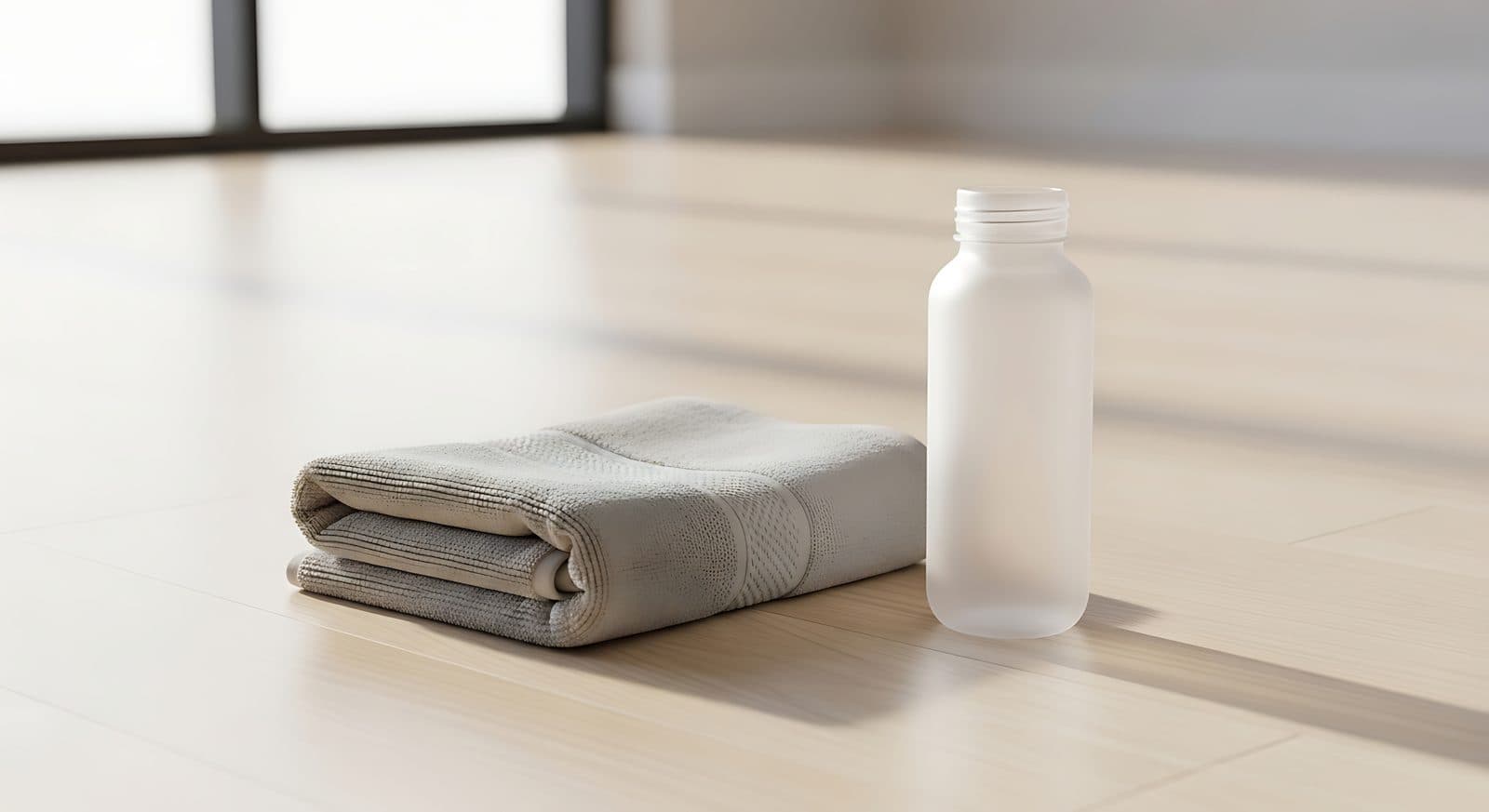
A cooling towel works by trapping evaporating water against the fabric, which pulls heat off your skin as it dries, similar to sweat but faster and more controllable. On a Caribbean pool deck or a walking excursion in port, wetting one down and draping it around your neck drops your perceived temperature noticeably within a few minutes.
Why regular towels don't do this
A standard cotton towel absorbs water and holds heat once it's wet, which is the opposite of what you want on a hot deck. Cooling towels use a thinner, faster-evaporating fabric (often PVA or microfiber) specifically so the drying process pulls heat away from your skin instead of trapping moisture and warmth against it.
Where they actually help on a cruise
Pool deck lounging, walking excursions in port towns without much shade, and waiting in outdoor tender lines all benefit from a cooling towel more than the cabin does, since cabins are air-conditioned already. Check our Caribbean weather guide for which months and ports run hottest. Keep the towel in your daypack rather than your suitcase so it's available whenever you step off the ship into direct sun.
A quick-dry travel towel does double duty
Beyond active cooling, a Youphoria Microfiber Travel Towel works as a fast-drying towel for the pool or a rinse-off after snorkeling, and packs into a fraction of the space a standard beach towel does. For an actual beach day rather than a walking excursion, an Eunzel Microfiber Beach Towel 2-Pack covers a full-size lounge chair while still drying fast enough to reuse the same afternoon.
Sun protection is the other half of staying cool
A cooling towel manages heat, but sunburn adds its own kind of discomfort that no towel fixes. Reapply Neutrogena Beach Defense Spray SPF 50 every couple of hours in direct sun, and keep Sun Bum SPF 30 Lip Balm Variety on hand since lips burn faster than people expect on an open deck.

Neutrogena Beach Defense Spray SPF 50
- Spray application covers hard-to-reach areas quickly
- SPF 50 water-resistant formula
Spray-on means you can actually reach your own back at the pool deck
View on AmazonAfter-sun care for the days it doesn't go as planned
Even with sunscreen, a long port day in the Caribbean sun can leave skin hot and irritated by evening. Seven Minerals Organic Aloe Vera Gel or Sun Bum Cool Down Aloe 3oz Travel cools skin down at the end of the day faster than lotion alone, and it's worth packing regardless of how careful you plan to be with sunscreen.
Head protection matters as much as the towel
A wide-brim hat blocks direct sun from your face and neck in a way no cooling towel replaces. A Wide Brim Sun Hat UPF 50+ packs flat for travel and works for both pool days and walking excursions, cutting down on how often you need to reapply sunscreen to your scalp and part line.

Wide Brim Sun Hat UPF 50+
- Wide brim provides full face and neck shade
- UPF 50+ rated fabric blocks 98% of UV rays
A hat with UPF-rated fabric provides way more protection than a baseball cap
View on AmazonHow to actually use one
Wet the towel, wring it out so it's damp rather than dripping, snap it a few times to activate the cooling effect, and drape it around your neck or over your head. Re-wet every twenty to thirty minutes in direct heat. Most cooling towels stay usable for the whole trip if rinsed and air-dried between uses rather than left balled up wet in a bag.
How to choose a cooling towel for actual Caribbean conditions
Fabric matters more than brand for how the towel feels against skin. PVA-based towels cool faster and stay damp longer between re-wettings, but they can feel slightly stiff or chamois-like to some people, while microfiber cooling towels feel softer but dry out and lose the cooling effect a bit sooner in direct sun. Try both textures if you're sensitive to fabric feel before committing to a multi-pack.
Ignore high humidity performance claims printed on packaging, since no cooling towel fully overcomes Caribbean humidity the way it might in a dry desert climate. Evaporative cooling slows down as ambient humidity rises, so treat the towel as meaningful relief rather than a guaranteed temperature drop, and pair it with shade and hydration rather than expecting the towel alone to solve a ninety-degree afternoon.
Size matters for how you actually plan to use it. A narrower towel works fine draped around the neck for a walking excursion, while a larger towel that can cover the shoulders or lay across the chest works better for extended pool deck or beach lounging where you want broader coverage than just the neck.
Ignore snap-closure or clip features as a deciding factor between similar towels. These add-ons look useful in product photos but rarely change how the towel performs in practice, since most people just drape the towel loosely rather than clipping it closed. Spend the marginal cost difference on a second towel instead of a fancier closure on one.
Color is worth a small amount of consideration for a beach or pool-deck towel specifically, since a very light color shows sunscreen and salt water stains faster over a week of daily use. A mid-tone or patterned towel hides the inevitable staining better across a full cruise without needing a mid-trip swap.
Common mistakes cruisers make staying cool in the Caribbean
The most common mistake is leaving the cooling towel in the cabin or suitcase and only remembering it exists once already uncomfortably hot on deck or in a port town. Treat it as a standing daypack item for every sea day and port day on a Caribbean itinerary, packed alongside sunscreen rather than as an optional extra you decide about each morning.
Wringing the towel out too aggressively, to the point it's barely damp, weakens the cooling effect significantly. The towel needs to stay genuinely damp, not just slightly moist, to keep evaporating steadily over twenty to thirty minutes. A firm wring that still leaves visible dampness works better than squeezing out every drop of water.
Using hot tap water instead of cold water to wet the towel is a subtle mistake that reduces the initial cooling sensation. Cold water, even lukewarm cabin tap water, gives a stronger immediate effect than warm water, so seek out the coldest water source available, an ice bucket, a cold pool deck shower, or a chilled water bottle poured over the towel.
Skipping sun protection because the cooling towel is providing comfort is a mistake that leads to sunburn despite feeling cool, since the towel manages temperature perception, not UV exposure. Reapply sunscreen on the same schedule you would without the towel, regardless of how comfortable the towel makes you feel in the moment.
Packing only one cooling towel for a multi-day Caribbean itinerary with several hot port days back to back is a common oversight, since a single towel needs time to fully dry and reset between uses if it's been used heavily. A two-pack, one for the pool deck and one for excursion days, covers back-to-back hot days better than relying on one towel drying out overnight.
Common questions
Do cooling towels actually work in Caribbean heat?
Yes, for managing perceived temperature during activity in direct sun. They work through evaporative cooling, so they're most effective in low-humidity conditions and less dramatic (though still helpful) in the high humidity typical of Caribbean afternoons.
How often do you need to re-wet a cooling towel?
Roughly every twenty to thirty minutes in direct heat and activity, since the cooling effect fades as the fabric dries out. Carrying a small spray bottle or using a pool or beach shower to re-wet it makes this easy on a port day.
What's better for a cruise, a cooling towel or a quick-dry travel towel?
They solve different problems. A cooling towel is for active heat management during the day. A quick-dry travel towel is for drying off after swimming or a rinse. Many cruisers pack both since they take up very little combined space.
Can you use a cooling towel on a snorkel or catamaran excursion?
Yes, and it's a good addition to a dry bag for that specific itinerary. Rinse it in seawater during a break from swimming for a quick cooling effect between snorkel sessions, then switch to fresh water for a final rinse once you're back aboard.
How do you clean and store a cooling towel after a cruise?
Rinse it in fresh water to remove any salt, sunscreen, or sand residue, then let it air dry fully flat before rolling or folding it for storage. Avoid packing it away in a sealed bag while still damp, since PVA and microfiber fabrics can develop an odor if stored wet for even a day or two.
Pack a cooling towel alongside sunscreen and a wide-brim hat rather than as a standalone fix. Together they cover the three things that actually ruin a hot port day: overheating, sunburn, and running out of shade. Browse Caribbean cruises and check specific ports for how much shade and shelter each stop actually offers.