A dry bag keeps your phone, wallet, and camera fully submersion-proof during kayak, snorkel, and catamaran excursions where a regular bag or even a water-resistant pouch isn't enough. The roll-top seal is the feature that matters most, since it's the difference between splash-resistant and actually waterproof if the bag ends up in the water.
Splash-resistant is not the same as submersible
A shower-curtain-style water-resistant bag handles rain and light spray fine, but a kayak flip or a wave over the side of a catamaran is a different level of exposure entirely. A true dry bag with a roll-top closure, rolled down three or more times and clipped, stays sealed even if fully submerged for a short period, which matters for water sports excursions specifically. Our shore excursion gear guide covers the rest of the water-sports packing list.
Size it to the actual excursion
A small dry bag works for a phone, room key, and a bit of cash on a snorkel trip where you're not carrying much else. A HEETA 20L Waterproof Dry Bag fits a change of clothes, a towel, and gear for a full day on the water, and doubles as your main excursion bag rather than an add-on to something else.
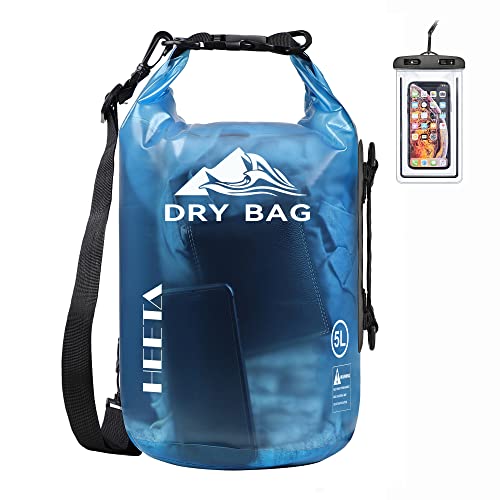
HEETA 20L Waterproof Dry Bag
- Roll-top 20L dry bag keeps everything waterproof for snorkeling, kayaking, and beach excursions
- Shoulder strap for easy carrying
Essential for water excursions, protects electronics and dry clothes on the boat
View on AmazonSafety features matter on open water
Kayak and paddleboard excursions carry real risk of separation from your gear if conditions change. A Unigear Waterproof Dry Bag with Whistle includes a built-in safety whistle, which is a small feature that matters if you're doing an excursion on open water away from the beach.

Unigear Waterproof Dry Bag with Whistle
- Waterproof dry bag with included emergency whistle
- Multiple size options
The included whistle adds a safety element for open-water excursions
View on AmazonPhone protection inside the dry bag
Even inside a sealed dry bag, a phone benefits from its own layer of protection for the moments you actually want to use it in or near the water. A Case-Mate Marine IP68 Waterproof Phone Case or a CACOE Floating Waterproof Phone Case lets you take photos during the excursion itself without exposing the phone directly, and the floating design matters specifically for boat and open-water excursions where a dropped phone sinks fast otherwise.

CACOE Floating Waterproof Phone Case
- Floats face-up if dropped in water, never lose your phone overboard
- IPX8 waterproof rating
A phone that floats is a phone you do not lose in the Caribbean sea
View on AmazonA cheaper option for calmer excursions
Not every water excursion needs a full dry bag. For a calmer beach day or a gentle snorkel from shore, a Hiearcool Waterproof Phone Pouch 2-Pack covers just your phone at a fraction of the bulk, useful as a backup for a second phone or for a travel companion who doesn't need the full dry bag setup.

Hiearcool Waterproof Phone Pouch 2-Pack
- IPX8-rated waterproof phone pouches that float
- Full touchscreen access through clear window
Pool deck, snorkeling, rain on excursions, your phone needs waterproofing
View on AmazonGet it to the excursion in the first place
A daypack carries your dry bag, towel, and reef-safe sunscreen from the cabin to the tender and back. A G4Free Lightweight Packable Daypack works well for this since it folds down small enough to stash inside the dry bag itself once you're actually in the water for the excursion.

G4Free Lightweight Packable Daypack
- Folds into its own pocket for zero suitcase space
- 20L capacity fits water, snacks, camera, and sunscreen
Packs flat in your suitcase, expands into a full daypack for excursions
View on AmazonRinse and dry it between uses
Salt water left inside a rolled-up dry bag damages the seal over time and leaves a smell that's hard to fully remove. Rinse with fresh water after each use, even mid-cruise between multiple water excursions, and let it air out fully before rolling it back up for storage.
What a dry bag needs to survive, by excursion type
A catamaran sailing and snorkel combo day is one of the harder tests for a dry bag, since it spends hours on an open boat deck exposed to spray and wake before you even reach the snorkel stop, then goes into the water itself during the swim portion. A mid-size dry bag clipped to a fixed point on the boat, rather than left loose on a bench, avoids sliding overboard during a sharp turn or a wave.
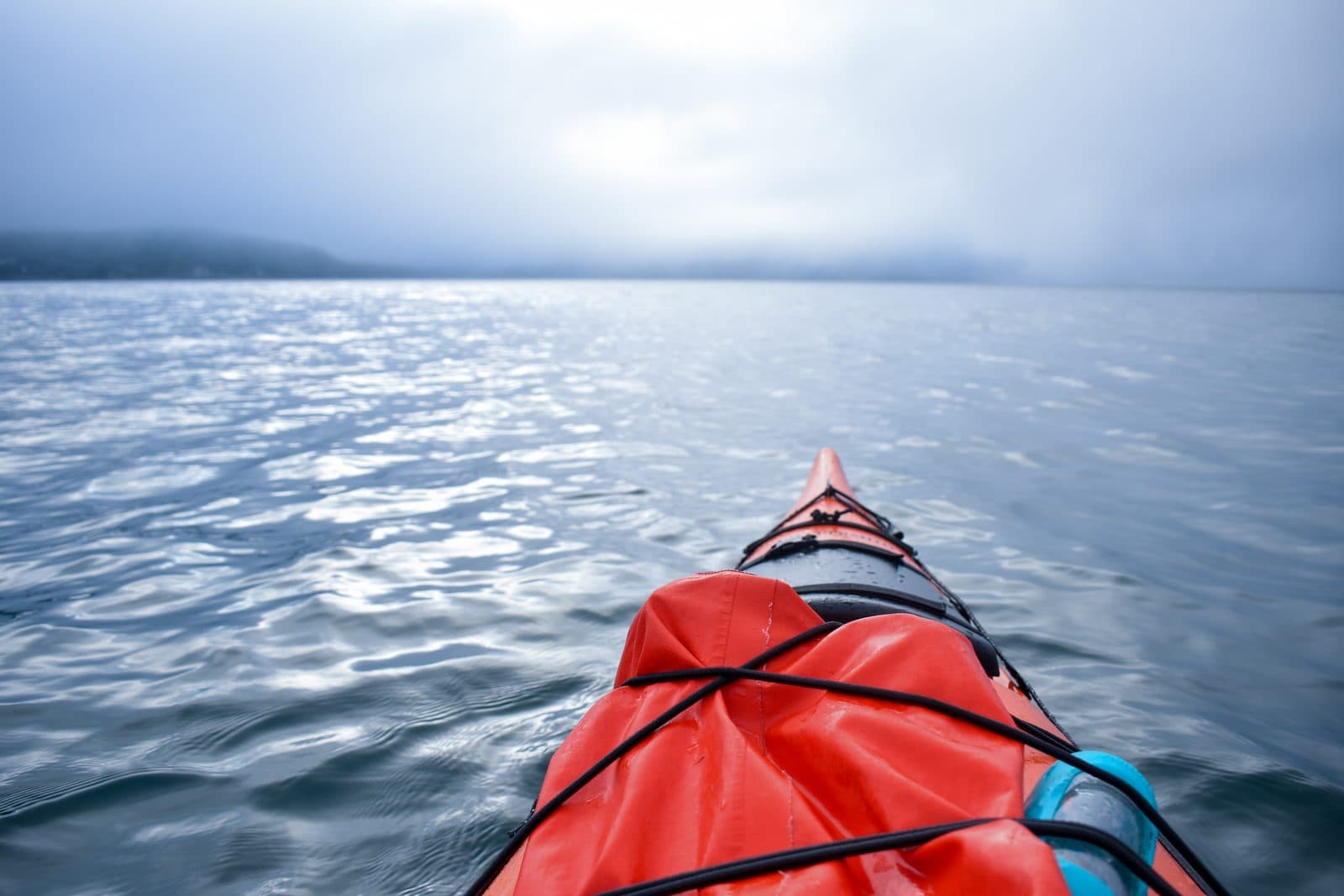
A kayak excursion puts the dry bag through the most realistic submersion risk of any common shore excursion, since a capsize, even a brief one in calm water, fully submerges anything strapped to the kayak deck. A properly rolled and clipped bag, tested at home in a sink or a pool before the trip, gives you confidence it will actually hold up if the kayak tips.
A glacier or fjord kayak excursion in Alaska adds cold water to the equation, where a failed seal doesn't just risk wet gear but a soaked change of clothes on a cold day with no easy way to warm back up. Pack an extra dry layer inside the bag specifically for this itinerary, since cold-water excursions raise the stakes of a dry bag failure well above a warm Caribbean snorkel stop.
A beach-based snorkel excursion, entering from sand rather than a boat, is the gentlest scenario for a dry bag, since it usually just sits on the beach rather than facing direct submersion. A smaller, simpler dry bag or even a waterproof pouch is enough here, and a full 20-liter dry bag is more capacity than the day actually requires.
A stand-up paddleboard excursion sits between kayaking and beach snorkeling in terms of risk, with a real but lower chance of a full capsize. A smaller dry bag secured to the board's deck bungee, rather than worn on the body, keeps weight off your balance while still protecting gear if you do end up in the water.
Care and packing out a dry bag after the cruise
Rinse the dry bag inside and out with fresh water as soon as you're back from any excursion involving salt water, even if the bag looks dry on the outside, since salt residue can work into the roll-top seal grooves and cause the material to stiffen and crack over repeated exposure. A quick rinse at a pool deck shower or the cabin sink handles this in a couple of minutes.
Dry the bag fully open, not rolled, before packing it away for the flight home. A dry bag rolled up while still damp inside traps moisture against the seal and can develop a mildew smell within a day, especially packed into a checked suitcase for a multi-hour flight without airflow.
Check the roll-top seal and any buckles for sand or grit before your final pack-up, since trapped sand in the seal grooves is one of the most common reasons a dry bag's seal wears out faster than expected. Wipe the seal area with a damp cloth and let it dry fully before rolling it closed for storage.
Fold or roll the bag loosely for the return trip rather than compressing it tightly, since dry bag material is more prone to creasing and eventual cracking at sharp folds than typical luggage fabric. A loosely rolled bag takes a bit more suitcase space but lasts through more cruises before the seal starts to fail.
If the bag was used for a cold-water excursion like an Alaska kayak trip, check for any condensation trapped inside the material layers themselves, not just the surface. Leave the bag open in a well-ventilated spot, a balcony or an open cabin window if available, for a few hours before your final packing day to fully clear any trapped moisture.
Common questions
What size dry bag do I need for a cruise excursion?
For a phone and small items, a compact pouch works. For a full day involving swimwear changes, a towel, and gear, a 20-liter bag is a practical size that covers most kayak, snorkel, and catamaran excursions without being bulky to carry.
Do I need a dry bag if my phone already has a waterproof case?
A waterproof phone case protects the phone specifically, but a dry bag protects everything else, towel, wallet, extra clothes, that a case doesn't cover. Most excursion-goers benefit from both rather than choosing one.
Can a dry bag really survive being fully submerged?
A properly rolled and clipped dry bag with a roll-top seal is rated for full submersion for a limited time, which is different from a splash-resistant bag. Follow the manufacturer's rolling instructions exactly, since an improperly sealed roll-top won't hold.
How do you test a dry bag before a cruise excursion?
Roll the top down the recommended number of times, clip it closed, and submerge it briefly in a sink, bathtub, or pool at home before the trip. Check for any dampness inside afterward, since this confirms the seal works before you're relying on it during an actual kayak or catamaran excursion.
Do dry bags work for cold-water excursions like Alaska kayaking?
Yes, but pack an extra dry layer inside specifically for cold-water itineraries, since a failed seal in cold water is a bigger problem than in warm Caribbean water. Test the seal at home beforehand and avoid overloading the bag past its rated capacity, which can strain the roll-top closure.
Pack a properly sized dry bag for any excursion involving kayaks, snorkeling, or open water, and add phone-specific protection inside it. It's inexpensive insurance against the one dropped phone or soaked passport copy that would otherwise end the trip early. Browse cruises with strong water excursion options and check port guides for which stops offer kayak or snorkel add-ons.