
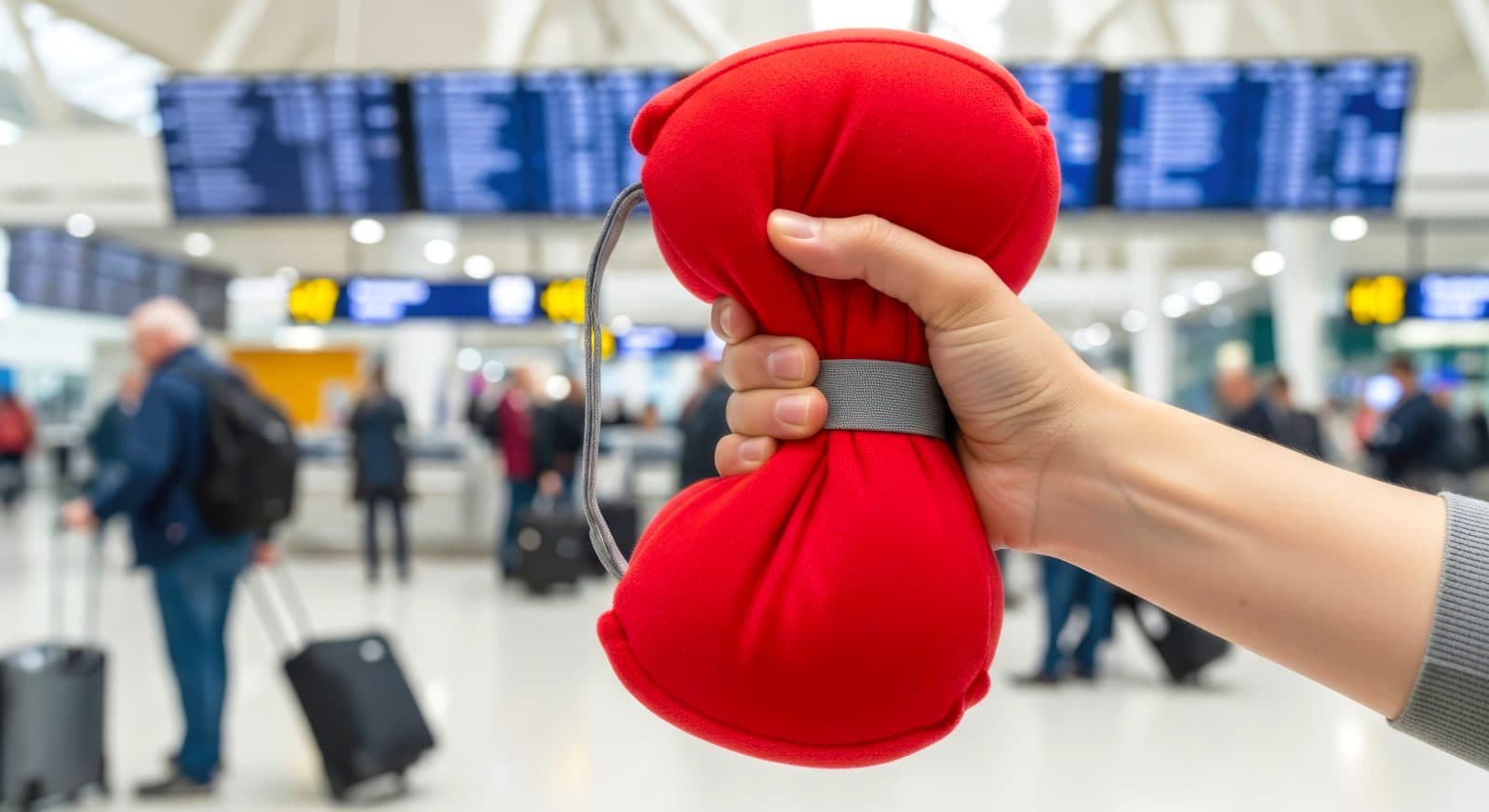
A travel pillow does two separate jobs on a cruise: keeping your neck from hurting on the flight to your embarkation port, and improving actual sleep quality in a cabin bed you're not used to. Most cruisers only think about the first job and skip the second, which is the one you'll actually notice for a full week.

Bespilow Memory Foam Travel Pillow
- Memory foam conforms to your neck shape
- Does not deflate like inflatable pillows
If you prefer the feel of real foam over an inflatable, this is the upgrade pick
View on AmazonThe flight is the easy part
Almost any decent neck pillow helps on a plane, since the goal is just preventing your head from flopping sideways for a few hours. An Inflatable Travel Neck Pillow packs flat in a carry-on and deflates for the return flight, which matters if you're also bringing home souvenirs and need the space back.

Inflatable Travel Neck Pillow
- Inflates in seconds, deflates flat for packing
- Ergonomic design supports your neck on flights and long tender rides
Essential for the flight to your cruise port, and the tender rides at anchorage stops
View on AmazonCabin sleep is the part people underestimate
New mattress, new pillow, unfamiliar room noise, and a schedule that runs later than home all combine to make the first two or three nights on a cruise worse for sleep than people expect. A Bespilow Memory Foam Travel Pillow brought from home gives your neck a consistent, familiar shape to sleep against regardless of what the cabin's pillow feels like.
Cabin pillows vary a lot by ship and cabin class
Standard cabins often use a firmer, more generic pillow than suite categories, and preferences vary enough person to person that packing your own removes the guesswork entirely. If you sleep on your side or have any existing neck issues, this matters more than almost anything else on a cruise packing list, since a bad night's sleep affects the whole next day of excursions. Check your specific ship's cabin category before booking if bedding quality is a deciding factor.
Light and sound matter as much as the pillow itself
Interior and even some balcony cabins let in hallway light or engine noise that a pillow alone doesn't fix. An MZOO 3D Sleep Eye Mask blocks light without pressing on your eyes the way flat masks do, and LYSIAN Foam Earplugs 60 Pairs handle everything from a noisy hallway to a snoring cabin mate on a multi-generational trip.
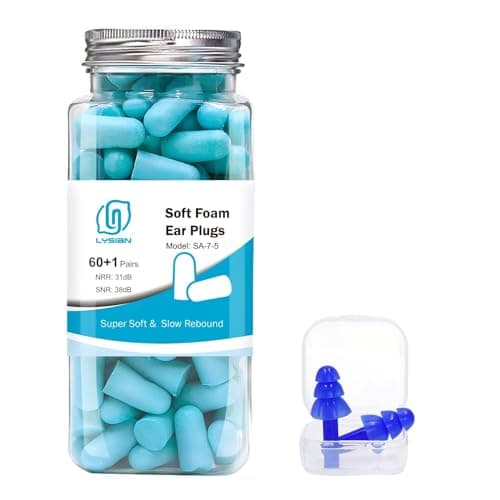
LYSIAN Foam Earplugs 60 Pairs
- 60 pairs of ultra-soft foam earplugs
- 38dB noise reduction blocks hallway noise, engine vibration, and snoring partners
Cabin hallways get loud at 2am when bars close, earplugs save your sleep
View on AmazonFlights add their own physical toll
Long travel days to reach an embarkation port, especially international ones, mean hours of sitting that a neck pillow alone doesn't address. Compression Socks 3-Pack 15-20mmHg reduce leg swelling and discomfort on longer flights, which matters more the farther you're traveling to reach the ship.

Compression Socks 3-Pack 15-20mmHg
- 15-20mmHg compression reduces leg swelling on flights and long excursion walks
- Three pairs for the cruise week
Long flights to embarkation ports and 20K-step excursion days, compression socks prevent swelling
View on AmazonDon't overpack the sleep kit
You don't need every item on this list for every cruise. A short domestic sailing with a direct flight barely needs more than the neck pillow. A long-haul international trip to reach an embarkation port, combined with an interior cabin, is where the eye mask, earplugs, and compression socks all earn their space in your carry-on. Browse cruises by cabin type if bedding and sleep quality factor into your booking decision.
Match the pillow to how you actually sleep
Side sleepers generally do better with a firmer, more structured pillow like a memory foam travel pillow than an inflatable one, which tends to be flatter and firmer overall. Back sleepers have more flexibility since either style compresses similarly under less direct pressure.
How to choose a travel pillow for a cruise, not just a flight
Prioritize compressibility over plush thickness, since the pillow needs to fit in a carry-on alongside everything else for the flight and then live somewhere in a small cabin for the rest of the week. A pillow that only compresses a little defeats the purpose of bringing a packable item at all, so check the packed dimensions specifically before buying, not just the loft or firmness rating.
Ignore premium fill materials marketed for luxury hotel use if they don't hold shape after repeated compression. A pillow that's plush on day one but flattens out after being stuffed into a bag for a week of daypack use isn't worth the extra cost over a simpler, more durable foam or inflatable design built specifically for repeated travel compression.
Consider whether the pillow needs to double as an excursion-day item, propped against a bus window on a long transfer or used on a flight connecting through a layover, versus a cabin-only pillow that stays in the room the whole trip. A U-shaped inflatable pillow works better for the first case, while a firmer wedge or contoured foam pillow works better if it's only ever used at night in the cabin.
Washable covers matter more on a cruise than for a single flight, since the same pillow gets used daily for a full week in warm, humid conditions without easy access to laundry. A removable, machine-washable cover, or at minimum a wipeable surface, keeps the pillow from developing an odor by the end of a longer sailing.
Skip pillows with rigid internal structures like memory foam beads in a hard shell if you're tight on carry-on space, since these compress less than solid memory foam or inflatable designs. If suitcase and carry-on space is the primary constraint, an inflatable pillow that deflates to almost nothing outperforms a foam pillow on packability, even if it's slightly less comfortable for some sleepers.
Common mistakes people make with cruise travel pillows
The most common mistake is bringing only a flight pillow and assuming the cabin's own pillow will be fine for a full week, only to have consistently poor sleep by the third night without understanding why. If you have any pillow preference at home, that preference doesn't disappear on a cruise, and bringing a familiar pillow for the cabin bed addresses a full week of sleep, not just a few hours on a plane.
Packing a full-size bed pillow instead of a compressible travel pillow is a mistake that eats a large amount of suitcase space for a marginal comfort gain over a proper travel pillow design. Travel-specific pillows are built to compress significantly while still providing similar support once fully expanded, so there's rarely a good reason to bring a bulky standard pillow on a cruise.
Not testing the pillow before the trip is another frequent oversight, since a pillow that feels fine in a store or a photo can turn out too firm or too soft once you're actually sleeping on it for consecutive nights. Sleep on any new travel pillow for a few nights at home before the cruise to confirm it actually works for your sleep position.
Ignoring cabin noise and light sources while focusing only on the pillow itself leads to continued poor sleep even with a comfortable pillow. A great pillow doesn't block hallway light from an interior cabin door gap or engine noise near the lower decks, so pair the pillow with an eye mask and earplugs if your cabin location has either issue.
Forgetting to deflate or repack the pillow properly for the flight home is a small but common mistake, especially when a suitcase is fuller with souvenirs on the return trip. Deflate an inflatable pillow completely and fold a foam pillow back into its travel pouch before packing, rather than trying to force a fully expanded pillow into an already tight bag.
Common questions
Is a travel pillow worth bringing on a cruise if I have a good flight pillow already?
Yes, if it's compact enough to also use in the cabin. The value on a cruise isn't just the flight, it's having a consistent, familiar pillow shape for a full week of cabin sleep, not just a few hours on a plane.
Do cruise cabin beds and pillows vary in quality?
Yes, quality and firmness vary by cruise line, ship, and cabin category, with suites generally getting more upgraded bedding than standard cabins. If sleep quality matters a lot to you, packing your own pillow removes that variability.
What else helps with sleep on a cruise ship?
Beyond a pillow, an eye mask and earplugs address the two most common cabin sleep disruptors: light from hallways or portholes, and noise from neighboring cabins, engine areas, or hallway traffic depending on your cabin location.
How do you pack a travel pillow so it doesn't take up cabin space?
Store it in its compression pouch or deflated in a drawer during the day if you're not using it, rather than leaving it out on the bed or a chair where it competes with limited surface space. Most travel pillows fold small enough to tuck into a suitcase side pocket for the whole trip.
Should kids bring their own travel pillow on a cruise?
Yes, especially for younger kids who sleep poorly in unfamiliar beds. A smaller, softer inflatable pillow travels well for kids and gives them a familiar comfort item on both the flight and in the cabin, which tends to reduce the overtired meltdowns that come with a few rough nights of sleep.
Bring a compact neck pillow for the flight and a firmer memory foam pillow for the cabin if sleep quality is a priority. Pair either with an eye mask and earplugs for the nights a thin cabin wall or an early port arrival works against you. See our sleep essentials guide for the rest of the setup.