
Rain doesn't cancel port days, and ships don't reschedule around forecasts. A compact, genuinely windproof umbrella covers walking through town between stops, while a packable rain jacket covers actual excursions where you need your hands free. Bring both, since they solve different problems.
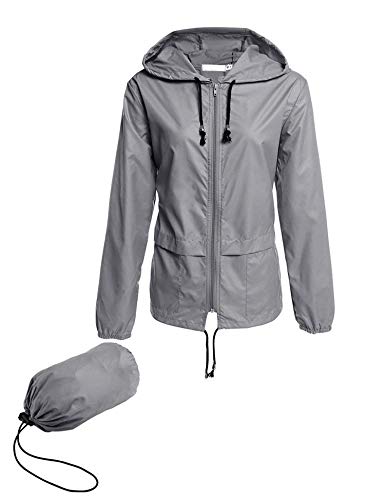
Women's Packable Rain Jacket
- Packs into its own pocket
- Waterproof and windproof for unexpected Caribbean showers and Alaska drizzle
Tropical showers come fast and hard, a packable jacket saves your excursion outfit
View on AmazonWhy a cheap umbrella fails at port
Coastal port towns are windy almost by definition, and a standard department-store umbrella turns inside out or snaps a rib in the first real gust off the water. A REPEL Windproof Travel Umbrella uses a vented canopy specifically designed to handle wind that would destroy a regular umbrella, which matters more at sea-adjacent ports than almost anywhere else you'd normally use one.
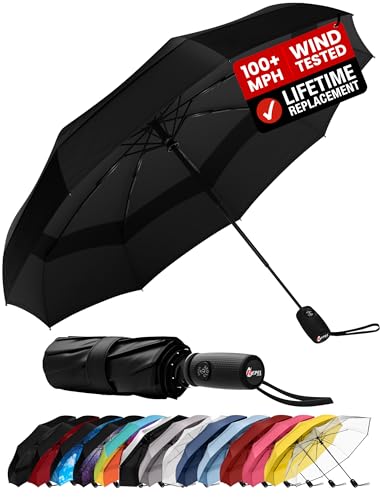
REPEL Windproof Travel Umbrella
- Teflon-coated canopy repels water
- Windproof construction survives gusts up to 60mph
Tropical downpours are sudden and intense, a windproof umbrella keeps you dry on port excursions
View on AmazonWhen an umbrella works and when it doesn't
An umbrella is fine for walking between the ship and a nearby shop, or standing in a tender line under a covered area. It's a poor choice for an actual hiking excursion, a bike tour, or anything requiring both hands, where a jacket does the job an umbrella can't. Our port day planning guide covers how to build a backup plan into your day either way.
A rain jacket for the actual excursion
For a shore excursion booked in advance, weather doesn't get refunded just because it rained. A Women's Packable Rain Jacket keeps you dry hands-free during a hike, a walking tour, or an outdoor market visit, and folds small enough to live in a daypack the whole trip on the chance you need it.
Footwear decides how the day actually goes
A dry jacket over wet, soaked shoes still means a miserable excursion. Water Shoes Quick Dry handle wet cobblestones, tender landings, and sudden downpours better than sneakers, and dry out fast enough to wear again the next day if the itinerary has back-to-back port stops.

Water Shoes Quick Dry
- Quick-dry shoes for beach, snorkeling, and rocky shore walks
- Protective sole guards against coral and sharp rocks
Rocky Caribbean beaches and coral cuts are no joke, water shoes are a must
View on AmazonProtect your bag, not just yourself
A rainy port day means your daypack contents, phone, passport copy, and camera, need protection too, not just your body. Keep electronics in a zip pouch and consider a Case-Mate Marine IP68 Waterproof Phone Case if you're planning to take photos in the rain rather than stashing your phone away for the whole excursion.

Case-Mate Marine IP68 Waterproof Phone Case
- Full touchscreen access while sealed
- Military-grade drop protection plus IP68 waterproofing
Ponchos for the specific single-use case
A poncho is cheap, disposable, and useful mainly as a backup for the one day the forecast changes unexpectedly and you didn't pack a jacket. It's not a substitute for a proper rain jacket on a planned outdoor excursion, but it's worth keeping one folded in your daypack as insurance for an unplanned downpour.
Check the forecast, but pack anyway
Port weather forecasts a week out are unreliable, and tropical itineraries especially can shift from clear to a sudden squall within an hour. Rather than trying to predict which specific port day will need rain gear, pack the umbrella and a packable jacket for the whole trip and treat them as standard daypack items, not something you decide about morning-of.
What rain gear needs to survive, by excursion type
A tender-boat transfer is the windiest, wettest moment most rain gear will face on a cruise, since you're exposed on an open boat deck for several minutes before even reaching a covered port building. A compact umbrella is nearly useless here, wind off the open water flips it instantly, so a hood on a packable jacket, cinched tight, is the only gear that actually holds up during the transfer itself.
A walking food or market tour, common at European and Caribbean ports, mixes covered stretches with open plazas, which is exactly the scenario a windproof umbrella is built for. You're moving slowly, stopping often, and can duck under an awning between showers, so an umbrella held loosely in one hand works better here than a full jacket that overheats you while standing still in a warm market.
A bike or scooter excursion removes the umbrella option entirely, since you need both hands on the handlebars regardless of weather. A packable rain jacket with a snug, non-flapping hood is the only realistic option, and checking with the excursion operator about whether they provide any rain gear of their own is worth doing before you overpack.
A hiking or nature-trail excursion, especially in Alaska or the Pacific Northwest, tests a jacket's breathability more than a poncho's coverage, since a poncho traps heat and moisture against the body during sustained uphill movement in a way a vented rain jacket doesn't. Ponchos work fine standing still in the rain, but they perform poorly the moment you start generating body heat on a trail.
Across all of these, keep the poncho as the one item that lives permanently in your daypack regardless of the day's planned activity, since it weighs almost nothing and covers the scenario nobody plans for: an unexpected downpour on a day you deliberately left the jacket in the cabin because the forecast looked clear.
Common mistakes with cruise rain gear
The most common mistake is buying a large, golf-style umbrella for the trip, assuming bigger means better coverage, and then finding it unusable in a normal port-town gust or too bulky to carry through a crowded tender line. A compact, reinforced umbrella built for wind resistance outperforms a large standard umbrella in the conditions cruise ports actually produce.
Packing a poncho as the only rain option and skipping a proper jacket is a mistake for anyone with an actual outdoor excursion booked, since ponchos flap in wind, trap heat during activity, and tend to tear at the seams faster than a real jacket. Reserve the poncho for backup and casual town walks, and bring a jacket for anything booked and active.
Leaving rain gear in the cabin because the morning looks clear is a frequent misstep on tropical and coastal itineraries specifically, where a clear morning can turn into an afternoon squall with very little warning. Build a habit of packing the umbrella or jacket into the daypack every single port day regardless of the forecast, rather than deciding case by case.
Not testing an umbrella's wind rating before the trip, assuming any umbrella labeled "travel size" is automatically wind-resistant, leads to a snapped umbrella on the first genuinely gusty port day. Check specifically for a vented canopy or a stated wind-speed rating rather than trusting the word "compact" or "travel" alone on the packaging.
Forgetting that wet gear needs somewhere to go once you're back on the ship is a small but common oversight. A dripping umbrella or jacket stuffed straight into a packed daypack soaks everything else inside it, so keep a spare plastic bag or a dedicated wet-gear pouch in the daypack specifically for the walk back to the cabin.
Common questions
Do I need both an umbrella and a rain jacket for a cruise?
They cover different situations. An umbrella works for casual walking and covered waiting areas. A rain jacket works for hands-free activity during an actual excursion. Packing both costs very little suitcase space.
Are ponchos worth bringing on a cruise?
As a backup, yes. A folded poncho takes almost no space and covers the one unplanned downpour you didn't pack a jacket for. It's not a substitute for a proper rain jacket on a booked outdoor excursion.
What umbrella works best in windy cruise ports?
Look for a windproof or vented canopy design rather than a standard umbrella. Coastal port towns are frequently windier than inland cities, and a standard umbrella construction fails faster in that environment.
Can I use an umbrella on a tender boat?
Not effectively. Tender transfers happen on an open boat deck exposed to wind off open water, which flips or destroys most umbrellas within seconds. A hooded rain jacket, cinched tight, handles a tender transfer far better than any umbrella.
How do I dry wet rain gear in a cruise cabin?
Hang the jacket or poncho over a bathroom towel bar or a hanger with the fan running, rather than folding it away wet into a drawer or daypack. A poncho dries fast enough to reuse within an hour or two, while a jacket may need a full evening of airflow before it's ready to pack again.
Pack a windproof umbrella for casual walking, a packable rain jacket for booked excursions, and water shoes for wet ground. None of it takes much space, and all three cover a scenario that will eventually happen on a multi-port itinerary. Check ports for seasonal rain patterns and browse deals if you're still choosing an itinerary.