Compression bags can effectively double your suitcase's usable space by pressing trapped air out of bulky clothing, which matters most on a cruise where you are packing for multiple climates and dress codes in one bag. The right compression system fits more into the same suitcase without exceeding a weight limit, since compression reduces volume, not weight. Here is which style actually works, and which one only helps if you are near an outlet.
How compression bags actually save suitcase space
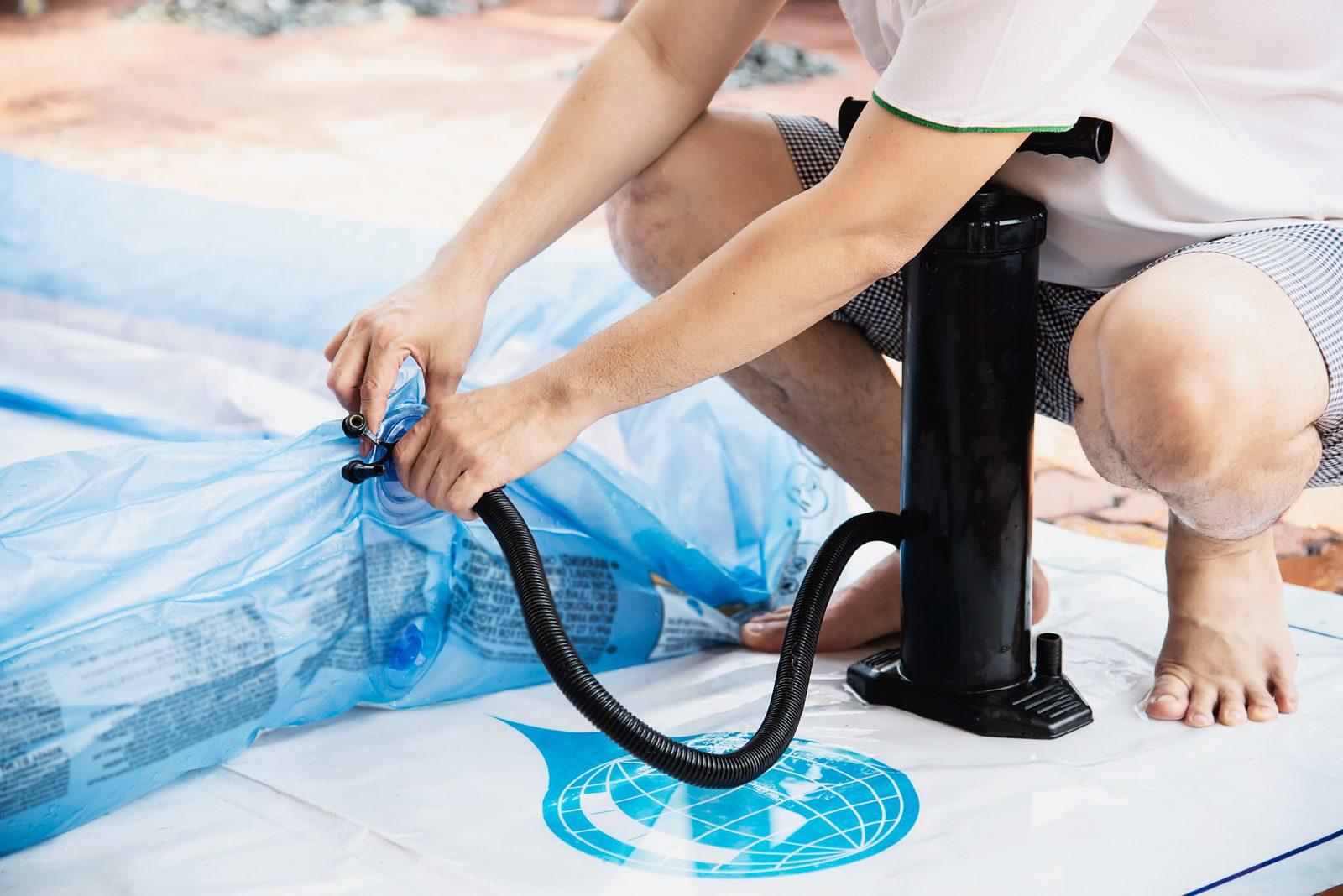
Folded clothes trap air between layers, which is what compression bags remove, either by hand-rolling, an included pump, or a household vacuum. This does not make clothes lighter, so it will not help with an airline's weight limit, but it dramatically increases how much fits in the same suitcase volume, which is the real constraint on most cruise packing.
Best no-pump bags for packing without an outlet
The ALMING 10-Pack Compression Bags No Pump uses a roll-and-seal design that removes air by hand, which works anywhere, including mid-trip repacking in a cabin with no accessible outlet near your suitcase. This is the most practical option for the actual cruise itself, versus just the outbound packing at home.
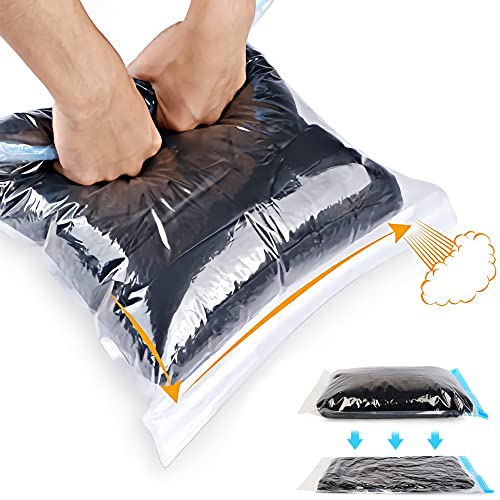
ALMING 10-Pack Compression Bags No Pump
- Roll-down design compresses clothes without any pump
- Ten bags in assorted sizes
No pump means no extra gadget to pack, just roll and go
View on AmazonBest USB-pump bags for maximum compression
If you want more compression than hand-rolling delivers, the VMstr 15-Pack Vacuum Storage Bags USB Pump includes a small rechargeable pump instead of requiring a household vacuum cleaner, which makes it usable in a hotel room before your cruise or in a cabin if you charge the pump ahead of time. This squeezes out noticeably more air than rolling alone, which matters for bulky winter layers on a repositioning or fjords itinerary.
Best bulk value option for big packing jobs
For a family packing job across multiple suitcases, the 12-Pack Compression Bags Vacuum covers more items per dollar than premium options, at the cost of a slightly less durable seal over repeated use. This is the right pick if you are compressing bulky winter coats or blankets once for the trip out and do not need the bags to survive daily repacking all cruise long.
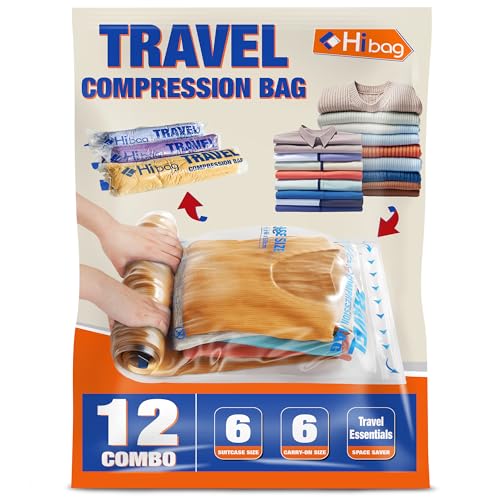
12-Pack Compression Bags Vacuum
- Twelve bags in multiple sizes for a full family cruise wardrobe
- Roll-to-compress design works anywhere
Great value pack, enough bags for the whole family
View on AmazonPairing compression bags with packing cubes
Compression bags and packing cubes solve slightly different problems: bags maximize volume for bulky items, while cubes organize smaller items by category. The Aerotrunk Compression Packing Cubes 4-Pack combines both functions in one product, using a built-in second zipper for compression while still keeping items separated by category, which is worth it if you want fewer total bags to manage.

Aerotrunk Compression Packing Cubes 4-Pack
- Double-zipper compression cuts volume by up to 60%
- Four sizes cover every clothing type
Compression cubes are the single best way to fit a week of cruise outfits into a carry-on
View on AmazonKeeping compressed items separate from worn clothes
Once you unpack a compression bag, you generally will not re-seal it daily, so worn clothes need somewhere else to go. The 2-Pack Mesh Laundry Bags handles that overflow without needing to be resealed and compressed like your clean-clothes bags, which is a faster daily habit than trying to re-vacuum a bag every night.

2-Pack Mesh Laundry Bags
- Two mesh bags keep dirty clothes separate from clean ones
- Drawstring closure keeps contents secure
Keep dirty laundry separate and contained in tight cabin quarters
View on AmazonWhen compression bags don't help
Compression bags help most with soft, bulky items like sweaters, jackets, and towels. They do little for rigid items like shoes or toiletry bottles, which do not compress regardless of the bag, so do not expect the same space savings across your entire suitcase.
How to choose compression bags for cruise packing
Seal type is the first real decision: zip-seal-and-roll bags work anywhere with no equipment, while valve-style bags need either a vacuum or a pump to remove air fully. If your itinerary involves mid-cruise repacking (for a back-to-back sailing, or moving cabins), a no-equipment roll style is the more practical choice over a full cruise, even if it compresses slightly less than a pumped bag.
Bag thickness affects how many times a single bag survives being compressed and reopened. Thin, single-use-oriented bags work fine for a one-way trip where you compress once at home and never reseal, but a thicker, reinforced bag holds up better if you plan to recompress the same bag multiple times across a longer sailing.
Size variety matters more than most buyers expect, since a single oversized bag wastes space when compressing a few smaller items, while a single small bag cannot hold a bulky winter coat at all. A set with a mix of bag sizes handles both a stack of t-shirts and one bulky jacket without needing two separate purchases.
Valve quality on pump-style bags determines whether the bag holds its compressed state for the full trip or slowly re-inflates over several days. Check reviews specifically for complaints about bags "puffing back up" mid-trip, since a failing valve undoes the entire benefit of the compression system by the time you actually need the space.
Common compression bag mistakes on a cruise
The most common mistake is packing rigid items like shoes or a hardcover book inside a compression bag expecting the same space savings seen with clothing, when in practice these items do not compress at all and just take up the same volume they always did, wasting a bag that could have held actual soft, bulky items.
A second mistake is packing a compression bag fully closed and vacuum-sealed for the flight out, then trying to use the same bag mid-cruise without access to a vacuum or pump, since hand-rolling alone will not achieve the same compression a household vacuum did at home. Bring a no-pump style specifically for any mid-cruise repacking you expect to do.
A third mistake is over-relying on compression to solve a weight problem rather than a space problem. Since compression does nothing to reduce actual clothing weight, packing more items just because they now fit does not help if your airline enforces a strict checked-bag weight limit, which is a separate constraint compression bags cannot solve.
Common questions
Do compression bags actually save space when packing for a cruise?
Yes, compression bags reduce packed volume significantly for soft, bulky items like sweaters and towels, though they do not reduce weight, which matters if your airline enforces a strict baggage weight limit.
Do I need a pump for compression bags, or can I roll them by hand?
Hand-rolling works fine for most travelers and requires no equipment, while pump-style bags achieve more compression but need either a household vacuum or a rechargeable USB pump to operate.
Can I use compression bags to pack for a cold-weather cruise like Alaska or the fjords?
Yes, compression bags are especially useful for bulky cold-weather layers, since jackets and sweaters take up disproportionate suitcase space when folded loose.
Will compression bags damage delicate fabrics or formal wear?
Tightly woven, sturdy fabrics like cotton and most synthetics handle compression fine, but delicate items like sequined formal wear, silk, or anything with structured padding can crease or distort under heavy compression. Pack those items in a garment bag or on top of your suitcase instead of inside a compression bag.
How many compression bags should I pack for a 7-night cruise?
Three to four bags typically covers a solo cruiser or couple for a week: one or two for bulky layers like sweaters or a jacket, and one or two for towels or swimwear, with rigid items and formal wear packed separately without compression.
Compress bulky items first, then fit smaller, non-compressible items like shoes and toiletries around them for the most efficient use of suitcase space. Check current cruise deals, see our cruise packing essentials guide for a full category breakdown, and browse port guides for climate-specific packing needs by itinerary.