Alaska shore excursions range from a gentle glacier viewpoint walk to a full-day whale-watching boat trip, and the packing list changes more between those two than most regions do between their entire excursion catalog. Layering, waterproofing, and battery life matter more here than anywhere else on a typical cruise itinerary.
Layers, not one heavy coat
Alaska summer mornings often start in the 40s and 50s and can warm up by afternoon, especially once you're moving on a hike. A packable rain shell over a fleece or light long-sleeve handles most excursions better than one heavy coat that overheats you on a climb and then isn't enough once you stop moving.
Waterproof is not optional here
Rain on an excursion day doesn't cancel the excursion. A Women's Packable Rain Jacket keeps you dry and mobile on a glacier hike or a walking tour, and it packs small enough that not bringing it isn't really saving meaningful suitcase space.
Binoculars for the wildlife you'll actually see
Whale-watching boats, glacier viewpoints, and bear-viewing excursions all put wildlife at a distance that a phone camera can't really capture in the moment. Compact Waterproof Binoculars (10x25) let you actually watch a breach or a calving event as it happens rather than fumbling for a phone.

Compact Waterproof Binoculars (10x25)
- 10x magnification with 25mm objective lens for crisp detail
- Compact folding design fits in a jacket pocket
Footwear for wet ground and boat decks
Tender landings, boat decks, and rainforest trails are all wet, uneven surfaces that regular sneakers handle poorly. Water Shoes Quick Dry work across most excursion types without needing to pack separate shoes for the boat versus the hike.

Water Shoes Quick Dry
- Quick-dry shoes for beach, snorkeling, and rocky shore walks
- Protective sole guards against coral and sharp rocks
Rocky Caribbean beaches and coral cuts are no joke, water shoes are a must
View on AmazonCamera gear that survives the conditions
Standard cameras and phones struggle in the rain and low light common on Alaska excursions. An AKASO EK7000 4K Action Camera handles wet conditions on a whale-watching boat or a kayak excursion without the constant wipe-down a phone needs in the same environment.

AKASO EK7000 4K Action Camera
- 4K video and 12MP photos at a fraction of GoPro price
- Waterproof case included
GoPro quality at a price you do not cry about if it falls in the ocean
View on AmazonPower for a full excursion day
Cold weather drains batteries faster than normal, and a full-day excursion with a boat, a hike, and a wildlife stop leaves little opportunity to recharge. An INIU 20000mAh Power Bank 65W keeps your phone and camera running for a whole excursion day without rationing photos.
The flight before the cruise matters too
Most Alaska cruises start with a flight to Seattle, Vancouver, or Anchorage, often followed immediately by embarkation. Compression Socks 3-Pack 15-20mmHg reduce leg fatigue on that flight, and a good travel pillow helps if the flight runs long enough to need actual sleep before the first excursion day.
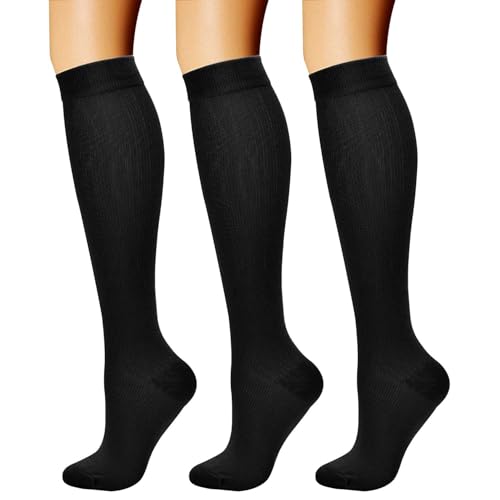
Compression Socks 3-Pack 15-20mmHg
- 15-20mmHg compression reduces leg swelling on flights and long excursion walks
- Three pairs for the cruise week
Long flights to embarkation ports and 20K-step excursion days, compression socks prevent swelling
View on AmazonDon't pack for one excursion, pack for the range
A single Alaska cruise itinerary often includes a mix of high-effort hikes, calm scenic cruising days, and boat-based wildlife excursions. Packing only for the hardest excursion means overpacking for the calm days, while packing only for scenic cruising leaves you underprepared for an active shore day. Our best Alaska excursions guide breaks down effort level by excursion type. Layer your list around the most demanding excursion booked and scale down from there.
What each excursion type actually demands from your gear
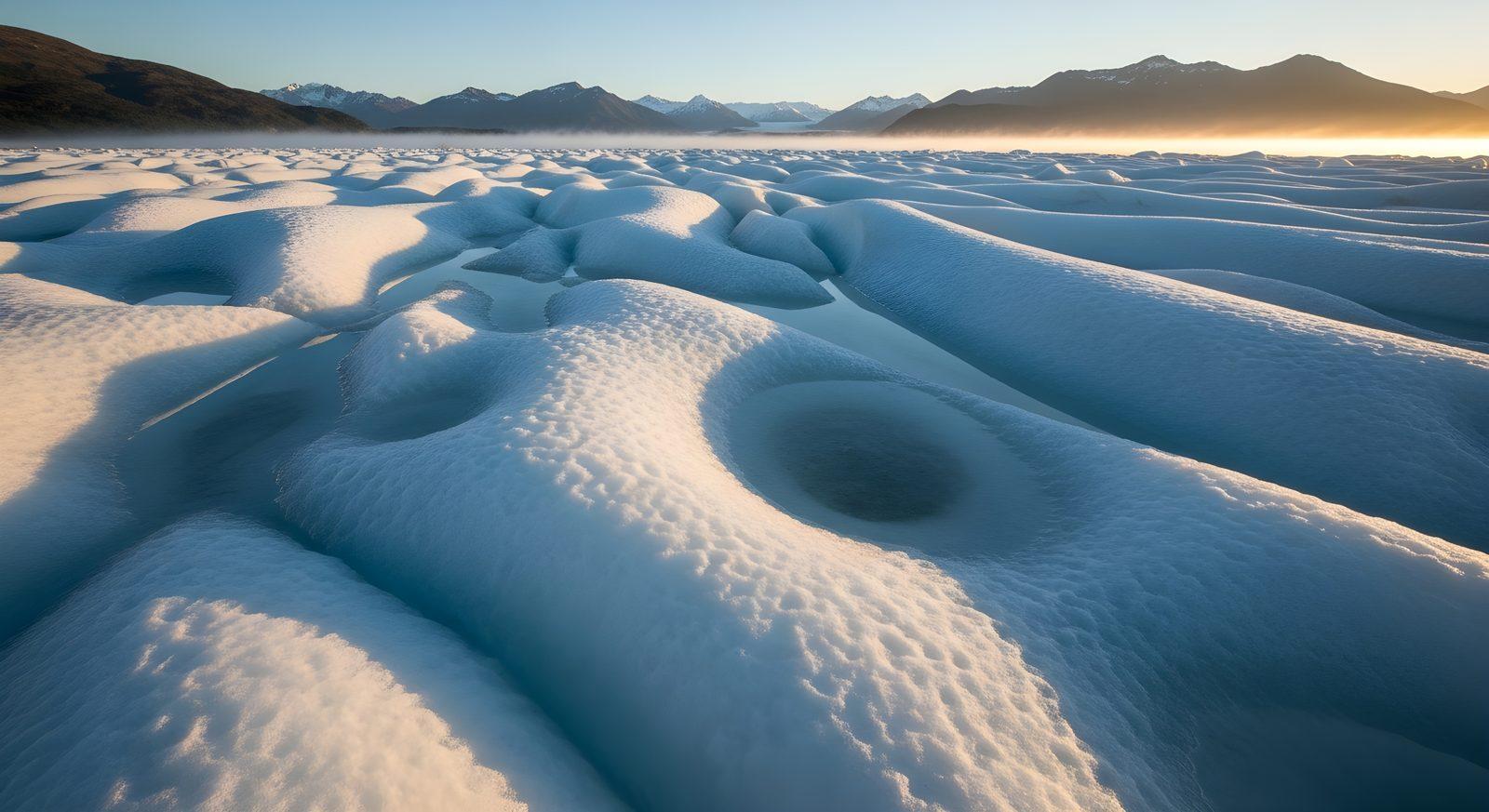
A glacier hike, whether a short viewpoint walk or a multi-hour trek, is the hardest test for footwear and layering on a standard Alaska itinerary. Trails run wet and uneven even on a dry day, and the temperature swings between a sheltered forest section and an exposed ridge can be ten degrees or more, which is exactly why a removable mid-layer under a rain shell outperforms one fixed-weight coat.
A whale-watching boat excursion tests waterproofing and gear security more than fitness. Spray comes off the bow continuously, the deck moves with the wake, and dropped items go into open water permanently. Secure anything loose, binoculars on a neck strap, a phone in a zip pouch, before the boat leaves the dock rather than adjusting gear once you're already underway.
A bear-viewing or float plane add-on excursion, offered at select ports like Ketchikan or Juneau, adds a weight limit and often a strict gear list from the operator, since float planes have real payload restrictions. Check the specific excursion's baggage policy in advance, since a bulky action camera rig or an oversized daypack may need to be left behind or repacked into a smaller bag.
A scenic town walk through Skagway or Juneau, without a booked excursion, is the lowest-effort day on a typical itinerary but still benefits from the same rain jacket and water shoes, since Alaska port weather shifts fast enough that a "just walking around town" day can turn wet within an hour with no warning.
A kayak excursion in a glacier bay or fjord combines cold water risk with the wildlife-viewing demands of a boat trip, making it the one excursion type where a dry bag, not just a water-resistant daypack, is worth the extra packing space. Treat any kayak day as requiring full submersion-level gear protection rather than the lighter rain-resistant setup that covers a bus-based excursion.
Common mistakes on Alaska shore excursions
The most common mistake is packing one mid-weight jacket meant to do everything, cold protection and rain protection combined, which ends up either too warm on a hiking excursion or not warm enough standing still on a whale-watching boat. Splitting the job between a breathable rain shell and a separate insulating layer performs better across the full range of excursion types in a single itinerary.
Underestimating how much colder open water feels compared to land is another frequent misstep, especially on boat excursions where wind chill off the water drops the effective temperature well below the day's forecast high. Dress for the boat excursion as if it's ten to fifteen degrees colder than the land-based forecast, and add a layer you can remove if it turns out warmer than expected.
Leaving binoculars in the cabin because "the ship's balcony has a good enough view" is a common regret, particularly on scenic cruising days through Glacier Bay or Tracy Arm, where wildlife and ice-calving events happen at a distance no unaided eye or phone camera captures well. Bring binoculars on every excursion day, not just the ones explicitly marketed as wildlife tours.
Not charging devices the night before an early excursion departure is a mistake that costs people photos on the one clear morning of the trip. Alaska excursions often depart earlier than a typical Caribbean port day, and cold temperatures drain batteries faster, so build a habit of charging everything fully before bed rather than assuming there will be time in the morning.
Packing cotton base layers instead of a moisture-wicking or wool-blend fabric is a subtle mistake that shows up on any excursion involving real physical activity, since cotton stays wet and cold once it gets damp from either rain or sweat on a hike. A synthetic or wool base layer under the rain shell dries faster and keeps you warmer even if it does get wet during the day.
Common questions
What should I pack for an Alaska glacier hike?
Waterproof layers, sturdy waterproof or quick-dry footwear, binoculars, and a charged camera or action camera cover most glacier hiking excursions. Check the specific excursion's difficulty rating before finalizing footwear, since some hikes involve uneven or steep terrain.
Do I need special gear for Alaska whale watching?
A rain layer, binoculars, and a waterproof or floating phone case matter most, since whale-watching boats expose you to spray and weather more than a land-based excursion. Motion sickness remedies are worth packing too if you're prone to it.
How cold does it actually get on an Alaska cruise excursion?
Alaska summer temperatures during a typical cruise season commonly run in the 40s to 60s Fahrenheit, colder on the water or at higher elevation stops. Layering rather than one heavy coat handles this range better across different excursion types.
Do I need a dry bag for Alaska excursions?
For kayak or paddleboard excursions in glacier bays or fjords, yes. Cold-water submersion risk from even a brief capsize is higher stakes than a typical warm-water Caribbean snorkel trip, so a proper roll-top dry bag is worth the extra packing space over a simple water-resistant daypack.
What's the biggest packing mistake for a mixed Alaska itinerary?
Packing only for the hardest excursion, usually a glacier hike, and assuming that gear covers everything else. Boat-based excursions demand different priorities, waterproofing and gear security over footwear traction, so build the list around the full range of booked excursions rather than the single most demanding one.
Pack for the widest range your itinerary actually includes: waterproof layers for the hikes, binoculars and a power bank for the wildlife excursions, and quick-dry footwear for the wet ones. Check ports for your specific stops and browse Alaska cruises by excursion offerings before you finalize the list.