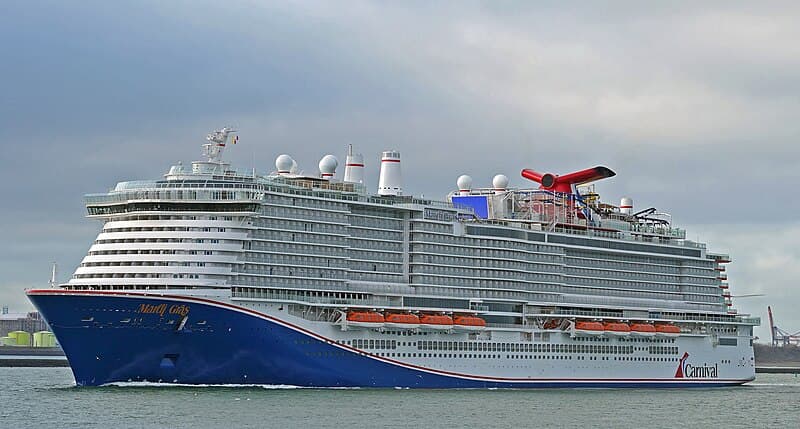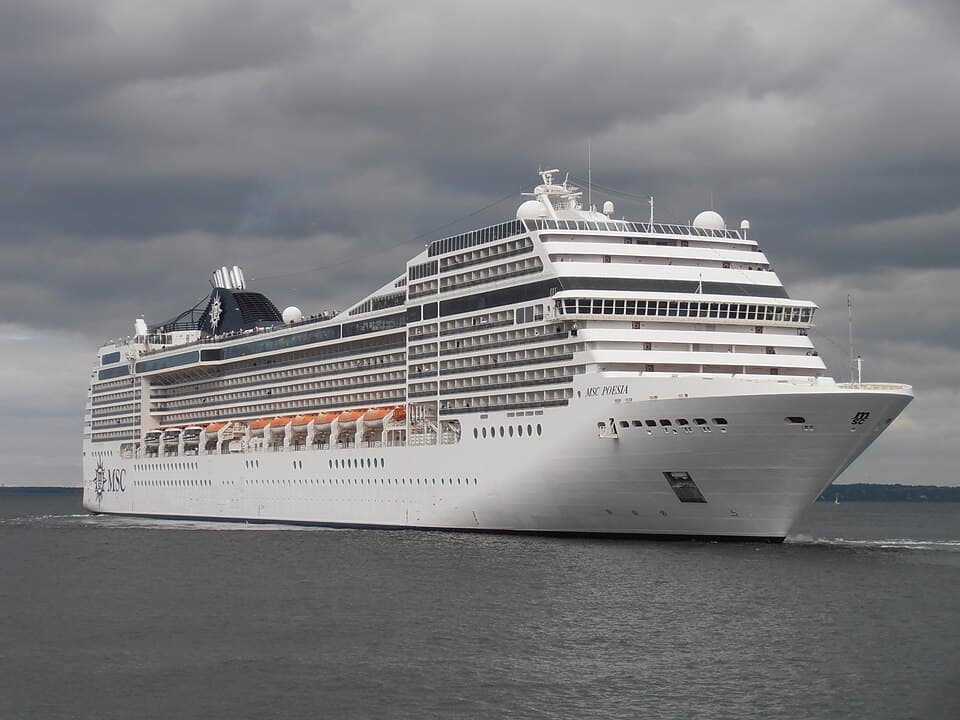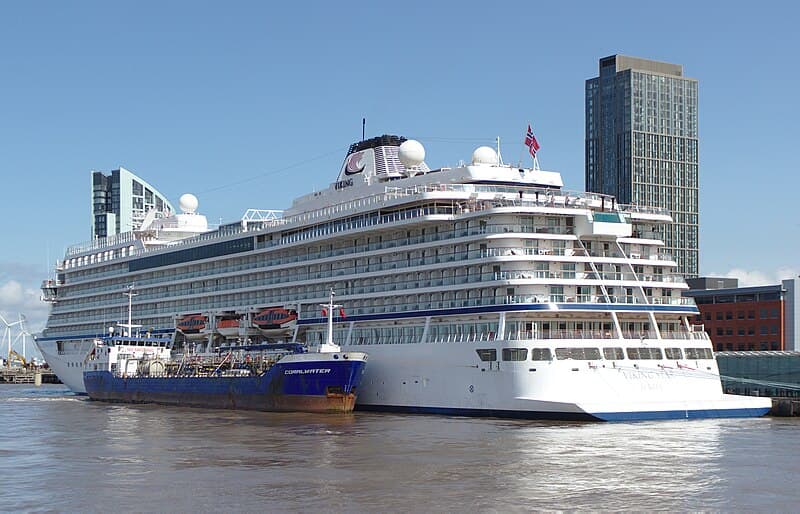
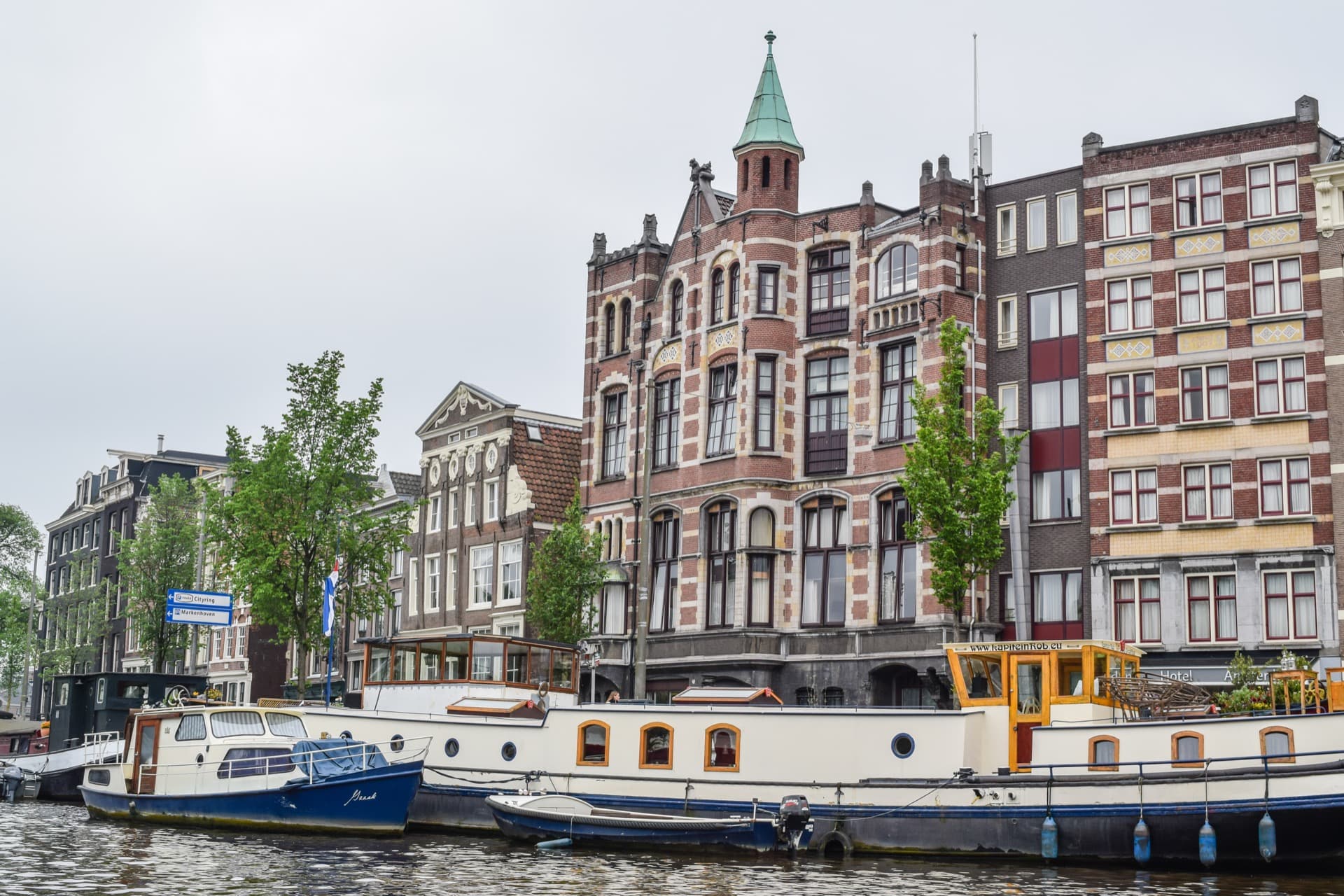
The word "cruise" covers a lot of ground. A 7-night Royal Caribbean sailing with 6,000 passengers, three waterslides, and a rock climbing wall shares almost nothing in common with a 14-night Viking river voyage through the heart of France, docking in village squares where the gangway connects directly to a Saturday market.
Both are good vacations. They're just completely different ones. Here's an honest look at what actually separates them.
Decided on ocean cruising? Browse current ocean cruise sailings on Cruisebound →
The Ships: Scale, Speed, and Intimacy
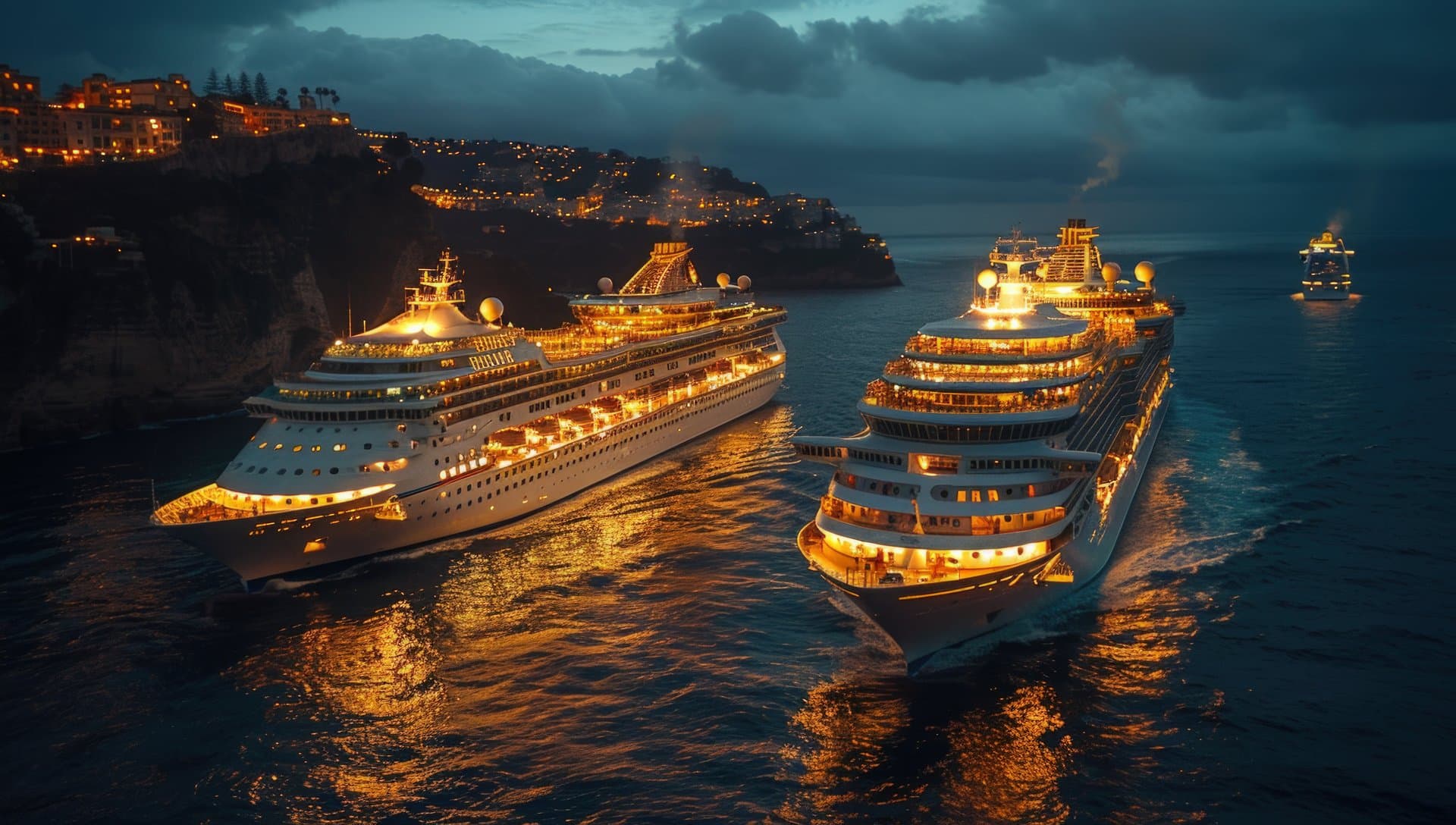
The most immediate difference is size.
An ocean ship like Wonder of the Seas carries over 7,000 passengers across 18 decks and is longer than the Eiffel Tower is tall. A river ship like Viking's Longship carries 190 passengers across two or three decks and is roughly as long as a standard city block.
This isn't just a logistical distinction, it fundamentally changes how the experience feels.
On ocean ships:
You can go hours without seeing the same person twice
There are multiple pools, multiple restaurants, bars scattered across the ship
Entertainment venues seat hundreds or thousands
The ship has a city-like quality; getting from bow to stern takes real time
On river ships:
You'll know the names of most fellow passengers by day three
There's typically one restaurant (open seating), one lounge, one bar
Cabins are smaller but well-appointed; river ships compete on cabin quality rather than amenity breadth
The ship feels like a boutique hotel that moves
River ships are also constrained by the waterways they navigate. European rivers have low bridges and narrow locks, some so tight that a ship's wheelhouse must hydraulically fold down to pass through. This is why river ships are long and flat-bottomed rather than tall and wide.
River Cruise | Ocean Cruise | |
|---|---|---|
Typical passenger count | 130–190 | 500–7,600 |
Ship length | 110–135m | 200–365m |
Decks | 2–3 | 14–20 |
Passenger-to-crew ratio | ~1:1 | 2:1 to 3:1 |
Pool | Sun deck dipping pool (some ships) | 1–10 full pools |
Casino | No | Usually yes |
Shows/entertainment | Minimal | Extensive |
Itinerary Style: Destinations vs Experience

Mifaso Cruise-Approved Power Strip
- Cruise-approved (no surge protector) with multiple USB ports
- Compact design fits perfectly on the narrow cabin nightstand
Cruise cabins have limited outlets, this solves the charging problem without tripping ship safety rules
View on AmazonThis is the sharpest contrast between the two products.
Ocean itineraries are built around the ship. The ports are highlights, often fascinating highlights, but sea days and onboard activities are equally part of the offering. A typical 7-night Caribbean itinerary might include 4 sea days and 3 port calls. Many passengers spend the majority of their time aboard.
River itineraries are built around the destinations. Most European river voyages include a port stop every single day, often docking in the historic centre of a city, not at a distant terminal, but at a quay where you walk directly off the gangway into the old town. You might have two port stops in a single day: a morning in Würzburg and an afternoon in Bamberg.
This changes your relationship with the ship entirely. On a river cruise, the ship is your hotel; the waterway is your transport; the destinations are the point.
The trade-off is that river ships don't offer sea days in the traditional sense, there's no lazy day at the pool between ports. Days are full, and the pace can feel relentless if you're not accustomed to it. Some passengers find they need more rest time than the itinerary allows.
Pro tip: Most river cruise operators offer optional excursions rather than mandatory group activities. You can always skip an afternoon walking tour and stay aboard for a quiet afternoon on the sun deck. The ship doesn't lock you into participation.
Inclusions: What's in the Price
This is where the pricing comparison gets complicated, and where ocean cruises often look cheaper than they are, and river cruises look more expensive than they are.
Typical ocean cruise inclusions
Cabin
All meals in the main dining room and buffet
Non-alcoholic beverages with meals
Onboard entertainment (shows, pools, activities)
Port fees and taxes (sometimes added separately)
Typical river cruise inclusions (Viking, AmaWaterways, Avalon)
Cabin
All meals, including specialty dining
Wine, beer, and soft drinks with lunch and dinner (most operators)
Shore excursions at every port
Gratuities
Sometimes: flights, pre/post-cruise hotel nights, airport transfers

Cruise Door Organizer 24 Pockets Magnetic
- 24 clear pockets attach magnetically to the metal cabin door
- Holds sunscreen, lanyards, snacks, and small items
The single most recommended cruise hack, turns your cabin door into instant storage
View on AmazonWhen you price an ocean cruise equivalent with a drinks package ($70–100/day per person), daily shore excursions ($50–150/person/day), and gratuities ($18–20/day), the gap between ocean and river pricing narrows considerably, though rarely closes entirely.

5-Pack Cruise Lanyards Waterproof
- Waterproof holders protect your cruise card at the pool and on excursions
- Five lanyards for the whole family
Your cruise card is your key, wallet, and ID, a waterproof lanyard keeps it safe and accessible
View on AmazonA realistic all-in budget comparison for a 7-night voyage:
Ocean (7 nights) | River (7 nights) | |
|---|---|---|
Cabin + meals | $800–$1,500/person | $2,500–$5,000/person |
Drinks package | $490–$700/person | Included |
Shore excursions (5 ports) | $250–$750/person | Included |
Gratuities | $126–$140/person | Included |
Realistic total | $1,666–$3,090/person | $2,500–$5,000/person |
River cruises remain pricier on a like-for-like basis, but the premium is smaller than the headline price suggests, and the experience is structurally different enough that direct price comparison only goes so far.
Demographics: Who Actually Goes

DIYMAG Magnetic Hooks 6-Pack
- Super-strong neodymium magnets stick to cabin walls and ceilings
- Hang hats, bags, towels, and lanyards anywhere
Cruise cabin walls are steel, magnetic hooks turn every surface into storage
View on AmazonOcean cruises
Modern ocean cruising has diversified considerably. A Carnival Fun Ship sailing to Nassau attracts a different demographic than a Viking Ocean voyage to the Norwegian fjords, but mainstream ocean cruising broadly spans:
Families (especially school holidays and summer)
Younger adults on budget-friendly Caribbean sailings
Couples of all ages
Multi-generational group travel
Party-oriented young adults on short Bahamas cruises
The demographic range reflects the size and entertainment breadth of ocean ships. There's something for most people, and lines compete explicitly on the diversity of their passenger mix.
River cruises
River cruises have a narrower demographic profile. The core audience is:
Couples aged 55–70, often empty-nesters
Culturally motivated travellers who prioritise history and cuisine over entertainment
Experienced ocean cruisers looking for a different pace
Solo travellers (most operators offer solo supplements or dedicated solo cabins)
Viking, by far the largest river cruise operator, markets explicitly to this profile, and its product is well-calibrated for it. Families with children under 18 are generally not accommodated; some operators explicitly prohibit passengers under 18.
This isn't a knock on river cruising, it's a product design choice that creates a coherent experience for its audience.
Seasickness and Motion
One of the most common reasons people gravitate toward river cruises is a history of motion sickness on ocean voyages.
River ships operate on sheltered inland waterways. Wave action is minimal, and the wide, flat-bottomed hulls of modern river vessels are engineered for stability. Passengers who struggle on ocean ships almost universally report no issues on rivers.
If motion sickness has limited your ocean cruise experiences, river cruising removes that variable entirely. See our cruise seasickness prevention guide for managing it on ocean sailings if you want to try both.

EPICKA Universal Travel Adapter
- Works in 150+ countries with US/EU/UK/AU plug types
- Built-in USB-A and USB-C ports
Mediterranean and Asian itineraries need different plugs at every port, this one adapter covers them all
View on AmazonEntertainment and Onboard Life
The contrast here is stark and intentional.
Ocean ships offer entertainment that competes with land-based leisure: Broadway-calibre production shows, live comedy, ice skating, professional boxing, FlowRider wave simulators, laser tag, escape rooms, indoor sky-diving simulators (on Royal Caribbean's newest ships), and casinos running 24 hours.
River ships offer: a lounge with a pianist or small ensemble in the evenings, a bar, nightly enrichment lectures about the next day's ports, and a library. This is it, and it's by design.
The assumption on a river cruise is that you've spent your day ashore, you've walked 8–12 miles through medieval streets, eaten local food, visited a museum, and you're now happy to have a quiet drink, a good dinner conversation, and an early night.
If that sounds like a perfect evening, river cruising suits you. If it sounds like you'd be stir-crazy by day three, ocean ships are a better fit.
The Best River Cruise Routes
For context, these are the routes that attract the most passengers and deliver the most consistent experiences:
Rhine & Moselle (7–14 nights, Amsterdam to Basel). Rhine castles, medieval wine villages, Strasbourg, Cologne cathedral. The most popular river cruise in the world.
Danube (7–14 nights, Budapest to Nuremberg). Budapest, Vienna, Bratislava, Passau, and the Wachau Valley wine region. Spectacular autumn foliage.
Douro (7 nights, Porto to Salamanca). Port wine country, terraced vineyards, hilltop villages. Portugal and northwest Spain. Smaller ships, more intimate scale.
Seine (7 nights, Paris roundtrip): Normandy beaches, Rouen, Honfleur, Monet's garden at Giverny. Paris bookending both ends.
Rhône (7 nights, Lyon to Avignon): Provence lavender, truffle markets, Beaujolais wine country, Pont du Gard.
Mekong (10–14 nights, Vietnam and Cambodia), Hội An to Angkor Wat. A more expedition-oriented experience; less polished but deeply memorable.
Which Type Is Right for You?
Choose ocean cruising if:
You want entertainment options and activities throughout the day and night
You're travelling with children or teenagers
Budget is a significant factor
You want sea days with no agenda
You haven't cruised before and want to understand what cruising feels like
You want a wide choice of dining styles and venues
Choose river cruising if:
You prioritise destination immersion over onboard entertainment
Motion sickness has been an issue on ocean voyages
You prefer an older, quieter, more conversation-oriented atmosphere
You want a fully inclusive experience with excursions, wine, and tips included
You're a returning ocean cruiser who wants something fundamentally different
You're specifically interested in European history, architecture, and wine culture
You might want both: Many experienced river cruisers do one ocean voyage and one river voyage every year. They genuinely don't compete for the same experience.
Browse ocean cruise ships by size to explore the fleet range, or use our ship comparison tool to see how specific ships stack up on space, amenities, and ratings. If you're leaning ocean and deciding between lines, see our best cruise lines compared breakdown.