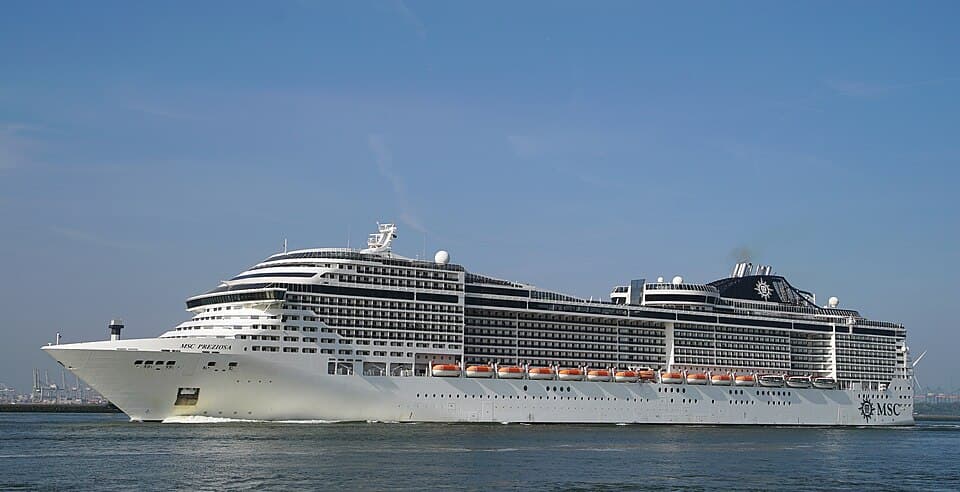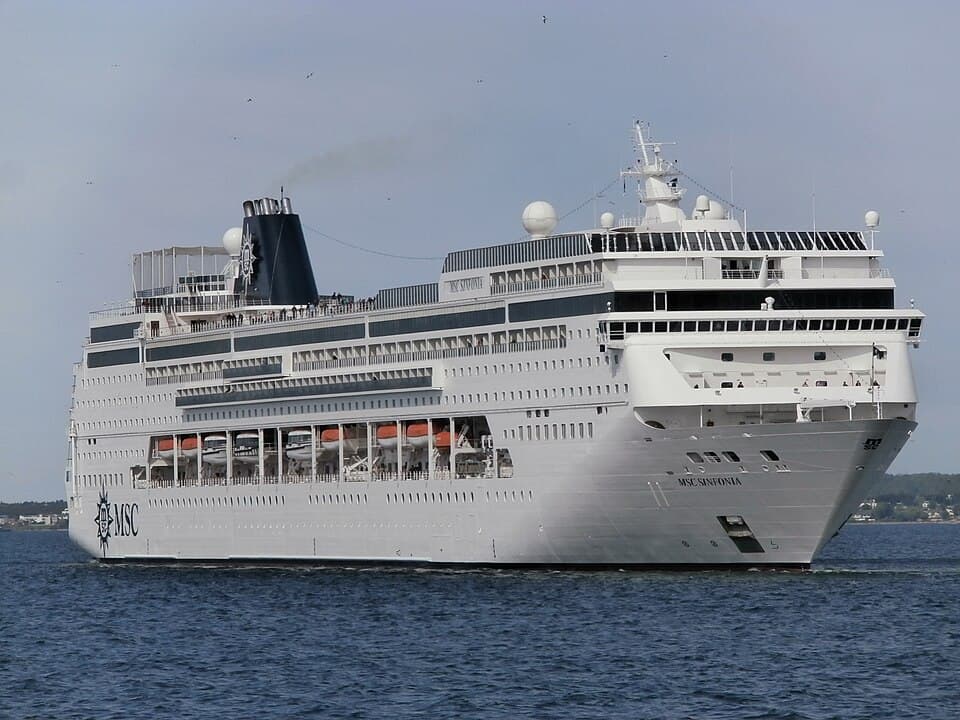
MSC Cruises is the fastest-growing major cruise line in the world, and most Americans still haven't heard of them. That gap is closing fast. They've added US homeports, expanded Caribbean itineraries, and built some of the most ambitious new ships in the industry.
MSC is different from the US lines in ways that go beyond price and destinations. It's a European company (headquartered in Geneva, founded in Naples) with a genuinely international passenger base. You'll hear French, Italian, Spanish, and German on a typical MSC sailing. The onboard culture reflects that. More formal in some ways, more caffeinated in others, with a style sensibility that feels distinctly European.
Overview: What MSC Does Best
MSC Cruises is the world's largest private cruise company and the third largest overall by fleet capacity. Founded in 1987 as a sideline to the MSC container shipping business, they've grown into a genuine major player with 21 ships, more than 80 destinations, and annual investments running into the billions.
Their edge: extraordinary value at the entry price, genuinely stunning ship design (the Italians know interiors), and a new-ship building pace that keeps the average fleet age low. MSC World Europa was named the world's most beautiful cruise ship by multiple industry publications in 2022.
The drawbacks are real for American passengers: service standards can be inconsistent, English-language passenger support is thinner than at the US lines, and the included food quality has historically been weaker. These gaps have narrowed significantly on the newer ships but haven't closed entirely.
MSC also operates the Yacht Club. A ship-within-a-ship luxury enclave available on most vessels. It's frequently cited as the best value premium-cruise-within-mainstream-cruise product in the industry.
The Fleet
MSC operates 21 ships with more on order. The World class represents the cutting edge:
World Class (the flagships)
MSC World America. 215,863 GT, 6,762 passengers, 2025. First World-class ship designed specifically for the Americas market, homeporting in Miami.
MSC World Europe. 215,863 GT, 6,774 passengers, 2024. Sister ship with European aesthetic focus.
MSC World Europa. 215,863 GT, 6,762 passengers, 2022. The design showpiece. LNG-powered, features the longest aquapark at sea.
MSC Euribia. 181,541 GT, 6,327 passengers, 2023. Green-tech focused, designed for Northern Europe and Mediterranean routes.
Virtuosa / Grandiosa Class
MSC Virtuosa. 181,541 GT, 6,334 passengers, 2021. MSC's first fully autonomous surface vessel pilot programs.
MSC Grandiosa. 181,541 GT, 6,334 passengers, 2019. Strong Mediterranean performer.
MSC Bellissima. 171,598 GT, 5,686 passengers, 2019. Features Zoe AI assistant in every cabin.
The rest of the fleet. Seashore, Seashore, Seascape, Seashore, Fantasia, Splendida, Divina, etc.. Span a wide range of ages and sizes. The Seashore and Seascape (launched 2021-2022, ~5,600 passengers) are strong mid-fleet performers. Older ships (Armonia, Sinfonia, Opera, Lirica) are smaller, older, and significantly more basic. They serve budget European market routes.
Like Carnival, fleet age matters on MSC. A World-class or Seashore-class sailing is a completely different experience from a budget sailing on a 20-year-old Musica-class ship.
Destinations & Itineraries
MSC's strongest market is Europe. Specifically the Mediterranean. Their European coverage is unmatched: Western Med (Barcelona, Marseille, Genoa, Rome, Naples, Palermo), Eastern Med (Venice, Corfu, Mykonos, Santorini, Athens, Istanbul), and Northern Europe (Amsterdam, Bergen, Copenhagen, the Norwegian Fjords).
For American travelers, MSC's European itineraries represent genuine value. Often significantly cheaper than Royal Caribbean or Norwegian on the same routes, with newer hardware on several sailings. The Mediterranean season runs April through October.
Caribbean coverage has expanded significantly. MSC Ocean Cay, their private island in the Bahamas, opened in 2019 and has become a major asset. Bioluminescent bays, beaches curated for MSC passengers only, and a surprisingly uncrowded atmosphere compared to Royal Caribbean's Coco Cay.
MSC World America's 2025 launch was specifically designed for the US market. Homeporting in Miami with Caribbean itineraries targeting American families. This represents MSC's strongest push yet at the US mainstream market.
Also worth noting: MSC sails South America, West Africa, and the Arabian Gulf on routes no major US line touches. If you want unusual itineraries, MSC has them.
Dining
MSC's included dining has historically been the brand's weakest point. Particularly on older ships where the MDR quality felt mass-produced in a way that even Carnival managed to escape. On the World-class ships, this criticism is less valid. The main dining room food has improved substantially.
The buffet (Market Place) is massive on the larger ships. 11 stations across multiple sections covering Mediterranean, Asian, and American cuisine. Quality is adequate, variety is impressive, and it's open for extended hours.
Specialty dining is strong. The steakhouse Butcher's Cut is consistently rated among the best specialty restaurants in mainstream cruising. Generous portions, excellent quality, fair pricing at $35-$45/person. Ocean Cay restaurant (seafood focus) and Kaito Sushi are good alternatives.
The Yacht Club inclusion covers all meals in a dedicated restaurant. And the Yacht Club restaurant quality is distinctly higher than the MDR. If you're considering MSC, the Yacht Club is worth pricing out: the included dining alone often justifies part of the premium.
Drinks: MSC offers an Easy Package (soft drinks/water, $10-15/day), Classic Package (well spirits and beer, ~$35/day), and Premium Package (~$55/day including top-shelf and specialty cocktails). These are reasonable by industry standards and the "all adults in cabin" rule is more flexible than Carnival's CHEERS! requirement.
Entertainment & Activities
MSC entertainment is Cirque du Soleil. Full stop. The partnership started in 2016 and MSC remains the only cruise line in the world with Cirque du Soleil performances built into the ship. Shows like Syma, Vaonis, and others have dedicated purpose-built theaters with aerial rigging. These aren't watered-down versions, they're legitimate Cirque productions.
The caveat: Cirque shows are not free on most MSC ships. Expect to pay $25-$35 per person. On some promotions they're included. It's worth paying. The production quality is unlike anything else at sea.
Pool deck entertainment is more European in style. More live music, less organized game-show content. The atmosphere tends to be lower-key than Carnival but still social. The Aqua Park on World Europa is the longest at sea: seven slides, including a near-vertical drop slide. MSC Seashore also features significant external platform walkways that extend over the ocean.
The Capsule Lounge (technology-forward bar) and the LED dome venues on World-class ships are genuinely innovative. The design investment shows. MSC casinos are large and well-appointed, typically running later than US-line equivalents.
For families: MSC has partnered with LEGO for dedicated LEGO areas on newer ships (MSC Seashore, World Europa). The Doremi Kids Club is well-regarded for children 3-12, and the Teen Lounge programming is above average.
Cabins & Staterooms
MSC's cabin design is, simply, the best-looking in mainstream cruising. The Italian aesthetic sensibility translates to fixtures, finishes, and color palettes that feel more considered than the functional-but-generic approach of the US lines. On World-class ships in particular, even standard interior cabins feel like a boutique hotel room rather than a budget cruise box.
Interior cabins run 160-175 square feet. Balcony staterooms at 230-270 square feet. Slightly larger than Royal Caribbean equivalents. Premium balcony cabins often include whirlpool bathtubs on higher decks.
The MSC Yacht Club is the standout product. It operates as a ship-within-a-ship: dedicated restaurant, dedicated pool deck and sundeck, 24-hour butler service, priority embarkation, and a dedicated lounge with complimentary premium drinks. The Yacht Club experience at MSC pricing is frequently cited as the best value in "premium adjacent" cruising. At 40-60% less than a comparable experience on Celebrity or Princess, it's a legitimate opportunity for travelers who want luxury touches without luxury prices.
One cabin quirk: MSC cabin sizes vary more dramatically within classes than US lines. Check exact dimensions for your specific ship and cabin category before booking.
Loyalty Program: MSC Voyagers Club
MSC Voyagers Club tiers: Classic (0-1,799 points), Silver (1,800-3,299), Gold (3,300-6,999), Diamond (7,000-16,999), Black (17,000+). Points earned based on cruise nights and cabin type, with multipliers for Yacht Club.
The program is less mature than Crown & Anchor or VIFP. The benefits at lower tiers are fairly thin (priority check-in at Gold, modest OBC). Diamond and Black tiers unlock meaningful perks: complimentary specialty dining credit, spa discounts, and the MSC Black Card, which provides dedicated boarding lanes and onboard recognition.
For American first-time MSC passengers, the loyalty program should be a secondary consideration. The primary reason to sail MSC is the onboard product and pricing. The loyalty rewards build from there.
Pros & Cons
Pros:
Cirque du Soleil is unique in the cruise industry. Genuinely exceptional entertainment
MSC Yacht Club delivers premium-cruise value at mainstream prices
Best ship interior design in mainstream cruising by a significant margin
Mediterranean and European itinerary depth far exceeds US competitors
Ocean Cay private island is less crowded than Royal Caribbean's Coco Cay
Drink package pricing is fair and the "all adults" policy is more flexible than Carnival
MSC World America's Miami launch gives US travelers easy access to the flagship experience
Cons:
English-language customer service is less smooth than US lines. Language gaps reported
Older fleet ships (Musica, Armonia, Opera class) significantly under-deliver vs. the new hardware
MDR food quality still trails Royal Caribbean and Carnival on the older ships
Cirque du Soleil shows cost extra. The headline entertainment isn't fully included
App and digital experience lags behind Royal Caribbean significantly
Loyalty program benefits thinner at lower tiers than Crown & Anchor
US passenger infrastructure (embarkation, port services) still catching up compared to mature Florida homeports
Pricing
MSC's base fares are among the most aggressive in mainstream cruising. Mediterranean sailings on older ships can be found for under $80/person/night during off-peak periods. Genuinely among the cheapest European cruising available. The new World-class ships price closer to Royal Caribbean levels but remain competitive.
The Caribbean pricing from MSC World America (Miami homeport) positions them directly against Royal Caribbean and Carnival at competitive rates. Watch for MSC's flash sales. They run deep discounts on repositioning sailings and shoulder-season dates.
The Yacht Club premium runs 60-100% above standard cabin pricing. On a 7-night Caribbean sailing, expect an additional $1,000-$2,000 per person for Yacht Club. Given what's included (butler service, dedicated restaurant, premium drinks, private pool deck), it represents the strongest value premium-cabin product in mainstream cruising.
All MSC sailings are searchable on Cruisebound, the multi-ship, multi-port search makes comparing MSC World America against competing Caribbean departures straightforward.
Browse MSC Cruises sailings on Cruisebound
Final Verdict
MSC Cruises is the most underrated major cruise line for American travelers. The ship design is exceptional, the Cirque du Soleil partnership is unique, the Yacht Club is the best value premium product in mainstream cruising, and the European itinerary coverage beats every US competitor.
The catches are real: service consistency lags US lines, the older fleet is significantly weaker than the new ships, and the digital experience is behind. These are improving rapidly as MSC invests in the US market, MSC World America's 2025 Miami launch signals how seriously they're chasing American passengers.
If you've only sailed US-branded lines, an MSC sailing feels distinctly different: not better or worse across the board, but genuinely different in culture, aesthetic, and rhythm. For travelers who've cruised the US lines and want something new, MSC delivers that. For Mediterranean itineraries in particular, they're the first line to consider.
Best for: European itinerary seekers, luxury-value hunters (Yacht Club), design-conscious travelers, and anyone looking for an alternative to the US-brand mainstream experience.
Disclosure: Some links on this page are affiliate links. When you book through Cruisebound via our links, we may earn a commission at no extra cost to you. This doesn't influence our reviews.
Ready to book? See live MSC deals. MSC consistently runs some of the lowest balcony prices in the Mediterranean and the Caribbean.