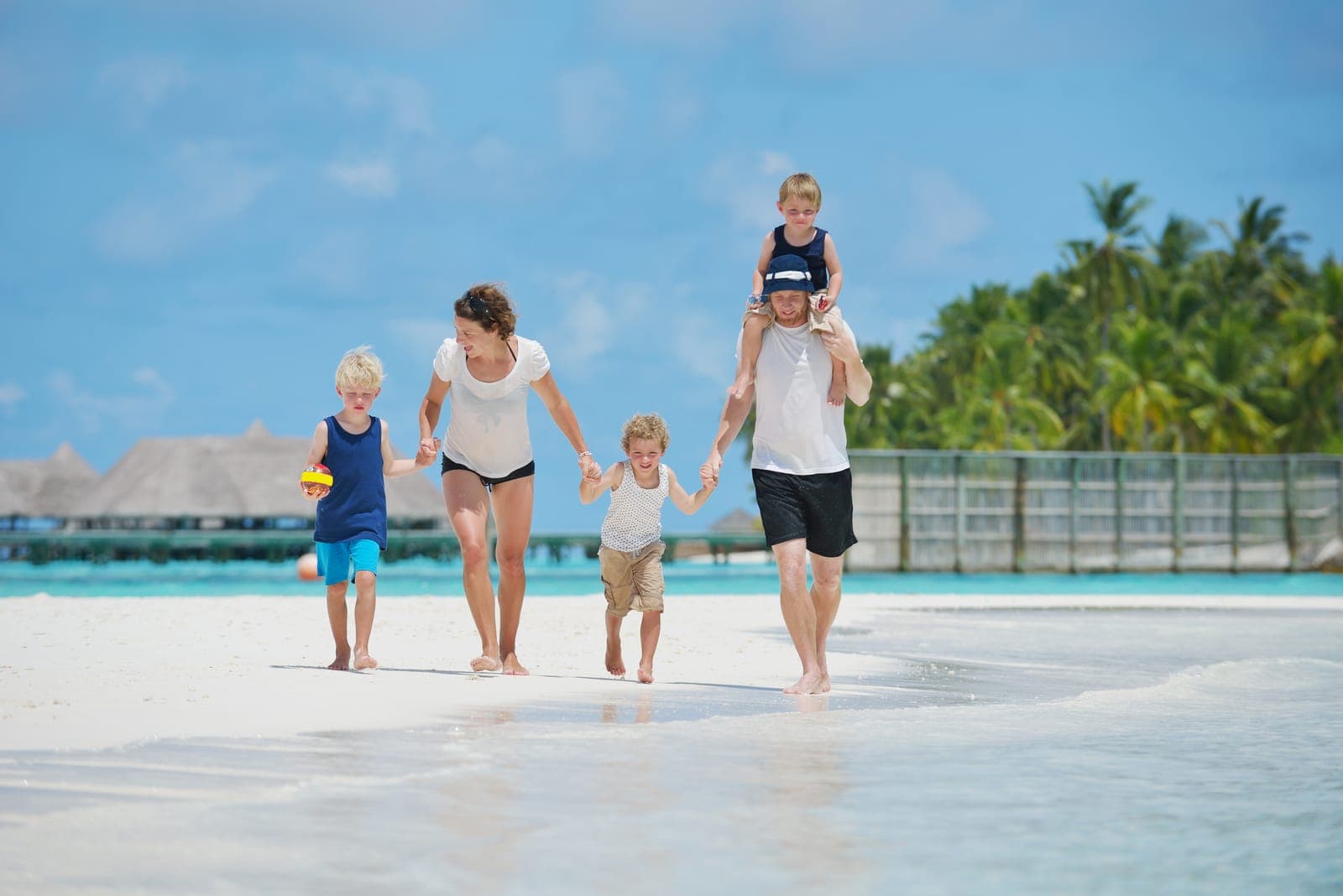
The first family cruise is either a revelation or a cautionary tale, and the difference almost always comes down to ship selection. I've seen families have transformative weeks on Icon of the Seas and miserable ones on an older vessel that happened to be cheap. I've also seen the reverse. A small, well-run ship with an excellent kids club that outperformed every mega-ship expectation.
This guide is what I wish I'd had before our first family cruise: practical, honest, and specific enough to actually use.
For ship-by-ship comparisons, see our family ships database or use the cruise compare tool to stack options against each other.
Ready to book the family trip? Browse family cruise sailings on Cruisebound →
Step One: Choose the Ship, Then the Destination
Most families book a destination first, "we want to go to the Caribbean", and then find the cheapest ship serving that region. That's backwards.
The destination matters far less than the ship for families with young children. A 7-night Caribbean itinerary on a ship with an excellent kids club, a family pool, and well-designed cabins will be dramatically more enjoyable than the same itinerary on a ship with cramped communal spaces and a kids program that runs two hours a day.
Book the ship. The ports are secondary.
What to Look For in a Family Ship
Age-appropriate kids clubs: Programs should have distinct age bands. Not just a single "kids club" that tries to serve a 3-year-old and a 12-year-old simultaneously.
Family cabin configurations: Can four people actually sleep comfortably? A standard inside cabin with two adults and two children is 170-220 square feet of genuine chaos. Look for ships with family staterooms (bunk beds in a dedicated second sleeping area) or connecting cabin inventory.
A dedicated family pool area: Ships with a single pool serving all passenger ages can feel crowded and hard to navigate with toddlers. The best family ships have a Splash Pad or toddler water play area separate from the main pools.
Buffet dining open for all three meals: With kids, flexibility in meal timing is not optional. Ships where the buffet closes at 2:30 p.m. create real problems for families managing nap schedules.
Best Ships for Families in 2025

DIYMAG Magnetic Hooks 6-Pack
- Super-strong neodymium magnets stick to cabin walls and ceilings
- Hang hats, bags, towels, and lanyards anywhere
Cruise cabin walls are steel, magnetic hooks turn every surface into storage
View on Amazon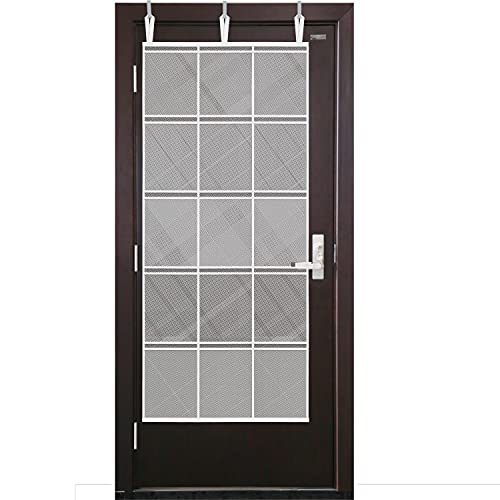
Cruise On 15-Pocket Over-Door Organizer
- 15 pockets hang over the cabin door with hooks
- Clear pockets let you find items at a glance
The OG cruise door organizer, proven design that just works
View on Amazon
Neosmuk Magnetic Hooks 80lb
- 80-pound pull force holds heavy jackets, camera bags, and backpacks
- Rubber coating prevents scratches on cabin surfaces
When you need to hang a heavy winter coat or camera bag on an Alaska cruise
View on Amazon
LOVIMAG Magnetic Hooks 12-Pack
- 12-pack covers a full cabin with hooks to spare
- Strong enough for hats and light bags
Families need more hooks, 12 means everyone gets their own hanging spots
View on AmazonRoyal Caribbean Icon of the Seas
Icon of the Seas is the most talked-about family ship in the industry right now, and for older kids (8 and up) it's genuinely extraordinary: six waterslides, the Surfside neighborhood designed specifically for young families, a full AquaDome indoor waterpark, and a kids club (Adventure Ocean) that runs sturdy programming across five age bands.
The honest caveat: it's enormous. 7,600 passengers at full capacity means queues for activities, restaurants that require 45-minute advance reservations, and a scale that can be overwhelming for young children and anxiety-prone adults. If your kids are 10+, it's the best ship afloat for them. If you have toddlers, the sheer size works against you.
Best for: Families with children 8-17.
Disney Wish
Disney Wish is the best ship in the fleet for families with children under 8. The staff-to-child ratio in the Oceaneer Club is the highest of any mainstream cruise line. The Disney characters are integrated into the ship's programming (not occasional walk-arounds), and the Bibbidi Bobbidi Boutique, Frozen dining experience, and Marvel Super Hero Academy create genuine magic for young children.
The ship is smaller than Royal Caribbean's mega-ships, about 4,000 passengers, which means shorter queues and easier navigation for parents with strollers.
Best for: Families with children 3-10 who value Disney IP and character experiences.
Carnival Jubilee
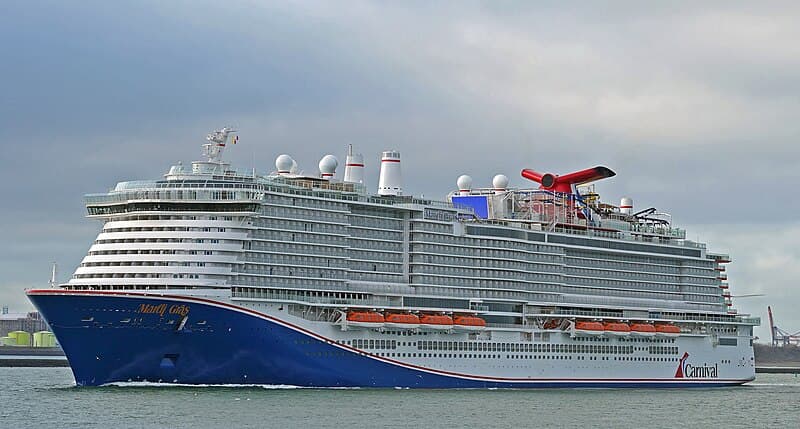
Carnival Jubilee is the best-value family ship in the mainstream market. The Excel-class design includes WaterWorks (5 slides, including the Kaleid-O-Slide), the BOLT roller coaster, dedicated family dining venues, and Camp Ocean kids club programming. Carnival's food options are broader and more kid-friendly than the ship's reputation sometimes suggests. The Guy's Burger Joint and Blue Iguana Cantina are free and reliably excellent.
Best for: Budget-conscious families with children 5-14 who don't need luxury finishes.
Norwegian Bliss
Norwegian Bliss is a strong choice for families with teenagers. The go-kart track, laser tag arena, and the Broadway production ("Jersey Boys" or "The Brat Pack" depending on sailing) give teens something to do independently that isn't just the pool. Splash Academy kids club is solid if unspectacular. The cabin configuration options, including The Haven family villas, are among the most genuinely spacious family accommodations at sea.
Best for: Families with tweens and teenagers (11-17).
Kids Clubs by Age Band
Infants and Toddlers (6 Months - 2 Years)
Disney's It's a Small World Nursery is the best infant/toddler facility at sea. Trained nursery staff, sensory play equipment, and a booking system that guarantees your spot rather than making you wait. Norwegian's Kids Crew nursery and Royal Caribbean's Royal Babies & Tots program are solid alternatives. Carnival does not operate a dedicated nursery for children under 2.
All nursery programs charge hourly rates ($6-8 per hour). This is normal and worth budgeting for.
Preschool (3-5 Years)
This age group benefits most from themed, structured environments. Disney's Oceaneer Club has branded zones (the Marvel room, the Andy's Room Toy Story space) that genuinely hold a 4-year-old's attention for hours. Royal Caribbean's Adventure Ocean has science and creative arts programming. Look for programs with dedicated play equipment, not just tablet stations.
Practical tip: Register children for the kids club on embarkation day, not the next morning. The registration process takes 20-30 minutes and involves consent forms, allergy registration, and photo ID for pickup authorization. Do it while you're doing everything else on day one, not while your kid is melting down waiting to get in the door.
Early School Age (6-9 Years)
This is the easiest age group to cruise with. Children are old enough to participate in most ship activities, young enough to want the structured environment of a kids club, and typically not yet at the phase of wanting complete independence. Every major line's kids club programming hits its stride at this age band. Science experiments, cooking classes, talent shows, and movie nights are all standard.
Tweens (10-12 Years)
Tweens occupy an awkward gap: often too old for the youngest kids club programming but not quite old enough for teen spaces. The best ships have a dedicated tween program. Royal Caribbean's Edge program (ages 12-14) and Norwegian's Tween programming do this well. Carnival's Club O2 starts at age 12. Disney's Edge program (ages 11-14) offers tech-focused activities that this age group tends to engage with more readily than arts and crafts.
Teenagers (13-17 Years)
Teens on cruise ships fall into two camps: those who embrace the ship's teen facilities and have the time of their lives, and those who find the whole thing awkward and spend the week in the cabin. The difference is almost always the ship. Norwegian and Royal Caribbean have dedicated teen spaces with actual programming, sports competitions, music activities, social evenings, rather than just a lounge with video games.
Let teenagers have input into the itinerary. A 15-year-old who co-chose the ship and one or two port excursions will be a dramatically better travel companion than one who was informed about the cruise two weeks before departure.
Family Cabin Options
Connecting Cabins
Two standard cabins with an interior door between them. Gives everyone space, maintains separate sleeping areas, and costs roughly 30-40% less than a family suite. The downside: you're paying for two balconies if you want balcony access, and the second cabin often has a less desirable location.
Best strategy: Book connecting cabins early (12+ months out) because they're limited inventory and book fast. Filter specifically for "connecting" when searching. Not all adjacent cabins have the connecting door option.
Family Staterooms
Single-room configurations designed for 4-5 passengers: a main sleeping area for the adults, a pull-down or bunk bed section (sometimes behind a privacy curtain) for the children. Royal Caribbean's Family Ocean View cabins are 271 square feet. Tight but functional. Disney's Deluxe Family staterooms at 304 square feet with the split-bathroom configuration are the most intelligently designed family cabin in mainstream cruising.
Family Suites and The Haven
Norwegian's The Haven complex includes Haven Family Villas with two bedrooms, two bathrooms, and butler service. Expensive ($4,000-7,000 per week for the cabin itself), but genuinely spacious. Royal Caribbean's Owner's Suite configurations on larger ships can accommodate families of 5-6. Disney's Concierge-level two-bedroom suites include a private deck, plunge pool, and dedicated concierge staff.
If budget allows, a family suite on a mid-size ship often delivers a better experience than a cramped cabin on the mega-ship everyone's talking about.

Cruise Door Organizer 24 Pockets Magnetic
- 24 clear pockets attach magnetically to the metal cabin door
- Holds sunscreen, lanyards, snacks, and small items
The single most recommended cruise hack, turns your cabin door into instant storage
View on AmazonDining with Kids
The Buffet Is Your Friend
On sea days with young children, the buffet handles the reality that your 5-year-old wanted waffles at 8:30 a.m. and pasta at 11:45 a.m. and is now inexplicably not hungry during the 1 p.m. main dining room sitting. Stop fighting the main dining room on port days. Use it for dinner when the evening is slower.
Main Dining Room Strategy
Book the early seating (typically 5:30 or 6 p.m.) rather than the late seating (8 p.m.). Children are more cooperative before 7 p.m. than after. On lines with flexible/anytime dining (Norwegian, MSC), eat at 5:30 p.m. when the dining room is half-empty. You'll get better service and your server will actually have time to accommodate picky orders.
Most cruise ship main dining room menus have a dedicated children's menu with chicken tenders, pasta, burgers, and pizza. These are not hidden. Ask your server on night one, and they'll bring it automatically every subsequent evening.
Specialty Dining with Kids
Most specialty restaurants (sushi, steakhouses, Italian bistros) don't have separate children's menus. A few do. Johnny Rockets on Royal Caribbean, Guy's Pig & Anchor on Carnival, and Ocean Blue on Norwegian are good for families. For specialty dining evenings without kids, the late-night kids club session ($5-7/hour) makes a proper adults' dinner realistic.
Shore Excursions That Work with Children
What Works
Beach club days are the most reliable family shore excursion. You pay a flat day-pass rate ($40-80 per adult, $20-40 per child), get a sun lounger, access to a pool and the beach, and usually lunch included. The structure, a fixed, supervised environment with calm water and food on-site, is ideal for young children. Royal Caribbean's Perfect Day at CocoCay is the gold standard of this format.
Animal encounters work well for children 5 and up: butterfly gardens in Nassau, sea turtle experiences in Barbados, the dolphin encounter at Discovery Cove (accessible from Port Canaveral). Verify age requirements in advance. Many wildlife experiences have minimums.
Glass-bottom boats and snorkel tours are appropriate from age 6-8 upwards, depending on swimming confidence. Most reputable operators provide child-sized snorkel gear and have patient staff for first-timers.
What to Avoid
Long bus tours (3+ hours of driving) with children under 8
Full-day historical city tours for children under 10
Any excursion with a minimum age above your child's age, check before booking
Heat-intensive activities in the 1-3 p.m. afternoon window, this is nap time for younger kids, and the Caribbean afternoon sun is serious
Tendering Ports
At tender ports (where the ship anchors and ferries you to shore by small boat), the tender process can take 30-45 minutes each way with queues. With a stroller and a toddler, this is genuinely unpleasant. Consider skipping tender ports when traveling with children under 3, staying on the ship for a quieter pool day is often a better use of that time.
Practical Notes
Motion sickness: Children are often more susceptible to seasickness than adults. Consult your pediatrician before departure. Children's Dramamine (dimenhydrinate) is effective and available without prescription. Ginger chews are a non-medicated alternative. The safest cabins for motion sensitivity are midship on a lower deck.
Sun protection: The Caribbean sun at noon in summer is intense. Reef-safe SPF 50 is required in many ports and at many ship pools, not just recommended. Reapply every 90 minutes in the water. Rash guards are more practical than sunscreen reapplication for toddlers and young children.
Nap scheduling: The 1-3 p.m. window is sacred with children under 4. Structure shore excursions to return before noon or plan the day's activity for the morning. An overtired toddler on a tender boat at 3 p.m. is an experience no one wants.
For more on choosing the right ship, see our best family cruise ships guide or compare ships side by side using cabin capacity, kids club rating, and waterslide availability as your primary filters.