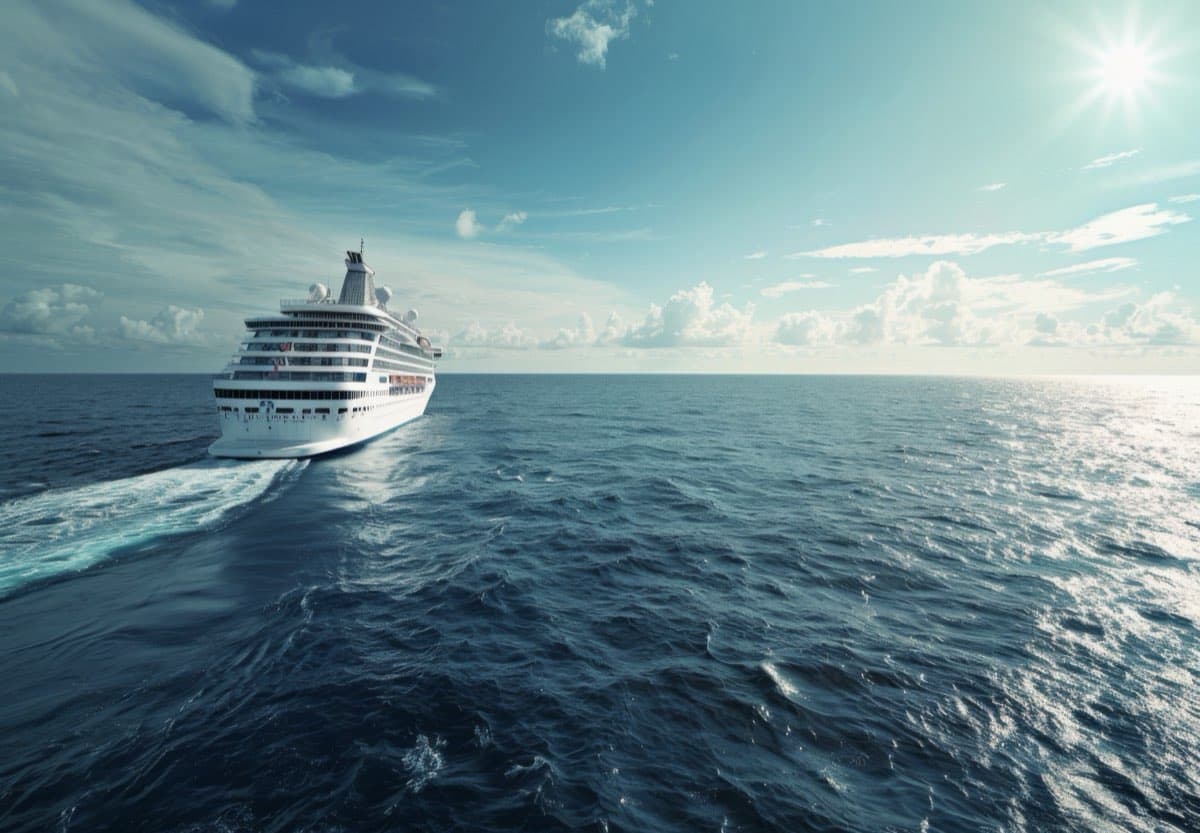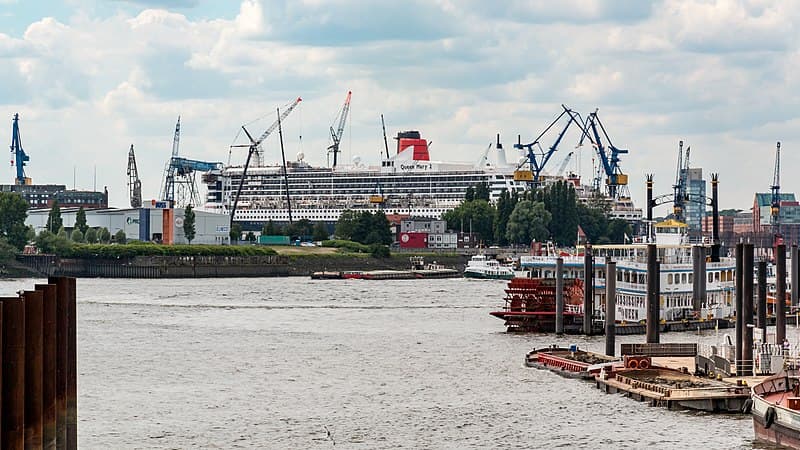

Cunard is worth it if you want a genuine ocean liner experience, not a resort ship, built around formal tradition, tiered dining service, and regular transatlantic crossings between New York and Southampton. The Queen Mary 2 in particular is one of the only ships still doing scheduled transatlantic crossings as a primary itinerary rather than an occasional repositioning cruise. If formality and heritage don't appeal to you, this is not the line to start with.
What the line is known for
Cunard trades on more than a century of ocean liner heritage, and it leans into that identity rather than softening it. The line is known for white-glove service standards, a class-tiered experience that shapes dining and some public spaces, and an onboard culture that still expects formal nights to be taken seriously rather than treated as optional. Cunard Insights, the line's onboard lecture series featuring notable speakers, is a signature feature that reinforces the line's more intellectual, less party-focused positioning.
Ships and itineraries
The flagship is Queen Mary 2, purpose-built for transatlantic crossings and still the ship most associated with the Cunard brand. Queen Victoria and Queen Elizabeth round out the fleet with more conventional cruise itineraries alongside occasional crossings and world cruise segments.
The transatlantic crossing itself, several days at sea between North America and the UK, is a genuinely different product from a typical Caribbean or Mediterranean cruise. There are fewer port days and more sea days by design, which suits travelers who want the crossing experience itself rather than a string of excursions.
Dining
Cunard's dining is tiered by cabin category into different dining rooms: Britannia for standard cabins, and Princess Grill and Queens Grill for higher suite categories, each with its own dedicated dining room and service level. This tiered system is more pronounced on Cunard than on almost any competing line, and it's a deliberate part of the brand's identity rather than an afterthought.
Specialty dining exists but plays a smaller role than on mainstream lines, since the main dining rooms themselves are positioned as the centerpiece of the onboard food experience, particularly for Grill-class guests.
Cabins
Cabin categories map directly to the dining tier system, so choosing a cabin on Cunard is also choosing which dining room and service level you'll get for the whole voyage. Grill-class suites include a noticeably higher service tier than Britannia-class cabins, more so than the typical suite-versus-standard gap on other lines.
Onboard activities and enrichment
Beyond Cunard Insights, the line's onboard programming leans toward the same intellectual, low-key register that defines its dining and dress culture. Ballroom dancing classes and evening dances are a genuine fixture on Cunard ships, supported by professional dance hosts on many crossings, a feature that has largely disappeared from mainstream cruise lines. The Planetarium aboard Queen Mary 2 is one of the more unusual features in the industry, offering shows unavailable on virtually any competing ship. Passengers looking for waterslides, escape rooms, or high-energy game shows will find Cunard's activity list noticeably quieter than a typical mainstream megaship.
What to pack for a Cunard voyage
Formal nights on Cunard are more frequent and more strictly observed than on most mainstream lines, so packing at least one tuxedo or dark suit for men and a formal dress for women is close to essential rather than optional. Layers matter on transatlantic crossings specifically, since the North Atlantic can turn cool and windy even in summer, unlike a Caribbean itinerary. A good book or two is worth packing given the number of sea days on a crossing, though the ship's library and enrichment lectures fill much of that time too. Comfortable shoes for the ballroom dance floor are a small but real addition if that is part of your plan for the voyage.
Booking timing and cabin tips
Transatlantic crossings on Queen Mary 2 tend to book up further in advance than typical Caribbean sailings, particularly for the Grill-class suites, so booking six months or more ahead gives you the widest cabin selection. Repositioning-season crossings, in spring and fall, sometimes carry lower fares than the peak summer schedule, since demand shifts toward Cunard's more conventional cruise itineraries at that time. Britannia Club cabins, a step above standard Britannia, add a modest dining perk without the full Grill-class price jump, a useful middle option for first-time Cunard cruisers. Checking the specific crossing's day count against your vacation time matters more here than on a typical port-heavy cruise, since five or six sea days in a row is a different pace than most cruisers expect.
Cost and value on a transatlantic crossing
A transatlantic crossing fare often looks comparable to a similar-length Caribbean cruise on paper, but the value proposition is different, since you are paying for the crossing experience and enrichment programming rather than a string of port excursions. Onboard gratuities and specialty dining charges apply much as they do on other cruise lines, though Grill-class fares already include a higher baseline service level. One-way flights, since you will likely fly back or out from the opposite side of the Atlantic, are a real added cost that first-time crossing passengers sometimes forget to budget for. Repositioning crossings in shoulder seasons tend to offer the strongest value for travelers who want the experience without paying peak summer pricing.
First-timer mistakes on Cunard
First-time Cunard cruisers sometimes underestimate how seriously formal nights are enforced and arrive without appropriate clothing, an oversight that stands out far more here than on a casual mainstream ship. Booking a Britannia cabin while expecting Grill-class dining and service is another common mix-up, since the tiered system means your cabin category determines your entire onboard dining experience. Travelers expecting a high-energy, activity-packed ship are sometimes surprised by how much of a crossing is built around sea days, lectures, and quieter pursuits rather than pool deck entertainment. Reading up on Cunard Insights speakers and the ballroom dance schedule before you sail helps set the right expectations for the pace of the voyage.
Entertainment and formal nights in detail
Cunard schedules more formal nights per voyage than most mainstream competitors, and the line treats the distinction between formal, semi-formal, and casual evenings as a real part of the onboard culture rather than a suggestion. Evening entertainment includes West End-style production shows, live orchestras for ballroom dancing, and themed evenings tied to the line's heritage. Casino and bar culture exists onboard but takes a back seat to the more structured evening programming that defines a Cunard night at sea. Guests who embrace the dress code and evening structure tend to report the most satisfaction with the line, a pattern reflected in typical passenger reviews.
Who it suits
Cunard suits travelers who want a formal, tradition-heavy cruising style, history and ocean-liner enthusiasts, and anyone specifically wanting a scheduled transatlantic crossing rather than a conventional port-heavy itinerary. It also suits cruisers who want Cunard Insights-style enrichment programming over pool decks and waterslides.
Who should skip it
Skip Cunard if formal nights and a class-tiered onboard culture sound unappealing rather than charming, that structure is central to the brand and not something the line is moving away from. Families chasing waterparks and casual, high-energy programming should also look elsewhere.
Common questions
Is Cunard the same as a regular cruise line?
Not exactly. Cunard positions itself as an ocean liner company first, with genuine transatlantic crossings as a core product, which sets it apart from lines that only offer conventional port-to-port cruise itineraries.
Do I need to dress formally every night on Cunard?
Formal nights are a real, enforced part of the culture, more so than on most mainstream lines, though the exact frequency depends on the voyage length and itinerary.
Which cabin tier should first-time Cunard cruisers book?
Britannia-class is the standard entry point and gives a full sense of the ship. Grill-class is worth considering if the tiered dining experience itself is a big part of why you're choosing Cunard.
Cunard is a specific kind of trip, not a generic alternative to mainstream cruising, and it rewards travelers who want that specificity. Compare current Cunard sailings against current cruise deals, and use compare sailings and prices to see how a transatlantic crossing stacks up against a conventional itinerary. Once you've booked, track any cruise ship live to follow Queen Mary 2's position at sea. For more premium and luxury options, see our best luxury cruise lines roundup.