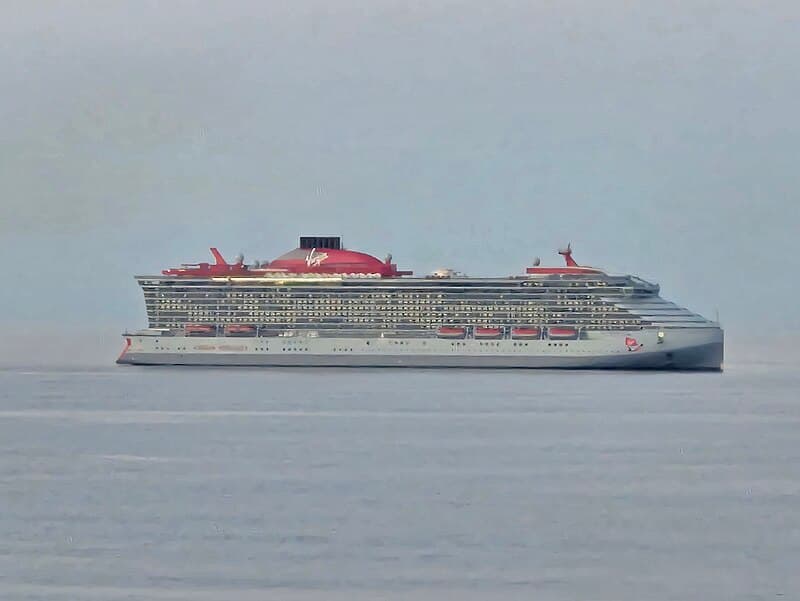
Virgin Voyages is the adults-only, all-dining-included line built for couples and friend groups who want boutique-hotel energy at sea. Royal Caribbean is the mega-ship generalist built for families and thrill-seekers, with the biggest slides, the most kids' clubs, and the widest price range in the industry. Pick Virgin for a quieter 18-plus trip with no dining upcharges hiding in the fine print. Pick Royal Caribbean if kids are coming along or you want scale and itinerary choice.
Ships and fleet
Virgin Voyages runs a small, consistent fleet: Scarlet Lady, Valiant Lady, Resilient Lady, and Brilliant Lady. Each ship is similarly sized and similarly designed, so booking any of them gets you roughly the same onboard experience with small variations in layout and venue names. There is no confusion about which ship is "the good one." They're all built to the same adults-only blueprint.
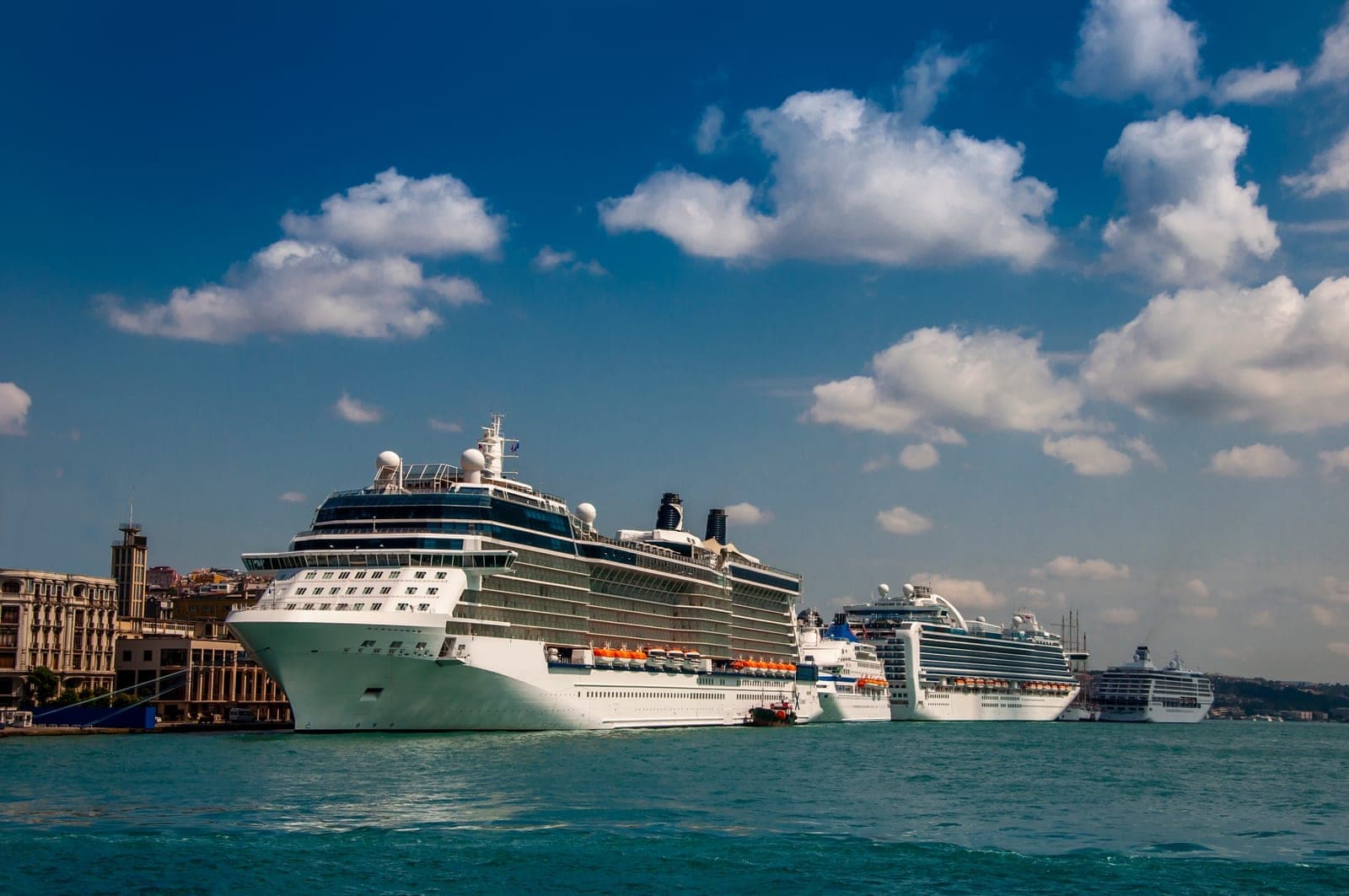
Royal Caribbean's fleet spans decades and categories, from older Vision-class ships up through Oasis-class and the newer Icon-class megaships. That range is the whole point. A couple looking for a smaller, calmer ship on a short Caribbean run and a family chasing the biggest waterpark at sea can both book Royal Caribbean and get very different trips. The line also owns Perfect Day at CocoCay, a private Bahamas destination with a waterpark and the tallest waterslide in North America, which shows up on many Caribbean itineraries.
Dining
Virgin skips the traditional main dining room entirely. Instead, more than a dozen restaurants are included in the base fare, no formal nights, no set seating times, and no per-person cover charge on most venues. You do need to book tables in advance on busy nights, since popular restaurants fill up fast, but nothing on the standard dining lineup costs extra.
Royal Caribbean runs the more familiar model: a included main dining room and buffet, plus a roster of specialty restaurants (steakhouse, Italian, teppanyaki, and more depending on the ship) that carry a cover charge or come bundled in a dining package. Formal night is still part of the culture on longer sailings, though enforcement has loosened over the years.
Cabins
Virgin's signature cabin feature is the Sea Terrace, a category that includes a real indoor-outdoor balcony space even in some of the lower price tiers, which is unusual for a line at this price point. At the top, RockStar Suites add butler-style service and expanded living space.
Royal Caribbean's cabin range is enormous: small interior and promenade-view rooms at the budget end, standard balconies in the middle, and on Oasis-class and Icon-class ships, loft suites and "neighborhood" concepts with private pools and dedicated concierge service. Family-connecting cabin configurations are common on the larger ships, which matters if you're traveling with more than two people.
Kids and family versus adults-only
Virgin Voyages has no kids' clubs, no children's programming, and no exceptions. The line is genuinely 18-plus, which is a feature for the couples and friend groups it's built for and a hard no for anyone traveling with children.
Royal Caribbean built much of its brand around family cruising: age-segmented kids' clubs, teen-only lounges, waterparks, rock climbing walls, and family suite categories built for four to eight people. If anyone in your group is under 18, this comparison is effectively decided already.
Price and value
Virgin's fares bundle in gratuities and standard dining, so the number you see is closer to an all-in price before drinks and Wi-Fi. That makes budgeting simpler even if the sticker price looks higher than a bare-bones Royal Caribbean fare.
Royal Caribbean base fares are often lower, sometimes noticeably so, but specialty dining, drink packages, gratuities, and excursions stack on top. The line also runs the widest spread of price points anywhere in cruising, from budget interior cabins to six-figure suite categories, so "expensive" and "cheap" both apply depending on how you book.
Itineraries and home ports
Virgin Voyages sails from a shorter list of home ports than Royal Caribbean, with Miami, Fort Lauderdale, and a handful of European departure points anchoring most of its Caribbean and Mediterranean itineraries. Sailings run mostly in the four- to nine-night range, aimed at travelers who want a long weekend or a full week without committing to back-to-back weeks at sea. The smaller fleet means fewer simultaneous departure options on any given week, so travelers with a fixed vacation window sometimes need to check availability further out than they would with a bigger competitor.
Royal Caribbean sails from nearly every major cruise port in North America, plus a wide network in Europe, Asia, and Australia, giving it the broadest home port list in the industry. That reach means a family in Texas, a couple in New Jersey, and a retired couple in Seattle can all find a Royal Caribbean ship leaving from a drivable port, which cuts airfare out of the budget entirely for a large share of its passengers. Itinerary length runs from short three-night getaways up through two-week-plus repositioning and transatlantic sailings, covering nearly every trip length a traveler could want.
Private destinations factor into both lines' itinerary planning, though differently. Royal Caribbean's Perfect Day at CocoCay is a full private island built around a waterpark and beach clubs, and it shows up on a large share of the line's Caribbean itineraries as a marquee port day. Virgin Voyages does not currently operate a private island of its own, so its Caribbean itineraries lean more heavily on traditional port stops instead.
Booking windows also differ in practice. Virgin's smaller fleet and adults-only positioning mean popular sailing dates, especially around holidays and long weekends, can sell out faster relative to available cabins than a comparable Royal Caribbean sailing would. Royal Caribbean's sheer inventory size, with multiple ships often departing the same week from different ports, gives shoppers more fallback options if a first-choice sailing is already full.
The deciding factors
A couple celebrating an anniversary who wants a quiet ship, included dining, and no children running through the pool deck should book Virgin Voyages without much hesitation, the line was built for exactly that trip. A family with kids under 18, in any combination, should treat this comparison as already decided in Royal Caribbean's favor, since Virgin's adults-only policy has no exceptions.
A first-time cruiser unsure whether they even like cruising is often better served by Royal Caribbean, simply because the range of ship sizes, itinerary lengths, and price points lowers the risk of picking the wrong first trip. A repeat cruiser who has already done a few mainstream sailings and wants something with a different design language and no formal night should give Virgin a serious look.
A large friend group or milestone celebration with a wide age range, some in their 20s, some in their 60s, tends to fit Royal Caribbean's broader venue mix better, since there's more for each subgroup to do independently before regrouping for dinner. A budget-first traveler chasing the lowest possible per-night rate will usually find it on Royal Caribbean, though it pays to price out Virgin's all-in fare against a Royal Caribbean fare plus the add-ons before assuming the sticker price tells the whole story.
Who should pick which
Couples, friend groups, and solo adult travelers who want a design-forward ship, included dining, and a quieter crowd should book Virgin Voyages. Families, multi-generational groups, first-time cruisers who want the broadest itinerary and price selection, and anyone chasing waterslides and rock walls should book Royal Caribbean.
Common questions
Can kids sail on Virgin Voyages?
No. Virgin Voyages is strictly 18 and older, with no exceptions for infants, toddlers, or teens, on any sailing.
Which line includes more in the base fare?
Virgin bundles more restaurants and gratuities into the base price. Royal Caribbean's included dining is limited to the main dining room and buffet, with the more popular venues costing extra.
Which is better for a first cruise?
Royal Caribbean, mainly on the strength of itinerary breadth, ship size range, and family flexibility if anyone in your party is under 18. Virgin is a better fit for repeat cruisers who know they want an adults-only trip.
Does Virgin Voyages have a private island?
No, unlike several competitors, Virgin Voyages does not currently operate a private island, and its itineraries rely on traditional Caribbean and Mediterranean port stops instead.
Which line has more home ports to choose from?
Royal Caribbean, by a wide margin. It sails from nearly every major cruise port across North America plus a large international network, while Virgin Voyages operates from a shorter list of ports concentrated in the Americas and Europe.
Both lines are strong at what they're built for, they're just built for different trips. Compare current fares for both against live sailings on current cruise deals, and use compare sailings and prices to see itinerary overlap by season. Once you've booked, you can track any cruise ship live from embarkation to your last port. For more family-first options beyond Royal Caribbean, see our best cruise lines for families roundup.