Mexican Riviera cruises sail the Pacific coast of Mexico, typically round-trip from Los Angeles or San Diego, and hit Cabo San Lucas, Mazatlan, and Puerto Vallarta on a standard seven-night loop. It is the natural West Coast counterpart to the Caribbean's Eastern and Western itineraries, built around beaches, water sports, and a genuinely different coastline than Florida-based cruises ever reach.
Signature ports
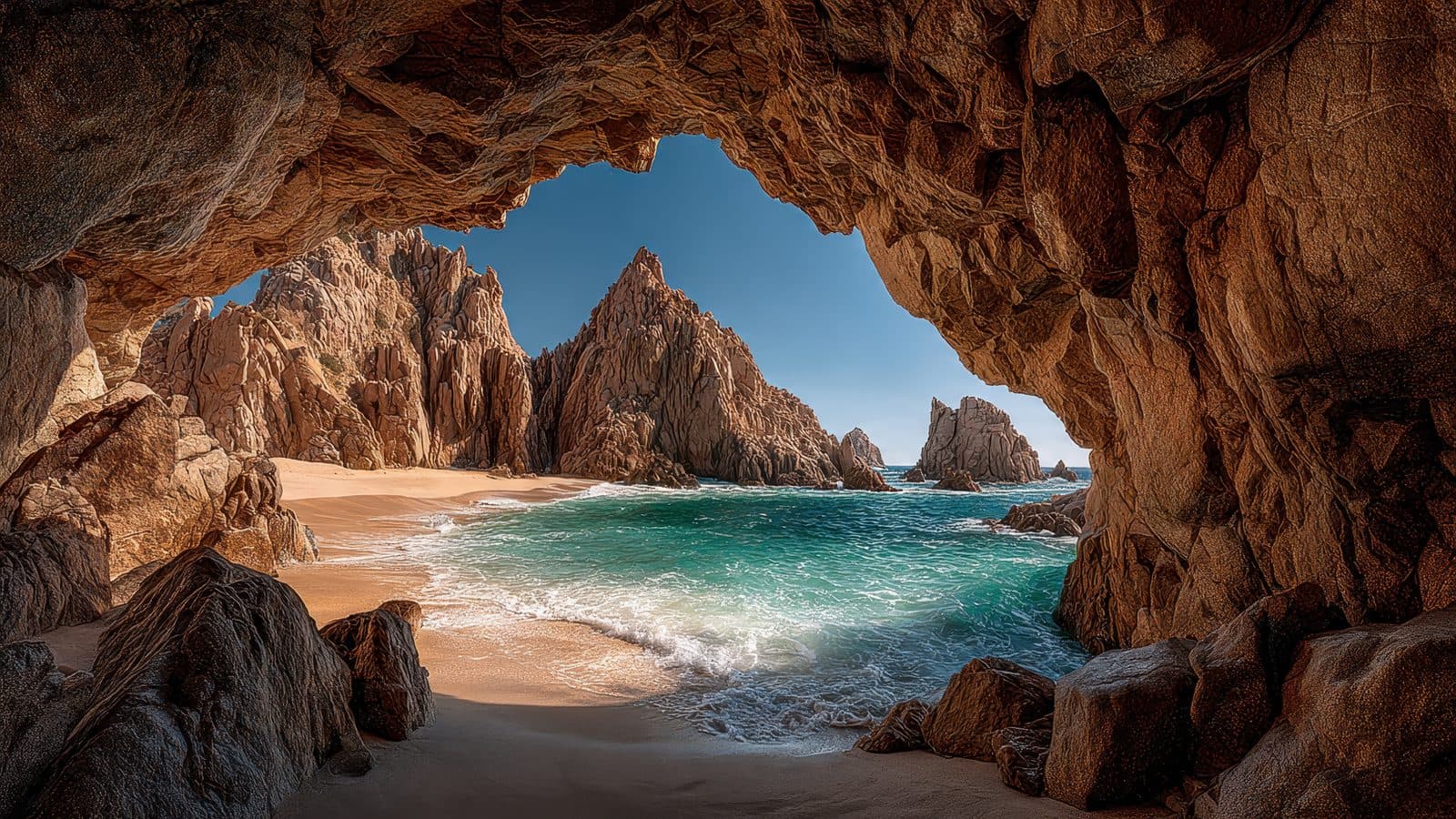
Cabo San Lucas sits at the tip of the Baja California peninsula, known for its dramatic rock arch, El Arco, and a lively marina and beach scene built around sport fishing and water sports. Mazatlan offers a more historic, less touristy old town alongside its beach resort area, with a walkable malecon along the waterfront. Puerto Vallarta combines a charming cobblestone downtown with a long resort strip and jungle-backed mountains rising directly behind the bay, giving it more scenic variety than the other two stops.
What the itineraries look like
The standard Mexican Riviera cruise runs seven nights round-trip from Los Angeles, sometimes San Diego, with two or three sea days built in given the distances between ports along this coastline. Some itineraries add Ensenada as an additional Mexico stop, particularly on shorter three- and four-night sailings that function as a quick introduction to cruising rather than a full week.
Best time of year
Mexican Riviera cruises run year-round, but fall and winter are the most popular months, when the weather along this stretch of Mexico's Pacific coast is warm and dry without the heavier summer humidity. Hurricane season for Mexico's Pacific coast overlaps roughly with the Atlantic season, June through November, so late-summer sailings carry the same general itinerary-adjustment risk as Caribbean cruises during that window.
Shore-day highlights
Cabo San Lucas is built for water: snorkeling, sport fishing charters, and boat tours out to the arch and nearby beaches are the default shore activities. Puerto Vallarta offers both beach time and inland options, including zip-lining and horseback riding in the surrounding mountains for travelers who want more than a beach day. Mazatlan's old town is worth a walking tour on its own, with colonial architecture and a cathedral near the central plaza that most cruise excursions include.

Water Shoes Quick Dry
- Quick-dry shoes for beach, snorkeling, and rocky shore walks
- Protective sole guards against coral and sharp rocks
Rocky Caribbean beaches and coral cuts are no joke, water shoes are a must
View on AmazonPacking for a Mexican Riviera cruise
Warm-weather clothing carries you through most of a Mexican Riviera itinerary, though a light jacket is worth packing for the first and last sea days sailing out of Los Angeles, where coastal weather can run cooler than the Mexican ports themselves. Comfortable water shoes matter for Cabo San Lucas specifically, given how much of the port day centers on boats, snorkeling, and rocky shoreline near the arch. A day bag for carrying sunscreen, water, and a camera works well across all three main stops, since each port day tends to run several hours between excursions and free time. Casual resort wear covers most evenings onboard, since this itinerary skews toward a relaxed, beach-vacation atmosphere rather than a formal one.

Coral Isles Reef-Safe Sunscreen SPF 30
- Reef-safe formula required by many Caribbean and Hawaiian ports
- SPF 30 mineral protection without oxybenzone or octinoxate
Many cruise ports now require reef-safe sunscreen, non-compliant bottles get confiscated
View on AmazonBooking timing and pricing
Fall and winter sailings, the region's peak season, typically carry higher fares than the quieter summer months, when heat and humidity along Mexico's Pacific coast are less appealing to most travelers. Booking four to six months ahead secures the best cabin selection for winter holiday sailings specifically, since demand concentrates heavily around the same weeks as Caribbean cruises. Shorter three- and four-night itineraries that add Ensenada tend to price lower than the standard seven-night route, making them a popular lower-cost entry point for first-time cruisers on the West Coast. Repositioning cruises, when ships move between Alaska and the Mexican Riviera seasonally, sometimes offer below-average pricing for travelers with flexible dates.
Cabin choice for this itinerary
A balcony cabin is worth considering for the sea days built into a standard seven-night Mexican Riviera sailing, since the Pacific coastline between ports offers genuine scenery worth watching from your own private space. Interior and oceanview cabins are a reasonable trade-off if your budget is better spent on excursions in Cabo or Puerto Vallarta, since port days here lean active rather than ship-focused. Cabins on higher decks handle the Pacific swell, sometimes more noticeable here than in the calmer Caribbean, a bit better than lower decks closer to the waterline. Families should prioritize proximity to the pool deck and kids' club given how much relaxed onboard time this itinerary's sea days include.
First-timer mistakes on Mexican Riviera cruises
New cruisers sometimes underestimate how much sea time this itinerary includes compared to a typical Caribbean cruise, and are surprised by two or three consecutive sea days between Pacific ports. Skipping advance research on Cabo's excursion options is a common misstep, since sport fishing charters and popular boat tours to the arch fill up quickly on busy port days. Some travelers also assume Ensenada offers the same experience as the three main ports, when in practice it is a smaller, quieter stop typically included only on shorter itineraries. Underestimating the drive time and traffic around Los Angeles on embarkation day is another frequent oversight for cruisers flying in the same morning.
Excursion costs and what to budget
Cabo San Lucas excursions vary widely in cost, from a modest snorkeling trip to a full-day sport fishing charter that can run considerably more per person given the boat and crew involved. Puerto Vallarta's zip-line and horseback riding tours in the surrounding mountains sit in a similar mid-range price bracket, reflecting the transportation and guiding required to reach inland sites. Mazatlan's walking tours through the historic old town are comparatively affordable, or free if explored independently, making it one of the more budget-friendly stops on the itinerary. Setting aside a larger excursion budget for Cabo and Puerto Vallarta, and a smaller one for Mazatlan, reflects how costs typically break down across the three ports.
Food and culture at each port
Cabo San Lucas leans into a resort-town food scene built around fresh seafood and beachfront restaurants, with ceviche and fish tacos among the most popular quick bites near the marina. Puerto Vallarta offers a more layered culinary scene, from cobblestone-street taquerias in the historic downtown to upscale dining along the resort strip. Mazatlan's old town rewards travelers looking for a more traditional Mexican food experience away from the cruise-heavy areas, with a cathedral-adjacent plaza surrounded by long-standing local restaurants. Trying regional specialties at each stop, rather than defaulting to familiar options, is one of the easiest ways to get more out of a Mexican Riviera itinerary.
Getting to Los Angeles or San Diego before your cruise
Los Angeles International Airport is the primary gateway for most Mexican Riviera sailings, with the port itself a reasonable drive away depending on traffic, which can be significant at peak travel times. San Diego offers a smaller, often less congested alternative airport and port combination for the sailings that depart from there instead. Spending a night in either city before your cruise reduces the risk of a missed sailing due to a delayed flight, particularly valuable given how notoriously unpredictable Los Angeles traffic can be on a tight embarkation-morning schedule. Both cities offer enough on their own, beaches, museums, and neighborhoods worth a day of exploring, to justify arriving a day early rather than flying in the morning of departure.
Documentation requirements
A passport is the simplest and most flexible form of identification for a Mexican Riviera cruise, though U.S. citizens on a closed-loop sailing from a U.S. port can technically travel with a birth certificate and government-issued photo ID instead. Carrying a passport still matters in case of an unexpected flight home or a missed-ship situation at any of the three Mexican ports. No visa is required for U.S. citizens visiting Mexico's Pacific ports on a standard cruise stop, since shore time falls well within standard tourist entry allowances. Checking your specific cruise line's documentation policy before you sail avoids any confusion at the terminal on embarkation day.
Sea days and what to expect onboard
The Mexican Riviera's longer stretches of open ocean between ports mean sea days play a bigger role here than on a typical Caribbean itinerary, and most ships schedule extra entertainment and activities to fill that time. Pool decks, spas, and casinos tend to see heavier use on these sea days, since there is no port call competing for passengers' attention. Some cruisers specifically choose this itinerary because they want more relaxed onboard time balanced against three genuinely different port experiences, rather than a port-every-day schedule. Checking your ship's daily program the night before each sea day helps you plan around popular activities before they fill up.
Who this cruise suits
Mexican Riviera cruises suit West Coast travelers who want a Caribbean-style beach vacation without flying across the country to reach a Florida homeport. It also suits repeat cruisers looking for a different coastline and culture than the Caribbean's standard rotation, since Mexico's Pacific ports have a distinct look and feel from the Caribbean side.
Common questions
Where do Mexican Riviera cruises depart from?
Most depart round-trip from Los Angeles, with some sailings also available from San Diego.
What ports are included on a Mexican Riviera cruise?
The standard lineup includes Cabo San Lucas, Mazatlan, and Puerto Vallarta, with shorter itineraries sometimes substituting or adding Ensenada.
How long is a typical Mexican Riviera cruise?
Seven nights is standard, usually with two or three sea days given the distance between ports along Mexico's Pacific coast.
Mexican Riviera cruises give West Coast travelers a full beach-and-culture week without an Atlantic crossing to reach it. Before you book, compare sailings, check current deals, and browse port guides for Cabo, Mazatlan, and Puerto Vallarta.