Founder & Cruise Expert
Avid cruise enthusiast who cruised so many times he decided to make it a career. Ian has sailed on over 30 cruise lines across 6 continents, from budget-friendly Carnival sailings to luxury Regent Seven Seas voyages. He built CruiseShipTracking to help fellow cruisers track ships, plan voyages, and find the best deals.
A full Panama Canal transit takes your ship from the Atlantic to the Pacific (or vice versa), passing through all three lock systems over 8-10 hours. It's a one-way voyage, typically 14-16 nights, starting in Fort Lauderdale or Miami and ending in San Diego or Los Angeles (or the reverse). A partial transit enters the canal, passes through one or two lock systems, and returns the same way. These are round-trip cruises of 8-12 nights. Full transits cost $1,500-$4,000+ per person for a balcony cabin. The best months are January through April (dry season). Holland America, Princess, and Celebrity are the most popular lines for Panama Canal cruises. Book a cabin on the starboard side (right) for eastbound transits or port side (left) for westbound to get the best views during the locks.
In This Article
We earn a commission when you book through our links at no extra cost to you. This does not affect prices. Learn more
The Panama Canal is one of those rare travel experiences that lives up to its reputation. Watching your cruise ship, a vessel the size of a 20-story building, squeeze through a concrete channel with just feet of clearance on either side, raised and lowered 85 feet by water alone, is engineering theater on a grand scale.
Every year, roughly 200 cruise ships transit the canal, carrying passengers from the Caribbean to the Pacific or back again. Some do the full crossing from ocean to ocean. Others enter the canal, pass through one or two locks, and return the same way.
This guide covers everything you need to know to choose, book, and enjoy a Panama Canal cruise. Whether you want the full bucket-list transit or a shorter taste of one of the world's greatest waterways.
Considering a Panama Canal cruise? Browse current Panama Canal cruise deals on Cruisebound. See live pricing on full and partial transit sailings.
How the Panama Canal Works
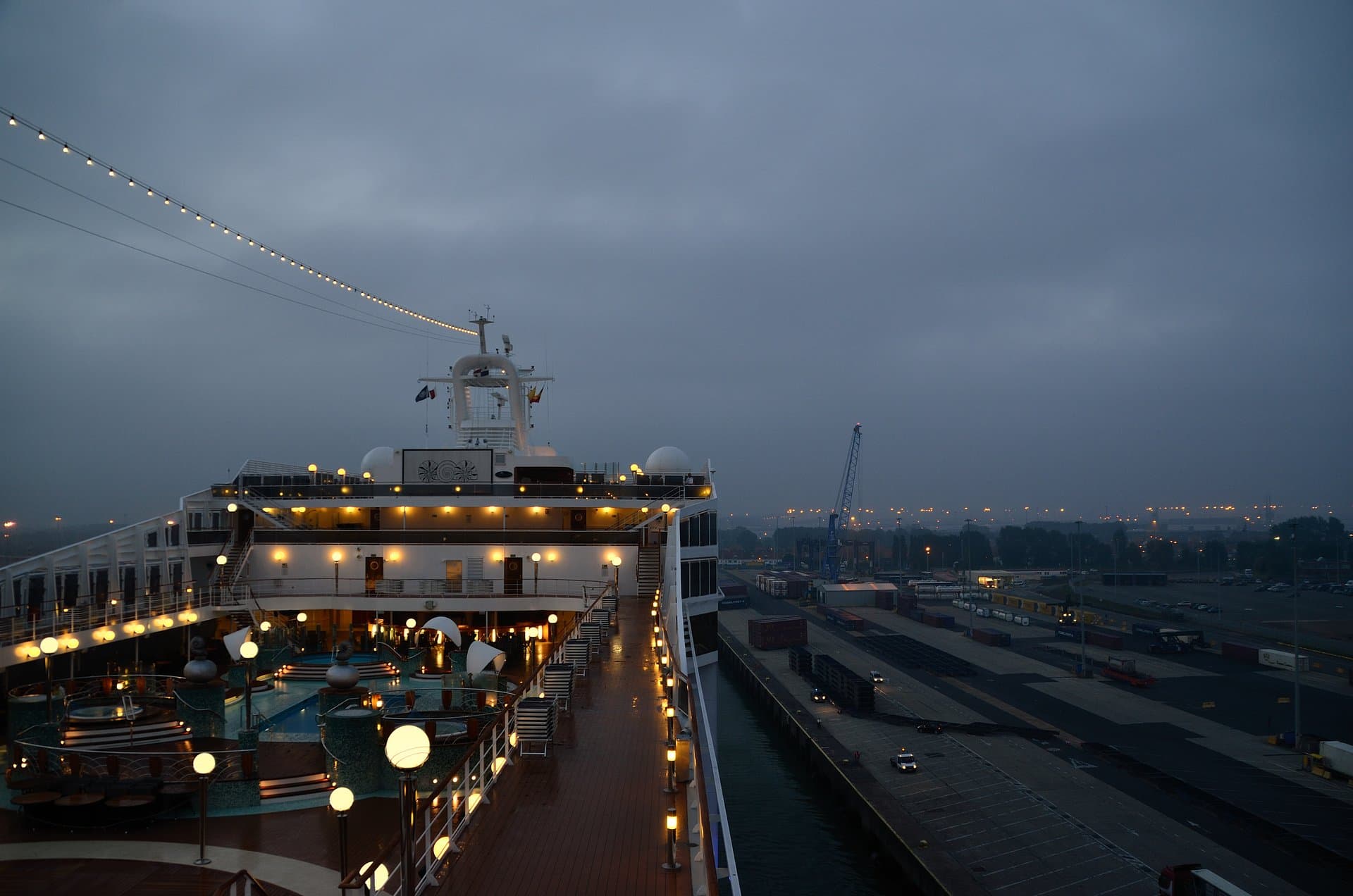
The Panama Canal is a 50-mile waterway connecting the Atlantic Ocean to the Pacific Ocean across the Isthmus of Panama. Ships don't simply sail through a channel. They're raised 85 feet above sea level to cross Gatun Lake, then lowered back to sea level on the other side.
The Lock System
The canal uses three sets of locks (the original 1914 locks and the expanded Neopanamax locks completed in 2016):
Atlantic Side:
Gatun Locks. Three chambers that raise the ship 85 feet from the Atlantic to the level of Gatun Lake
The Middle:
Gatun Lake. A massive artificial lake at 85 feet above sea level; ships cross approximately 24 miles of open water and narrow channels
Culebra Cut (Gaillard Cut). An 8-mile channel carved through the continental divide; the narrowest point of the canal
Pacific Side:
Pedro Miguel Locks. One chamber that lowers the ship 31 feet
Miraflores Locks. Two chambers that lower the ship the remaining 54 feet to the Pacific
Each lock chamber fills or drains 26 million gallons of fresh water from Gatun Lake. Entirely by gravity. No pumps. The same system designed in 1914 still works today, supplemented by the larger Neopanamax locks that opened in 2016.

ALMING 10-Pack Compression Bags No Pump
- Roll-down design compresses clothes without any pump
- Ten bags in assorted sizes
No pump means no extra gadget to pack, just roll and go
View on AmazonWhat It Looks Like From the Ship
When your ship enters a lock chamber, the massive steel gates close behind you. Water begins flowing in (going up) or draining out (going down), and you can feel the ship rising or sinking. Electric locomotives called "mules" run on tracks along the lock walls, attached to the ship by cables to keep it centered.
The clearance between the ship's hull and the lock walls can be as little as 2-3 feet on each side. This is visible from the ship's railings. You can practically reach out and touch the lock wall. On the Neopanamax locks, the clearance is slightly more generous, but it's still remarkably tight for the size of vessel passing through.
The entire process at each lock takes 60-90 minutes. It's slow, deliberate, and mesmerizing.
Full Transit vs Partial Transit
Full Transit
A full transit takes the ship completely through the canal from the Atlantic to the Pacific (or vice versa). This is the bucket-list experience.
Details:
Duration: 14-16 nights (one-way cruise)
Direction: Most commonly Fort Lauderdale/Miami to San Diego/Los Angeles or the reverse
Canal transit time: 8-10 hours
Lock systems crossed: All three (Gatun, Pedro Miguel, Miraflores)
Ports visited: 4-7 (varies by itinerary)
Pricing: $1,500-$4,000+ per person (balcony cabin, varies by season and line)
Flight logistics: You'll need a one-way flight to get home from the opposite coast
The experience: You wake up before dawn to watch the ship approach the first locks. The transit takes all day. By sunset, you've crossed an entire continent. The sense of travel, of genuinely going somewhere, is what sets a full transit apart from any other cruise.
Partial Transit
A partial transit enters the canal from the Caribbean side, passes through the Gatun Locks, crosses Gatun Lake, and returns the same way. Some partial transits go further, reaching the Pedro Miguel Locks before turning back.
Details:
Duration: 8-12 nights (round-trip cruise)
Homeport: Usually Fort Lauderdale, Miami, or Tampa
Canal experience: 4-6 hours (1-2 lock systems)
Lock systems crossed: Gatun Locks only (most common) or Gatun + Pedro Miguel
Ports visited: 3-5 Caribbean and Central American ports
Pricing: $800-$2,500+ per person (balcony cabin)
Flight logistics: Round-trip from the same homeport. No one-way flight needed
The experience: You still pass through the most dramatic locks (Gatun is the most impressive, with three consecutive chambers), cross Gatun Lake through the jungle, and get the quintessential canal experience. You just don't complete the full crossing.
Which Should You Choose?
Full Transit | Partial Transit | |
|---|---|---|
Duration | 14-16 nights | 8-12 nights |
Cost | $1,500-$4,000+ | $800-$2,500+ |
Flight logistics | One-way flight needed | Round-trip |
Canal experience | Complete (all locks) | 1-2 lock systems |
Port variety | Caribbean + Pacific | Caribbean focus |
Bucket-list factor | High | Moderate |
Best for | Once-in-a-lifetime experience | First-timers, shorter vacations |
Best Cruise Lines for Panama Canal
Holland America Line
Holland America runs more Panama Canal itineraries than any other cruise line and has been sailing the canal since it opened in 1914. Their ships are mid-size (ideal for the original locks), their onboard enrichment lectures are excellent (historian-led canal talks), and their passenger demographic skews older and more culturally curious. The kind of people who find lock mechanics genuinely fascinating.
Best ships: Nieuw Amsterdam, Zaandam, Volendam Transit type: Full and partial Price range: $1,800-$3,500 per person (balcony)
Princess Cruises
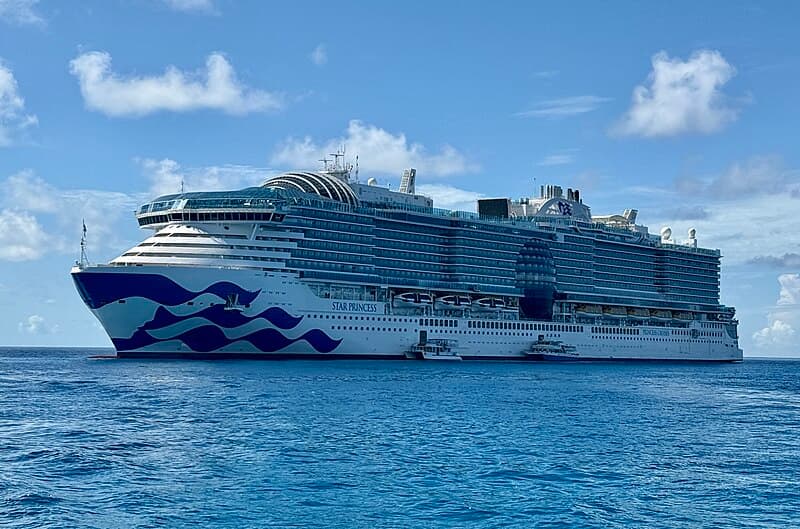
Princess offers a wide selection of full and partial transits with strong itinerary variety. Their Island Princess and Coral Princess are among the most frequent canal transits in the industry. Both are specifically designed for canal passages. The onboard experience includes canal-themed lectures and documentaries.
Best ships: Island Princess, Coral Princess, Ruby Princess Transit type: Full and partial Price range: $1,600-$3,200 per person (balcony)
Celebrity Cruises
Celebrity brings a premium experience to the canal. Better dining, more upscale cabins, and the Retreat suite experience. Their Edge-class ships fit through the Neopanamax locks and offer a more modern, design-forward onboard experience than Holland America or Princess.
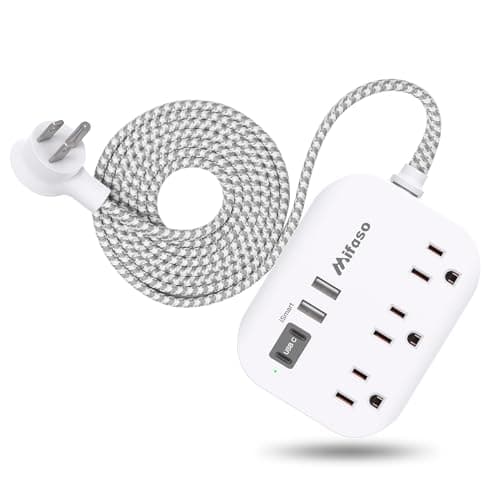
Mifaso Cruise-Approved Power Strip
- Cruise-approved (no surge protector) with multiple USB ports
- Compact design fits perfectly on the narrow cabin nightstand
Cruise cabins have limited outlets, this solves the charging problem without tripping ship safety rules
View on AmazonBest ships: Celebrity Summit, Celebrity Equinox, Celebrity Infinity Transit type: Full and partial Price range: $2,000-$4,000+ per person (balcony)
Norwegian Cruise Line
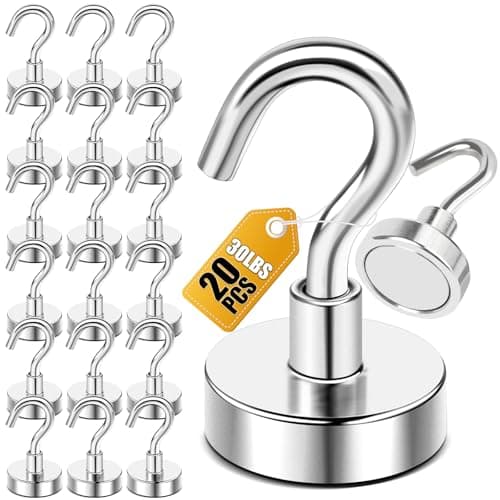
DIYMAG Magnetic Hooks 6-Pack
- Super-strong neodymium magnets stick to cabin walls and ceilings
- Hang hats, bags, towels, and lanyards anywhere
Cruise cabin walls are steel, magnetic hooks turn every surface into storage
View on AmazonNCL offers Freestyle Cruising through the canal. No assigned dining times, no formal nights, and a more casual atmosphere. Their canal itineraries often include more port-intensive itineraries with stops in Colombia, Costa Rica, and Mexico.
Best ships: Norwegian Jewel, Norwegian Sun, Norwegian Encore Transit type: Full and partial Price range: $1,500-$3,000 per person (balcony)
Carnival Cruise Line
Carnival is the most affordable option for a Panama Canal cruise. Their partial transits from Tampa and Fort Lauderdale are well-priced for families. The onboard experience is more activity-focused and less lecture-oriented than Holland America.
Best ships: Carnival Luminosa, Carnival Breeze Transit type: Primarily partial Price range: $800-$2,000 per person (balcony)
Best Time of Year
Dry Season: January - April (Best)
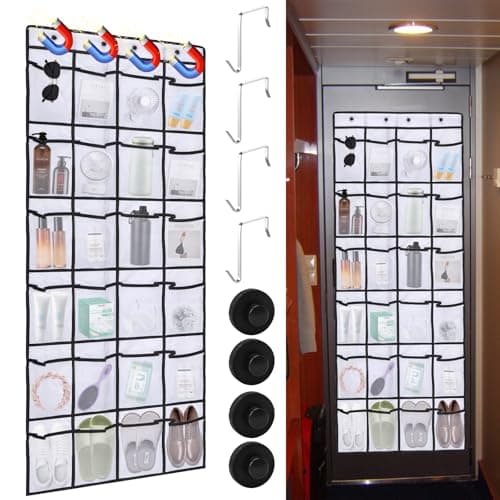
Cruise Door Organizer 24 Pockets Magnetic
- 24 clear pockets attach magnetically to the metal cabin door
- Holds sunscreen, lanyards, snacks, and small items
The single most recommended cruise hack, turns your cabin door into instant storage
View on AmazonThis is peak season for Panama Canal cruises, and for good reason:
Weather: Sunny, 80-90F, minimal rainfall
Visibility: Clear skies for optimal jungle and wildlife viewing from the ship
Canal operations: No weather delays
Pricing: Higher demand, but more itinerary options
Booking: Reserve 8-12 months ahead for best cabin selection
Shoulder Season: November - December, May
Weather: Transitional. Some rain, mostly warm
Pricing: Lower than peak, good value
Canal operations: Occasional rain delays but generally smooth
Rainy Season: June - October
Weather: Daily afternoon rain showers, humid, 85-90F
Visibility: Reduced during rain; mornings are usually clear
Pricing: Lowest fares of the year
Canal operations: Water levels in Gatun Lake are at their highest, which is actually good for canal operations (drought conditions have been worse than rain)
Note on drought: The Panama Canal has experienced water-level restrictions in 2023-2024 due to El Nino drought conditions. This has led to reduced daily transits and some cruise itinerary changes. Cruise lines monitor this closely and will adjust itineraries if needed. Always book with a line that offers itinerary-change protection.
Best Viewing Spots on the Ship
Transit day is a spectator event. Here's where to position yourself:
Forward Observation Deck
The best spot on the ship. You'll see the locks approaching head-on, watch the gates open, and feel the ship slide into the chamber. Arrive early. This area fills up 30-60 minutes before the first lock.
Upper Open Decks (Deck 12-16)
The highest accessible deck gives you a panoramic view of the lock systems, the jungle surrounding Gatun Lake, and the Culebra Cut. You can see the mules (electric locomotives) running on tracks below and the lock chambers stretching out behind the ship.
Your Balcony (If Starboard on Westbound)
A balcony cabin on the correct side gives you a private viewing platform. You can step out at any point during the transit. No crowds, no jockeying for position. This is the most comfortable way to experience the canal.
Pool Deck
The pool deck offers good sightlines and the advantage of food and drink service nearby. The downside is that it's crowded and the overhang can limit your view of the lock walls immediately beside the ship.
Places to Avoid
Inside the main theater or dining room. You'll miss the entire transit
Lower deck cabins on the wrong side. You'll see a concrete wall for 90 minutes at each lock
The spa. Unless you want to miss the most expensive part of your cruise
Ports Along the Way
Full transit itineraries commonly include these ports:
Caribbean Side
Cartagena, Colombia. The highlight port for many passengers. The walled colonial city is a UNESCO World Heritage Site with stunning architecture, vibrant street food, and excellent walking tours. Budget 4-6 hours for the Old Town.
Colon, Panama. The Atlantic entrance to the canal. Not the most scenic port town, but the duty-free shopping zone at Colon 2000 is popular. The real attraction is excursions to the Gatun Lock visitor center, Portobelo fortress ruins, and Embera indigenous village tours.
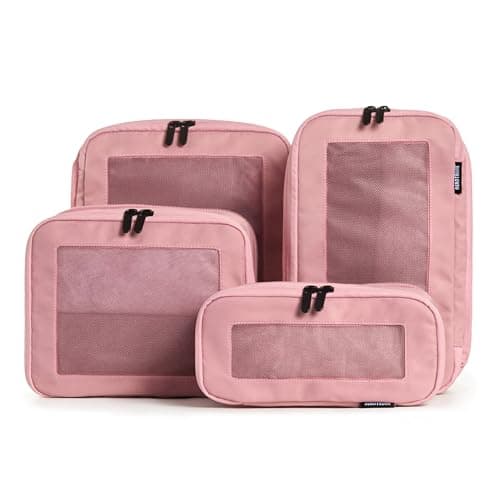
Aerotrunk Compression Packing Cubes 4-Pack
- Double-zipper compression cuts volume by up to 60%
- Four sizes cover every clothing type
Compression cubes are the single best way to fit a week of cruise outfits into a carry-on
View on AmazonLimon, Costa Rica. Gateway to Costa Rican rainforests. Shore excursions include canopy zip-lining, Tortuguero canal boat rides, banana plantation tours, and sloth/wildlife sanctuaries. Book an excursion. There isn't much in the port area itself.
Grand Cayman / Jamaica / Aruba / Curacao. Many partial transits include these classic Caribbean ports alongside the canal experience.
Pacific Side
Panama City, Panama (Fuerte Amador). A modern skyline backed by the old Casco Viejo historic district. Visit the Miraflores Locks visitor center to see ships transiting the canal from land. A different perspective that complements your shipboard experience.
Puntarenas, Costa Rica. Pacific coast gateway to Monteverde Cloud Forest, Arenal Volcano, and Carara National Park. The town itself is modest; the excursions are the draw.
Cabo San Lucas, Mexico. A popular Pacific stop on repositioning itineraries heading to Los Angeles or San Diego. Beach time, snorkeling at El Arco, and waterfront dining.
Puerto Vallarta / Huatulco / Puerto Chiapas, Mexico. Additional Pacific coast stops on longer itineraries.
What to Do on Transit Day
Transit day is not a port day and not a sea day. It's its own category. Here's how experienced canal cruisers spend it:
5:00-6:00 AM: Wake up early. Get coffee. Head to the forward deck to watch the ship approach the first locks. This is worth the early alarm.
6:00-8:00 AM: Watch the Gatun Locks transit. Three consecutive chambers, each raising the ship about 28 feet. This is the most dramatic part of the day. Take photos, listen to the commentary (most ships have a canal narrator on the PA system), and appreciate the engineering.
8:00-11:00 AM: Gatun Lake crossing. The ship sails through a massive artificial lake surrounded by tropical jungle. Watch for crocodiles, monkeys, and tropical birds along the shoreline. This is binoculars-worthy. Grab breakfast. You have time.
11:00 AM-1:00 PM: Culebra Cut (Gaillard Cut). The narrowest section of the canal, carved through the continental divide. The walls rise up on both sides, and the channel feels impossibly narrow for a cruise ship. Eat lunch on deck.
1:00-3:00 PM: Pedro Miguel Lock (one chamber down) and Miraflores Locks (two chambers down). The Pacific-side locks are slightly less dramatic than Gatun but still fascinating. The Miraflores visitor center is visible from the ship, you can see tourists watching you from the observation deck.
3:00-5:00 PM: Bridge of the Americas. The ship passes under this iconic bridge connecting North and South America. Photo opportunity. Pacific Ocean ahead.
Throughout the day: Most ships offer canal-related lectures, documentaries in the theater, and themed drinks in the bars. The naturalist or guest lecturer will typically narrate key moments over the PA system.
Pricing Expectations
Full Transit (14-16 Nights)
Cabin Type | Price Per Person |
|---|---|
Inside | $1,000-$2,000 |
Ocean View | $1,300-$2,500 |
Balcony | $1,500-$4,000 |
Suite | $3,500-$8,000+ |
Add $200-$500 for a one-way flight home from the opposite coast.
Partial Transit (8-12 Nights)
Cabin Type | Price Per Person |
|---|---|
Inside | $600-$1,200 |
Ocean View | $800-$1,500 |
Balcony | $1,000-$2,500 |
Suite | $2,000-$5,000+ |
Canal Transit Fee
Cruise ships pay a toll to transit the canal: typically $150,000-$400,000 per passage depending on the ship's size. This is built into your cruise fare. Some cruise lines list a "Panama Canal surcharge" of $50-$150 per person in the fare breakdown.
The Bottom Line
A Panama Canal cruise is one of the most iconic voyages in cruising. The transit day alone (watching your ship rise 85 feet through a series of locks, cross a jungle lake, and descend to a different ocean) is worth the price of the cruise.
For first-timers or those short on time, a partial transit gives you the lock experience and Gatun Lake in a shorter, cheaper, round-trip format. For the full bucket-list experience, commit to a 14-16 night full transit and plan a one-way flight home.
Book during dry season (January-April), choose a balcony cabin on the correct side, and set your alarm for dawn on transit day. This is not a sleep-in morning.
Track ships currently in the Panama Canal region on our live map, or explore our cruise ship profiles to find the best vessel for your canal voyage.