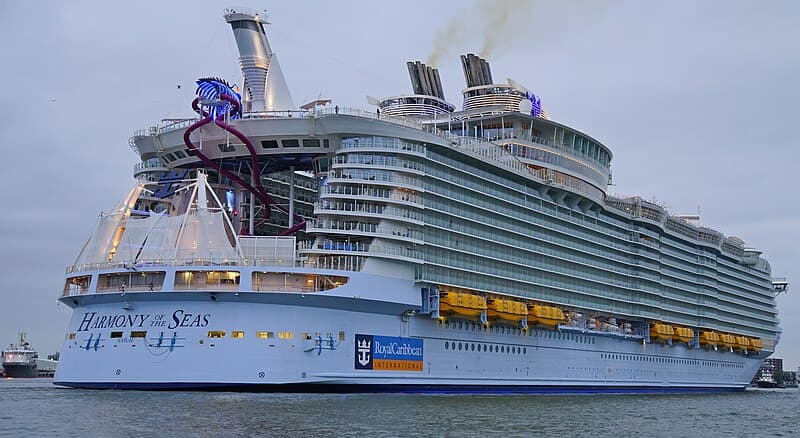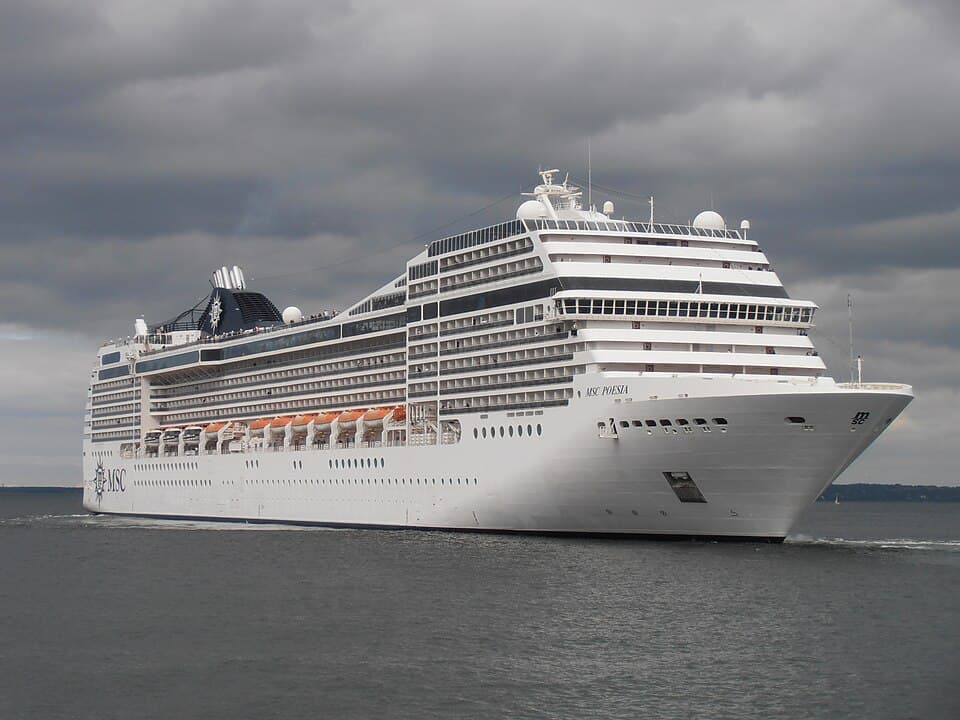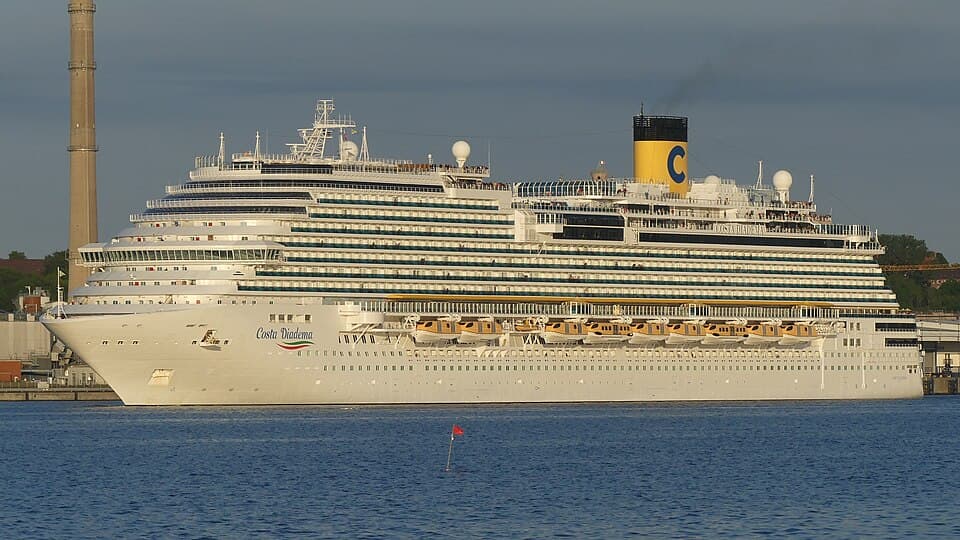
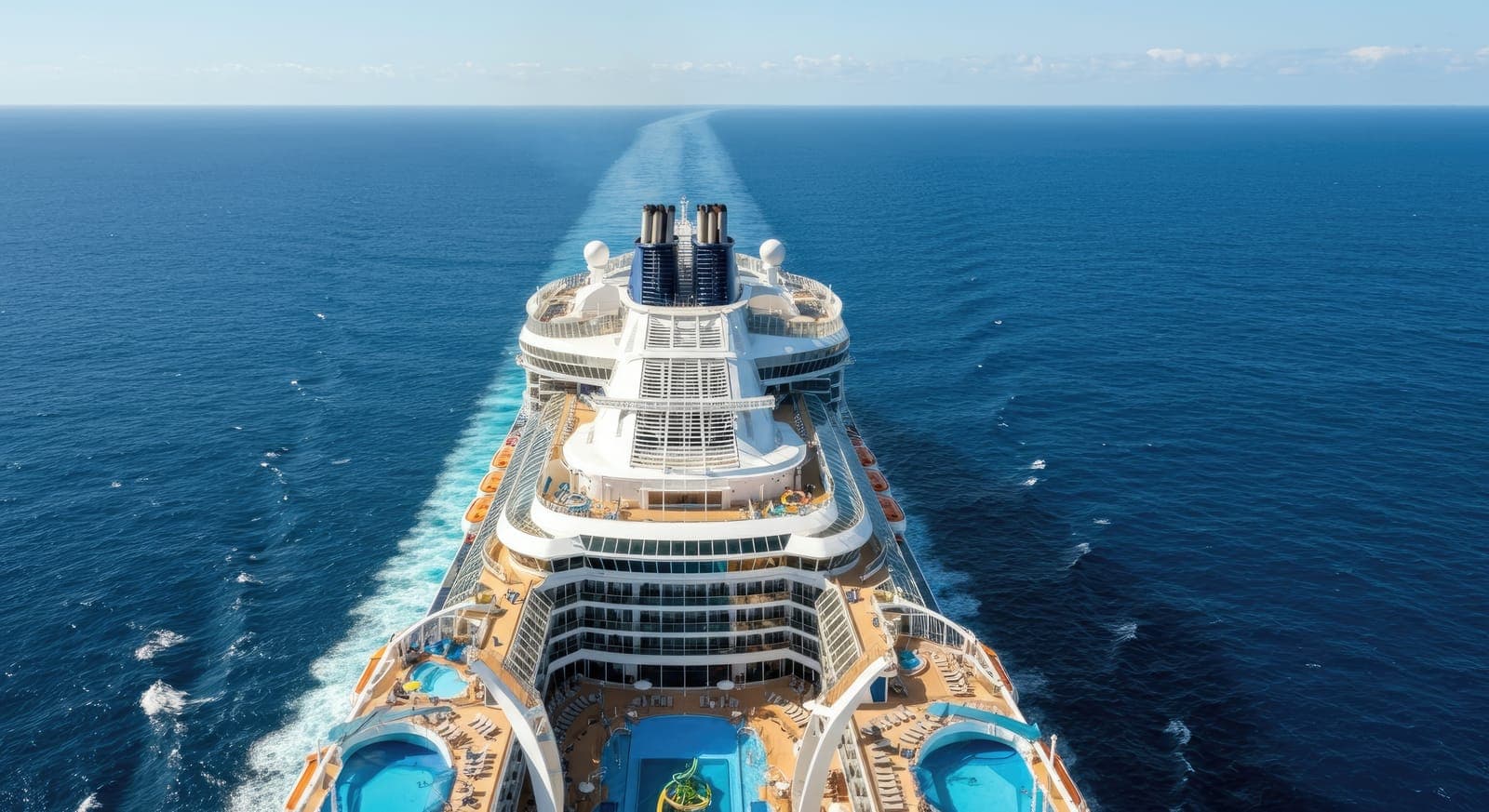
There is a secret in the cruise industry that experienced travelers have been exploiting for years: repositioning cruises. These one-way voyages happen when cruise lines move their ships between seasonal regions (from the Caribbean to Europe in spring, from Alaska to Asia in fall) and they need to sell those cabins during the transit.
The result is some of the best deals in cruising. We are talking about 12-18 night voyages for the price of a standard 7-night cruise, on the same ships with the same amenities, often with fewer passengers and a more relaxed atmosphere. If you have the time and flexibility, repositioning cruises are one of the smartest ways to cruise in 2026.
Ready to grab a repositioning bargain? See current transatlantic and repositioning sailings on Cruisebound →
What Is a Repositioning Cruise?

DIYMAG Magnetic Hooks 6-Pack
- Super-strong neodymium magnets stick to cabin walls and ceilings
- Hang hats, bags, towels, and lanyards anywhere
Cruise cabin walls are steel, magnetic hooks turn every surface into storage
View on AmazonA repositioning cruise (sometimes called a "repo cruise" or "transocean cruise") is a one-way voyage that moves a cruise ship from one seasonal homeport to another. Unlike regular cruises that depart from and return to the same port, repositioning cruises start in one city and end in another.
Example: In April, Royal Caribbean moves several ships from their winter Caribbean homeports (Miami, Fort Lauderdale) to their summer European homeports (Barcelona, Southampton). Rather than sailing the ships empty, they sell cabins to passengers at discounted rates. You board in Florida and step off two weeks later in Spain.
Why Repositioning Cruises Exist
Cruise lines follow the weather and tourist demand:
Winter (November-March): Ships concentrate in the Caribbean, South America, Australia/New Zealand, and Southeast Asia
Spring (April-May): Ships reposition from the Caribbean to Europe, Alaska, and New England
Summer (June-August): Ships operate in Europe, Alaska, and the Mediterranean
Fall (September-November): Ships reposition from Europe back to the Caribbean, from Alaska to Asia/Hawaii, and from New England to the southern hemisphere
These seasonal transitions create dozens of repositioning sailings every year, each one a unique routing that does not repeat on the regular schedule.
When Repositioning Cruises Happen

Cruise Door Organizer 24 Pockets Magnetic
- 24 clear pockets attach magnetically to the metal cabin door
- Holds sunscreen, lanyards, snacks, and small items
The single most recommended cruise hack, turns your cabin door into instant storage
View on AmazonThe two peak repositioning seasons are spring and fall:

5-Pack Cruise Lanyards Waterproof
- Waterproof holders protect your cruise card at the pool and on excursions
- Five lanyards for the whole family
Your cruise card is your key, wallet, and ID, a waterproof lanyard keeps it safe and accessible
View on AmazonSpring Repositioning (March-May)
This is the largest repositioning season. Ships move from winter homeports to summer deployments:
Caribbean to Europe (transatlantic crossings): The most popular route. 12-16 nights crossing the Atlantic with possible stops in the Azores, Canary Islands, or Bermuda.
Caribbean to Alaska/Pacific Northwest -- Ships transit through the Panama Canal en route to Seattle or Vancouver. 14-18 nights with stops in Central America, Mexico, and California.
Caribbean to New England/Canada -- Ships reposition from Florida or the Bahamas to Boston, New York, or Quebec City. 7-12 nights along the US East Coast.
Australia/New Zealand to Asia -- Ships move north from Sydney to Singapore, Hong Kong, or Tokyo. 14-21 nights through the South Pacific and Southeast Asia.
Fall Repositioning (September-November)
The reverse migration:
Europe to Caribbean (transatlantic crossings): Ships return from Barcelona, Southampton, or Copenhagen to Miami, Fort Lauderdale, or San Juan. 12-16 nights westbound.
Alaska to Asia/Australia -- Ships transit the Pacific from Vancouver or Seattle to Hawaii, Japan, or Australia. 14-28 nights of open ocean.
New England to Caribbean -- Ships move south along the East Coast as fall foliage season ends. 7-10 nights.
Mediterranean to South America -- Some ships reposition from Europe to Buenos Aires or Rio de Janeiro. 18-24 nights through West Africa and across the South Atlantic.
Price Comparison: Repositioning vs. Regular Cruises
This is where repositioning cruises become compelling. Because cruise lines need to fill cabins during these transitional voyages, pricing is often dramatically lower per night than comparable regular sailings.
Typical Pricing (2026, Per Person, Double Occupancy)
Voyage Type | Duration | Inside Cabin | Balcony Cabin | Per-Night Cost (Balcony) |
|---|---|---|---|---|
7-night Caribbean (regular) | 7 nights | $600-900 | $900-1,500 | $128-214/night |
7-night Mediterranean (regular) | 7 nights | $800-1,200 | $1,200-2,000 | $171-286/night |
14-night transatlantic repo | 14 nights | $600-1,000 | $900-1,600 | $64-114/night |
16-night Panama Canal repo | 16 nights | $800-1,400 | $1,200-2,200 | $75-137/night |
18-night Europe to Caribbean repo | 18 nights | $700-1,200 | $1,000-1,800 | $55-100/night |
The math is clear: On a per-night basis, repositioning cruises often cost 40-60% less than regular sailings. A 14-night transatlantic repositioning cruise in a balcony cabin can cost less per night than a 7-night Caribbean cruise in an inside cabin.
Why Are They So Cheap?
One-way logistics: The ship is moving regardless. Every empty cabin is lost revenue.
More sea days, fewer port days: Sea days cost the cruise line less to operate than port days (no port fees, no tendering). The savings are passed to passengers.
Less demand: Repositioning cruises appeal to a smaller market. Most travelers cannot take 14-18 days off work, which reduces competition for cabins.
Shoulder season timing: Repositioning cruises happen during shoulder seasons when overall cruise demand is lower.
Best Repositioning Routes
Transatlantic Crossings
Route: Fort Lauderdale/Miami to Barcelona/Southampton (or reverse)
Duration: 12-16 nights
What to expect: 5-8 consecutive sea days crossing the Atlantic, with possible stops in Bermuda, the Azores (Ponta Delgada), Madeira (Funchal), or the Canary Islands (Tenerife, Gran Canaria). The sea days are the highlight. The ship's entertainment program goes into overdrive with enrichment lectures, cooking demonstrations, trivia tournaments, and themed events.
Best cruise lines for transatlantic: Cunard (the classic Queen Mary 2 crossing), Celebrity, Royal Caribbean, Holland America, Norwegian
Pro Tip: Eastbound crossings (spring, Americas to Europe) gain time each night as you cross time zones, giving you extra sleep. Westbound crossings (fall, Europe to Americas) lose an hour most nights, which can affect your sleep schedule.
Panama Canal
Route: Fort Lauderdale/Miami to Los Angeles/San Francisco (or reverse)
Duration: 14-18 nights
What to expect: The transit through the Panama Canal is a full-day experience and one of the most fascinating engineering spectacles you can witness from a cruise ship. You will watch your ship rise and fall through the Gatun and Miraflores locks as you cross from the Atlantic to the Pacific (or vice versa). Additional stops typically include Cartagena (Colombia), Costa Rica, and Mexican Riviera ports.
Best cruise lines for Panama Canal: Princess, Holland America, Norwegian, Celebrity
Important: Not all ships can fit through the canal. The original locks limit ship width to about 106 feet (Panamax size). The newer Neopanamax locks accommodate larger ships, but the biggest mega-ships (Oasis class, MSC World Europa) still cannot transit. Check the specific ship before booking.
Transpacific (Alaska to Asia/Australia)
Route: Vancouver/Seattle to Tokyo, Hong Kong, Sydney, or Auckland
Duration: 14-28 nights depending on the final destination
What to expect: Multiple sea days crossing the Pacific, with stops in Hawaii (Honolulu, Maui, Kailua-Kona) as a mid-ocean break. Some itineraries include stops in Fiji, Samoa, or other South Pacific islands. The long stretches of open ocean are meditative and uniquely peaceful.
Best cruise lines for transpacific: Holland America, Princess, Celebrity
Europe to South America
Route: Barcelona or Lisbon to Buenos Aires or Rio de Janeiro
Duration: 18-24 nights
What to expect: A longer crossing through the eastern Atlantic with possible stops in Morocco, the Canary Islands, Cape Verde, and West African ports before crossing to Brazil. These are among the longest and most adventurous repositioning voyages available.
Best cruise lines for this route: MSC, Costa, Holland America
Pros and Cons of Repositioning Cruises
Advantages
Exceptional value. Per-night pricing is 40-60% lower than regular cruises.
More sea days. If you love the ship experience itself (the pool, the spa, the dining, the entertainment), repositioning cruises maximize time onboard.
Fewer crowds. Repositioning sailings often carry fewer passengers than peak-season voyages. The ship feels more spacious, the pool is less crowded, and service is more attentive.
Unique itineraries. You visit ports that regular cruises rarely touch. The Azores, Madeira, Cape Verde, and Samoa are exotic stops that only appear on repositioning routes.
Built-in travel. A transatlantic repositioning cruise replaces a costly one-way flight between North America and Europe. When you factor in 14 nights of accommodation, meals, and entertainment, the cruise can be cheaper than the flight alone.
Enrichment programming. Cruise lines bring their best lecturers, guest entertainers, and cooking instructors on repositioning sailings because there are so many sea days to fill. Expect higher-quality entertainment than a standard port-intensive itinerary.
Disadvantages
One-way logistics. You arrive in a different city than where you started. This means booking a one-way flight home (or to your next destination), which can be expensive if not planned in advance.
Long stretches of sea days. 5-8 consecutive sea days is paradise for some travelers and restless boredom for others. Know which type you are before booking.
Time commitment. Most repositioning cruises are 12-21 nights. Not everyone can take 2-3 weeks away from work and home responsibilities.
Weather variability. Transatlantic crossings can encounter rough seas, especially westbound in November. The Bay of Biscay (off the coast of France and Spain) is notoriously choppy. If you are prone to seasickness, pack medication and choose a midship, lower-deck cabin.
Limited port time. Some repositioning cruises have only 2-3 port stops over 14+ nights. If you are a port-focused traveler who wants to explore a new destination every day, a repositioning cruise will feel like too much time at sea.
How to Find and Book Repositioning Cruises
Search Strategies
Use flexible date searches. On cruise booking sites (Cruise Critic, Vacations To Go, CruiseDirect), filter by "one-way" or "repositioning" sailings. Set your date range to April-May or September-November for the most options.
Check cruise line websites directly. Navigate to the sailing schedule for your preferred cruise line and look for one-way itineraries during transition months. Royal Caribbean, Celebrity, and Norwegian all have searchable calendars that display repositioning sailings.
Set price alerts. Repositioning cruises often drop in price as the sailing date approaches, especially if the ship is undersold. Set alerts on Cruise Critic or your preferred booking site.
Call a travel agent. Experienced cruise travel agents know the repositioning market well and can find deals that do not appear online. They can also handle the one-way flight logistics and sometimes negotiate onboard credit.
Track ships on our [live map](/map). Watch where ships are deployed by season. If you see a ship ending its Caribbean season in late April, its next sailing is almost certainly a repositioning voyage to Europe.
Booking Tips
Book early for the best cabin selection. Balcony and suite cabins on popular repositioning routes (transatlantic crossings) sell out months in advance because experienced cruisers know the value.
Book late for the lowest price. If you are flexible on cabin type, prices often drop 30-60 days before sailing as the cruise line fills remaining inventory. Inside cabins on repositioning cruises can drop below $50/night.
Factor in one-way flight costs. A $900 repositioning cruise looks less attractive if you need a $600 one-way transatlantic flight home. Budget the total trip cost, including flights, before committing.
Consider back-to-back bookings. Some travelers book a repositioning cruise followed by a regular cruise from the arrival port. For example: transatlantic repositioning from Miami to Barcelona (14 nights) + Mediterranean cruise from Barcelona (7 nights) = 21 nights of cruising with no flights between them.
Best Cruise Lines for Repositioning Deals
Holland America Line
Holland America offers more repositioning sailings than almost any other cruise line, with routes spanning transatlantic, transpacific, Panama Canal, and around-the-world segments. Their pricing is competitive, and the onboard experience on longer sailings is excellent: enrichment programming, refined dining, and a mature passenger demographic that appreciates sea days.
Celebrity Cruises
Celebrity's repositioning sailings offer premium value. The combination of excellent included dining, modern Starlink WiFi, and refined ambiance makes long sea days genuinely enjoyable. Their transatlantic crossings (Edge and Beyond class ships) are among the most popular repositioning voyages.
Princess Cruises
Princess dominates the Panama Canal repositioning market and offers a wide selection of transpacific and transatlantic voyages. The MedallionClass technology and Princess Plus fare (which bundles WiFi, drinks, and gratuities) makes budgeting simpler on long voyages.

Aerotrunk Compression Packing Cubes 4-Pack
- Double-zipper compression cuts volume by up to 60%
- Four sizes cover every clothing type
Compression cubes are the single best way to fit a week of cruise outfits into a carry-on
View on AmazonNorwegian Cruise Line
Norwegian's repositioning sailings frequently include Free At Sea promotions that bundle WiFi, drinks, specialty dining, and shore excursions into the fare. On a 14-night transatlantic crossing, these included extras add significant value.
Cunard

OlarHike 10-Set Compression Packing Cubes
- Ten-piece set includes multiple sizes plus shoe bag and laundry bag
- Color-coded for easy family organization
Families sharing a cabin need maximum organization, 10 cubes cover everyone
View on AmazonFor the purest transatlantic crossing experience, Cunard's Queen Mary 2 is the only ship specifically designed for ocean crossings. Regular scheduled transatlantic service (not technically "repositioning" since it is the ship's primary route) runs throughout the year, with the classic 7-night crossing starting around $1,000 per person.
MSC Cruises
MSC offers some of the lowest-priced repositioning cruises, especially on older ships transitioning between the Mediterranean and Caribbean. Inside cabins on 14-night transatlantic MSC repositioning cruises can start below $500 per person, genuinely one of the cheapest ways to cross an ocean.
What to Pack for a Repositioning Cruise
Repositioning cruises are longer than standard sailings and often cross climate zones. Pack accordingly:
Layered clothing. A transatlantic crossing in April can start in 85-degree Caribbean heat and end in 55-degree European spring. Pack layers you can add and remove.
Formal wear for 2-3 evenings. Longer cruises have multiple formal nights. Bring at least two dressy outfits if your cruise line observes formal dress codes (Cunard, Holland America, Celebrity).
Books, e-reader, or entertainment. Five consecutive sea days means significant downtime. The ship has entertainment, but personal reading material and downloaded shows/podcasts are essential.
Seasickness remedies. Open-ocean crossings can be rough. Pack Dramamine, Sea-Bands, ginger candies, or prescription scopolamine patches. See your doctor before the cruise if you are prone to motion sickness.
Laundry supplies. On a 14+ night cruise, you will need to do laundry. Bring travel detergent and quick-dry fabrics.
Power adapters. If your repositioning cruise crosses regions (Americas to Europe), bring adapters for your destination's outlets.
Quick Tips
The cheapest repositioning cruises are booked 30-60 days before departure. Set price alerts and be ready to commit.
Eastbound transatlantic crossings (spring) tend to be calmer than westbound (fall). If seasickness is a concern, sail east.
Consider a one-way flight with a stopover. If your repositioning cruise ends in Barcelona, book a few days in the city before flying home. You are already there. Take advantage.
Repositioning cruises attract experienced cruisers. Expect a more knowledgeable, well-traveled passenger demographic and a quieter ship atmosphere.
Check travel insurance for one-way trips. Standard cruise insurance may have different terms for one-way voyages. Confirm coverage for trip interruption, missed departure from a foreign port, and emergency medical evacuation.
Final Thoughts
Repositioning cruises are one of the best-kept secrets in travel. The combination of dramatically lower per-night pricing, unique itineraries, fewer crowds, and more sea days creates an experience that many experienced cruisers prefer to standard round-trip sailings.
The ideal repositioning cruise traveler has flexible time (2-3 weeks), enjoys sea days as much as port days, and appreciates the journey itself rather than just the destinations. If that describes you, a repositioning cruise is not just a good deal. It is a fundamentally different and deeply satisfying way to travel.
Start by browsing our cruise line profiles to compare options, track ships on our live map to see seasonal deployments, or check our deals page for current repositioning offers.