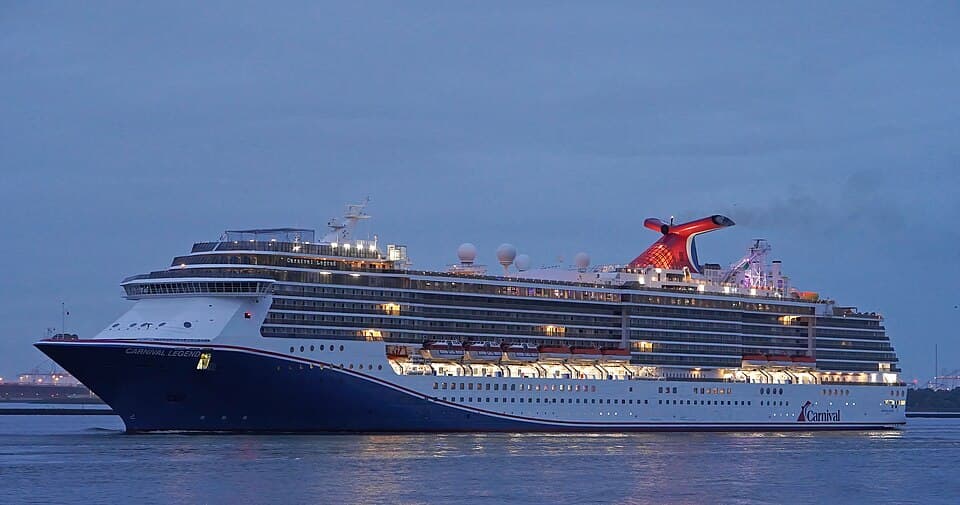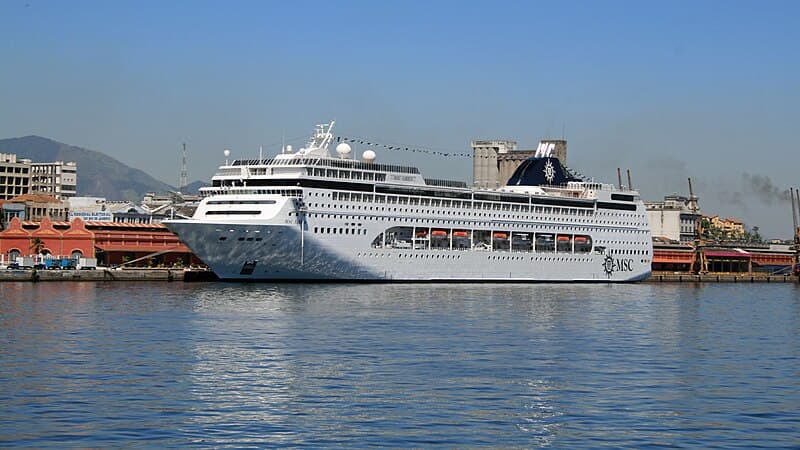
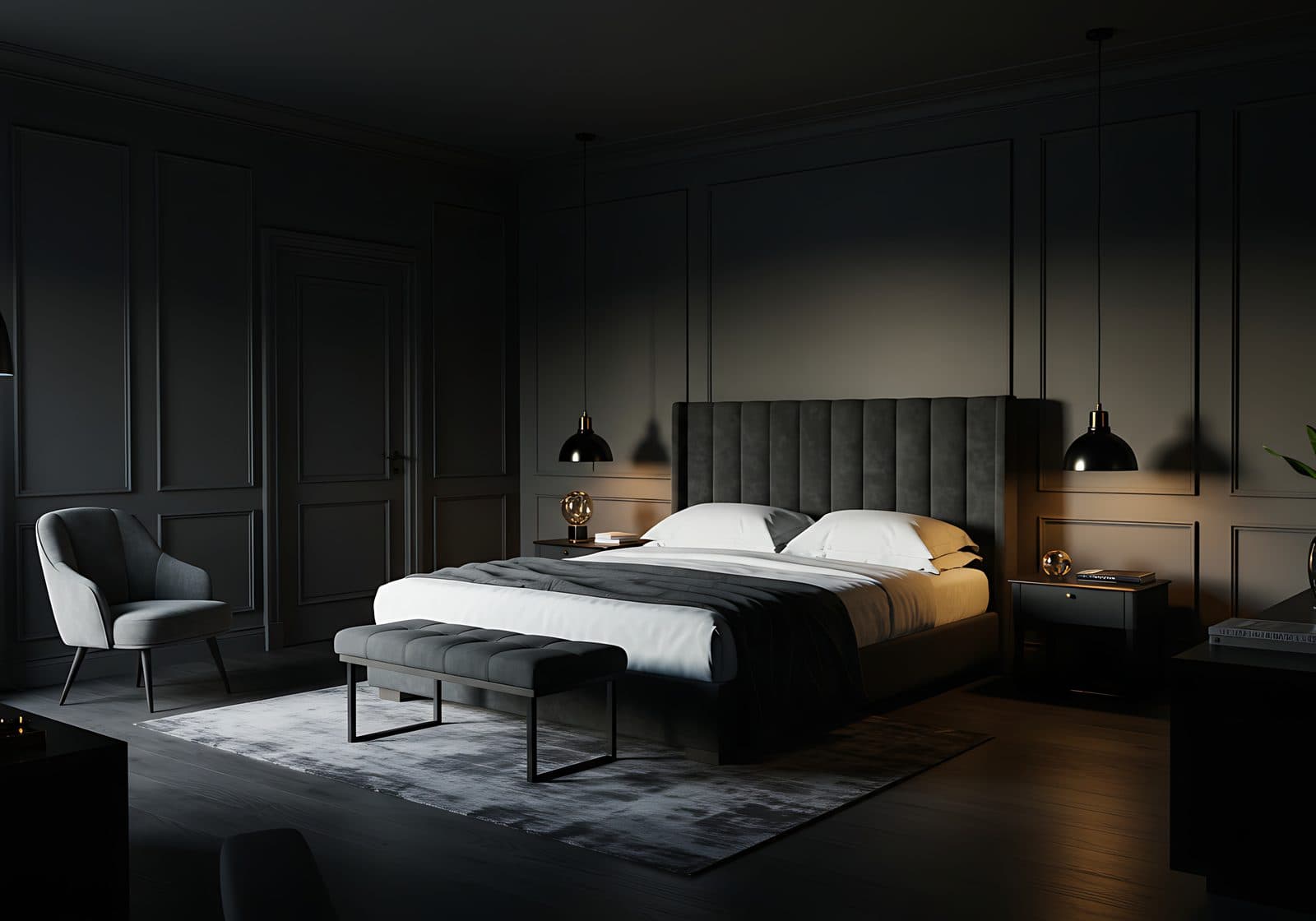
An interior cabin has no window and no natural light cycle, which throws off sleep more than the smaller square footage ever does. The fixes that matter most for a windowless room are airflow, light control, and storage, since the cabin's own fixtures rarely solve any of the three well.
Fixing the airflow problem
Inside cabins often run warmer and stuffier than balcony cabins, since they sit deeper in the ship's interior with less exposure to outside air exchange. A Koonie USB Desk Fan adds direct airflow to a room where the central air vent alone doesn't cut it, especially in warm-weather itineraries like the Caribbean or Mexican Riviera.

Koonie USB Desk Fan
- Quiet USB-powered desk fan for better cabin air circulation
- Adjustable angle directs airflow where you need it
Interior cabins can get stuffy, a personal fan makes sleeping much more comfortable
View on AmazonFixing the light problem
Without a window, an interior cabin can be genuinely difficult to judge time in, which sounds minor until you've slept through a scheduled excursion because the room stayed dark and cool well past your alarm. The flip side matters too: an MZOO 3D Sleep Eye Mask helps if hallway light leaks under the door during port mornings when housekeeping starts earlier than you'd like to wake.

MZOO 3D Sleep Eye Mask
- 3D contoured design blocks all light without pressing on your eyelids
- Memory foam conforms to your face
Interior cabins are pitch black but balcony light creeps in at dawn, this mask blocks it all
View on AmazonDay-by-day: living in a windowless cabin
Morning in an inside cabin means relying entirely on an alarm, not daylight, to wake up on schedule. Set two alarms for any port day with an early excursion, since a genuinely dark, quiet room is easy to oversleep in compared to a balcony cabin where light creeps in naturally.
Daytime hours are when an inside cabin matters least, since most cruisers are out at the pool, ashore, or at activities rather than in the room. The category difference shows up mainly at the start and end of the day, not during the hours you're actually awake and out on the ship.
Evening return to the cabin is when the fan and organization fixes earn their keep, cooling down a room that's held heat from being closed up all day and giving wet swimsuits and daypacks a place to go that isn't the floor.
Overnight is where the eye mask and earplugs matter most. A truly dark, enclosed room helps some sleepers and disorients others; figure out which type you are on night one and adjust with a fan for white noise or an eye mask for any light leak accordingly.
Fixing the noise problem
Interior cabins sit closer to service corridors and stairwells more often than balcony cabins, which are pushed to the ship's outer hull. LYSIAN Foam Earplugs 60 Pairs handle door slams and hallway noise from neighboring cabins, a common inside-cabin complaint that a thicker cabin wall wouldn't fully solve anyway.

LYSIAN Foam Earplugs 60 Pairs
- 60 pairs of ultra-soft foam earplugs
- 38dB noise reduction blocks hallway noise, engine vibration, and snoring partners
Cabin hallways get loud at 2am when bars close, earplugs save your sleep
View on AmazonFixing the storage problem
Interior cabins run the same square footage as many ocean-view cabins but often feel smaller due to layout, making vertical storage the real fix. Neosmuk Heavy-Duty Magnetic Hooks (10-Pack) attach to the steel walls anywhere in the cabin, not just near the two factory-installed hooks in the bathroom, turning empty wall space into hanging storage for hats, bags, and wet towels.
A Cruise Door Magnetic Shoe Organizer uses the one piece of vertical real estate every cabin has in common, the cabin door, for shoes and small items that would otherwise clutter the floor of a smaller room.

Cruise Door Magnetic Shoe Organizer
- Magnetic shoe pockets hang on the cabin door to keep shoes off the floor
- Clear pockets for easy selection
Cruise cabins have zero floor space, shoes on the door is genius
View on AmazonAdding organization without adding furniture
A Cruise On 15-Pocket Over-Door Organizer works alongside the magnetic door organizer above for toiletries, chargers, and paperwork, since interior cabins typically have less shelf and drawer space than a comparably priced balcony cabin on the same ship.
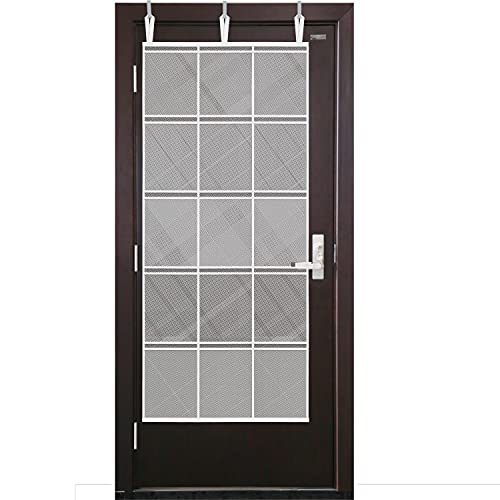
Cruise On 15-Pocket Over-Door Organizer
- 15 pockets hang over the cabin door with hooks
- Clear pockets let you find items at a glance
The OG cruise door organizer, proven design that just works
View on AmazonWhat people overpack for an inside cabin
A full room-darkening kit, blackout curtains, extra fabric, is unnecessary when the room is already windowless and dark by default. That packing weight is better spent on the eye mask for light leaking under the door, the actual gap an inside cabin has.
Bulky floor-standing organizers or hampers eat into a room that's already tight on square footage. Wall-mounted and over-door solutions use space nobody else is competing for, while a floor-standing piece takes up walking room in a cabin that doesn't have much to spare.
A second fan or white-noise machine duplicates what one small desk fan already covers for both airflow and background noise. One well-placed fan handles both jobs in a room this size; a second unit just takes up an outlet you likely need for charging instead.
Extra bedding or a travel blanket from home rarely gets used, since the cabin's own linens are standard regardless of category, and an inside cabin's real climate issue is heat and stuffiness, not cold, on most mainstream itineraries.
Skip these
Skip a full room-darkening solution if your cabin is already windowless; the room's naturally dark by default, and your energy is better spent on the eye mask for light leaking under the door instead. Skip bulky organizers that eat floor space in a room already tight on it; magnetic and over-door solutions use wall space you're not otherwise using. Skip assuming an interior cabin means a bad cruise; the fixes above solve the real complaints, and the cabin category difference matters far less once you're out on deck for most of the day anyway.
For the broader cabin category comparison, see cruise cabin balcony vs interior and cruise inside cabin tips. For more cabin organization ideas beyond this list, best cruise cabin organization hacks covers additional fixes.
Common questions
Are interior cabins worth booking to save money?
For many cruisers, yes, especially those planning to spend most waking hours on deck, at the pool, or ashore rather than in the cabin itself. The savings versus an ocean-view or balcony cabin can be substantial and often fund a specialty dining package or excursion instead.
Do interior cabins feel claustrophobic?
Some cruisers find them adjustment at first due to the lack of a window, though most report the feeling fades after the first night once a sleep and light routine sets in. An eye mask and a fan for airflow address the two most common early complaints.
What's the biggest difference between an interior cabin and an ocean-view cabin?
The window (or lack of one) is the only structural difference on most ships; square footage and layout are frequently identical between the two categories. The natural light and sense of time passing is what cruisers miss most, not the physical space itself.
How do I avoid oversleeping in a windowless cabin on an excursion day?
Set two alarms rather than one, since a genuinely dark, quiet room is easier to sleep through than a cabin with natural light. Many cruisers also request a wake-up call through guest services on any morning with an early excursion booked.
Do interior cabins run warmer than other cabin categories?
Many cruisers report interior cabins feeling stuffier due to their position deeper in the ship's interior with less outside air exchange. A small personal fan supplementing the central air vent is a common and effective fix.
An interior cabin's real problems are airflow, light, and storage, not size. Fix those three with a fan, an eye mask, and magnetic wall storage, and the category difference stops mattering by the second night.