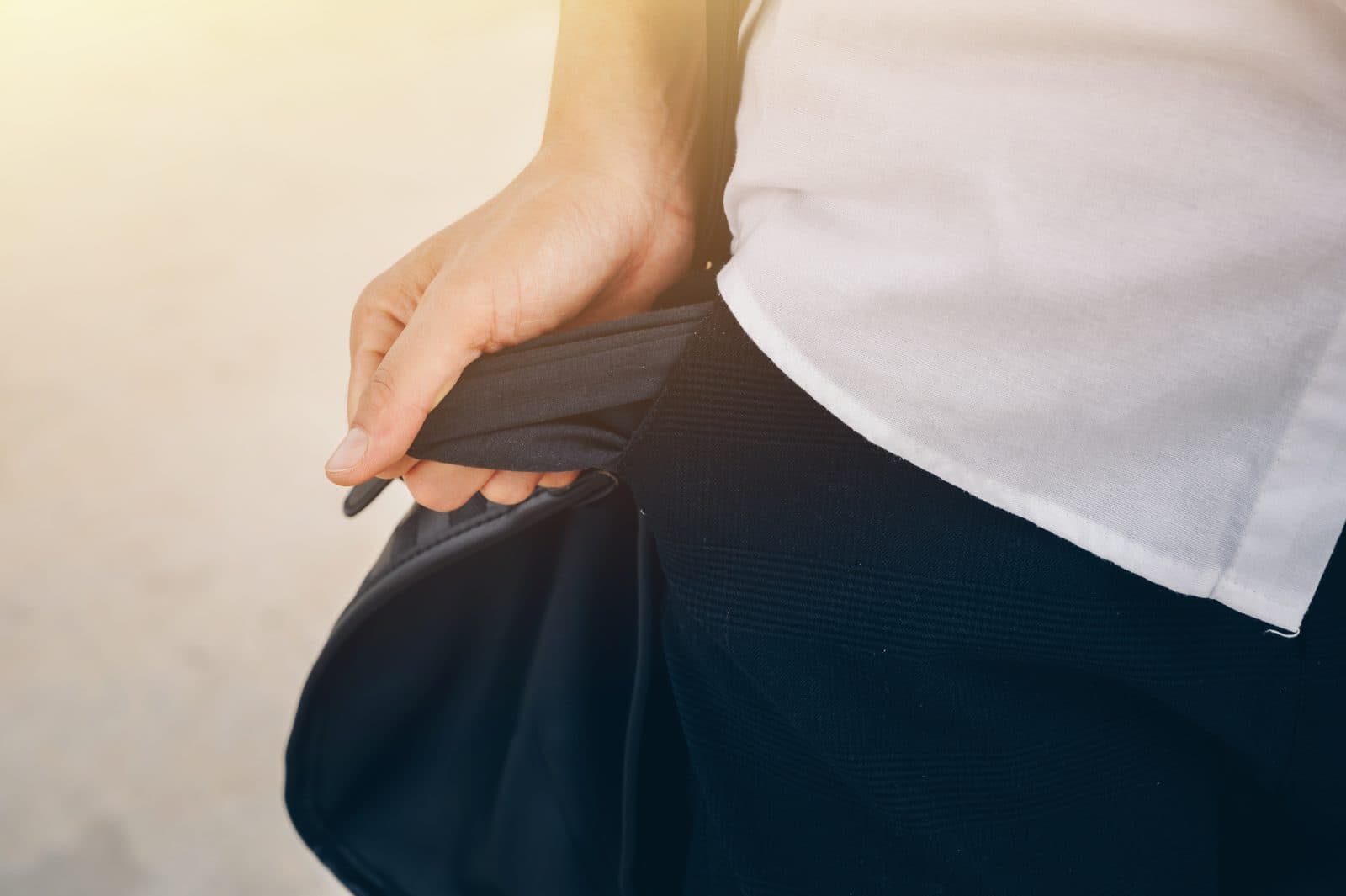
Pickpocketing at cruise ports targets exactly what you're carrying: a wallet, a phone, and a passport, in a crowd of distracted tourists who just got off a ship. A hidden money belt or an RFID-blocking neck wallet worn under clothing removes the easiest target, a back pocket or an open tote bag, without requiring you to be paranoid about every stranger on a market street.

HERO RFID Neck Wallet
- Hides under your shirt for pickpocket protection at busy ports
- RFID-blocking material
Busy European and Caribbean ports are pickpocket hotspots, keep valuables hidden
View on AmazonWhy port days are higher risk than the ship
Onboard, theft is rare and mostly a non-issue since the ship is a closed environment with cabin key access and cameras. Port towns, especially crowded market areas and popular photo spots, are a different situation entirely, with pickpockets who specifically target visibly touristy groups fresh off a cruise ship. Our shore excursion safety guide covers the broader risk picture beyond just theft. The fix isn't avoiding ports, it's not carrying valuables somewhere easy to grab.
Hidden beats visible every time
A fanny pack worn in front looks like a target because everyone knows what's in it. A Slim Hidden Travel Money Belt worn under a shirt or Hidden Travel Money Belt RFID holds cash, a card, and a copy of your passport where a pickpocket would need to notice it exists first, which is the entire point.
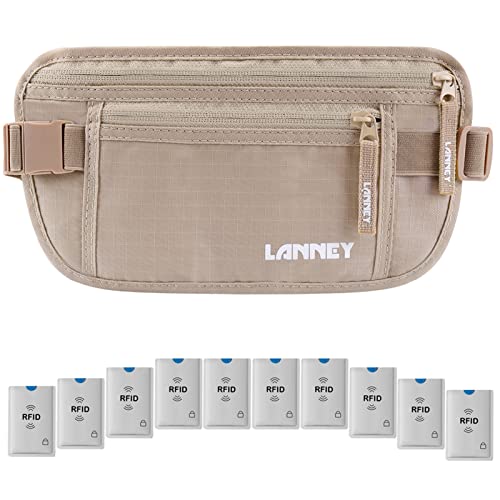
Slim Hidden Travel Money Belt
- Even slimmer profile than standard money belts, invisible under light clothing
- Water-resistant material
For warm-weather cruises where bulky belts show through light clothing
View on AmazonNeck wallets work for document-heavy port days
If you're carrying an actual passport off the ship, not just a card, a HERO RFID Neck Wallet keeps it against your body under a shirt rather than in a bag that can be set down, bumped, or left on a restaurant chair for a distracted minute.
RFID blocking matters more than people think
Contactless card skimming happens in crowded areas where a scanner can get close to your pocket or bag without you noticing. An RFID Passport Holder Zippered Wallet blocks that signal for both your passport chip and any contactless cards you're carrying, which is a real risk in busy tourist areas even if actual pickpocketing doesn't happen to you.
Crossbody bags for a more casual approach
Not every port day calls for a hidden belt, especially on a relaxed beach excursion where you're not carrying a passport. A WANDER PLUS Anti-Theft Crossbody or RFID Anti-Theft Crossbody Sling Women worn across the body rather than on one shoulder is harder to snatch and still comfortable for a full day of walking.
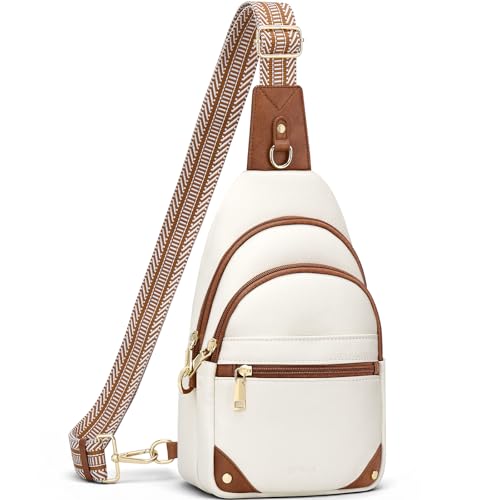
RFID Anti-Theft Crossbody Sling Women
- Stylish sling bag with hidden RFID-blocking pocket
- Lightweight for all-day excursions
Security and style combined for Mediterranean port shopping excursions
View on AmazonKeep family documents together and dry
Group port days with kids mean multiple passports and a lot of paperwork moving between bags. A Family Passport Holder Waterproof keeps everyone's documents in one place, reducing the chance one gets left behind at a restaurant table or a shore excursion meeting point.

Family Passport Holder Waterproof
- Holds multiple passports and travel documents in one waterproof case
- RFID blocking for all slots
Embarkation day with 4 passports, cruise docs, and boarding passes, one case keeps it sane
View on AmazonWhat actually matters more than gear
No belt or bag replaces basic port-day habits: don't flash cash counting it in public, keep your daypack zipped and worn in front in crowded areas, and don't carry your actual passport off the ship unless the port specifically requires it (many don't; a photo and a photocopy suffice for most excursions). Check your line's guidance on that specific point before your sailing.
How to choose security gear for actual port conditions
Fabric breathability matters far more for a money belt than it does for a normal wallet, since a belt worn under clothing in Caribbean or Mediterranean heat and humidity sits against skin for hours at a time. A moisture-wicking or mesh-backed belt avoids the sweaty, uncomfortable feeling that leads people to stop wearing the belt by the second port day, which defeats the entire purpose of buying one.
Ignore bulk features like extra card slots or built-in phone pockets when choosing a hidden money belt specifically. A slim belt holding only cash, one card, and a passport photocopy is far less noticeable under a shirt than a thicker multi-pocket version, and the whole value of a hidden belt comes from it staying genuinely invisible under clothing.
For a crossbody bag used on a tender boat or a beach excursion, look for a slash-resistant strap or a metal wire core in the strap itself, since a casual daypack strap can be cut by a passing bump in a crowded market in a way that a reinforced strap resists. This matters more in specific high-traffic tourist areas than on a quiet beach excursion.
RFID-blocking material is worth checking specifically on the passport-holding compartment rather than assuming every pocket in a security product blocks scanning. Some multi-compartment wallets only line the card slots with blocking material and leave the passport sleeve unlined, so check the product description for which compartments are actually covered before assuming full protection.
Water resistance matters for a crossbody or neck wallet used on a beach or tender-boat excursion, since a bag or wallet that gets damp from spray or humidity can transfer moisture to cash and documents inside. A water-resistant exterior fabric protects contents even if the bag itself gets a light splash during a wet landing.
Common mistakes people make with cruise port security
The most common mistake is buying a hidden money belt and never actually wearing it during the cruise because it feels uncomfortable or unnecessary once on the ship. Try the belt on for a few hours at home before the trip, adjusting the fit under actual clothing you plan to wear at port, so it becomes a habit rather than something that gets skipped after day one.
Carrying every valuable in a single bag or belt is a mistake that turns one theft or one lost bag into a total loss of cash, cards, and documents. Split valuables across a hidden belt, a crossbody bag, and the cabin safe, so a single incident at a market or a beach doesn't wipe out everything you brought off the ship for the day.
Wearing an obviously branded or expensive-looking bag on a port day, even an anti-theft one, can attract more attention than a plain, unremarkable bag would. Choose muted colors and avoid prominent logos on any bag you're carrying through a crowded port town, since visual attention is the first step toward becoming a target.
Leaving the ship's cabin safe unused and carrying a passport, all your cash, and every credit card off the ship at once is a common oversight, especially on a first cruise. Use the cabin safe for anything not needed for that specific port day, and carry only what you'll actually spend or need for identification at that stop.
Forgetting to test a neck wallet or money belt for comfort during actual walking, not just standing in a store fitting room, leads to chafing or a belt that shifts and becomes visible under a shirt after an hour of a walking excursion. Walk around the house or take a short walk wearing it before your trip to confirm it stays put.
Common questions
Do I need a money belt for a cruise?
It depends on your itinerary and comfort level. For crowded ports with known pickpocketing risk, a hidden money belt or neck wallet is a low-cost way to remove an easy target. For quieter ports or ship-organized excursions, it's less critical.
Should I bring my actual passport off the ship at each port?
Most cruise lines advise against it unless the specific port requires it for immigration, recommending a photo ID and a copy instead. Confirm your line's current guidance for each port, since requirements differ by country and itinerary.
What's the difference between a money belt and an anti-theft crossbody bag?
A money belt is worn hidden under clothing and works best for passports, cash, and cards you want completely out of sight. An anti-theft crossbody is worn visibly but designed to resist snatching and slashing, better suited for a daypack full of everyday items like sunscreen and a water bottle.
Are money belts uncomfortable to wear in hot, humid ports?
They can be if the fabric isn't breathable, which is why moisture-wicking or mesh-backed belts are worth the small price difference over a basic cotton or nylon belt. Testing the belt at home under real clothing before your trip helps confirm it's comfortable enough that you'll actually keep wearing it at each port.
Is the cabin safe a good alternative to carrying everything on you?
Yes, for anything you don't need at that specific port stop. Using the cabin safe for spare cash, extra cards, and your actual passport, then carrying only a day's worth of essentials off the ship, limits what's at risk if a bag or belt is ever lost or stolen at port.
Match the gear to the actual port. A hidden belt for passport-heavy stops, a crossbody for casual beach days, and basic street awareness cover most of the real risk. Check ports known for crowded markets before deciding how much security gear to pack, and browse cruises if itinerary safety reputation matters to your choice.